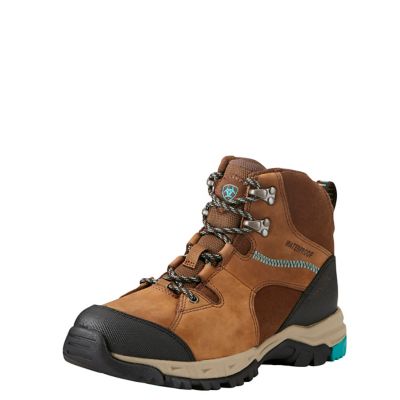
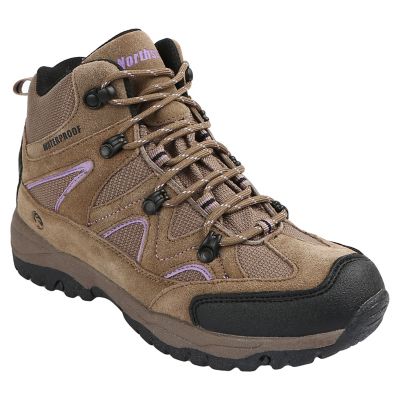
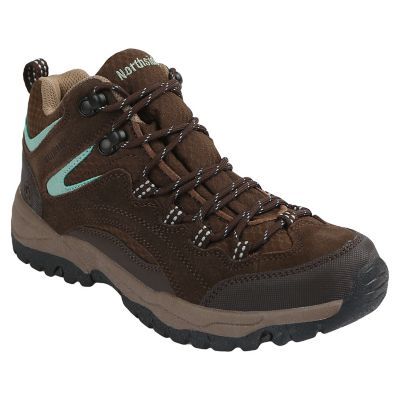
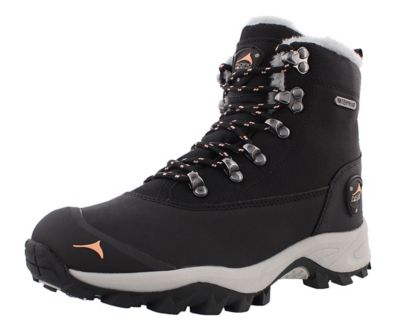
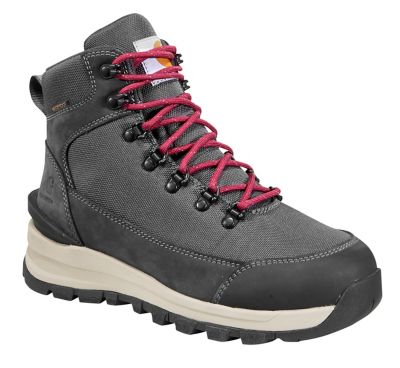
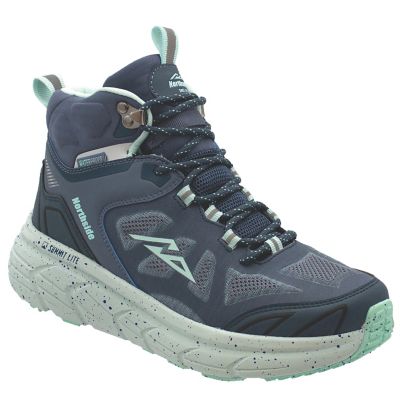
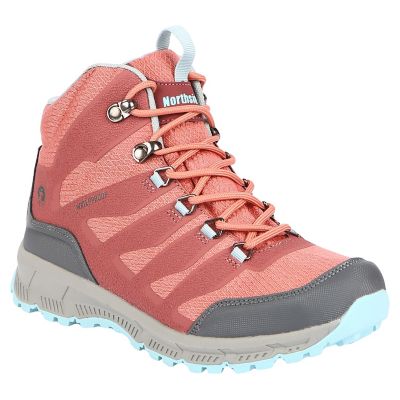
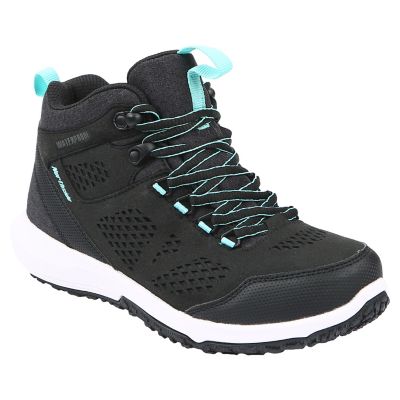
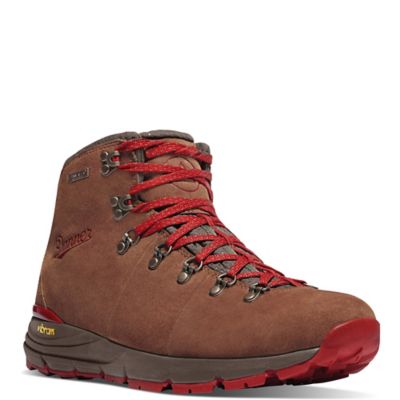
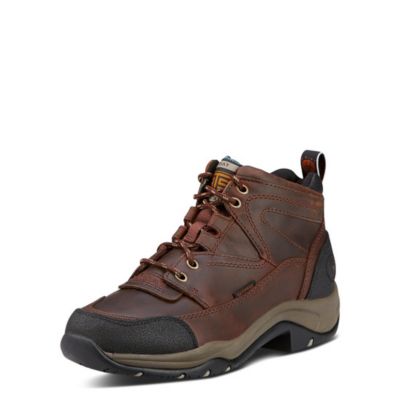
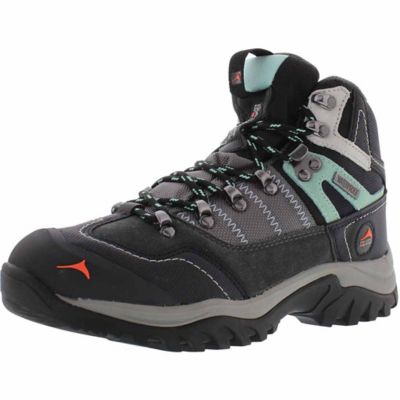
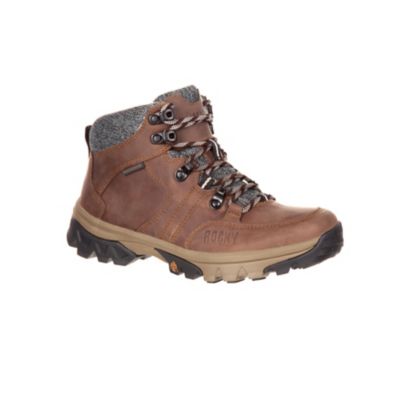
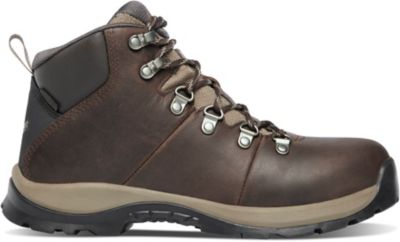
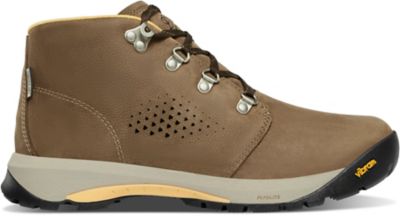
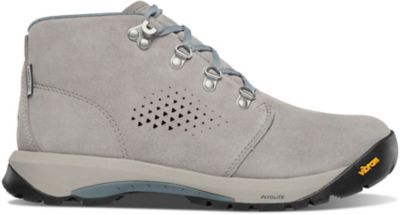
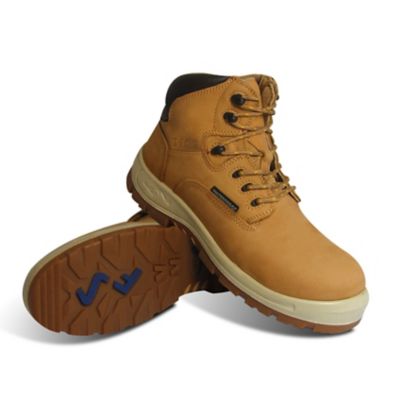
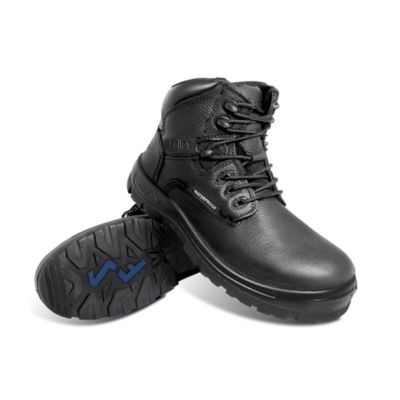
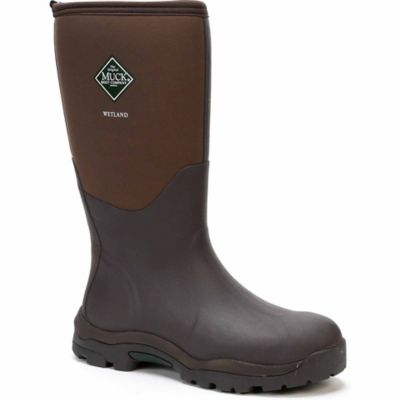
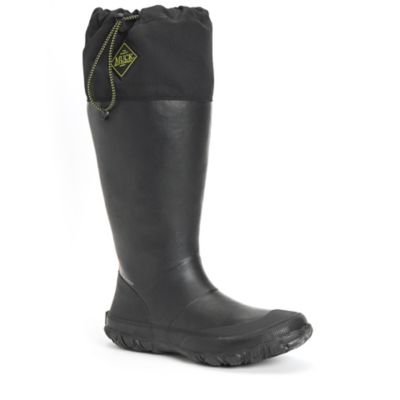
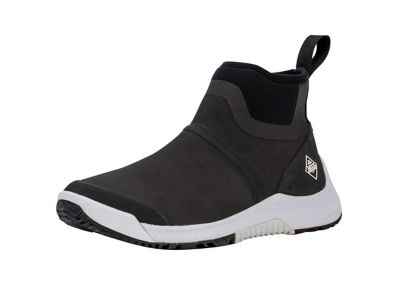
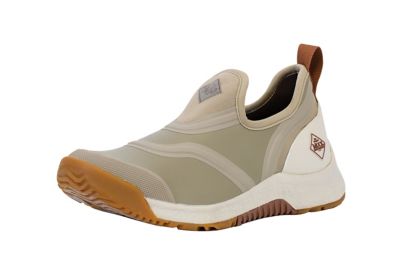
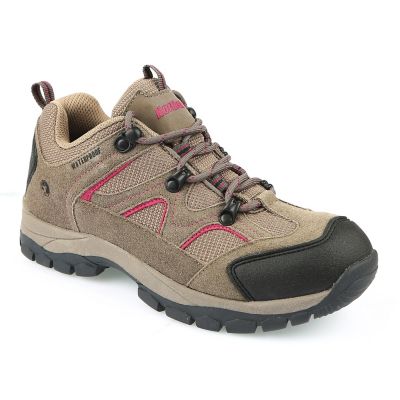
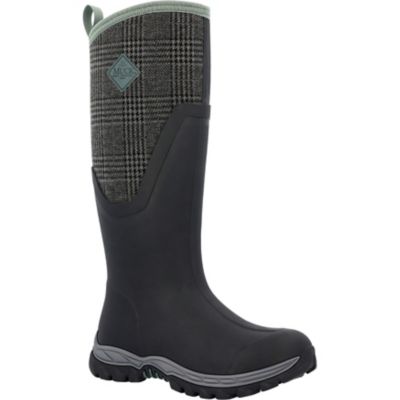
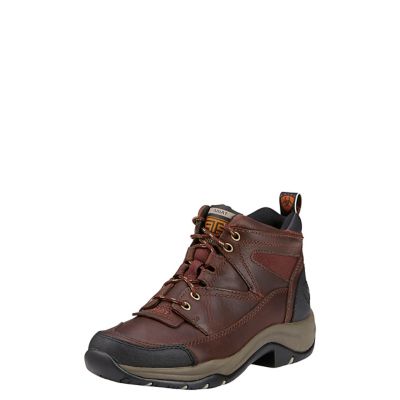
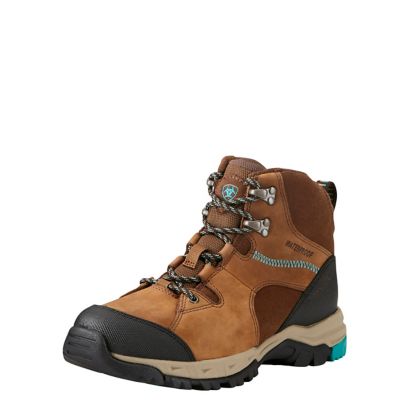
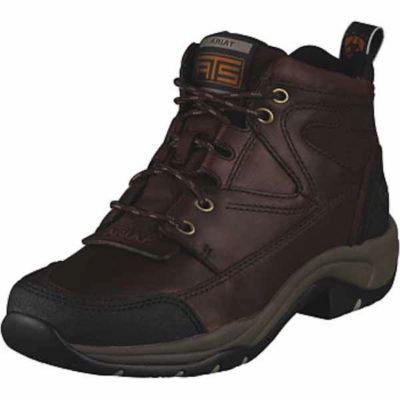
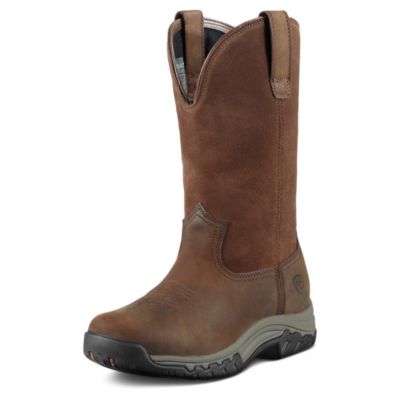
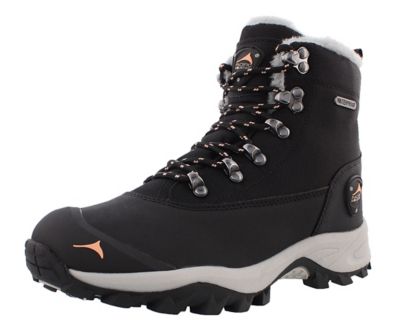
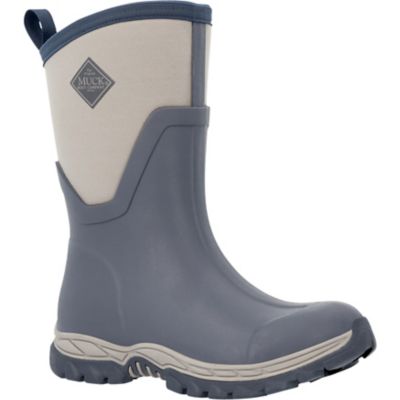
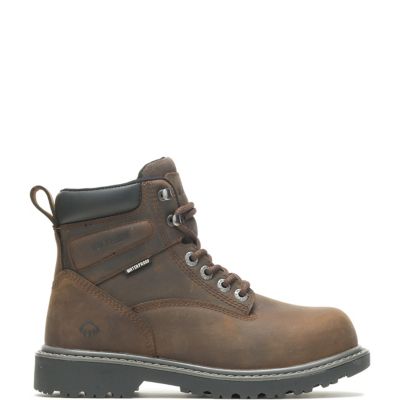
Women’s waterproof hiking boots bring together protection from wet ground, trail-ready traction, and the kind of support that matters when the walk stretches beyond the driveway. They’re a practical fit for wooded paths, damp pasture edges, gravel roads, and weekend hikes where the footing changes with every turn. A waterproof barrier helps keep outside moisture from reaching your socks, whether that moisture comes from dew-soaked grass or a shallow puddle along the trail. Depending on the construction, that barrier may be a waterproof membrane beneath the outer material, a waterproof bootie inside the upper, or another sealed system. Leather, suede, and synthetic fabrics each bring something different to the boot. Leather uppers often offer substantial coverage against brush and rough surfaces, while synthetic panels can reduce weight and help a boot feel less stiff. Reinforced toes and heel sections take some of the scraping that comes with rocky paths, exposed roots, and uneven ground around the property. Sealed seams and a gusseted tongue, which connects to the sides of the upper, help close off places where water and debris might otherwise enter. Waterproof doesn’t mean water can’t get inside, though: stepping into water above the boot opening can leave your feet wet, and prolonged soaking can test any construction. Breathable waterproof linings let some moisture vapor escape, but feet can still feel warm during a brisk uphill climb. For cooler weather, wool-blend or synthetic hiking socks help manage moisture better than cotton, which tends to stay damp. Insulation is a separate feature from waterproofing, so a waterproof hiker isn’t necessarily a cold-weather boot. An uninsulated pair may suit active walks in mild conditions, while colder outings may call for added warmth. The right balance depends on how long you’ll be outside, how hard you’ll be moving, and whether the route follows sheltered woods or open ground with a steady wind.
Fit and underfoot construction make a big difference once the easy stretch ends. Women’s waterproof hiker boots should hold the heel securely without squeezing the forefoot, with enough toe room for downhill steps and the socks you plan to wear. A toe that barely clears the front while standing can bump against it on a descent, especially after feet swell during a long walk. Width matters just as much as length; pressure along the little toe or across the ball of the foot isn’t something to count on breaking in. Women’s sizing and foot shapes vary among footwear designs, so the size stamped inside is only part of the fit. Trying boots with hiking socks and checking them on an incline, when possible, gives a better sense of heel movement and toe clearance. Laces that adjust through the forefoot and ankle allow a snug hold without tightening every section equally. Padded collars can soften contact around the ankle, while mid-height shafts provide more coverage against brush, grit, and splashes than lower-cut footwear. That extra coverage doesn’t guarantee protection from a rolled ankle; steady footing still depends on fit, terrain, and how you move. Underneath, cushioning helps take the edge off repeated steps on packed dirt and gravel. A firmer midsole or supportive shank can reduce how sharply rocks press through the sole, while a more flexible boot may feel easier on short walks and gentler routes. Rubber outsoles with pronounced lugs can bite into loose soil, and spacing between those lugs helps shed mud instead of letting it pack into a smooth layer. Tread pattern and rubber compound both affect grip, but no sole makes slick roots, wet rock, or ice risk-free. For a day that includes walking the fence line, crossing a muddy trailhead, and heading up a wooded ridge, secure heel hold, suitable tread, and balanced cushioning are more useful than judging a boot by its rugged appearance alone.
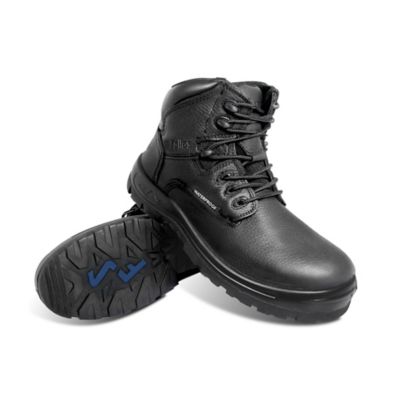
A well-matched pair of waterproof hiking boots can cover plenty of everyday miles, but intended use still matters. Lightweight hikers often suit day hikes, campground walks, and time outdoors without a heavy load. More structured footwear may feel better beneath a loaded pack or across long stretches of broken, rocky ground. Hikers can also make sense for walking country lanes or checking a garden after rain, provided the task doesn’t call for specialized protective footwear. Waterproof hiking boots aren’t automatically safety boots, and a reinforced-looking toe isn’t the same as a tested protective toe. For chores or job settings that require toe protection,
Waterproof Steel Toe Boots For Women are a separate category worth considering alongside the specific safety requirements of the work. Care also plays a part in how hiking boots hold up from one season to the next. Mud left in folds and around stitching can contribute to wear, so brushing off loose dirt and wiping away grime after an outing helps protect the upper. Cleaning methods and treatments should match the material and the footwear maker’s directions, particularly when a waterproof membrane is involved. Leather may need an appropriate conditioner, while fabric panels may call for a compatible water-repellent treatment when water stops beading on the surface. That surface treatment helps limit soaking of the outer material; it doesn’t repair a damaged waterproof lining. Boots dry best with the laces loosened, removable insoles taken out, and air circulating away from direct heat. Setting them against a stove or heater can damage leather, adhesives, and other components. Checking worn tread, separated seams, and frayed laces helps catch trouble before a longer outing. For someone who spends free time on trails or enjoys a quiet morning walk across the back acreage, waterproof hikers can be a thoughtful gift when their size, width, and walking habits are known. The pair that earns its place by the door is the one that fits comfortably, suits the ground ahead, and gets a little care when the walking is done.