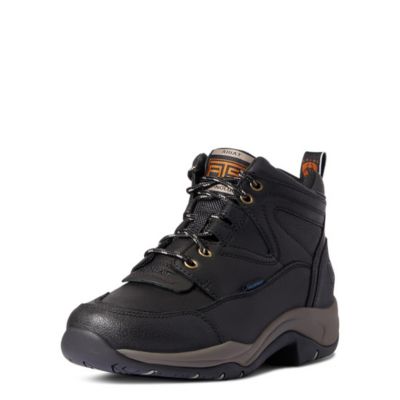
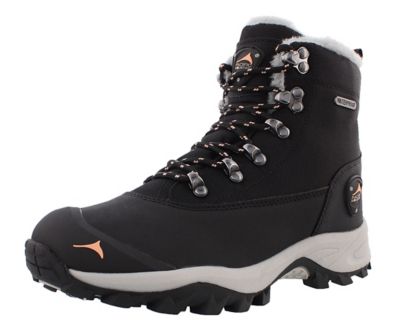
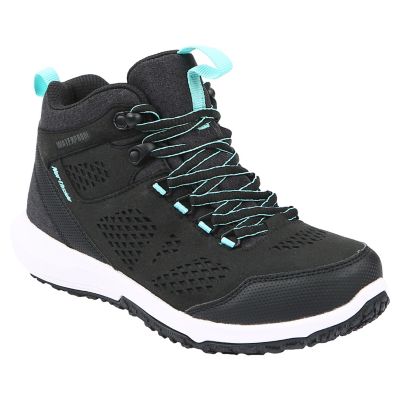
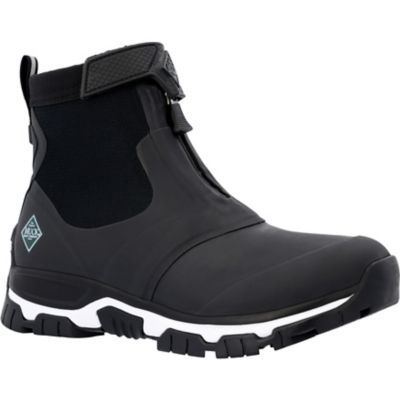
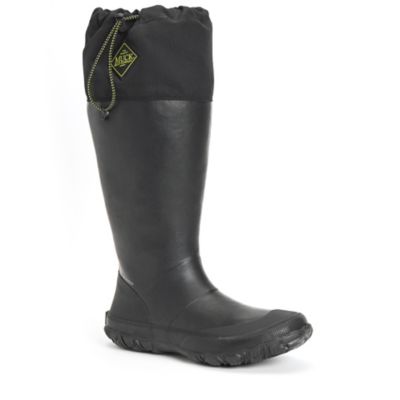
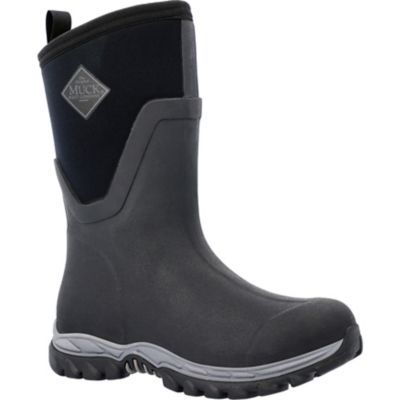
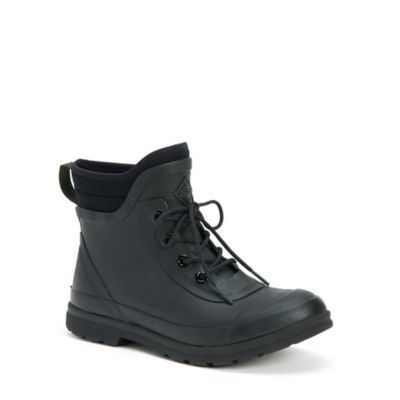
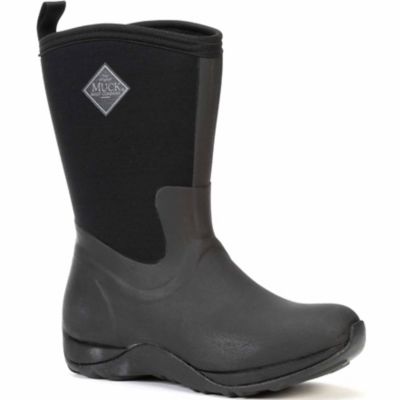
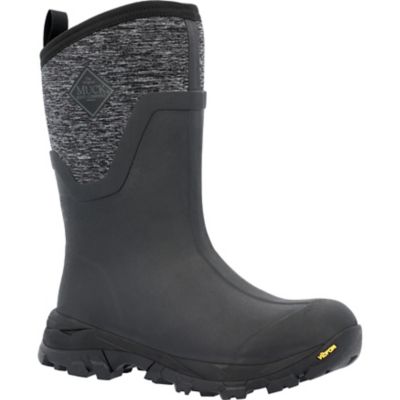
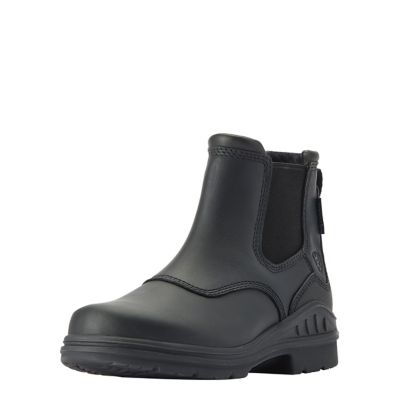
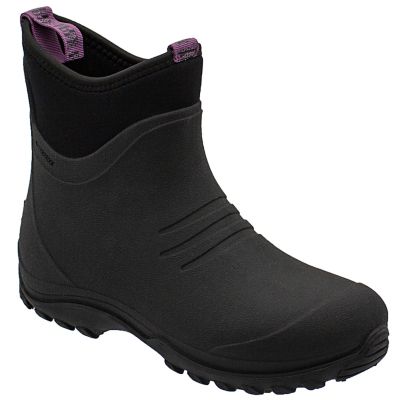
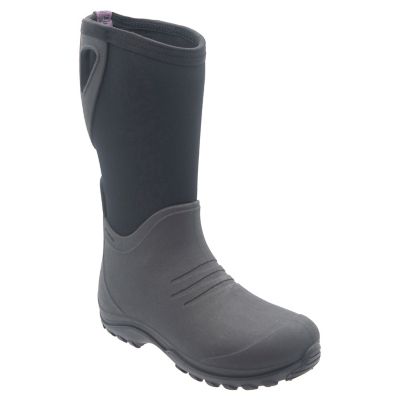
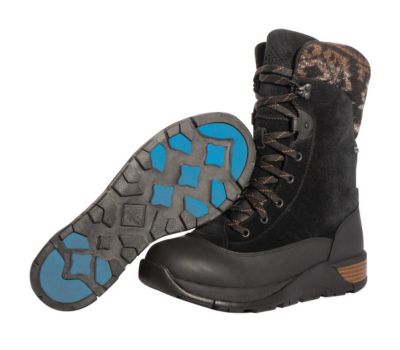
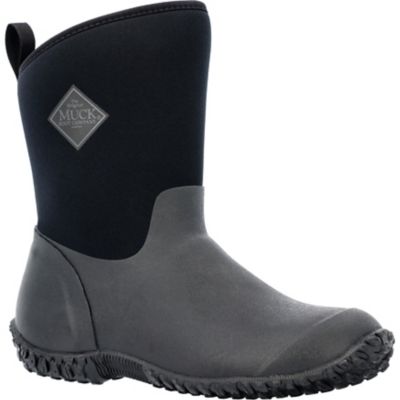
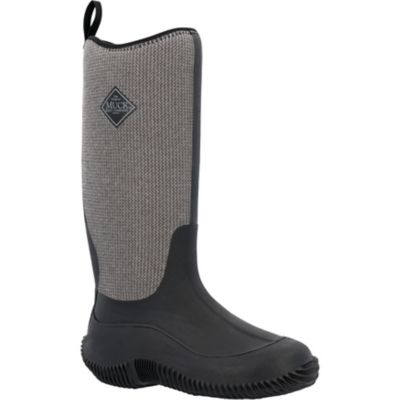
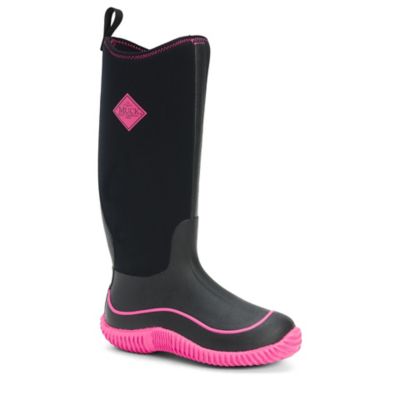
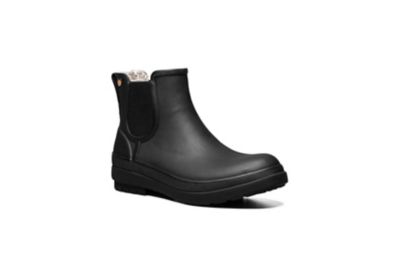
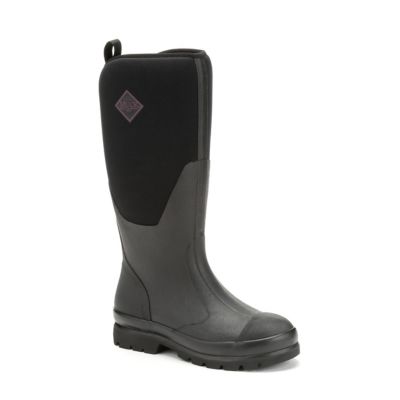
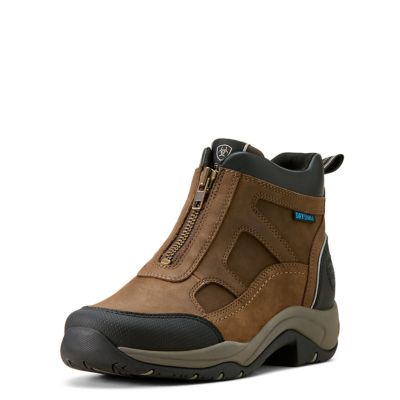
Women’s black waterproof hiking boots pair rain-ready construction with the support and traction needed for time on the trail. They make sense for women who spend their days crossing damp grass, following wooded paths, walking rolling acreage, or heading down a muddy lane before reaching the trailhead. The black finish keeps the look straightforward and pairs easily with hiking pants, jeans, and outdoor work clothes, while the construction underneath determines how the boots handle water, uneven ground, and miles of walking. Waterproof protection may come from an internal membrane, treated uppers, sealed seams, or a combination of these features. Leather uppers offer structure and resistance to scuffs, while synthetic fabrics and mesh panels can help reduce weight and allow more flexibility. Leather-and-fabric combinations bring those characteristics together, though the amount of support and ventilation varies with the design. A waterproof membrane helps block outside water while allowing some moisture vapor to escape; it does not mean feet will stay sweat-free through every climb. A gusseted tongue, attached along its sides, helps keep splashes and trail grit from slipping through the opening beneath the laces. Collar height also matters when stepping through puddles or wet vegetation, since water can still enter over the top of a waterproof boot. That makes these boots well suited to rainy walks and damp trails, but not a substitute for tall waterproof footwear when the route calls for standing in water. Black uppers also give trail footwear a versatile appearance for a stop in town after a walk, without changing the practical job the boots need to do. For a broader look at this type of trail footwear,
Women's Hiking Waterproof Boots brings the focus to waterproof construction across different looks. The best match comes down to the ground underfoot, the distance ahead, and how much structure feels comfortable through a full day outside.
Fit has a bigger effect on a long walk than color or appearance ever will. Women’s hiking boot designs account for foot shape, but heel width, forefoot room, and overall volume still differ between styles. A well-fitting pair holds the heel comfortably without squeezing the toes, leaving enough space at the front for downhill steps and the slight swelling that can happen over several miles. Hiking socks take up room, so the thickness worn on the trail belongs in any fit check. Toes should have space to move without the foot sliding forward whenever the path slopes down. Laces that extend farther toward the forefoot allow more adjustment through that area, while upper hooks can help fine-tune the hold around the ankle. Padding at the tongue and collar adds cushioning where the boot meets the foot and lower leg, but padding alone cannot correct a poor fit. Underfoot, midsoles help soften repeated steps over gravel, roots, and hard-packed soil. Foam compounds vary in firmness, with softer cushioning offering a different feel from a firmer platform built for uneven terrain. Some constructions include a shank or other stabilizing component that limits twisting, which can be helpful on rocky stretches or when carrying a daypack. Rubber outsoles with defined lugs provide edges that can bite into loose soil, and spacing between lugs can help mud clear as the foot moves. No tread pattern grips every surface equally, though; slick roots, wet rock, and ice still call for careful footing. A reinforced toe area helps shield the upper from bumps against stones, but it is not the same as a safety toe. Likewise, a higher collar changes coverage and feel without guaranteeing protection against ankle injuries. For short woodland loops, lighter construction may feel less tiring, while longer outings over broken ground may call for more structure beneath the foot and around the heel.
Long-term wear depends on both construction and the care a pair receives between outings. Reinforcement around the toe and heel can reduce wear in places that scrape against rocks and roots, while stitching, lace hardware, and the connection between the upper and sole all deserve attention. Black footwear still collects trail dust, dried mud, and road salt, and leaving that buildup in place can be hard on the materials. Gentle cleaning with a soft brush or damp cloth helps remove grit before it works into seams and flex points. Care products need to match the upper material and the maker’s directions, especially with leather, mixed-fabric construction, or waterproof membranes. An appropriate treatment can help restore water beading on the outer surface, but it cannot repair a torn membrane or an opening at a damaged seam. After a wet outing, loosening the laces and removing removable footbeds gives trapped moisture a better chance to escape. Air drying away from a stove, radiator, clothes dryer, or direct heater helps protect leather, adhesives, and other components from excessive heat. Breathable socks and time to dry between outings also contribute to comfort over repeated wears. Waterproofing and insulation are separate features, so a waterproof boot should not be assumed to provide warmth for extended time in snow or freezing conditions. The intended activity matters just as much: trail boots suit walking and hiking, while tasks involving machinery, heavy falling objects, or other workplace hazards may require footwear with specific safety ratings. As a gift, women’s black waterproof hiking boots make the most sense when the recipient’s size, preferred fit, and usual terrain are known, especially for someone who enjoys campground walks, birding, or regular time on rural trails. A pair that fits the wearer and the way she spends her time earns its place by the door, ready for the next stretch of muddy path or rain-soaked grass.