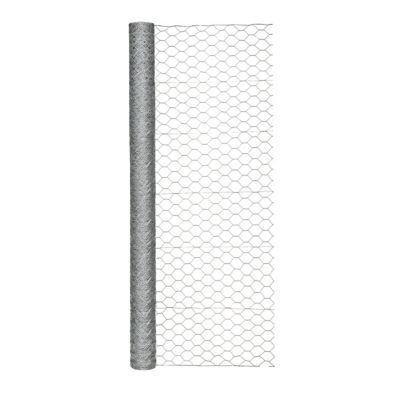
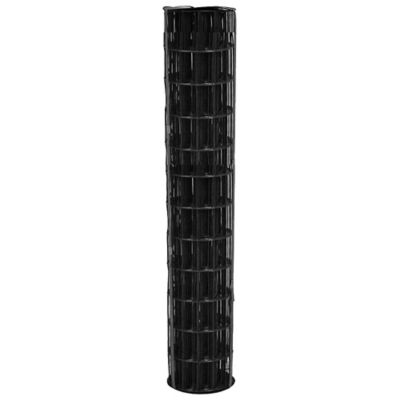
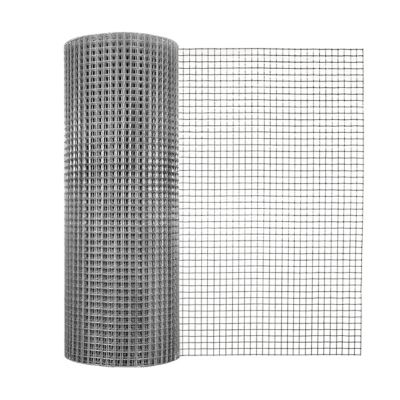
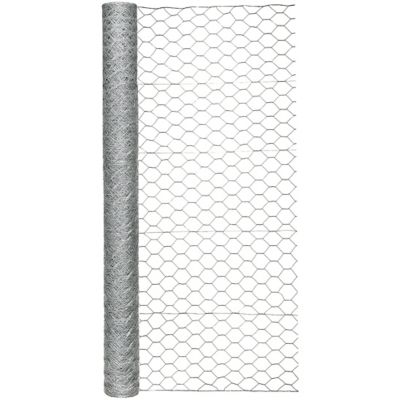
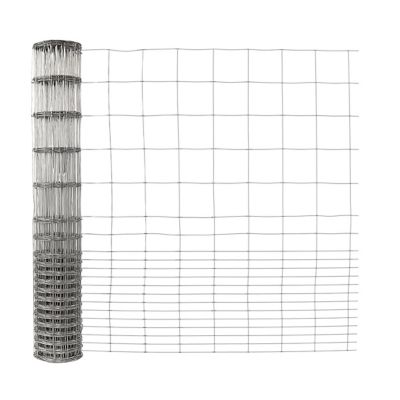
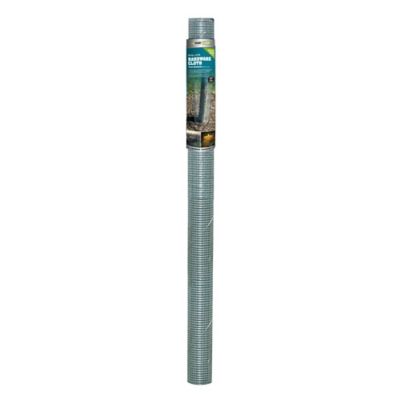
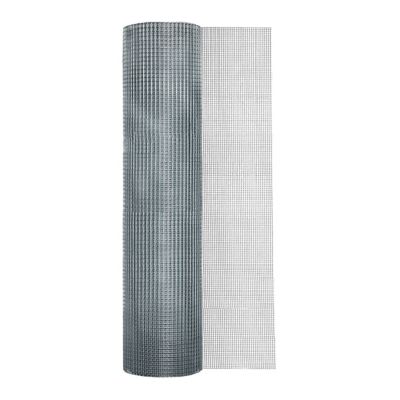
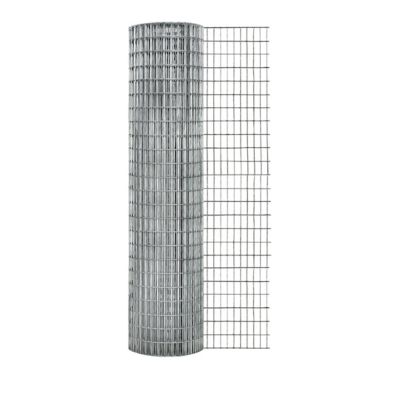
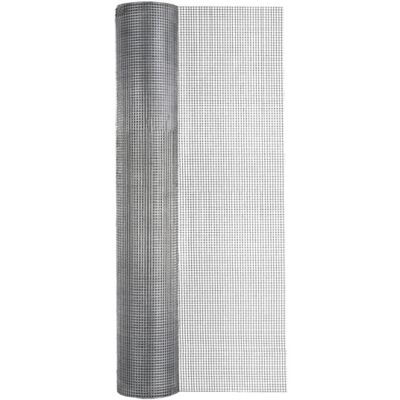
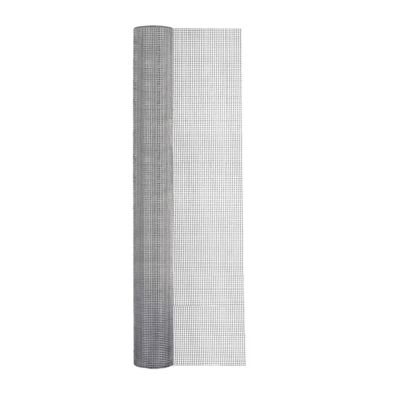
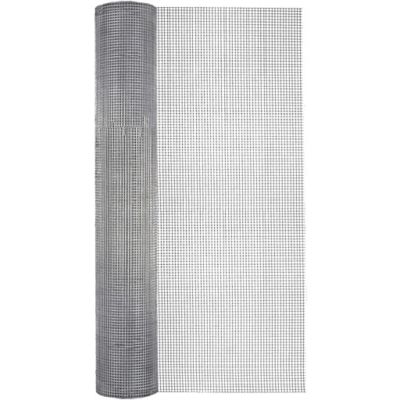
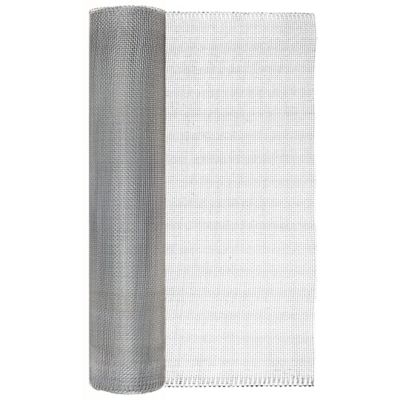
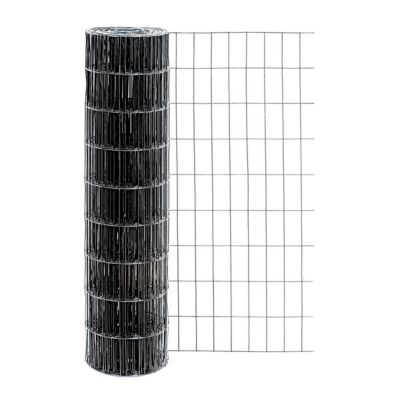
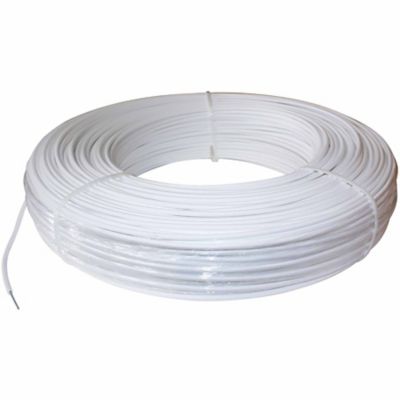
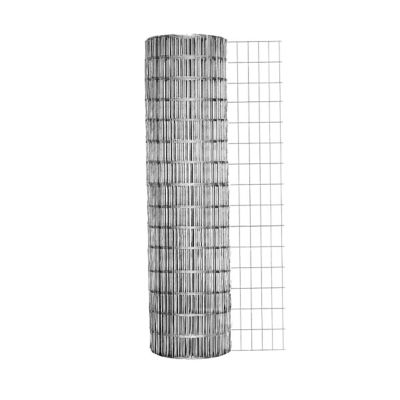
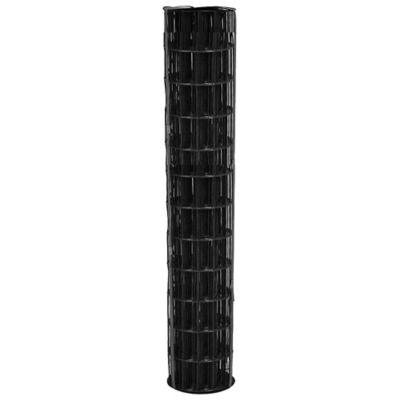
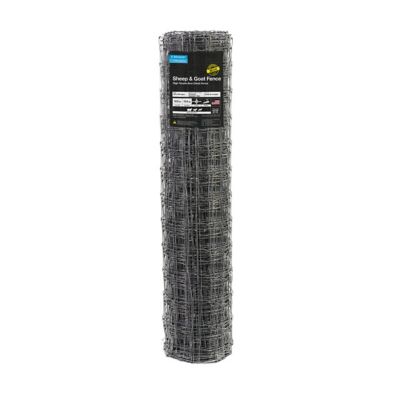
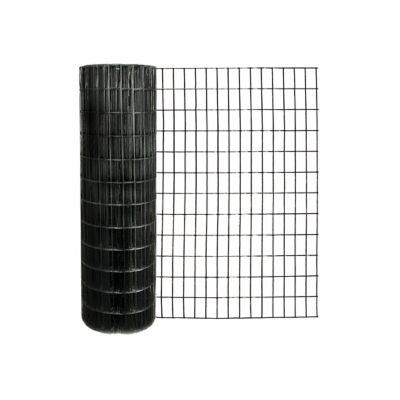
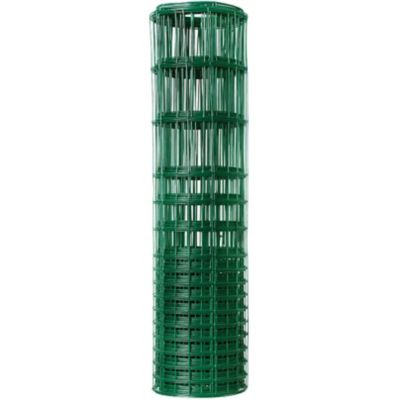
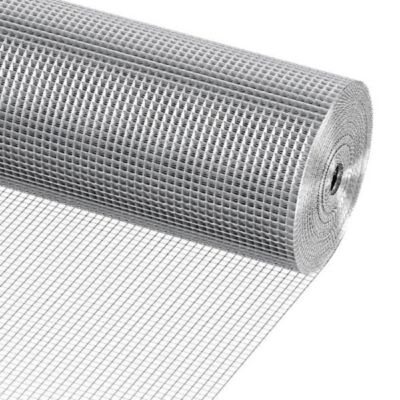
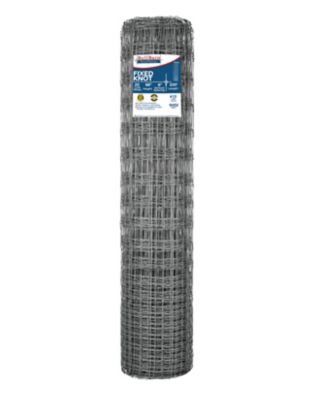
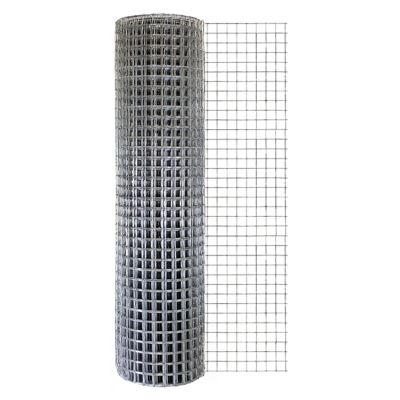
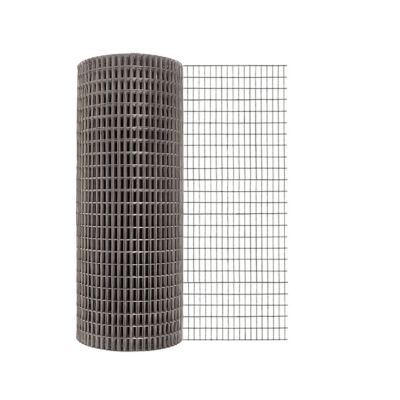
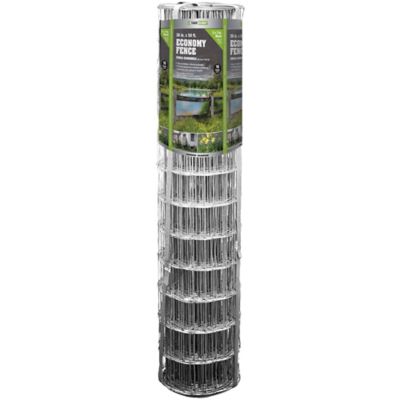
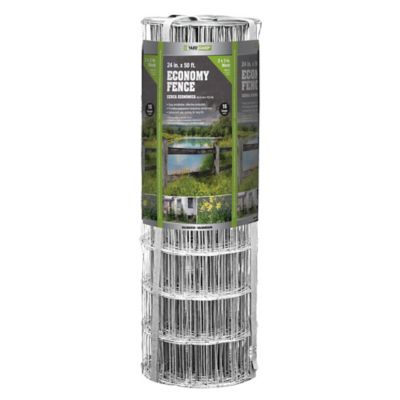
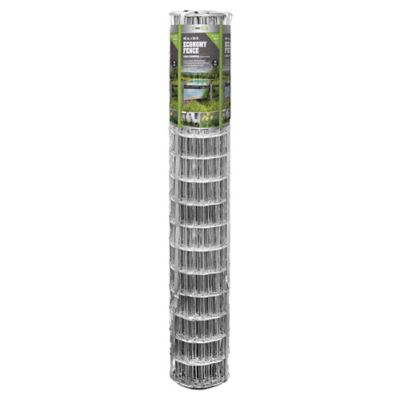
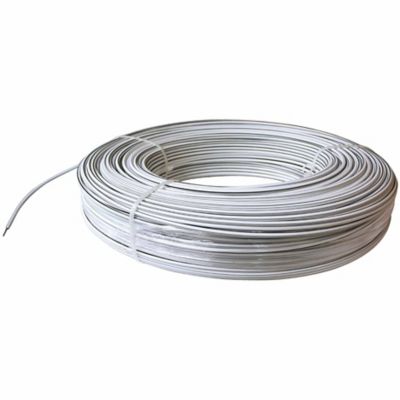
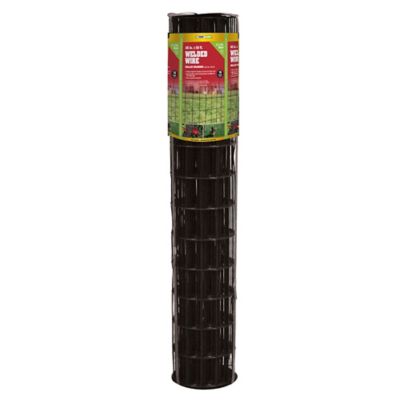
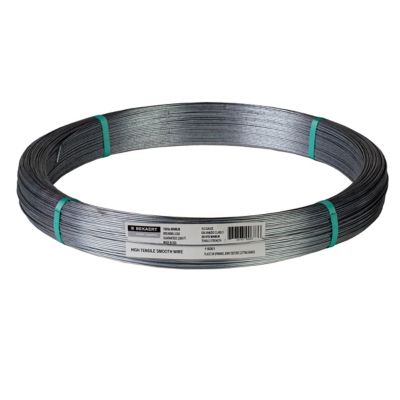
Wire fencing rolls make it possible to cover a long fence line without handling a separate panel at every stretch. Around a small acreage, backyard garden or working farm, rolled wire can help define spaces, separate animals and put a barrier between tender plants and hungry visitors. The right fit depends on what belongs inside the fence, what needs to stay outside and how much pressure the fence will face. Wire fencing rolls commonly come in heights from 24 to 72 inches and lengths of 50 or 100 feet, though dimensions vary by fence style. A shorter roll may suit a garden border, while taller fencing can provide more coverage around a pet area or animal enclosure. Height alone does not determine whether a fence will contain an animal; mesh size, wire strength, footing and the animal’s digging, climbing or jumping habits all matter. Most wire fencing is steel, often with a galvanized zinc finish that helps protect the metal against rust. Vinyl-coated and PVC-coated options add an outer covering, with black and green finishes offering different looks along yards and garden beds. That coating does not replace the strength of the steel underneath, so the wire specifications still deserve a close look. Wire gauge indicates thickness: for comparable steel wire, lower gauge numbers mean thicker wire. A 12.5-gauge wire is thicker than a 16-gauge or 19-gauge wire, but overall fence strength also depends on construction, opening size and support. Coated fencing descriptions may distinguish between the steel core gauge and the finished gauge, an important detail when comparing rolls. Welded wire has intersecting strands joined at each crossing, creating a fairly firm grid. Woven wire has strands connected through knots or wraps, allowing more movement within the fence fabric. Both come in several configurations, and neither construction is the best match for every job. A straight garden edge, a dog exercise area and a pasture boundary each place different demands on the same stretch of wire.
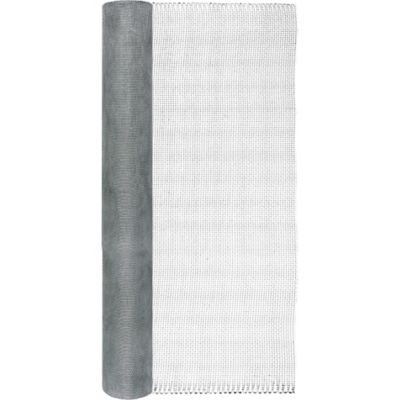
Mesh openings are just as important as roll height when matching fencing to a job around the place. A 2-inch-by-4-inch grid is common in welded wire fencing for general enclosure and garden applications, while tighter openings, including 1/2 inch by 1 inch, can help limit access by smaller animals. The opening must suit the animal’s size and behavior, not simply its body width. Small gaps can reduce opportunities for paws, noses or young animals to pass through, while larger gaps may create a risk of heads or feet getting caught. In a vegetable patch, fencing needs to address the visitors that actually cause trouble. Rabbits call for attention near ground level, while deer require a substantially different approach to height and layout. A roll that keeps rabbits away from lettuce should not be expected to stop deer from reaching beans farther inside the garden. Chicken keepers face another distinction: lightweight poultry netting can help keep birds within a space, but it should not be treated as a predator-resistant barrier. Heavier welded mesh or hardware cloth may be appropriate for vulnerable sections of an enclosure, with opening size, attachment and coverage considered together. Around dogs, the fence needs to account for chewing, digging and climbing as well as the size of the animal. For sheep, goats or other livestock, fencing designed for the particular species is a better starting point than general-purpose garden mesh. Animals that lean, push or rub against a fence place considerable strain on wire, fasteners and posts. Goat horns and small hooves also make opening size an important safety consideration. Horse enclosures call for horse-appropriate wire construction, spacing and visibility rather than an assumption that any livestock mesh will do. On mixed-use properties, different fence sections may serve different purposes: a tight lower barrier beside the garden, an animal-specific pasture fence beyond the barn and a straightforward boundary fence along an access lane. Matching each section to its purpose helps avoid asking a light-duty roll to handle a heavy-duty chore.
Roll dimensions also affect how fencing fits the ground and the supporting structure. The measured fence route includes bends, corners and gate openings, not just the straight distance between two points, and connections between rolls can require additional length. A taller or heavier roll may take more effort to position, especially along an uneven lane or a narrow space between buildings. Welded grids can be less forgiving of changes in grade, while some woven designs offer more flexibility; either way, the fence should follow a planned layout without leaving unintended gaps underneath. Metal T-posts and wood posts are common supports, but post spacing depends on fence construction, height, terrain and expected animal pressure. Corners, ends and gates generally need stronger support than ordinary line sections because they carry different loads. Compatible fence clips, wire ties or staples connect the mesh to the posts, and the attachment method should match both the wire and the support material. Fence designs that require tension also need suitable bracing rather than extra strain on an unsupported end post. For related wire types and configurations,
Fence Wires offers another place to compare options for the fence line. Long-term care centers on keeping the barrier intact: loose fasteners, broken intersections, sagging sections and gaps at gates can undermine an otherwise sound enclosure. Galvanized and coated finishes help resist corrosion, but scraped coatings and exposed cut ends can become trouble spots. Compatible fasteners and manufacturer-recommended treatment for damaged finishes help protect those areas. Vegetation pressing into the mesh can hide damage and add strain, so a clear fence line makes inspection easier. Cut wire ends should face away from routine contact with people and animals, and gloves and eye protection belong with any wire-handling work. A well-matched roll, properly supported and checked as part of regular chores, can keep a garden boundary tidy, separate barnyard spaces or provide an animal enclosure suited to the way the property works.