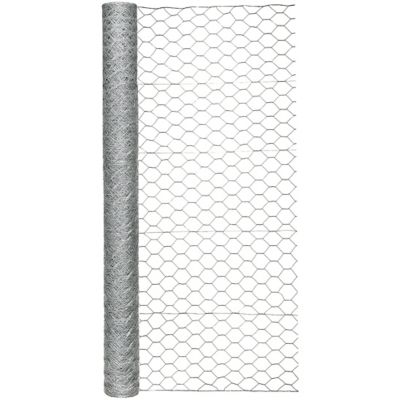
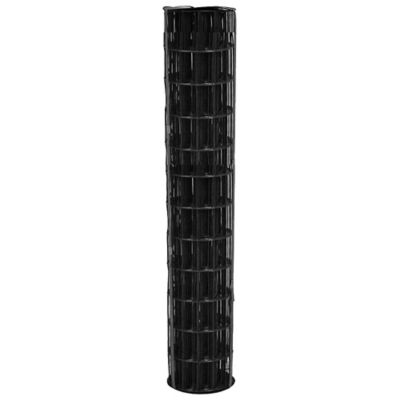
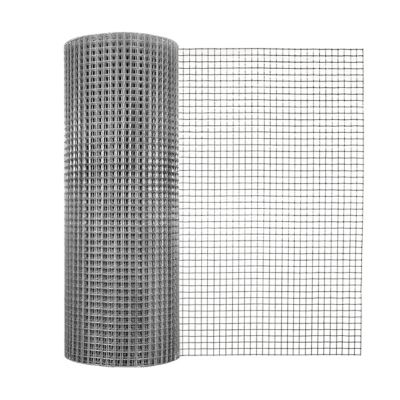
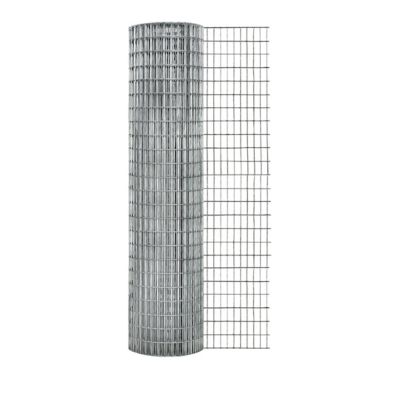
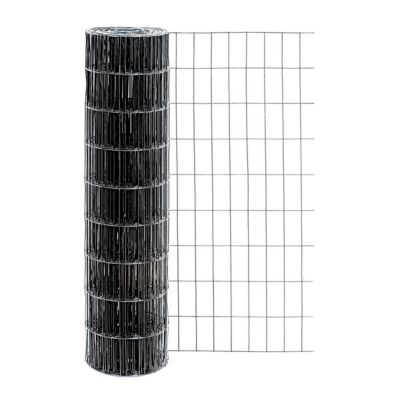
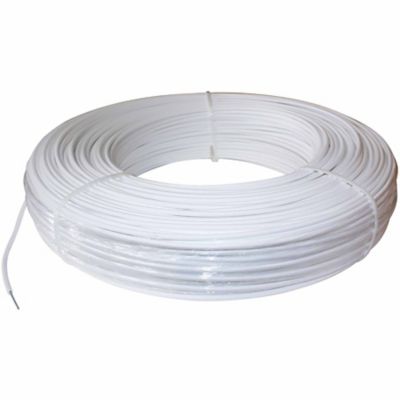
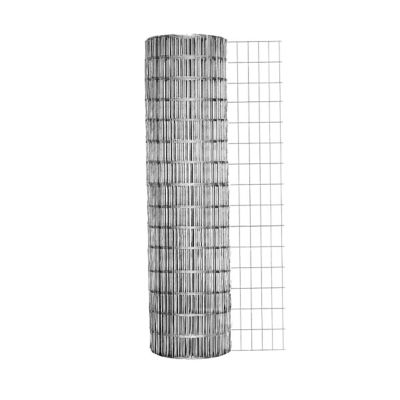
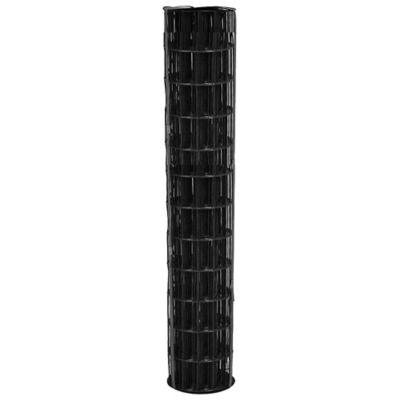
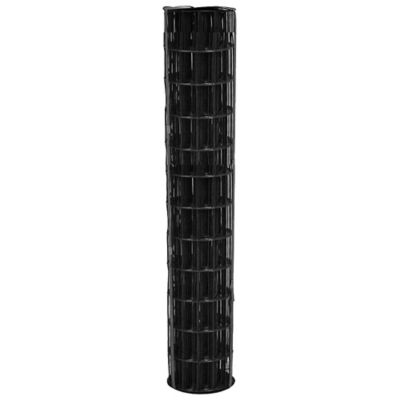
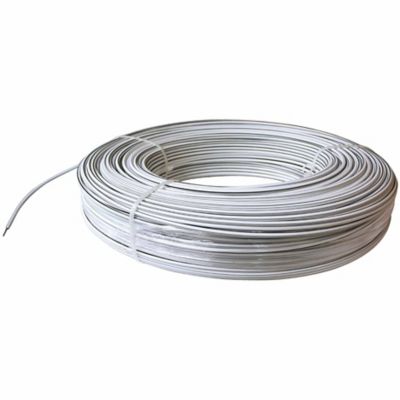
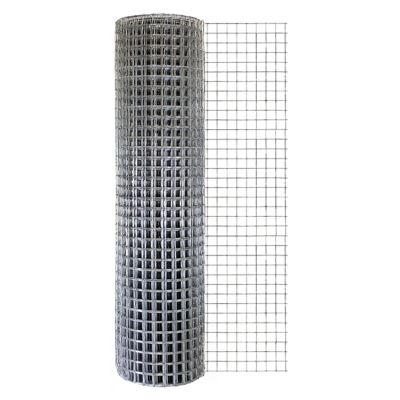
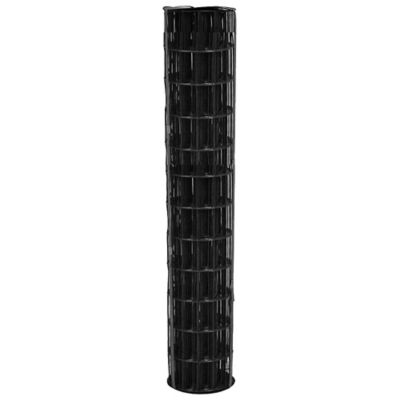
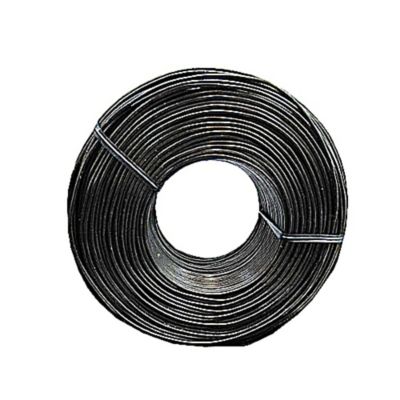
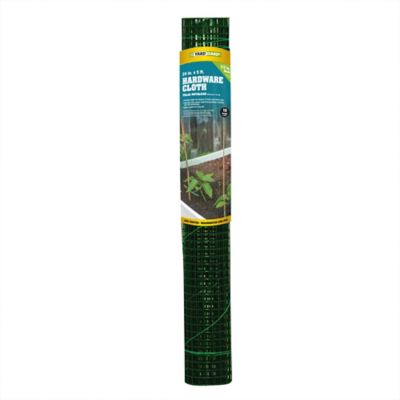
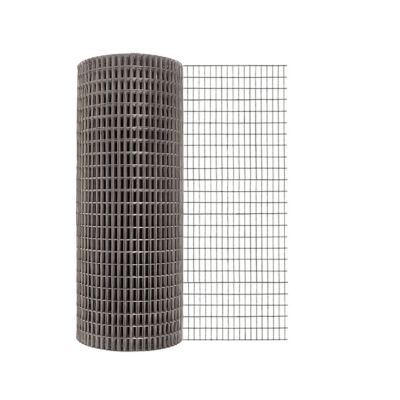
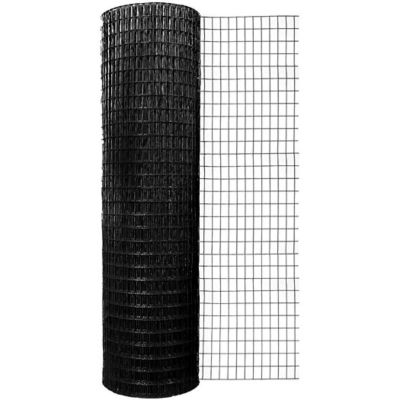
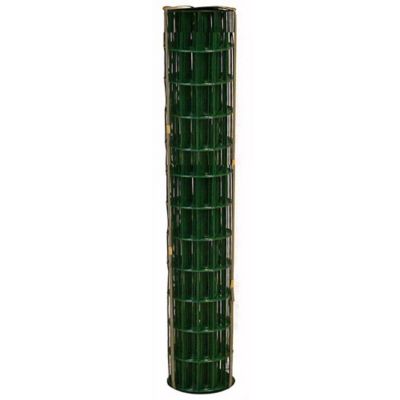
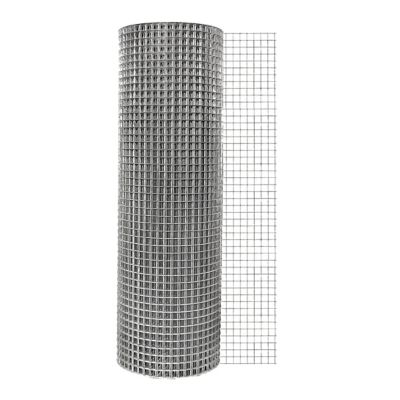
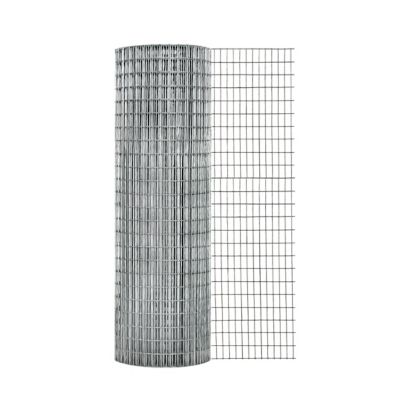
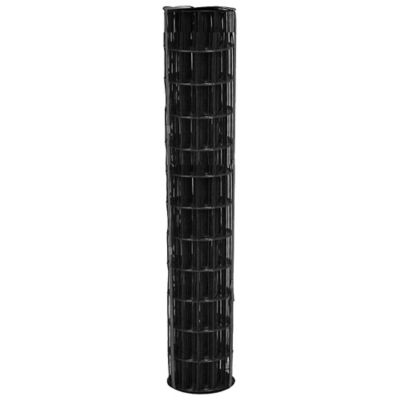
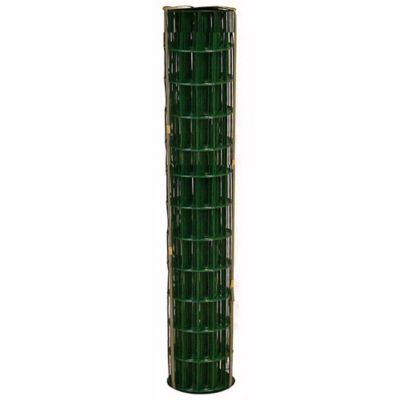
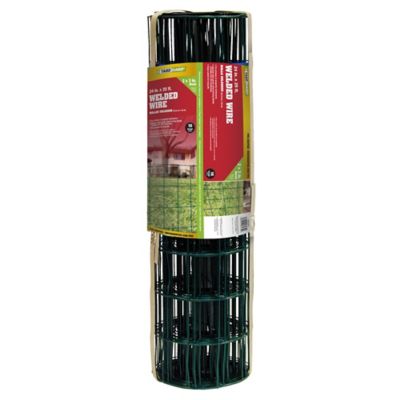
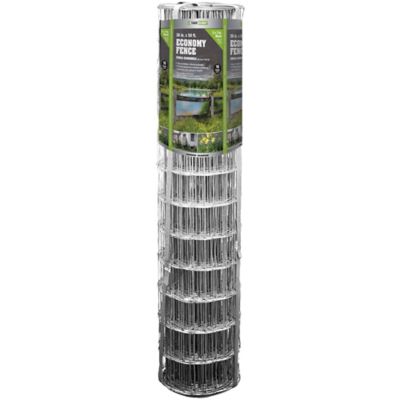
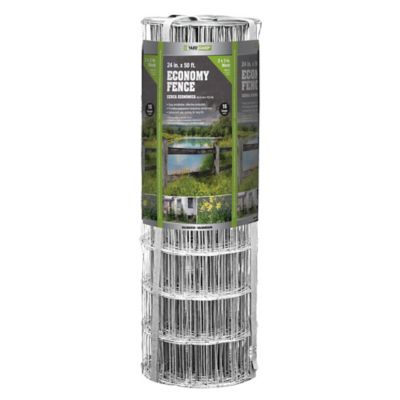
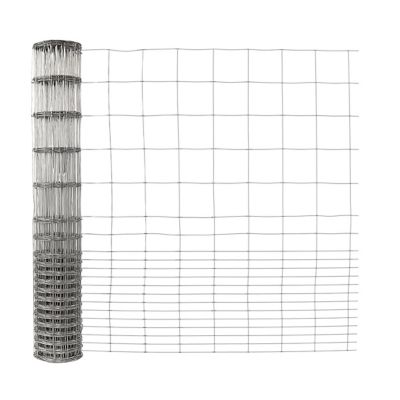
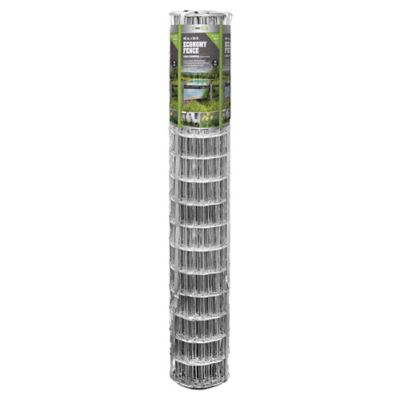
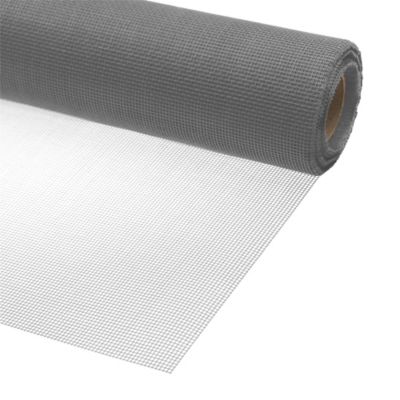
Wire rolls provide continuous lengths of metal wire or connected wire mesh for fencing, animal enclosures, garden protection and projects around the property. A roll may contain a single strand for running between posts or a sheet of woven, welded or twisted mesh that opens into a broader barrier. That difference matters when the job calls for keeping cattle inside a pasture, keeping rabbits out of a vegetable patch or closing an opening along a shed. The main features that set wire rolls apart are material, wire thickness, roll length, roll height and, for mesh, the size and shape of the openings. Steel provides strength for many agricultural applications, while galvanized steel has a zinc coating that helps protect the underlying metal from rust. Vinyl-coated wire adds an outer covering that can make the surface smoother and change its appearance, though cut ends and damaged sections still need attention. Stainless steel offers corrosion resistance for demanding settings, and aluminum appears in certain fencing applications where low weight and electrical conductivity matter. Gauge describes wire thickness; within the same gauge system, a lower number generally means thicker wire. Comparisons make the most sense between similar materials and construction styles, since thickness alone does not tell the whole story. A heavier wire may resist bending better, while a lighter wire can be easier to shape around a small enclosure or garden support. Roll length determines how much ground the material can cover, and roll height determines the finished height of a mesh barrier. Mesh measurements describe the openings rather than the overall roll. Together, those details help landowners, livestock keepers, gardeners and folks maintaining an acreage match the material to the work. A low border beside a planting bed, a tall animal pen and a long pasture boundary place very different demands on the wire, even when each project starts with a roll.
Construction affects how wire behaves once it is stretched between supports. Welded mesh has intersecting wires joined at their crossing points, creating a regular pattern that holds its shape for many enclosure and garden applications. Woven field fencing connects wires with knots or wraps, allowing some movement across uneven ground while forming a livestock barrier. Twisted poultry netting is light and easy to shape, but its open pattern and lighter construction do not provide the same protection against determined predators as an appropriately selected, securely attached heavier mesh. Smaller openings can help block smaller animals, though the wire thickness, attachment points and condition of the entire enclosure remain important. A chicken run beside the barn needs attention at ground level and around doors, not just across the broad sides. A garden fence needs openings suited to the animals likely to reach through or squeeze under it. For livestock, spacing also affects whether an animal can put its head or hoof through the fence. Horse areas deserve particular attention to visibility, opening size and the risk of entanglement; not every agricultural wire style belongs around every animal. Smooth single-strand wire serves a different role from mesh, forming individual fence lines rather than a continuous screen. Barbed wire adds projecting points for certain livestock applications and requires careful consideration around animals, people and travel paths. Wire intended for electric fencing must match the energizer, insulators and other components of the fence system; an ordinary mesh roll is not a substitute for a properly planned electric fence. Around the garden, wire mesh can also support climbing plants, protect young trees from browsing animals or form a barrier around a planting area, provided its openings and structure suit the task. A sturdy trellis for climbing beans has different support needs than a cover intended to keep animals away from tender seedlings. For connected mesh suited to enclosure and boundary projects, explore
Fence Rolls and compare the construction against the job, the animals involved and the space being enclosed.
The fit of a wire roll depends on the whole fence or project, not just the material coming off the coil. Posts, rails, braces, gates and attachment hardware all influence how well the finished barrier holds its position. A long, straight run calls for different planning than a small pen with several corners, and each gate opening interrupts the continuous span. Roll dimensions need to work with those breaks, along with changes in ground level and any overlap required at connections. Wide rolls can reduce horizontal seams, but they also take more room to handle and may call for an extra set of hands. Thicker wire generally takes more effort to cut and bend, making tools matched to the material part of the job. Gloves and eye protection matter around sharp cut ends and wire that can spring outward as it uncoils. Finished edges should stay clear of walkways and animal contact points, with fastening methods suited to the wire and its supports. Care afterward centers on keeping the barrier intact: loose fasteners, sagging sections, broken strands and damaged coatings can turn a small problem into an escape route or injury hazard. Contact with soil, manure and fertilizer can contribute to corrosion, so coating condition and placement deserve attention in livestock yards and garden spaces. Cleaning methods should suit the coating rather than scrape away its protection. Leftover wire belongs in a dry storage area, secured so the roll cannot unwind and with exposed ends kept out of reach of children and animals. Long service life comes from matching the wire to its workload, supporting it properly and checking the places that take the most pressure, such as gates, corners and feeding areas. Whether the project is a backyard planting enclosure or a fence along a working pasture, the right combination of material, gauge, opening size and roll dimensions makes the finished setup easier to manage through everyday chores.