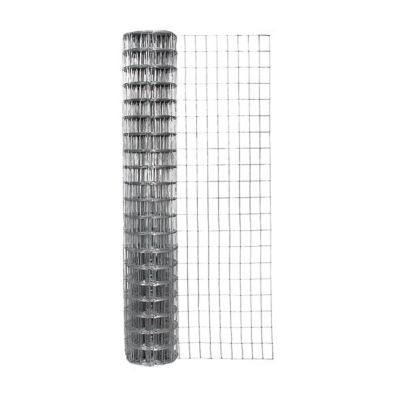
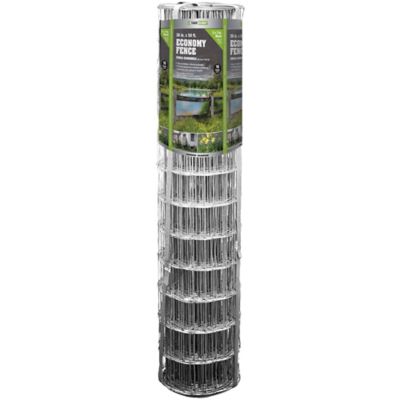
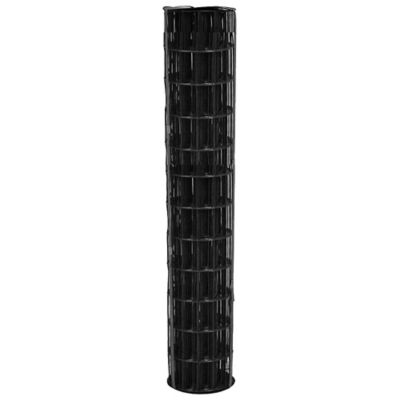
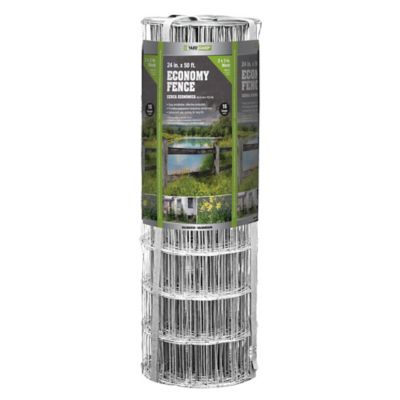
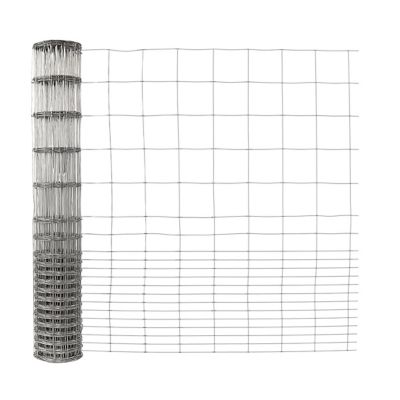
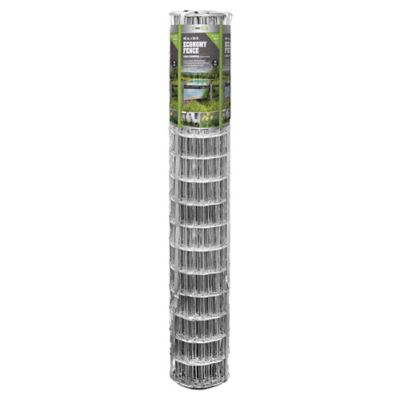
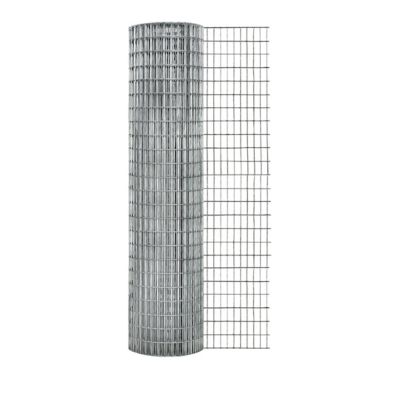
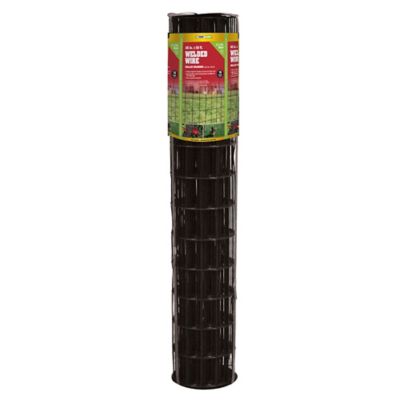
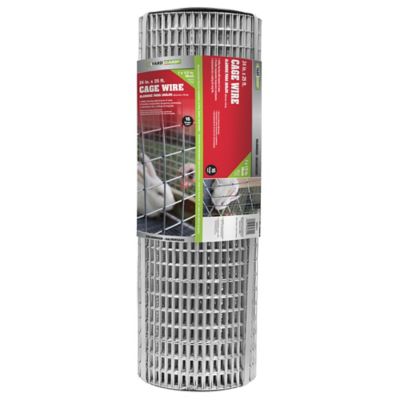
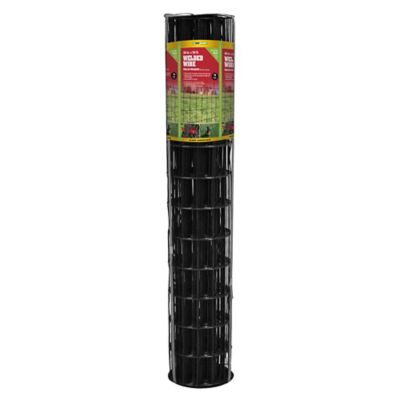
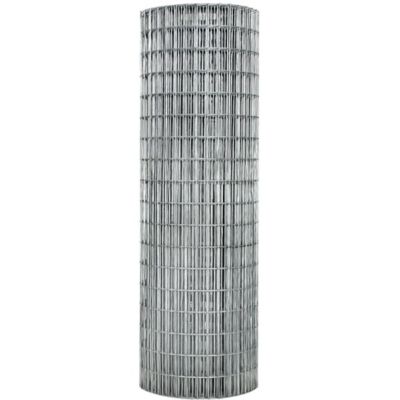
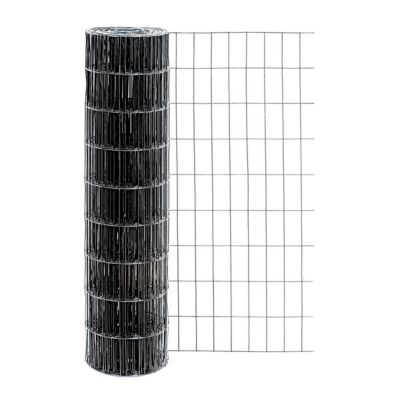
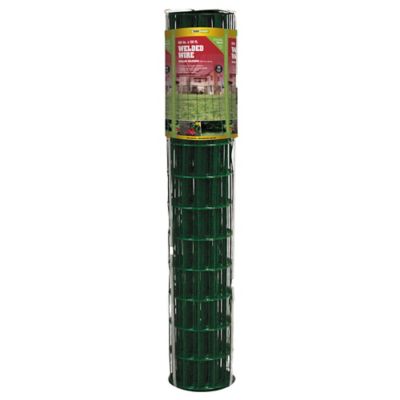
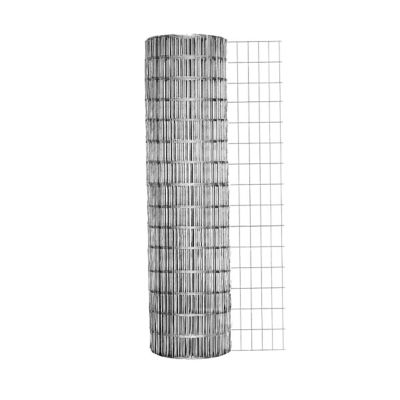
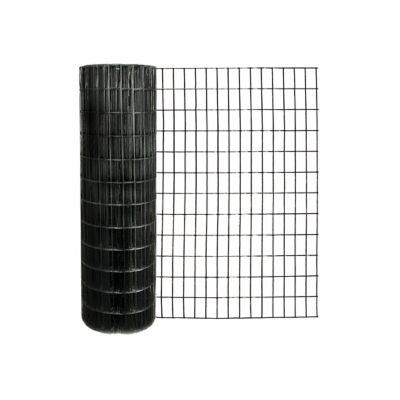
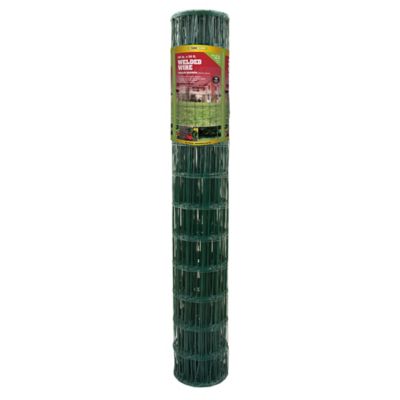
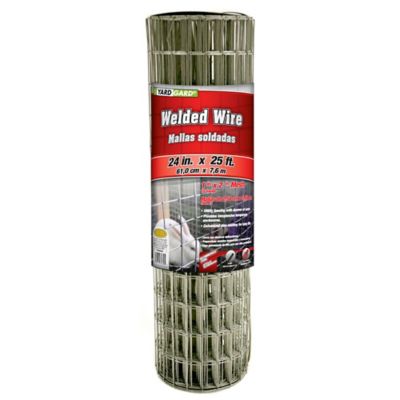
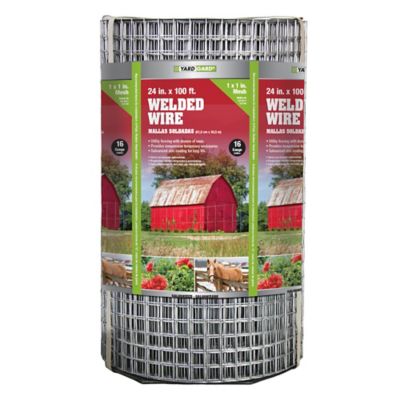
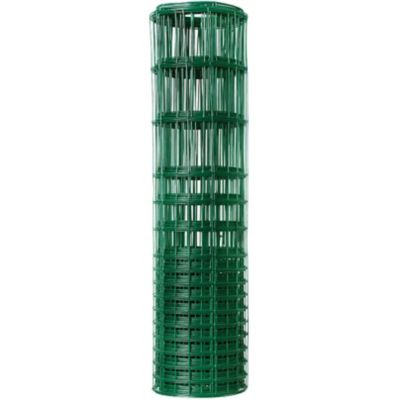
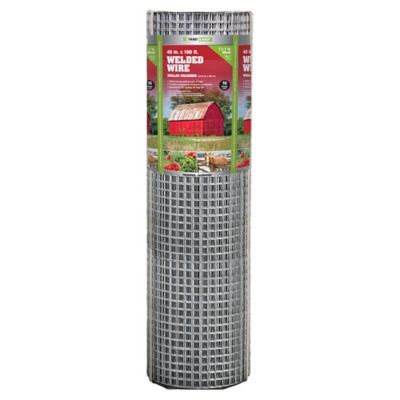
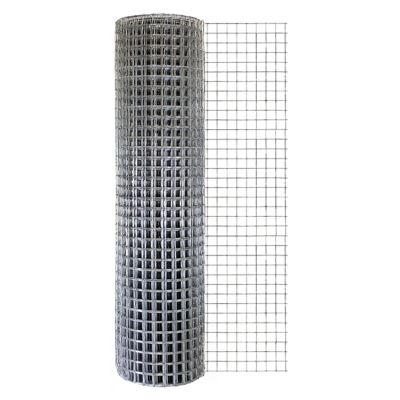
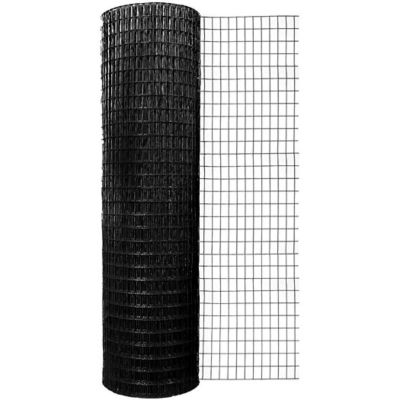
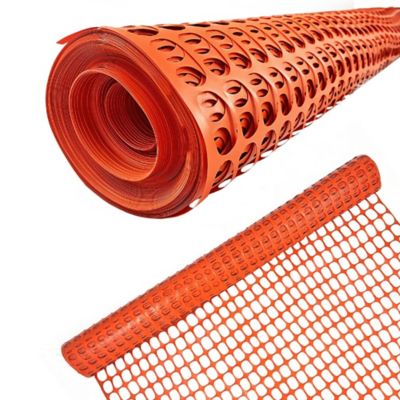
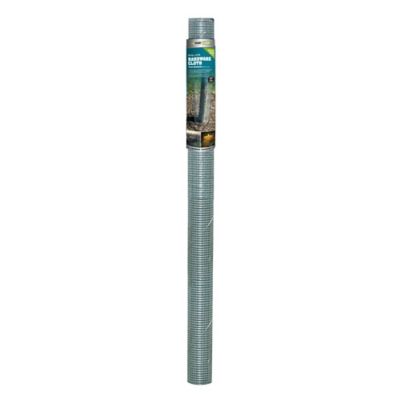
Welded mesh fences bring a straightforward, open-grid boundary to gardens, backyard animal areas, and everyday spaces around a small farm. Their intersecting wires are welded together at the crossing points, creating a consistent pattern that lets you see through the fence while giving a defined edge to the space behind it. That visibility comes in handy beside a vegetable patch, where plants still need light and a clear view makes it easier to spot a loose gate or a branch leaning against the wire. Around a backyard enclosure, the same open construction helps keep animals in sight without the solid barrier of a privacy fence. The right fit depends on more than the fence’s height. Wire thickness, opening dimensions, material, and support all affect how the finished boundary handles its intended job. Within the same wire gauge system, a lower gauge number generally indicates thicker wire, though the actual wire diameter is worth comparing when evaluating different fence constructions. Smaller openings may help limit access by certain small animals, while larger openings offer a more open appearance but leave wider gaps. Galvanized steel has a zinc coating that helps protect the underlying metal from corrosion. Coated fencing adds another outer layer, often with a darker finish that blends into the background around planting beds and yard edges. Coverage at welded joints, cut ends, and attachment points matters because breaks in a protective finish can expose the steel beneath it. Rolls and rigid panels also have different handling characteristics. Rolls suit longer runs and can reduce the number of separate sections along a boundary, while panels provide defined sections with a more rigid shape. For projects built around individual sections,
Welded Wire Mesh Panels offer a related fencing format to consider alongside roll fencing. Neither format stands alone; posts, attachment hardware, and the layout of the enclosure help determine how well the entire fence holds its shape.
A fence around a row of beans has a different job than one beside a kennel or chicken run, even when both have a similar wire pattern. Garden fencing often centers on keeping particular animals away from tender plants without blocking the view or taking up much space between beds. Rabbits, deer, and climbing animals present different challenges, so opening size and fence height need to match the animal involved rather than simply the size of the garden. A short boundary may mark a bed neatly without offering meaningful protection against an animal that can jump over it. For dog enclosures, the dog’s size, strength, behavior, and supervision needs all matter. A calm companion that respects a boundary puts different demands on a fence than a determined chewer, climber, or digger. Openings should not allow an animal to push its head through and become trapped, and exposed wire ends do not belong where paws, noses, or people can brush against them. Welded mesh can serve as part of a poultry or small-animal enclosure, but it should not automatically be treated as protection against every predator. Small openings, secure connections, a suitable top, and protection at ground level may all be necessary depending on the animals and the setting. A fence that contains chickens can still leave gaps large enough for an unwanted visitor to reach through. Likewise, welded joints and lighter wire may not stand up to livestock leaning, rubbing, or pressing against the fence. Horses, cattle, and other large animals call for fencing selected for their size and behavior, not just a grid that looks substantial from a distance. Around a homestead, welded mesh fencing can also separate planting areas from foot traffic, define a utility space, or establish a boundary within a larger fenced property. Those lighter-duty roles let the open construction do its job without asking it to withstand pressure beyond its intended purpose.
Getting the proportions right makes welded mesh fencing easier to live with after the project is finished. Fence height should suit the purpose of the enclosure, while roll length or panel width should work with the planned run and the spacing of the supports. A long, straight garden edge is a different layout from a small yard with several corners, and uneven ground can leave gaps beneath fencing that otherwise looks properly fitted. Rigid sections do not follow every dip or rise, so the relationship between the fence line and the ground deserves attention before the layout is settled. Gate openings matter just as much as the wire itself. Enough room for a wheelbarrow, feed cart, or mower can save plenty of awkward maneuvering later, and a gate that closes securely keeps an otherwise sound enclosure from having an easy escape point. Posts and fasteners need to suit the fencing material and the demands of the site, with particular attention to corners, ends, and gates where support becomes especially important. A neat fence line should not depend on pulling light mesh so tightly that the grid distorts or welded connections take unnecessary strain. Along paths and work areas, finished edges and secure attachments help keep loose wire from catching clothing or scratching a passing hand. Ongoing care is mostly about noticing small problems before they spread: a bent section beside a gate, a loose attachment, a broken weld, or a cut edge where the finish has worn away. Soil, plant growth, and animal bedding piled against the bottom can hide damage and make inspection harder. Cleaning methods and any coating touch-ups should follow the fencing manufacturer’s directions, especially where a protective outer layer is involved. Keeping vegetation from crowding the wire also makes the fence easier to see and check. For gardeners, backyard animal keepers, and folks managing a few acres, the most practical welded mesh fence is one whose wire, spacing, height, and support match the work expected of it.