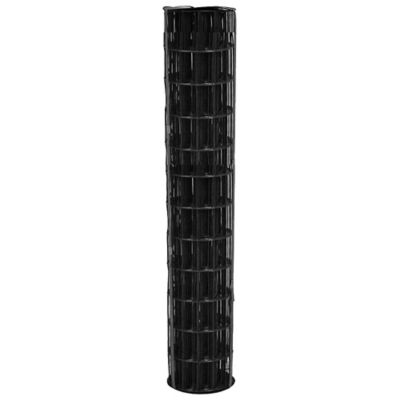
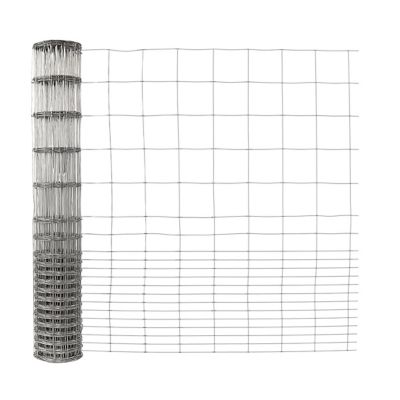
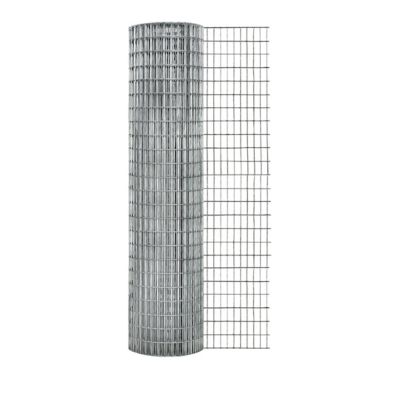
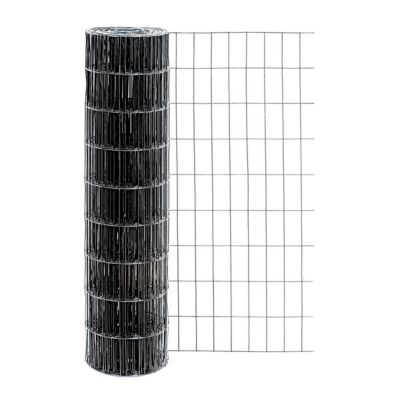
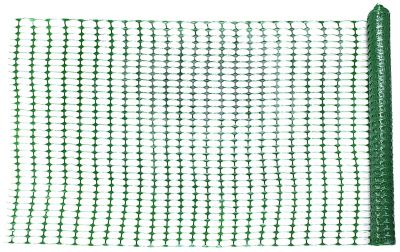
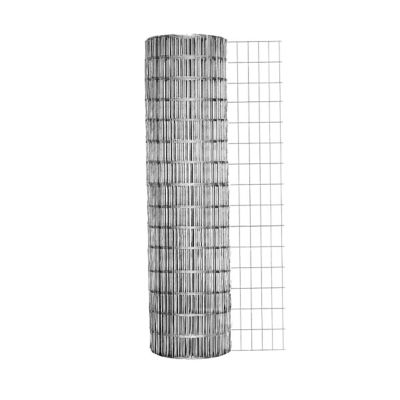
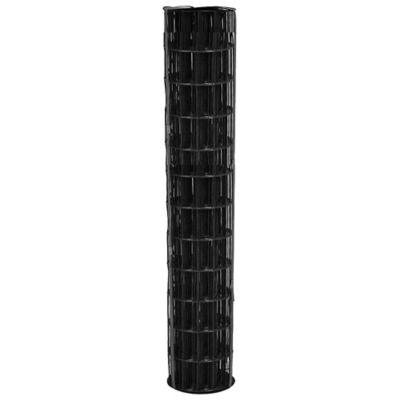
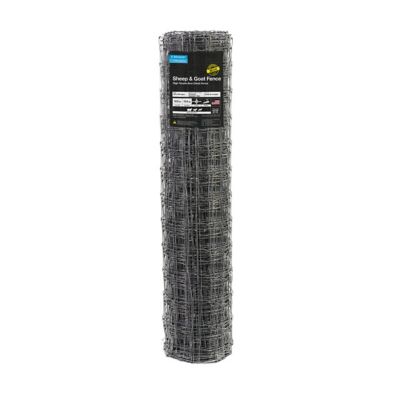
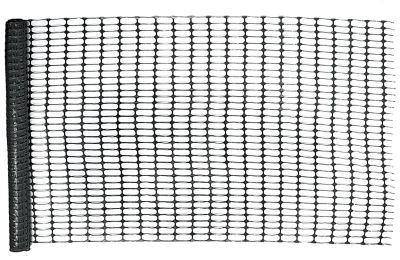
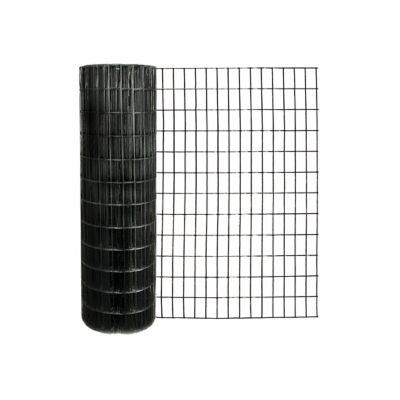
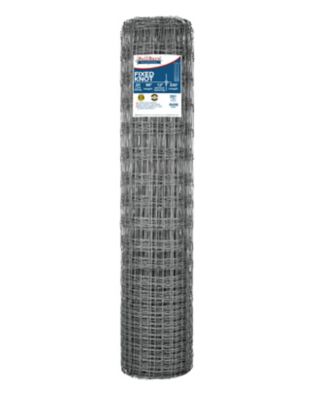
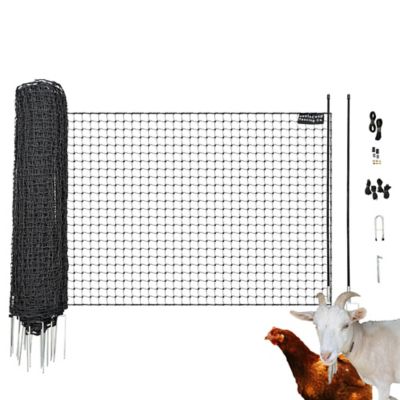
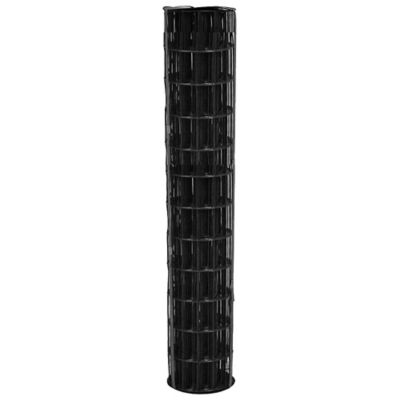
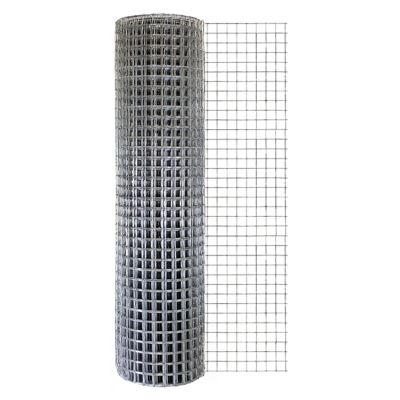
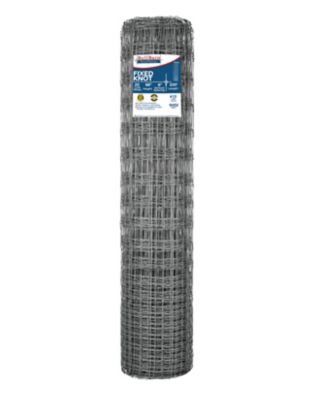
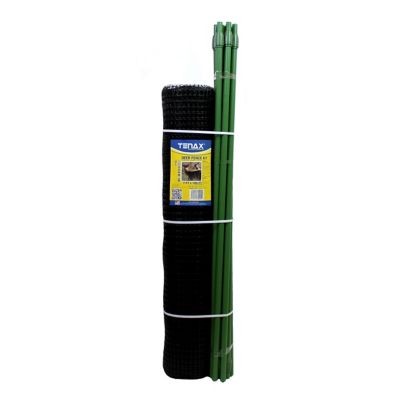
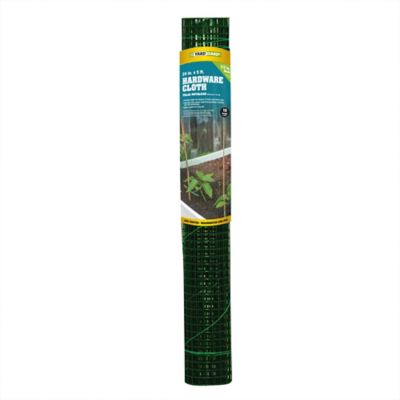
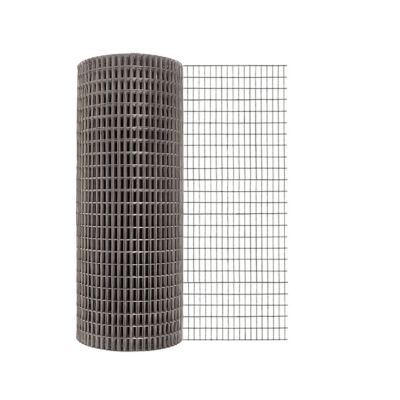
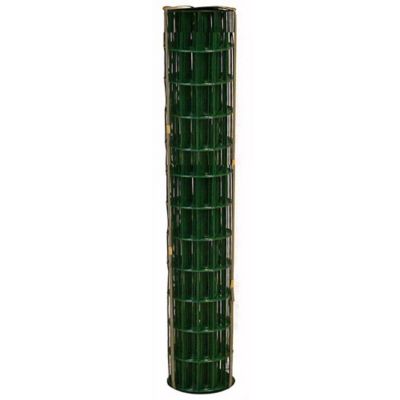
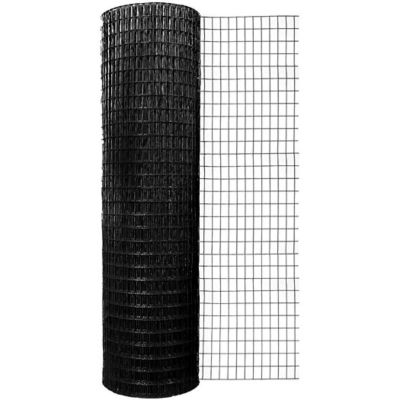
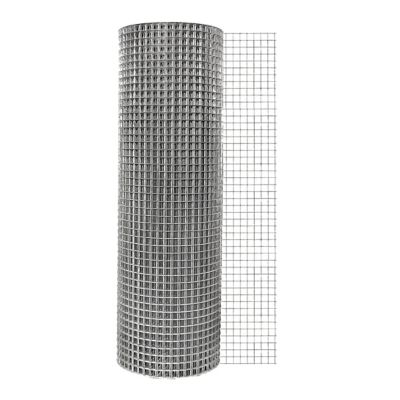
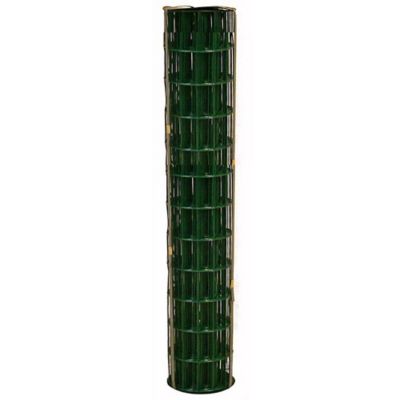
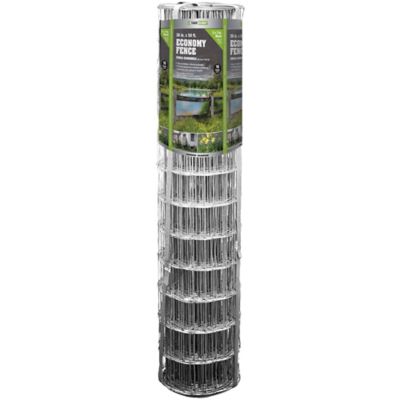
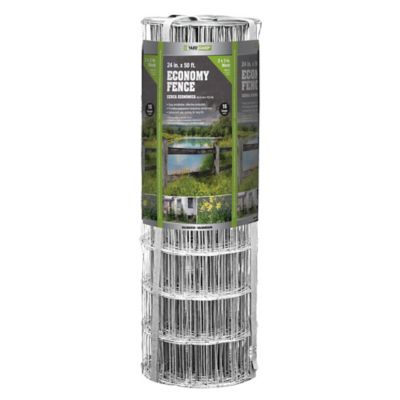
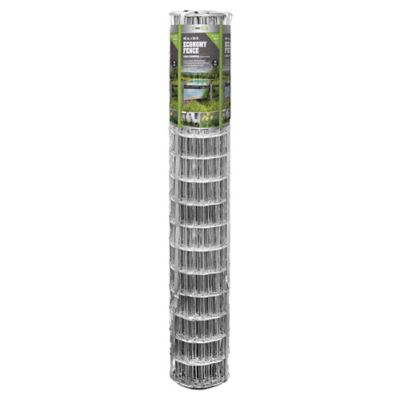
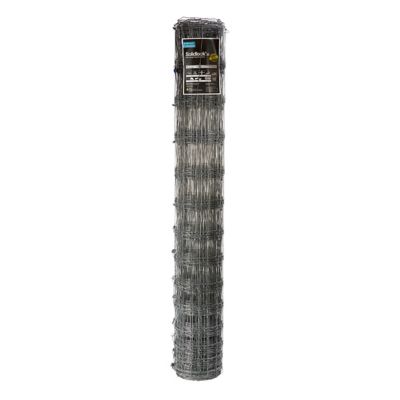
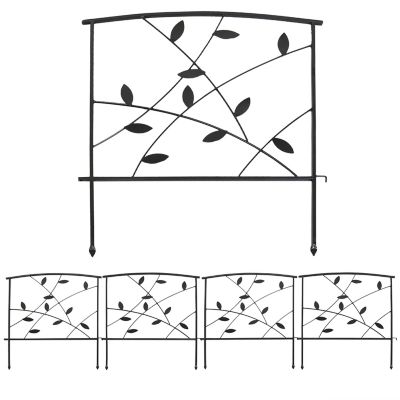
Fence rolls are lengths of fencing material packaged in a roll for enclosing yards, gardens, animal runs and stretches of farm property. Common types include welded wire, woven wire, hexagonal chicken wire, chain-link fabric and plastic mesh, with different strengths, opening sizes and installation needs. Galvanized steel has a zinc coating that helps resist rust, while vinyl- or PVC-coated wire adds an outer covering over the metal. Coating condition matters, especially around cut ends and attachment points where exposed steel can begin to corrode. Welded wire has intersecting strands joined at each crossing, creating a grid that suits many garden boundaries, pet areas and small-animal enclosures when the wire size and openings match the job. Woven field fencing has strands connected by knots rather than welded intersections, allowing some movement along a properly tensioned fence line. Different knot styles offer different amounts of give, so the construction matters as much as the overall dimensions. Hexagonal poultry netting is light and easy to shape around a small pen or planting bed, but ordinary chicken wire alone is not a strong barrier against determined predators. Smaller-opening steel mesh can help close gaps around an animal enclosure, though wire thickness and secure attachment still matter. Chain-link fabric forms a diamond pattern and works with a matching framework, tension bars and fittings rather than simply fastening to a few posts. Plastic mesh offers a lightweight option for marking boundaries or protecting some plantings, but it is not a substitute for livestock fencing or a barrier for animals that chew, push or climb. Around a farmstead, the right roll might separate a vegetable patch from scratching hens, define a dog exercise area or fill the space between posts along a pasture. Each job calls for a balance of strength, visibility and spacing, not just a roll long enough to reach the other end.
Fence height, roll length, wire thickness and mesh opening size are the main measurements to compare. Height should suit the animal or boundary, including the way an animal behaves when something catches its attention on the other side. A quiet grazing animal and a dog that climbs fencing put very different demands on a fence line. Small openings near the ground can help contain young animals, while larger openings farther up may suit certain livestock applications. Spacing deserves particular attention wherever a hoof, head, horn or paw could become trapped. For many steel fencing wires, a lower gauge number indicates thicker wire, but gauge alone does not tell the whole story. Steel grade, tensile strength, knot design and weld construction also affect how a fence handles pressure. Comparisons are most useful between materials measured under the same sizing system, with the manufacturer's specifications filling in the details. Roll length helps establish how much ground a section can cover, but corners, gates, overlaps and changes in direction all affect the amount a project requires. Roll weight matters, too, particularly when the fence line lies beyond vehicle access or the material needs to travel through a narrow gate. A long roll may reduce the number of joins across an open stretch, while shorter sections can be easier to manage around a garden, shed or irregular pen. Ground shape also influences fit. A fence that follows a gentle slope has different demands than one crossing dips, humps or a drainage channel. Stiffer mesh may leave gaps beneath it on uneven ground, while some woven constructions accommodate gradual changes more readily. For rabbits, digging dogs and predator protection, an aboveground barrier may need a separate ground-level solution, such as a securely attached mesh apron, selected for the animal and site. A sound fence layout accounts for the whole enclosure, including the spots behind a water trough, beside a gatepost and beneath the lowest strand.
Posts, braces, fasteners and gates help a roll of fencing do its job. A strong stretch of mesh can still sag or pull loose if the supporting structure does not match its tension and weight. Corner and end assemblies carry much of the load in tensioned wire systems, while line posts support the span between them. Welded wire, woven fencing and chain-link fabric have different stretching and attachment requirements, so matching the installation method to the material helps preserve the intended shape. Fasteners should suit both the fence coating and the post material, without leaving sharp ends where animals rub or people reach through. Gate openings deserve the same attention as the fence itself, with secure latches and gaps suited to the animals inside. For projects that combine rolled mesh with individual strands,
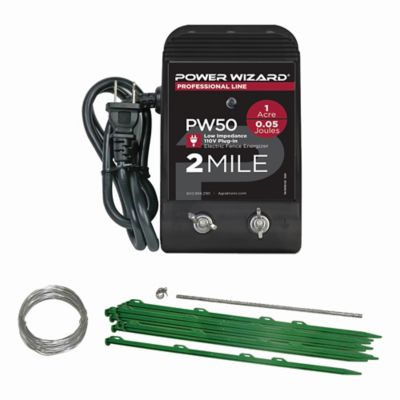
Fence Wires covers related materials for separate fence lines and compatible supporting applications. Plain wire, barbed wire and electric fence wire have distinct purposes and are not interchangeable; barbed wire is generally unsuitable for horse enclosures, and electric fencing requires a compatible energizer, grounding system and animal-appropriate layout. Everyday care is mostly about catching small problems before they open a path through the boundary. Loose ties, broken welds, bent mesh, damaged coatings and spaces beneath a gate all deserve attention during routine property checks. Vegetation pressing into mesh can hide damage and make inspection harder, while direct contact with manure, fertilizer or unsuitable cleaners can shorten the life of some metals and finishes. Uninstalled rolls belong in a secure storage spot where they cannot tip, unravel or become a snagging hazard. Cut wire ends need particular care around feed areas, walkways and animal bedding. For acreage owners, gardeners and folks keeping poultry or pets, fence rolls offer a practical way to shape usable space without building a solid wall. The best fit keeps the intended animals and activities in mind, supports ordinary chores and leaves clear access for feeding, mowing, repairs and moving equipment through the property.