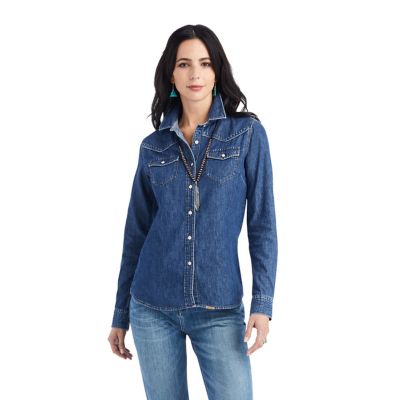
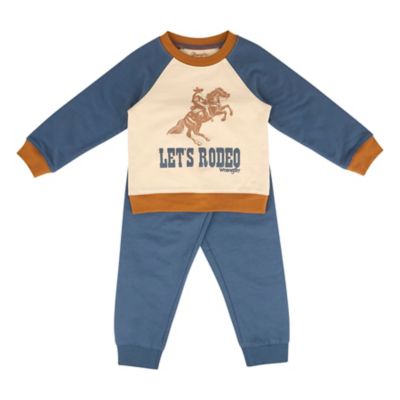
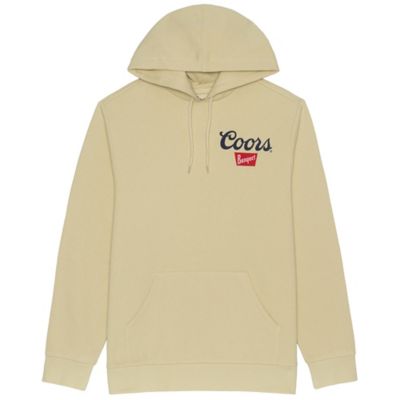
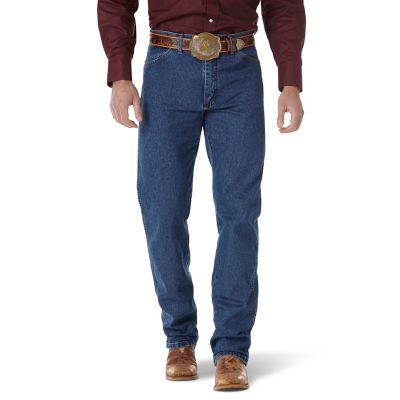
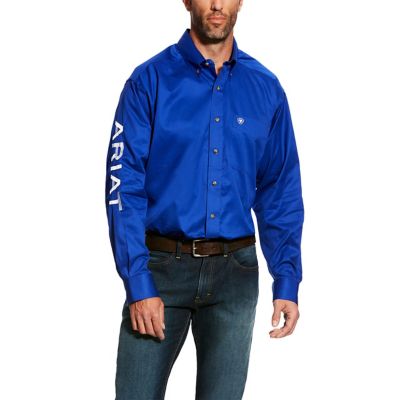
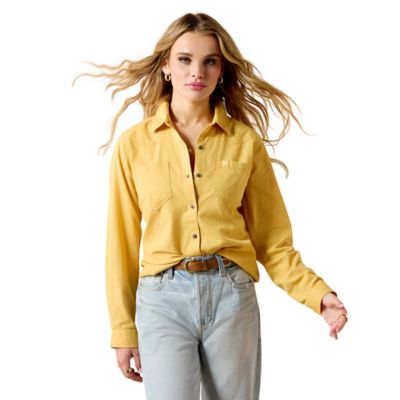
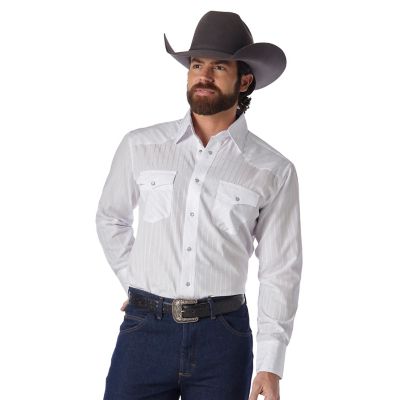
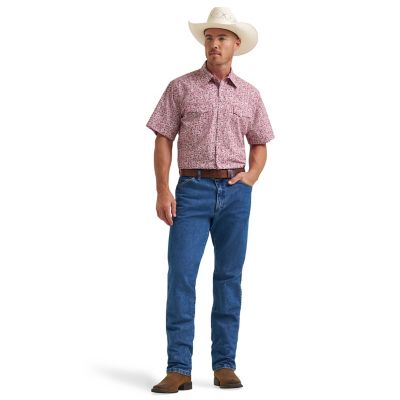
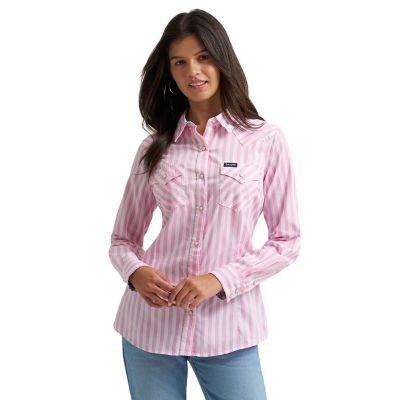
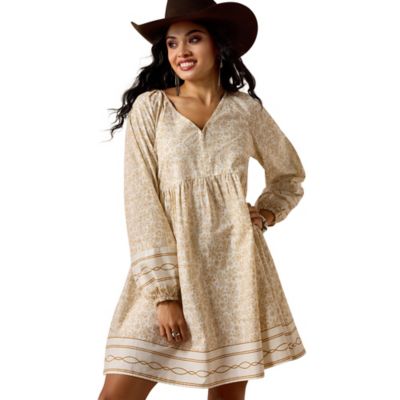
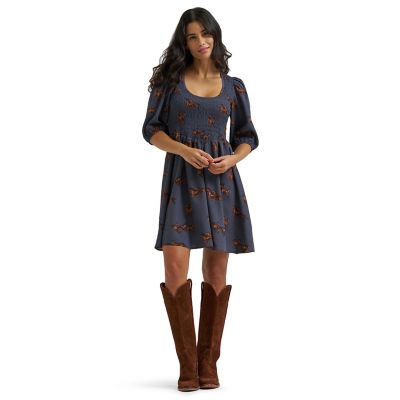
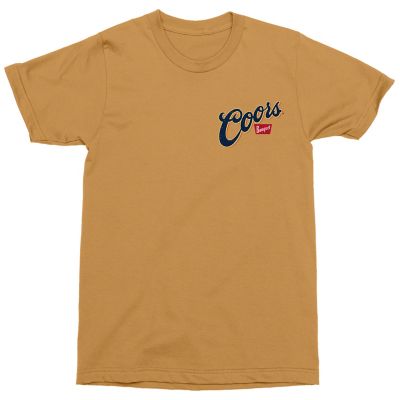
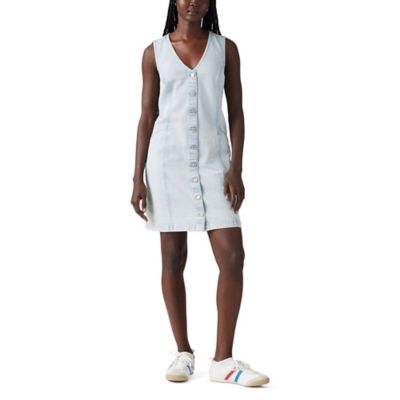
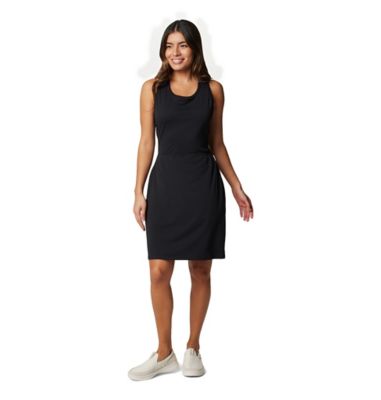
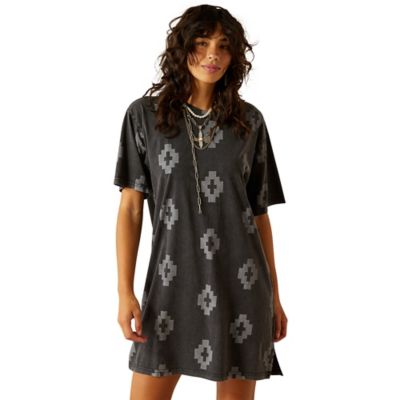
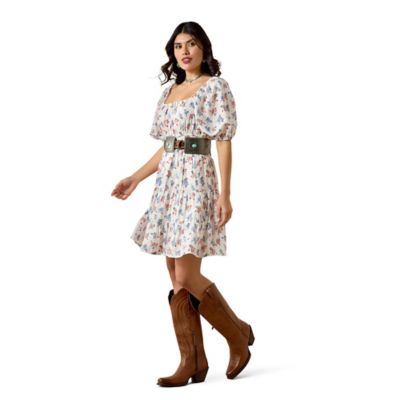
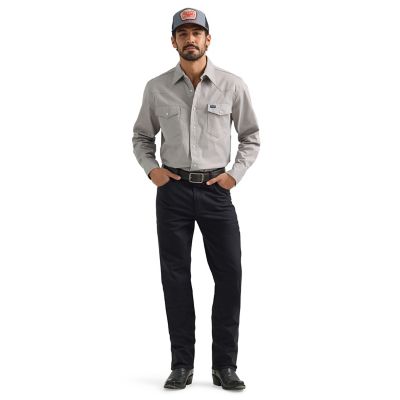
Rodeo outfits for ranch and rodeo weekends bring together western shirts, well-fitting jeans, cowboy boots, and accessories that feel at home around the barn or beside the arena. The right combination balances room to move, fabrics that stand up to regular wear, and a pulled-together look without getting too dressed up. Ranch chores, a seat in the grandstands, and an evening of two-stepping put different demands on clothing, but plenty of western staples can cross over between them. A collared shirt with a western yoke has a familiar shape that works tucked into denim, while a plain tee keeps things more laid-back when the occasion allows. Plaids, small prints, solid colors, and contrast stitching offer different ways to show some personality without building an outfit around every detail at once. Dark denim and a crisp shirt lean toward a polished arena look; softer washes and simpler tops feel easygoing for everyday ranch life. Western clothing for men, women, and kids shares those same roots, with different cuts and proportions helping each person get a comfortable fit. Someone spending the day around livestock may put freedom of movement and easy care first, while a spectator may care more about a favorite color, a shaped hat, or a belt buckle that finishes the look. Clothing meant for work deserves a closer look at construction and task suitability, rather than appearance alone. For families heading to a county rodeo or friends meeting up for a night at the arena, coordinated colors can bring outfits together without making everyone dress alike. The strongest combinations look natural on the person wearing them: jeans that sit comfortably, a shirt that stays put through ordinary movement, and boots that have enough room for a full day on foot. Western style has deep ties to ranch work, and that practical foundation is what keeps it from feeling like a costume.
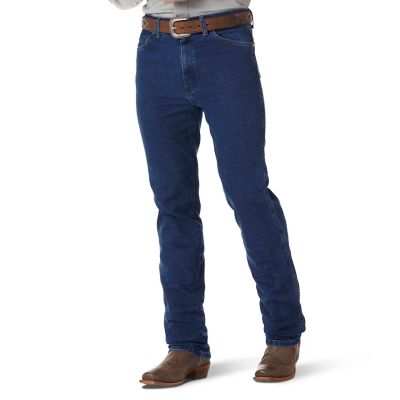
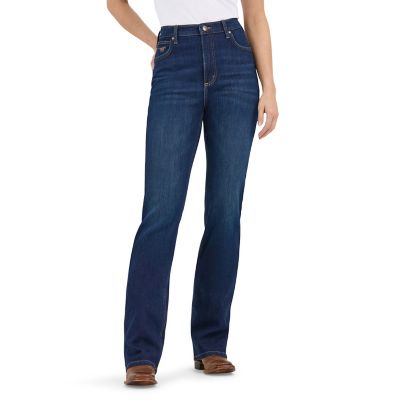
Fabric and fit make a noticeable difference once an outfit moves beyond the hanger. Cotton denim brings a substantial feel, while denim blended with a small amount of stretch can offer more give through the seat and knees. Fabric weight matters, too: heavier denim generally feels more structured, while lighter options may feel less restrictive for walking, sitting, and dancing. Neither weight nor stretch alone tells the whole story, so seams, pocket construction, and reinforcement at stress points deserve attention. Straight-leg and bootcut jeans create different lines over western footwear, and the leg opening should fall over the boot shaft without bunching excessively. Inseam length is worth checking while both standing and sitting; hems that look right barefoot may sit differently over a heel. A comfortable waistband should stay in place without digging in when seated on a bench or bending to pick something up. For anyone who rides, checking the fit in a riding position can reveal pulling through the thighs or a waistband that gaps at the back. Shirts need similar breathing room across the shoulders and upper back, especially when reaching for a gate latch or lifting feed. A longer shirttail can help a tucked shirt stay put, while an untucked style generally looks neater when its hem is designed for that purpose. Snaps and buttons give shirts different finishes, but their placement and ease of fastening matter as much as their appearance. Boots should fit the foot rather than depend on thick socks to fill extra space. Toe shape changes the look, yet comfortable toe room, a secure instep, and a heel that does not rub are more important for hours spent walking between parking areas, concessions, and the stands. Footwear for riding or ranch tasks also needs to suit the activity; a western look by itself does not establish that a boot is right for a stirrup or a particular job. Work requirements may call for features such as a safety toe or a suitable outsole, while riding calls for equipment selected with that purpose in mind.
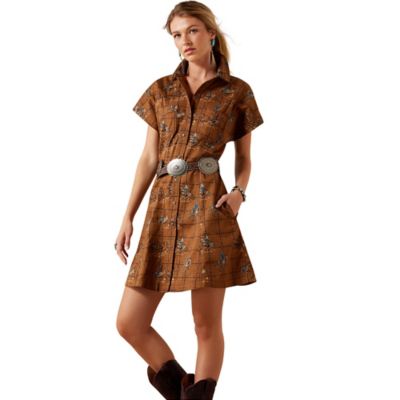
Finishing touches give western clothing its character, but they work best when they do not get in the way. A belt should fit comfortably through the jean loops, with enough adjustment for a tucked shirt and a buckle that sits well when seated. Tooled leather, braided textures, understated buckles, and brighter accents each bring a different feel, so one standout detail can be plenty. Hat shape and fit matter more than adding a hat just to complete the picture: the crown should feel comfortable, and the brim should suit how the hat will be worn. For riding, a western hat is not a substitute for a properly fitted equestrian helmet. The everyday appeal of
Ranch Style Rodeo Outfits comes from mixing familiar pieces in a way that fits the wearer’s routine, whether that means a straightforward ranch look or something a little sharper for the arena. Keeping those pieces in good shape starts with the care label. Denim and shirts can have different washing and drying needs, especially when stretch fibers, embroidery, or special finishes are involved. Closing fasteners before laundering and avoiding unnecessary dryer heat can help limit snags and changes in fit. Leather boots need care suited to their leather type; brushing away loose dirt before applying an appropriate cleaner or conditioner helps keep grit from working into the surface. Suede and smooth leather do not call for the same treatment, and hats also need cleaning and storage suited to their material. Those details matter when clothing moves regularly between ranch life and weekend plans. Western clothing and accessories can make thoughtful gifts for rodeo fans, riders, and family members who already enjoy the style, especially when sizing and personal preferences are familiar. A favorite jean cut, usual boot size, preferred buckle shape, or go-to shirt color offers a better starting point than guessing at a whole new look. With comfortable proportions, suitable materials, and a few well-chosen details, a rodeo outfit can feel just as natural leaning on a rail as heading out after the final event.