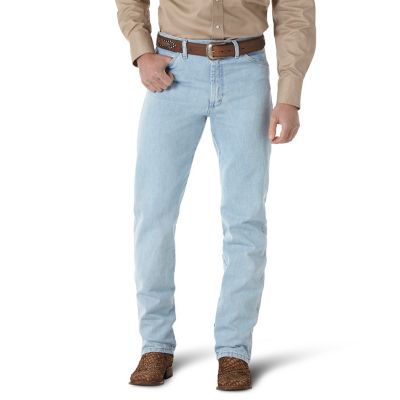
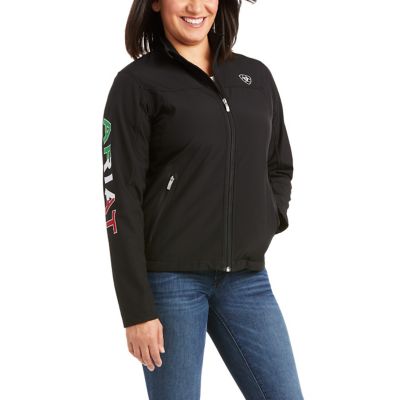
Ranch Style Rodeo Outfits
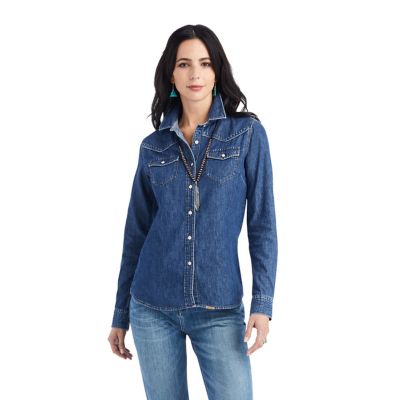
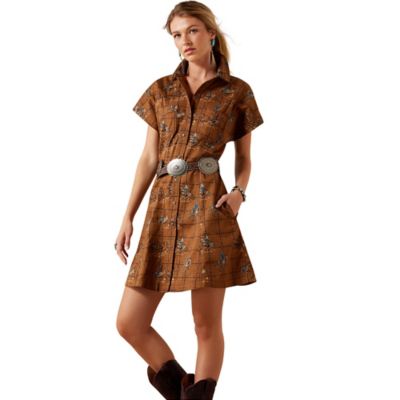
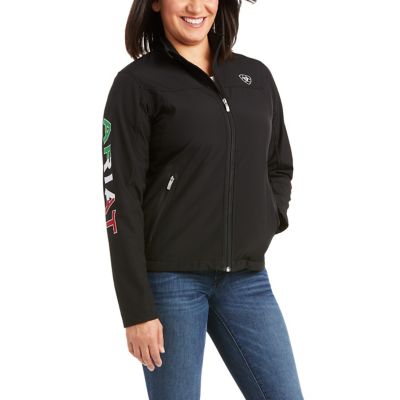
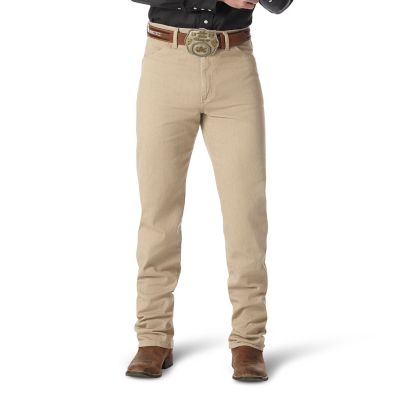
Ranch Style Rodeo Outfits bring together rugged charm and Western flair, perfect for folks who live life in the saddle or just love that classic cowboy look. Whether you're gearing up for a day at the rodeo, working out on the ranch, or heading into town, these outfits capture the spirit of country living with every stitch. Find everything you need to show off your Western pride and keep comfortable no matter where the trail takes you.


$44
.99
Sale Was $59.99 Save $15.00 (25%)


$37
.49
Sale Was $49.99 Save $12.50 (25%)

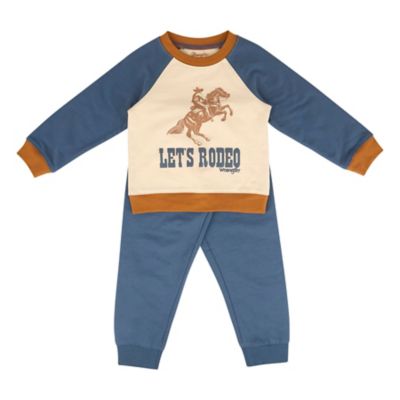
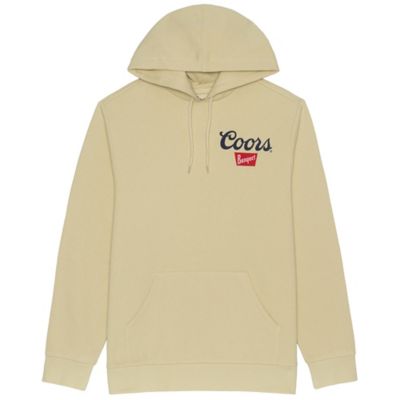
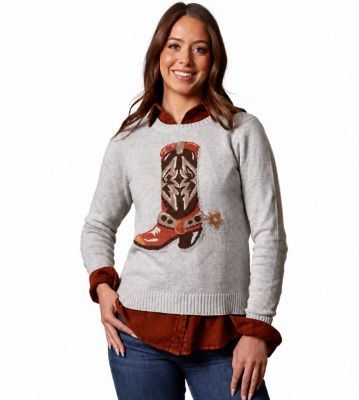
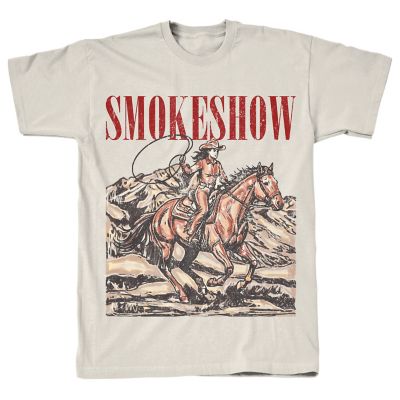


$29
.69
Sale Was $32.99 Save $3.30 (10%)
$40
.49
Sale Was $44.99 Save $4.50 (10%)

$53
.99
Sale Was $59.99 Save $6.00 (10%)


$40
.49
Sale Was $44.99 Save $4.50 (10%)

$62
.99
Sale Was $69.99 Save $7.00 (10%)

$49
.49
Sale Was $54.99 Save $5.50 (10%)
$48
.75
Sale Was $65.00 Save $16.25 (25%)

$41
.99
Sale Was $59.99 Save $18.00 (30%)

$34
.19
Sale Was $37.99 Save $3.80 (10%)

Best Of FAQ
What are the key features of ranch style rodeo outfits?
Ranch style rodeo outfits typically feature strong materials, classic Western designs, and practical details such as snap buttons, reinforced stitching, and comfortable fits. Common elements include plaid or denim shirts, boot-cut jeans, cowboy boots, wide-brim hats, and leather belts with eye-catching buckles.
How do ranch style rodeo outfits differ from traditional Western wear?
While both styles share Western influences, ranch style rodeo outfits are designed for both performance and practicality during rodeo events. They often incorporate tougher fabrics and added mobility for riding or roping, whereas traditional Western wear may focus more on everyday fashion or formal occasions.
What accessories complement a ranch style rodeo outfit?
Popular accessories for ranch style rodeo outfits include cowboy hats, leather belts with statement buckles, bolo ties, bandanas, and sturdy work gloves. Many people also add spurs to their boots or choose jewelry with Western motifs to complete the look.
Are ranch style rodeo outfits suitable for everyday wear?
Yes, many people enjoy wearing ranch style rodeo outfits as casual attire due to their comfort and rugged appeal. The versatile pieces can be mixed with other wardrobe staples for a laid-back yet stylish look that works well beyond the rodeo arena.
What materials are commonly found in ranch style rodeo clothing?
Ranch style rodeo clothing is often made from strong fabrics like denim, cotton twill, flannel, and leather. These materials provide comfort and resilience needed for active use while maintaining the classic Western aesthetic.
Best Sellers


-
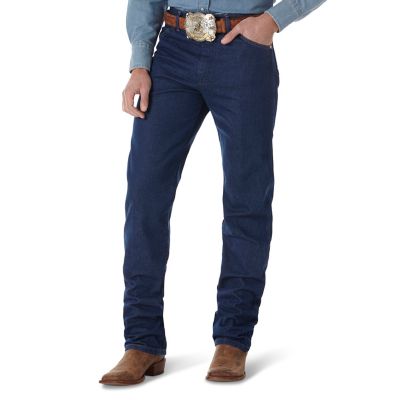
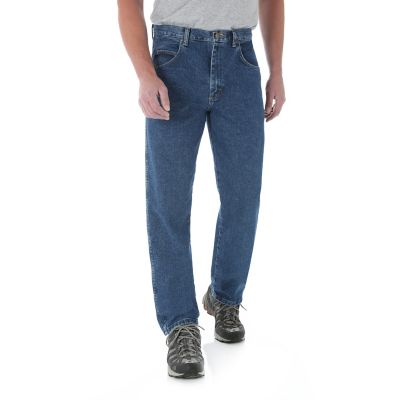
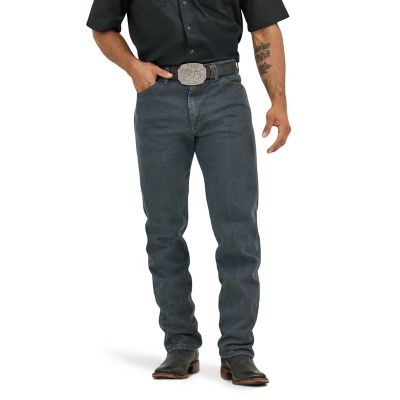
"The jeans are a great fit. The color is awesome. The best quality, Wrangler"
-
"Love the color, weight & style but medium was smaller than other Arita shirts along the shoulders & sleeves"
-
"super comfortable and looks cute on its anything. great material. not too thick and not thin at all"
-
"Love love love love love this shirt! It's the perfect cut to wear tucked in or out"
-
"I rarely have an issue with any of the items I have purchased in the past and love both the fit and function"