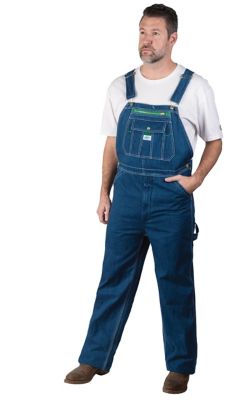
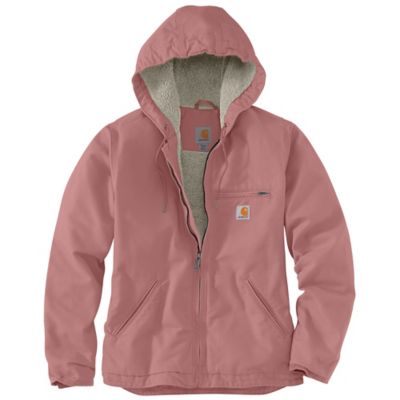
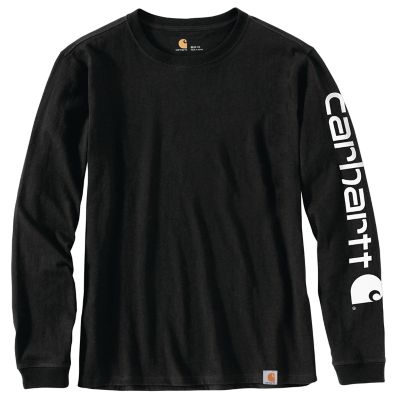
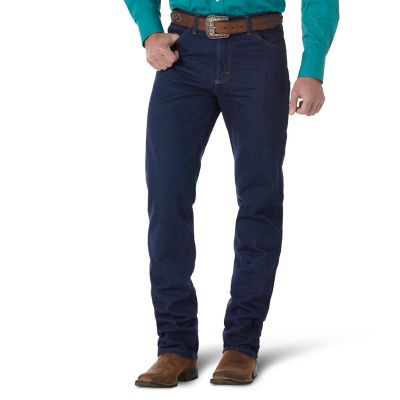
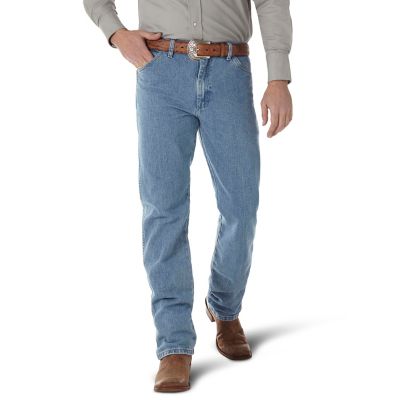
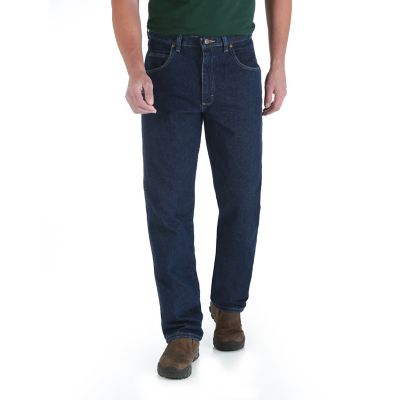
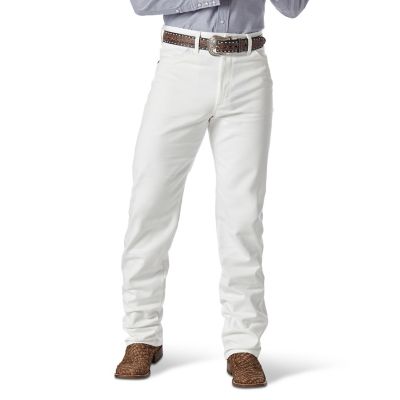
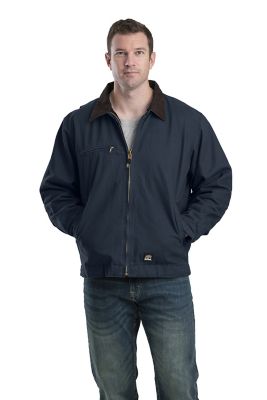
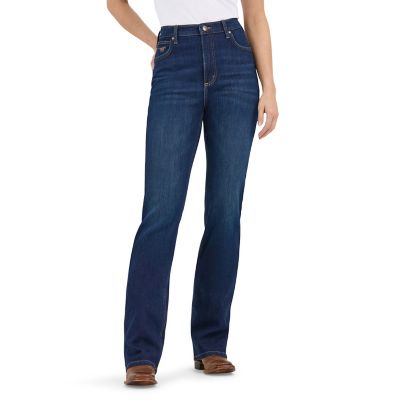
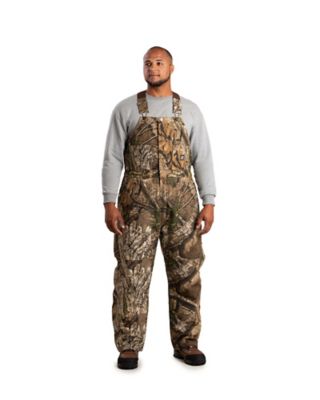
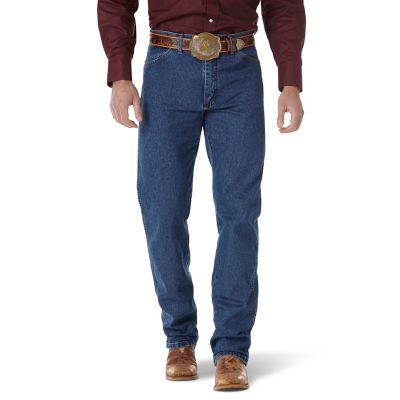
Comfortable workwear for ranch life has to feel right through more than a walk across the yard. A day might start with feeding livestock, move into fence repairs, and finish with hauling supplies back to the barn. Clothing that moves easily through those jobs helps keep attention on the work instead of a waistband that digs in or a shoulder seam that pulls every time an arm reaches overhead. Ranch workwear brings together practical fabrics, room to move, and details that stand up to frequent wear. Cotton offers a familiar feel against the skin, while denim and canvas provide a more substantial fabric for chores that involve kneeling, carrying, and brushing against rough surfaces. Fabric weight matters, but a heavier cloth is not automatically the best match for every task. Stiff material can feel restrictive when climbing into a tractor or swinging a leg over a saddle, while a lighter fabric may not provide the same resistance to abrasion. Blends with a little stretch can make bending and squatting easier without requiring an overly loose fit. Stretch panels, gussets, and shaped knees can also give clothing room to move where the body needs it most. Reinforced stitching around pockets and other stress points helps garments handle repeated pulling and movement, especially when those pockets carry small tools throughout the day. Smooth seams and softer interior finishes matter, too, particularly where clothing rubs under a belt or against the back of a knee. The best match depends on the work: feeding and handling animals call for easy movement, repair jobs put more demand on fabric and seams, and time in the saddle brings its own fit considerations. A broken-in feel can be welcome from the first wear, but comfort also comes from choosing the right cut and construction. For ranch owners, hired hands, and family members pitching in on chores, those everyday details make a real difference over hours of steady activity.
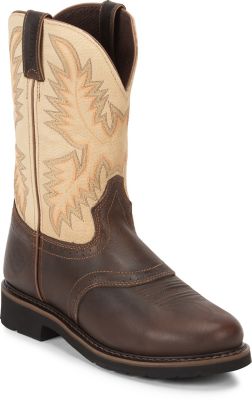
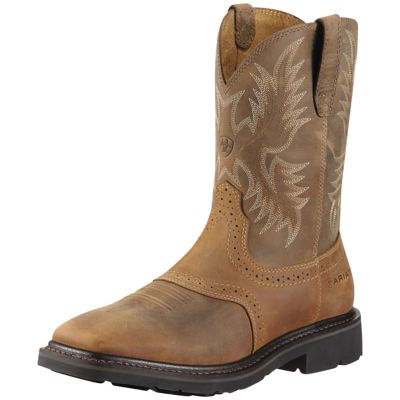
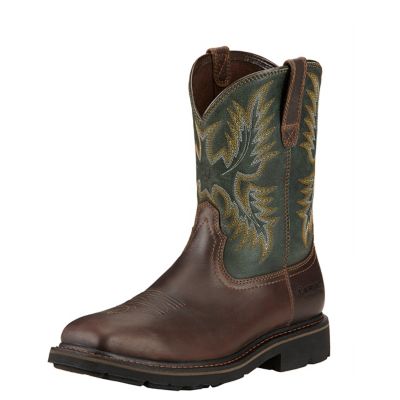
Fit is where comfortable ranch clothing earns its keep. Pants need enough room through the seat and thighs for stepping over a low rail, crouching beside a water trough, or climbing onto equipment, without extra fabric hanging where it can catch. A waistband should stay in place when bending, and the rise should provide comfortable coverage when seated. Inseam length matters with work footwear: hems that drag can fray, while pants that pull too far up when sitting can leave an awkward gap above a boot. Straight and relaxed cuts offer different amounts of room, and a stretch fabric can change how either one feels in motion. Shirts benefit from a similar balance. Shoulder room and sleeve length should allow a full reach without cuffs getting in the way, while a hem that stays tucked can be helpful for tasks that involve repeated bending. Some ranchers prefer an untucked fit for routine chores, but loose tails and open cuffs are not a good match for moving machinery. Pockets deserve attention beyond their number. A pocket that keeps a small tool within easy reach can save trips back to the truck, though a thick seam or loaded back pocket may feel uncomfortable during long stretches in a seat. Closures should be easy to manage, and pocket placement should suit the way the garment will be worn. Footwear and socks also shape how the whole outfit feels. Enough toe room, a secure heel, and soles suited to the working surface can support long hours on foot; any required protective features should match the job rather than the look of the outfit. Smooth-fitting socks help limit bunching inside boots. There is no single cut that suits every build or chore, so measurements, garment proportions, and the movement involved matter more than a size label alone. Everyday workwear should feel comfortable standing, sitting, reaching, and kneeling—not just while standing still in front of a mirror.
Regular care helps ranch workwear keep its fit, feel, and usefulness through repeated days of chores. Dust, feed particles, and bits of hay tend to settle into cuffs and pockets, so shaking out loose debris and emptying pockets before washing can keep that grit from traveling through the rest of the load. A forgotten fencing staple or screw can be hard on both fabric and laundry equipment. Care labels remain the starting point because cotton, stretch blends, and fabrics with special finishes do not all call for the same treatment. Washing and drying settings can affect shrinkage, color, and elasticity, and excessive dryer heat can shorten the life of some stretch fibers. Giving stained areas attention according to the garment’s care directions helps avoid repeatedly washing an entire piece just to address one stubborn spot. Small repairs can also keep comfortable clothing in rotation: a loose button, an opening seam, or a worn pocket corner is easier to address before it becomes a bigger problem. Clothing with protective properties needs care that preserves those features, along with replacement when damage compromises its intended function. Having workwear that suits different tasks makes sense on a ranch, where checking cattle, fixing a gate, and heading to an arena may all be part of the same routine. Clothing for arena time can share the practical fit and familiar feel of chore clothes, with a little more attention to appearance;
Rodeo Outfits For Ranch Activities brings that connection into focus. Comfortable ranch workwear can also make a thoughtful gift for someone starting a ranch job, taking on more family chores, or spending more time around horses and livestock. Knowing their measurements, preferred fit, and usual tasks makes the choice more personal than guessing from appearance alone. Whether clothing is for daily feeding rounds or a full day of repairs, the aim stays straightforward: fabrics that feel good, a fit that allows movement, and practical construction that keeps pace with the work.