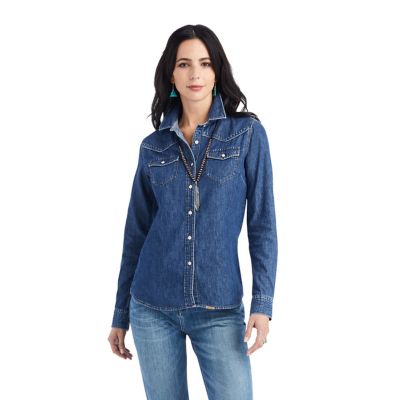
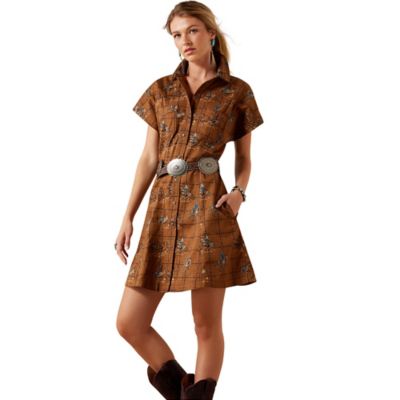
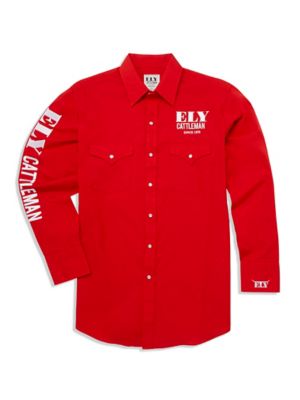
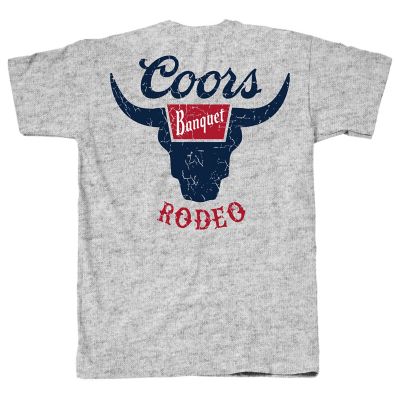
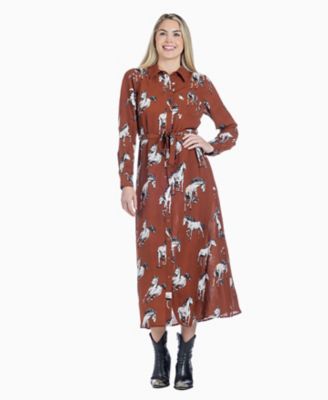
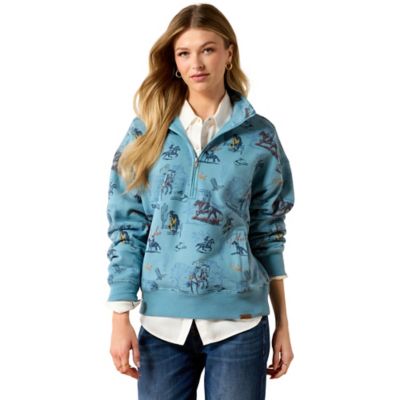
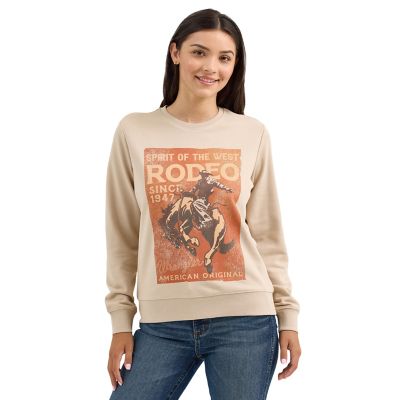
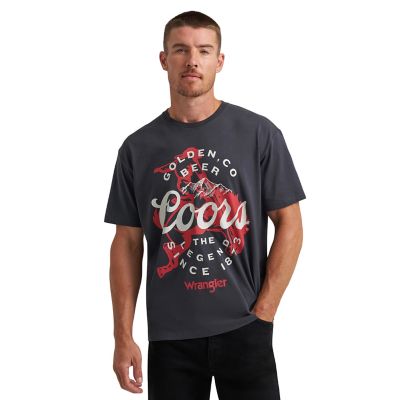
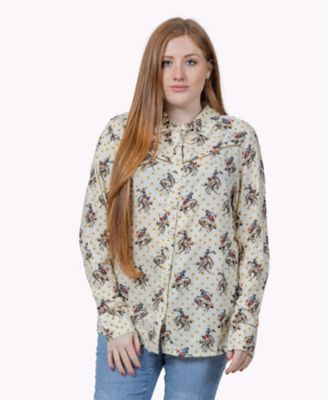
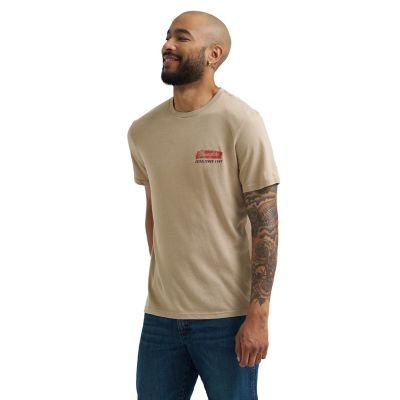
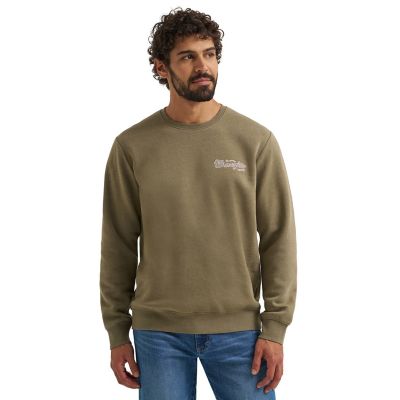
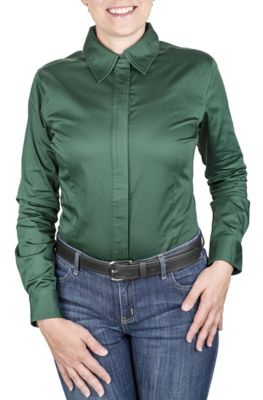
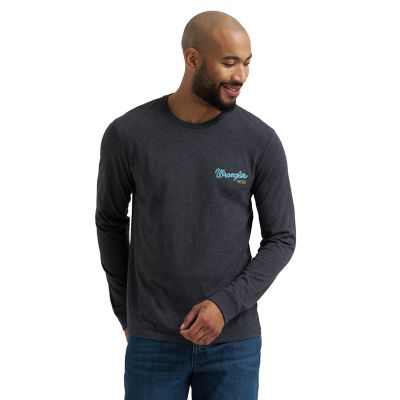
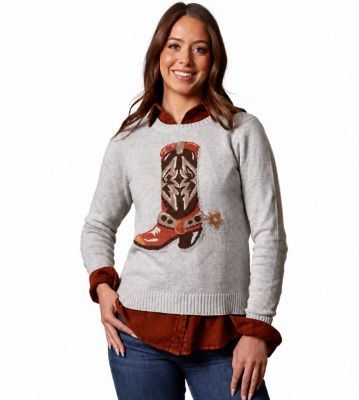
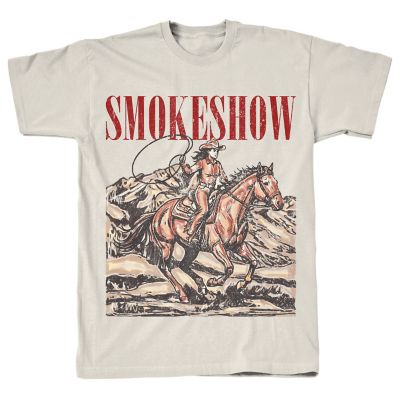
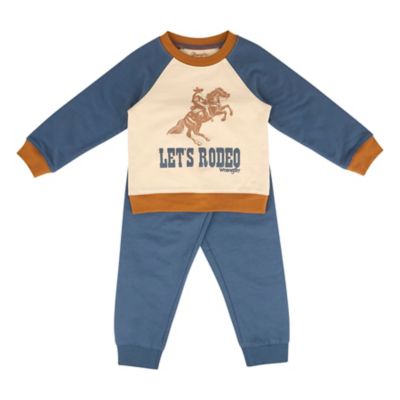
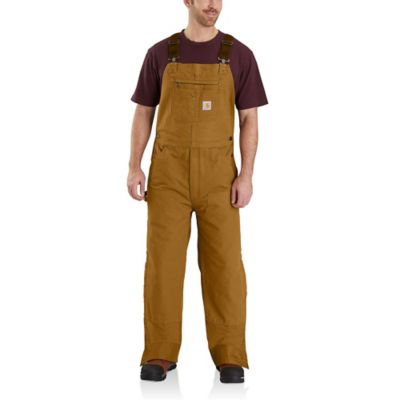
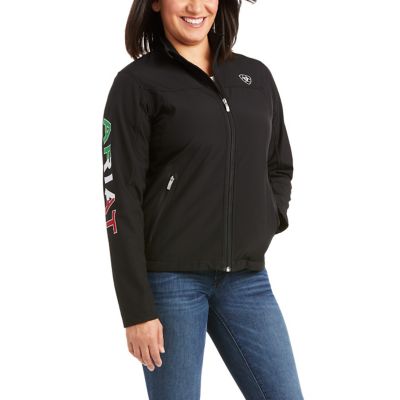
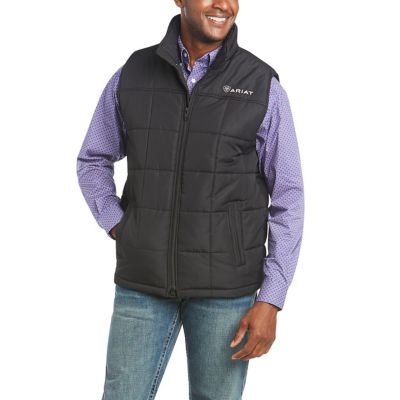
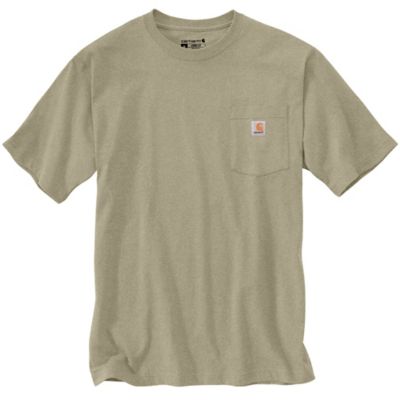
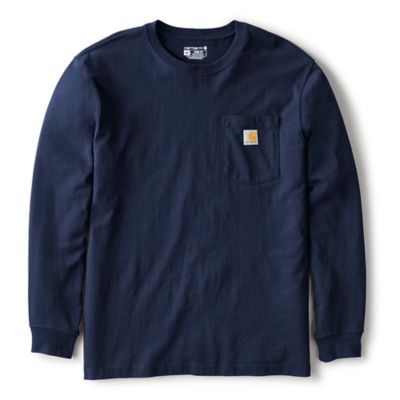
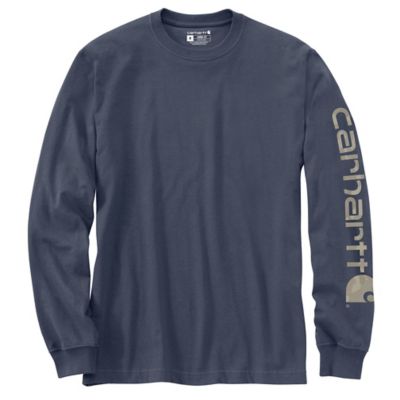
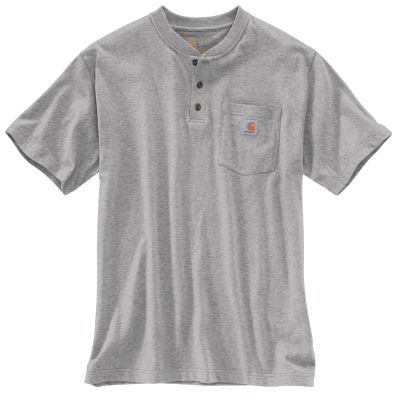
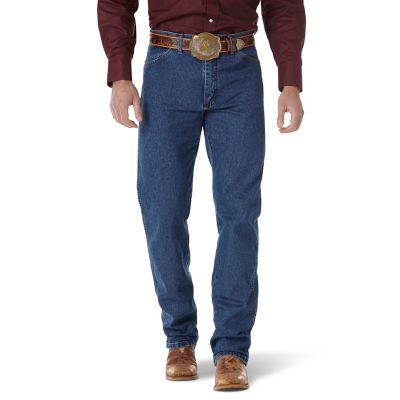
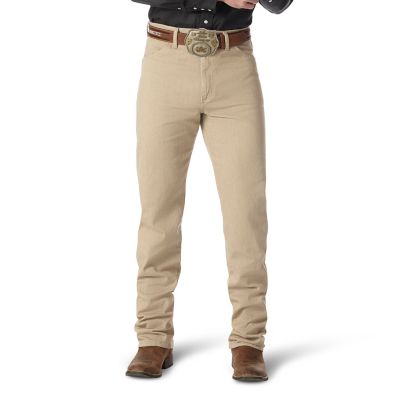
Rodeo outfits for ranch activities combine practical workwear with classic Western style, bringing together clothes and footwear that allow room to move and stand up to everyday chores. The look belongs as much beside a stock trailer or along a barn aisle as it does in the arena stands. Denim, woven cotton, leather, and stretch blends all have a place, with the right combination depending on whether the day involves riding, handling feed, checking fences, or watching family compete. Cotton shirts offer a familiar feel against the skin, while denim and canvas bring substance to clothing that sees frequent contact with saddles, gates, and rough surfaces. A little stretch can make bending and reaching easier, but fabric should still recover its shape rather than sag after a few hours. Fit matters just as much as material. Shoulder room helps when lifting a saddle or reaching across a gate, and enough length through the body helps a shirt stay tucked while sitting or bending. Sleeves should allow movement without hanging over the hands, and cuffs that fasten neatly help keep loose fabric out of the way. For anyone working around equipment, close-fitting layers and secured shirt tails make more sense than loose pieces that can catch. The strongest outfits feel settled from the start: no waistband digging in while seated, no seam pulling across the back, and no constant tugging to put everything back where it belongs. Western yokes, snap fronts, plaid patterns, and contrast stitching add character without needing much fuss. Those details can carry an outfit from a morning of ranch work to an afternoon at a local rodeo, especially when the underlying fit remains comfortable through both. There is no need for every piece to match perfectly; a consistent fit and a few familiar Western details often look more natural than an outfit that feels put on for show.
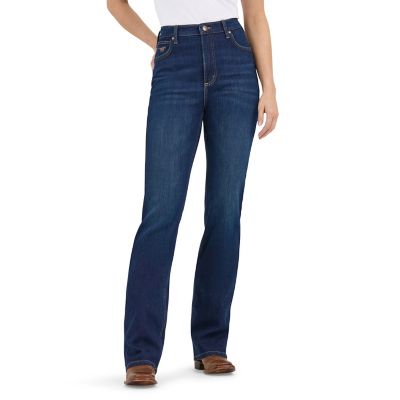
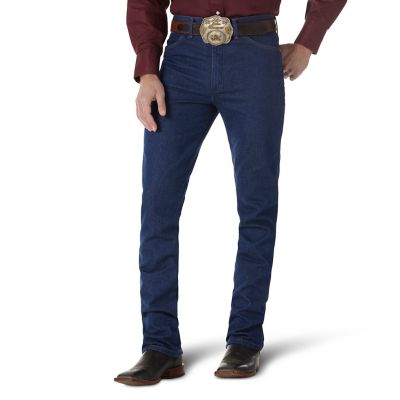
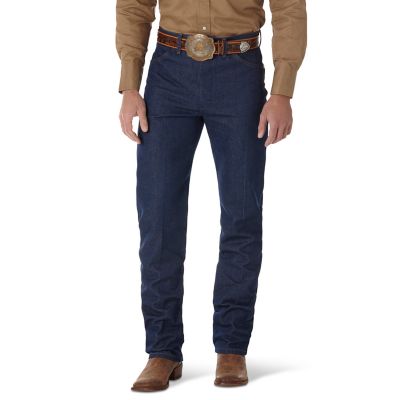
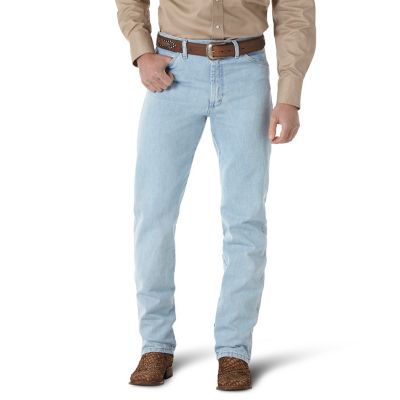
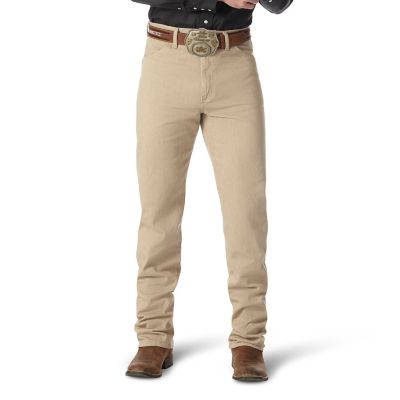
The lower half of a ranch outfit does plenty of the hard work, especially when the day alternates between walking, riding, and getting in and out of a truck. Jeans need room through the seat and thighs for a full stride and a comfortable position in the saddle, without extra folds bunching underneath the rider. Straight and boot-cut shapes offer different amounts of space through the lower leg, so the opening should work with the footwear rather than catch on the shaft or drag along the ground. A rise that stays in place while bending can make a bigger difference than an eye-catching pocket pattern. Fabric weight matters, too: heavier denim generally feels more substantial against rough contact, while lighter constructions and flexible blends may feel less restrictive during repeated movement. Reinforced stitching and well-secured pockets support clothing that regularly carries small essentials, though overfilled pockets can press uncomfortably while riding. Footwear brings another set of considerations. Leather can soften and develop character with wear, but comfort still starts with the correct size and shape. Toes need space, the ball of the foot should sit where the boot bends, and the instep should feel secure rather than squeezed. Some slight heel movement can occur in a new pull-on boot, but excessive slipping can cause rubbing. Trying footwear with the socks normally worn for chores gives a better sense of everyday fit. Riding also calls for footwear with a defined heel and dimensions appropriate for the stirrup; a broad work sole is not automatically suited to saddle time. Around livestock and equipment, protective features should match the hazards of the job. A Western hat adds familiar ranch character, but it does not take the place of a properly fitted riding helmet. Belts should hold clothing comfortably without a buckle pressing into the stomach when seated. Together, these details keep the outfit centered on what the wearer actually does, not just how it looks beside the arena rail.
Ranch clothing tends to earn its place through repeat wear, so care is part of the picture from the beginning. Denim and cotton garments can shrink, fade, or change feel depending on their construction and washing instructions. Turning dark jeans inside out and following the care label can help limit unnecessary fading, while fastening closures before washing can reduce snagging against other garments. Stretch fabrics deserve particular attention to drying directions because excessive heat can affect their shape and elasticity. Mud and grit left on footwear can work into creases and seams, making regular cleaning worth the effort. Leather care depends on the finish: smooth leather, suede, and other surfaces do not all respond to the same treatment, and cleaning or conditioning instructions should come from the maker. Letting footwear dry naturally away from direct heat helps avoid stressing the material. Small repairs, such as securing a loose button or addressing a seam before it opens farther, can keep a familiar piece in the regular rotation. These practical considerations matter for adults who work cattle, riders spending long stretches in the saddle, and younger family members learning their way around chores and arena routines. A wardrobe built around
Ranch Style Rodeo Outfits can also suit spectators and families who want Western character without dressing as though they are entering an event. For gifts, the wearer’s usual size, preferred rise, riding habits, and footwear fit are more helpful than guessing from appearance alone. Children need room to move, but oversized sleeves and dragging hems can get in the way around animals. Adults often appreciate familiar cuts that pair easily with clothing already in the closet. Whether the occasion is a first local rodeo, a ranch gathering, or another full day of chores, the best-fitting outfit feels like part of the routine: comfortable in motion, practical for the work, and unmistakably Western without trying too hard.