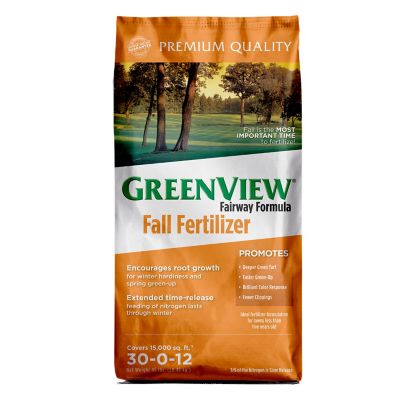
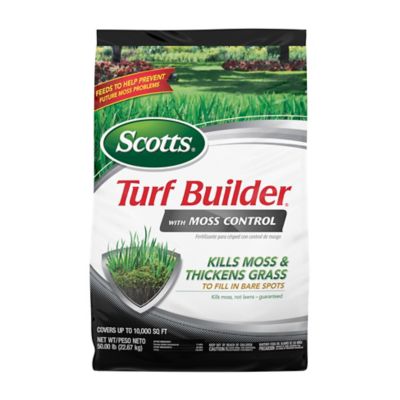
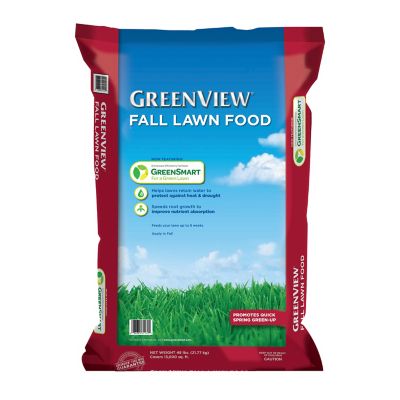
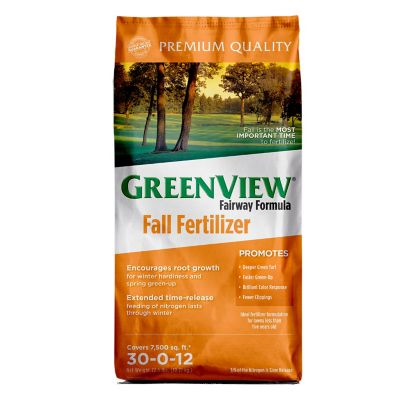
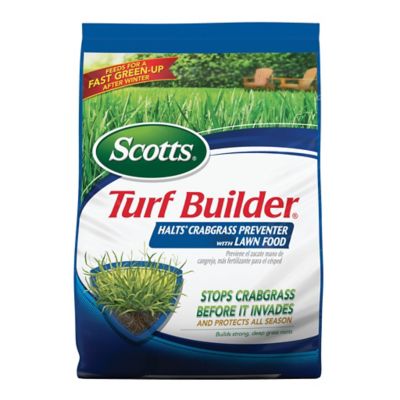
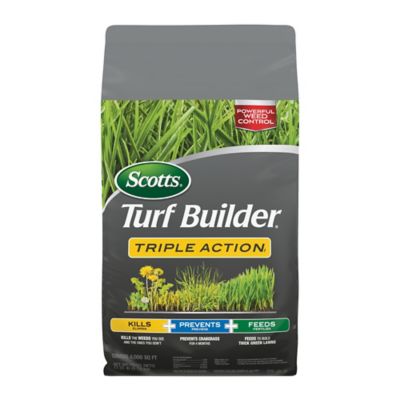
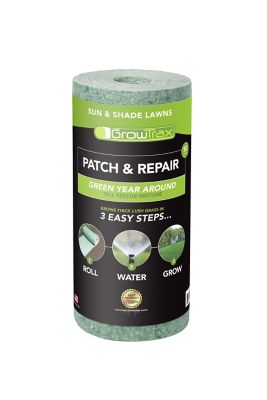
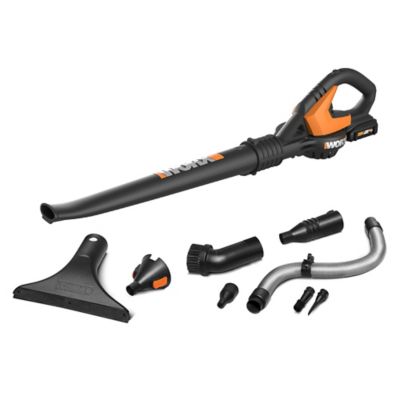
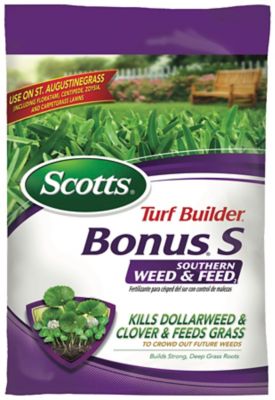
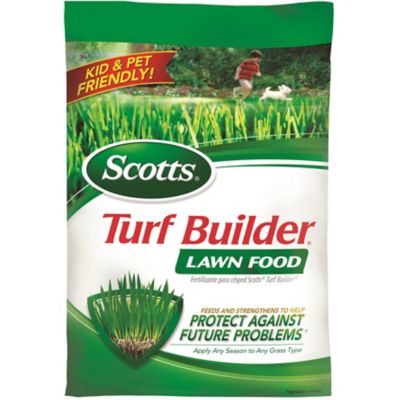
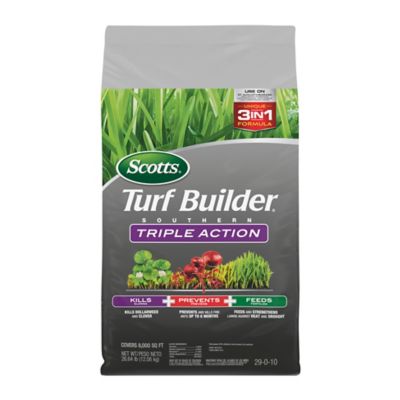
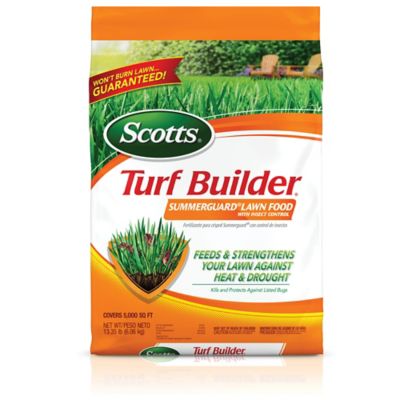
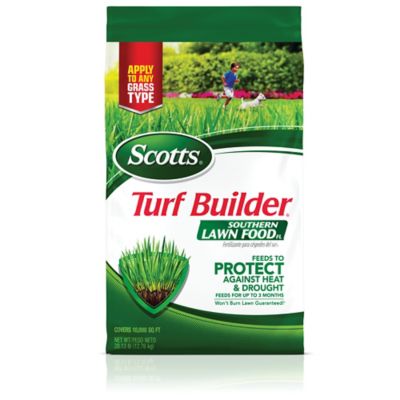
Winter lawn care starts with understanding what a yard needs when growth slows, foot traffic leaves a mark, and snow or steady rain changes the ground underfoot. A small patch beside the porch faces different demands than a broad lawn stretching toward a pasture fence, but both benefit from equipment and lawn treatments suited to the grass, soil, and conditions. Cool-season grasses can remain active in mild weather, while many warm-season lawns turn brown as they go dormant; that color change alone does not mean the turf needs feeding or replacement. Leaf cleanup tools, lawn spreaders, protective barriers, and turf repair supplies serve different purposes, so their intended use matters more than a one-size-fits-all approach. Heavy leaf mats can hold moisture against grass, while repeated trips across frozen or waterlogged ground can leave thinning spots along familiar shortcuts. Around a country place, those trouble spots often show up between the back steps and the shed, beside a gate latch, or where the kids cut across the yard. Lightweight cleanup equipment can make sense around flower beds and tight corners, while wider working widths and larger collection capacities better suit open stretches with plenty of room to turn. Lawn treatments need a closer look at grass type, soil conditions, and label directions, especially when the ground may freeze or runoff can reach a ditch, pond, or creek. A soil test provides useful background for choosing nutrients without assuming every brown patch needs fertilizer. Seed blends also differ in their tolerance for shade, traffic, and regional growing conditions. Products matched to the site help keep winter lawn care focused on protecting existing turf and addressing real needs rather than chasing green color at the wrong time. For homes with pets or children, application restrictions and reentry directions are another important part of the decision, along with keeping lawn care materials separate from feed, bedding, and play areas.
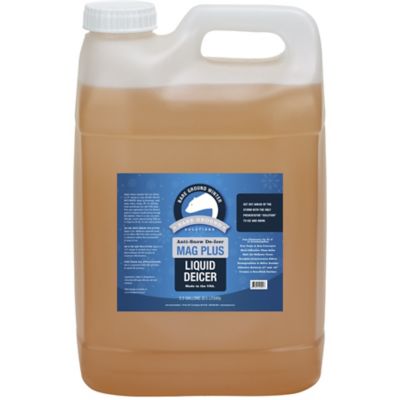
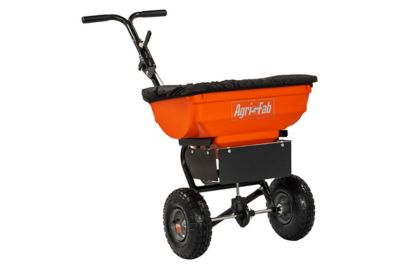
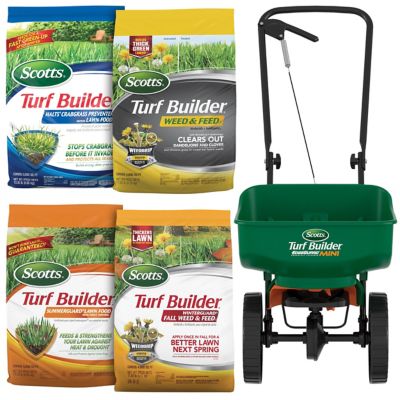
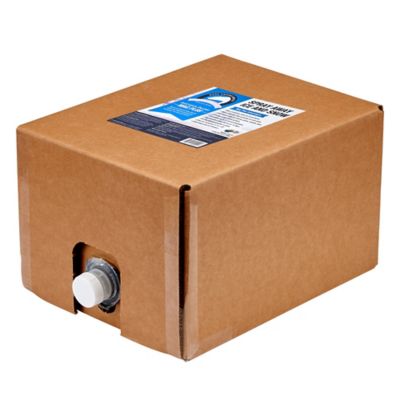
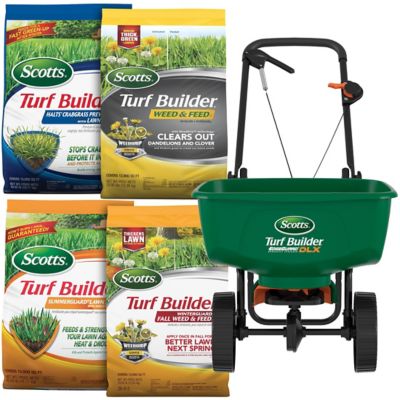
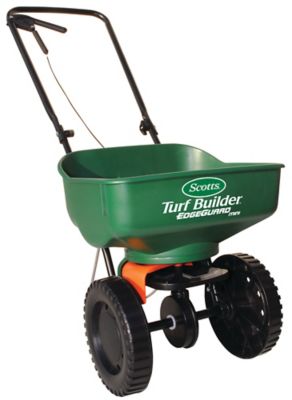
The way lawn care equipment is built makes a noticeable difference across a long fence line or a yard dotted with trees. Steel working parts offer stiffness for gathering heavier debris, while lighter polymer components can reduce the load carried from one end of the property to the other. Fiberglass, wood, and metal handles each have a different feel in the hand, and handle length affects how comfortably a person can work without bending over every few steps. A broad rake head covers ground quickly, but a narrower shape reaches between shrubs and along edging with less fuss. Grips with enough room for gloves are helpful when bare metal feels cold, and a balanced tool is easier to control around shallow roots or soft spots. For spreaders, hopper capacity is only part of the picture. Wheel size, tire tread, shutoff controls, and the ability to follow labeled application rates all affect how well the equipment fits the property. A large hopper can mean fewer stops, yet an oversized frame may be awkward through a narrow side gate or on a sloped lawn. Snow removal equipment deserves similar attention where driveways and walking paths meet grass. Blade edges, overall weight, and maneuverability influence how much control the operator has near turf, gravel, and uneven pavement. Snow piles and traction materials can affect adjoining grass, too; ice melt labels should be checked for directions and cautions involving vegetation, surfaces, pets, and runoff. No traction or melting material belongs on a lawn simply because it is suitable for a walkway. Simple care features matter after the job: smooth surfaces are easier to clean, accessible moving parts are easier to inspect, and hangable handles help keep equipment off a damp floor. Removing fertilizer residue and letting equipment dry before storage can help limit corrosion and keep controls moving freely. For properties with a long trip back to the barn, a cart with suitable load capacity and wheels that handle uneven ground can make moving cleanup materials less of a chore.
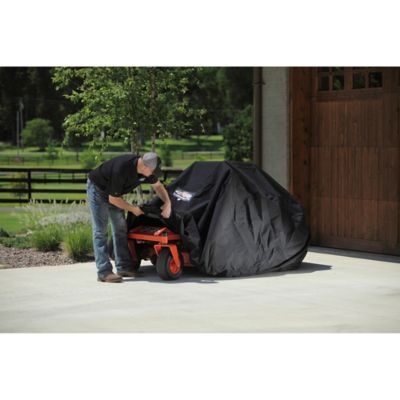
Comfort and practical fit round out a winter lawn care setup, especially for work that includes kneeling beside edging, carrying debris, or making repeated passes over open ground. Gloves need enough dexterity to operate latches and spreader controls without leaving fingertips cramped, while footwear should provide traction suited to wet grass, mud, or slick walking surfaces. Water resistance, insulation, and breathability serve different needs, so the best match depends on the task and how long a person expects to be outside. A quick cleanup near the house calls for a different level of coverage than an afternoon spent clearing a large yard after a storm. Clothing that allows easy movement at the shoulders and knees helps with bending and lifting, and removable layers offer flexibility when physical work builds heat. Equipment storage deserves the same practical attention. Covered, ventilated space helps protect handles, metal parts, and fabric gear, while secure storage keeps lawn treatments away from children and animals. Original packaging preserves application directions and safety information for the next job. Out in the yard, winter lawn care is often about restraint as much as activity. Frozen grass blades can be vulnerable to traffic, saturated soil can compact under wheels, and dormant turf may not recover quickly from repeated wear. Temporary barriers or a clearly defined walking route can help protect the stretch between the driveway and the porch without treating the entire lawn. Thin areas near downspouts, shaded corners, and plow edges may need different attention once conditions support growth, rather than the same treatment across every square foot. Planning for that next stage can include a look at
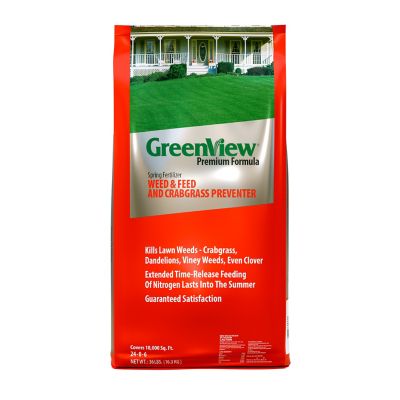
Spring Lawn Treatments, with choices guided by grass type, soil test results, and the condition of the turf. Keeping those needs in mind helps connect winter cleanup and protection with later lawn work, whether the goal is a tidy patch around the farmhouse, a smoother place for backyard play, or grass that holds up along the everyday routes across the property.