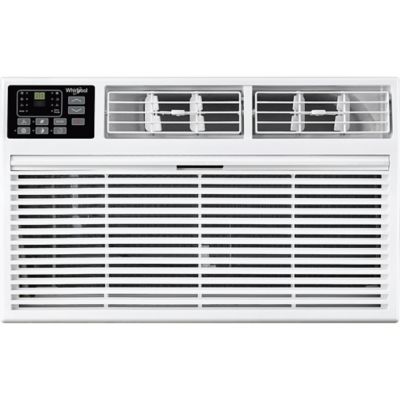
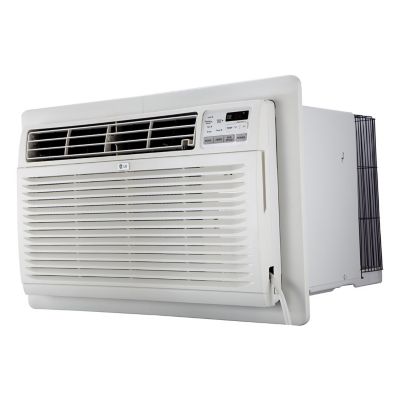
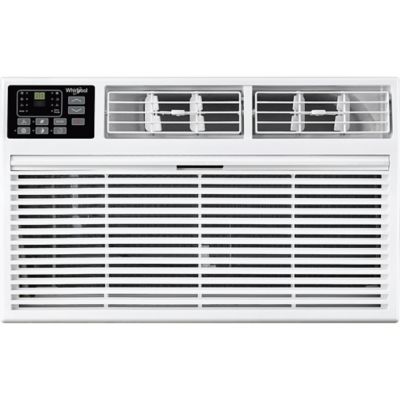
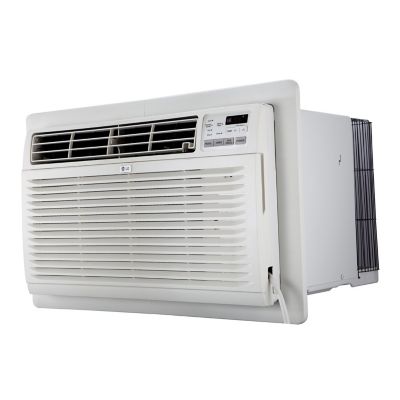
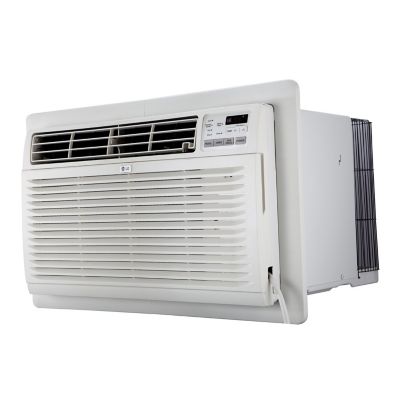
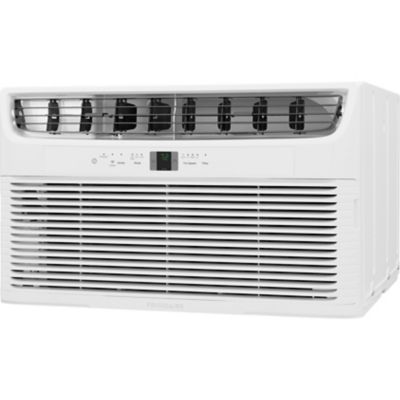
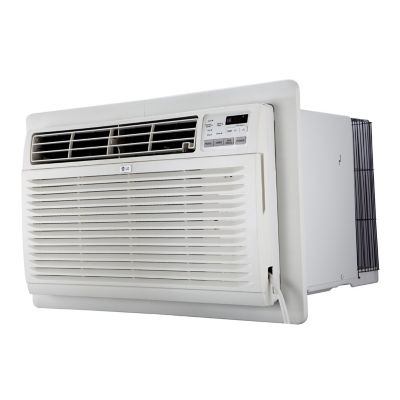
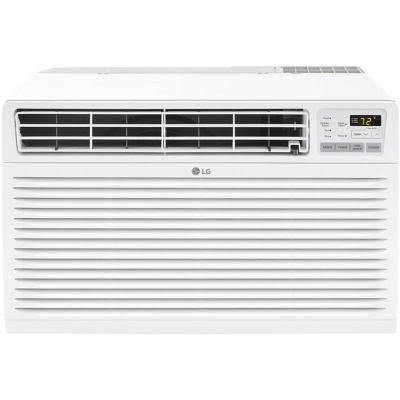
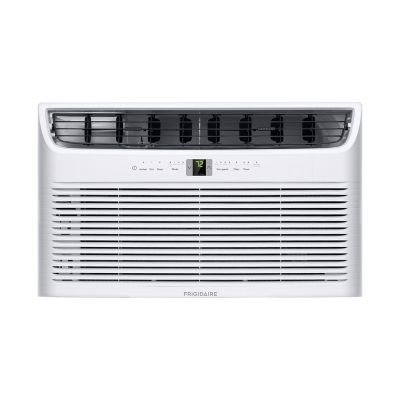
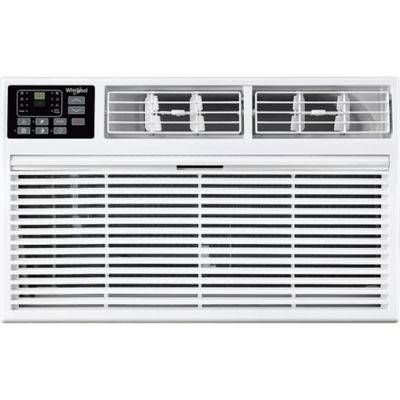
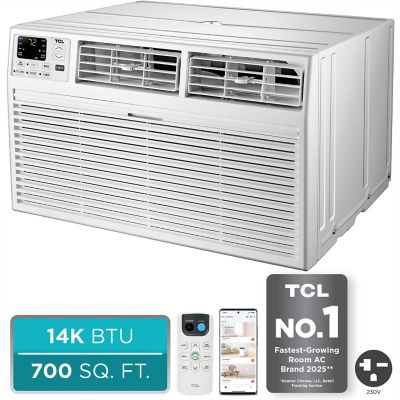
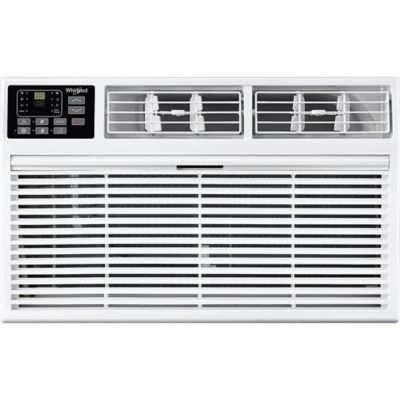
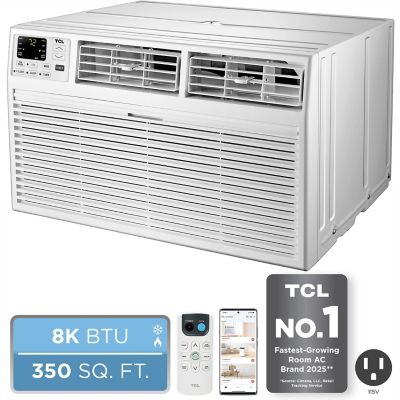
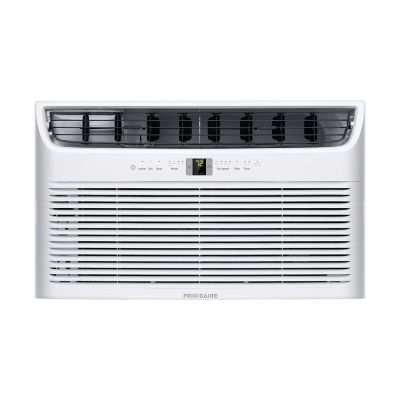
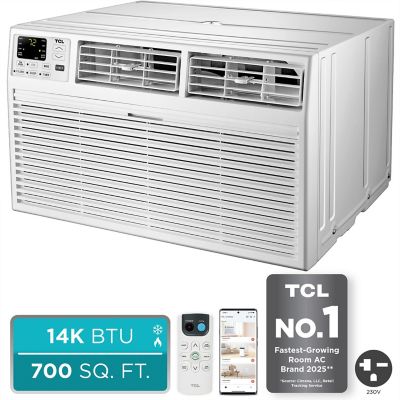
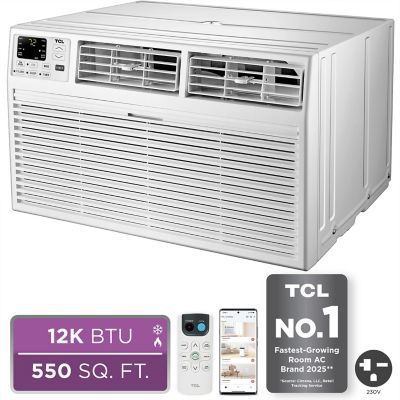
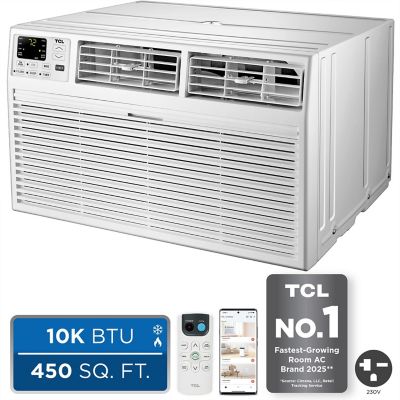
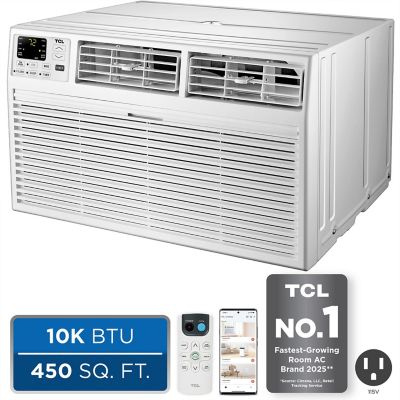
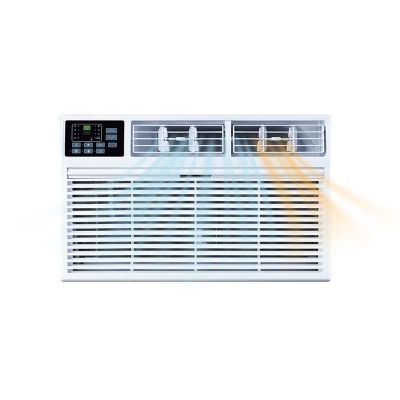
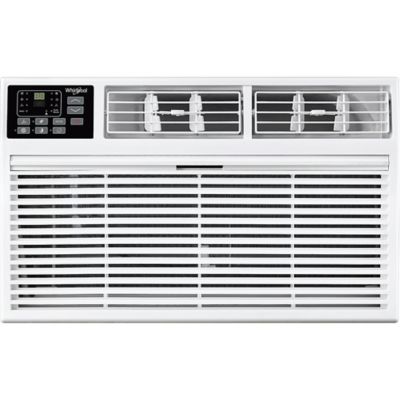
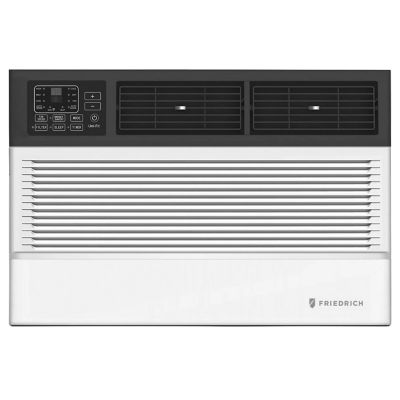
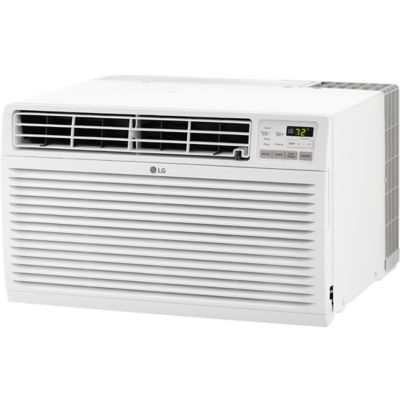
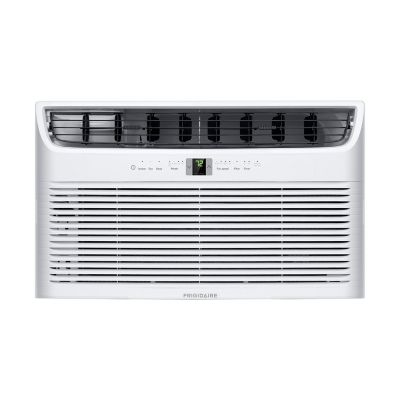
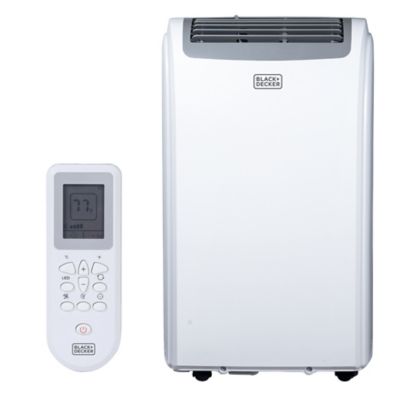
Through-the-wall units are self-contained room air conditioners that fit into an exterior wall opening, typically inside a compatible metal wall sleeve. They provide cooling without taking up a window, and models with heating capability can also bring extra warmth during cooler weather. The compressor, coils, and fan share one cabinet, so there’s no separate outdoor compressor cabinet to place beside the house. That setup makes through-the-wall air conditioners a practical fit for a bedroom, home office, enclosed porch, or finished addition where extending central ductwork would be a bigger project. Windows stay clear for daylight and views across the yard, while the unit has a dedicated place in the wall rather than a seasonal spot on the windowsill. For a farmhouse with an upstairs room that never quite matches the downstairs temperature, room-level controls offer a way to manage that space separately. A finished workshop office or guest room over an attached garage can benefit from the same arrangement, provided the space is enclosed, insulated, and suitable for the equipment. These units move indoor heat outside during cooling, and their rear-facing outdoor vents need an open path for airflow. Shrubs, stacked firewood, deep exterior trim, or a tightly enclosed area behind the unit can interfere with that process. Indoors, curtains and tall furniture need enough distance from the front grille to let air circulate. The appeal is straightforward: a fixed heating or cooling location, clear floor space, and comfort focused on the room where people spend time. Unlike portable air conditioners, through-the-wall units don’t need an exhaust hose stretched from the floor to a window. They also aren’t interchangeable with ordinary window units; cabinet dimensions, vent placement, and installation requirements differ. A wall sleeve supports the unit and helps form the boundary between indoors and outdoors, while properly fitted insulation, seals, and flashing help limit drafts and keep weather out. The finished installation matters just as much as the cooling equipment tucked inside it.
Room size is a starting point for comparing through-the-wall units, but square footage alone doesn’t tell the whole story. Cooling capacity is listed in British thermal units per hour, commonly shortened to BTU, and manufacturer room-size recommendations help connect that rating to the intended space. High ceilings, afternoon sun through broad windows, limited insulation, and heat from nearby appliances can all change the cooling load. A shaded bedroom with a low ceiling has different needs than a sunny addition overlooking an open pasture, even when their floor measurements match. More capacity isn’t automatically better: an oversized air conditioner may cycle off before it removes enough moisture, leaving the room cool but clammy. A unit that’s too small may run for long stretches without reaching the selected temperature. Fit also means matching the unit to the wall opening and sleeve, including width, height, depth, and the manufacturer’s approved installation arrangement. An existing sleeve isn’t necessarily compatible with a replacement unit just because the front dimensions look close. Wall thickness, rear grille design, drainage provisions, and the sleeve’s condition all affect the result. Metal sleeves need sound support, protection against corrosion, and installation that follows the specified slope or drainage arrangement rather than a guessed angle. Electrical requirements deserve equal attention. Through-the-wall air conditioners may require different supply voltages, plug configurations, and circuit capacities, especially when electric heat is part of the system. A nearby outlet doesn’t guarantee a suitable connection, and extension cords or plug adapters aren’t substitutes for the required electrical setup. A qualified installer or electrician can address a new wall opening, hidden wiring, structural concerns, and circuit requirements before equipment goes into place. For rooms without a suitable exterior wall location,
Room To Room Air Conditioners offers a related category to explore when comparing room-cooling arrangements. A fixed wall installation makes the most sense where the room needs a dedicated solution and the building can accommodate it without compromising support, weather protection, or airflow.
Everyday comfort comes down to more than the temperature shown on a display. Adjustable fan speeds and air-direction louvers can help spread cool air across a sitting area rather than send it straight at the nearest chair. Timers, sleep settings, remote controls, and electronic thermostats vary by model, but their value is easy to picture in a bedroom at night or a home office during a long afternoon. Sound ratings are worth comparing for quiet spaces because the compressor and fan are housed in the room’s wall, not far away on an outdoor pad. Energy-efficiency ratings and estimated energy-use figures provide another useful comparison when considered alongside cooling capacity and operating conditions. A well-sealed room, closed exterior doors, and clear airflow help the equipment do its job without fighting steady drafts. Heating features call for a closer look at the intended use: some through-the-wall units provide supplemental electric heat, while others use heat-pump operation, and performance limits differ. Supplemental heat may take the edge off a chilly morning in an enclosed room, but it shouldn’t be assumed to replace the home’s main heating system through freezing weather. Manufacturer operating-temperature limits and heating ratings help establish where that function fits. Care is mostly about keeping air moving and moisture draining where it belongs. Accessible filters make routine attention simpler, especially in homes where pets shed or dust travels in from gravel drives and chores outside. Washable filters need cleaning and drying as directed, while replaceable filters need the correct fit. The front grille can collect lint, and outdoor openings can gather leaves or windblown debris. Coil cleaning and service inside the cabinet should follow the manufacturer’s directions, with power disconnected before maintenance. A finished workroom is also different from an open shop full of sawdust or airborne spray; household room air conditioners aren’t substitutes for dust collection, ventilation, or equipment rated for demanding environments. With proper placement, a compatible sleeve, and regular attention to filters and seals, a through-the-wall unit can keep a frequently occupied room comfortable while leaving windows and walkways clear.