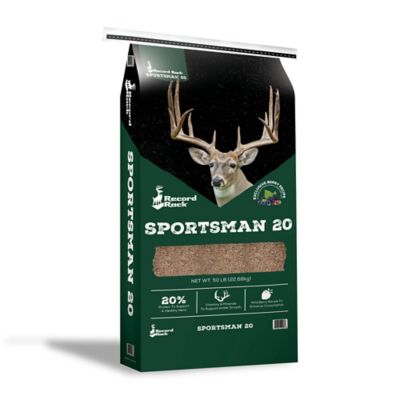
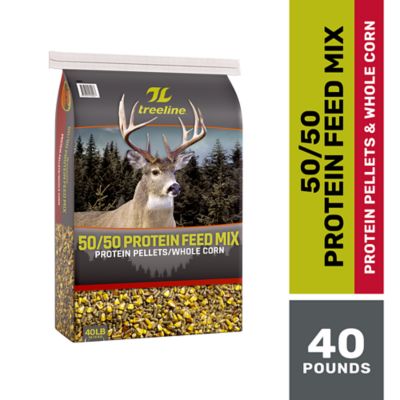
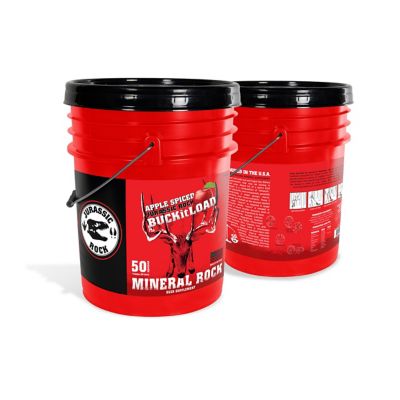
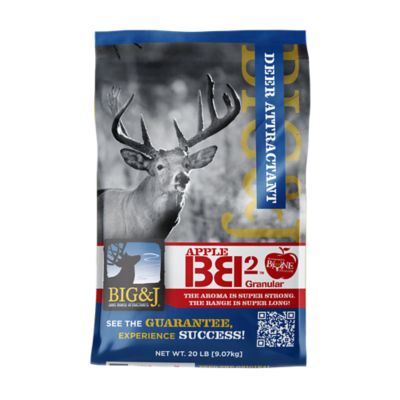
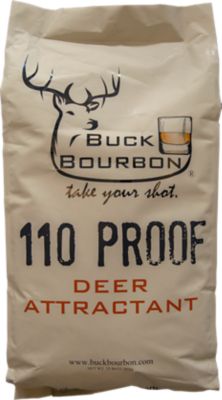
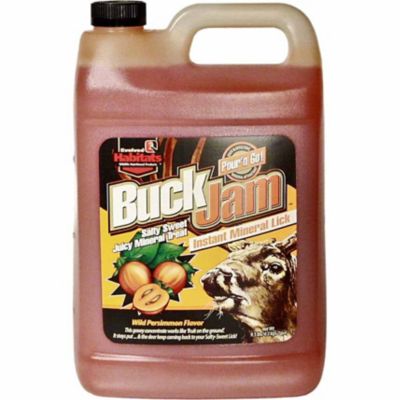
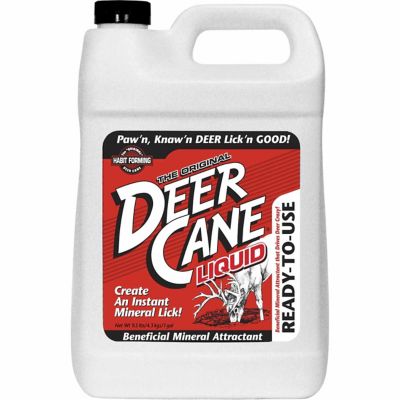
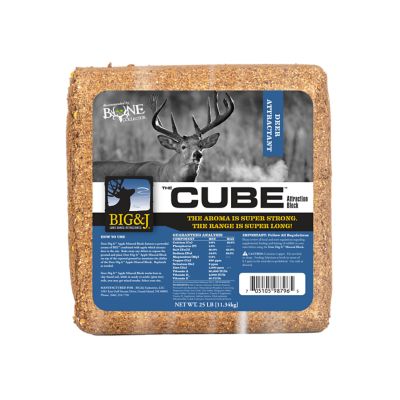
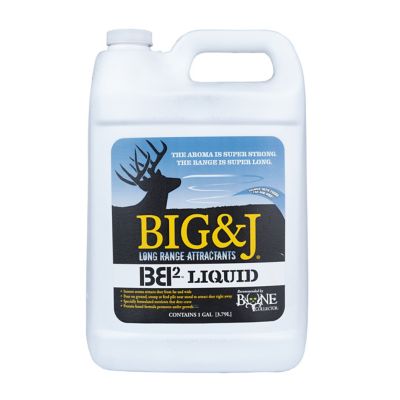
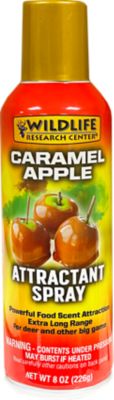
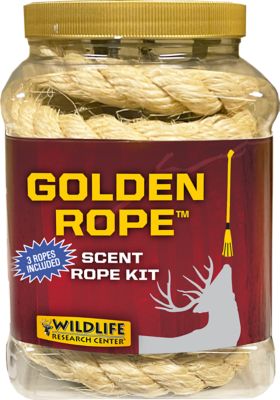
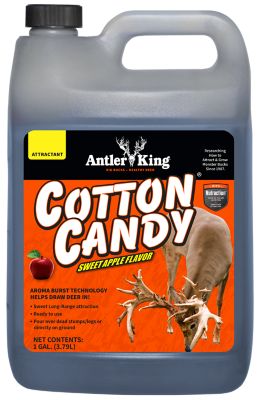
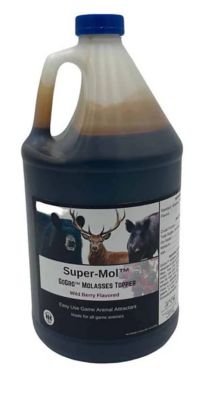
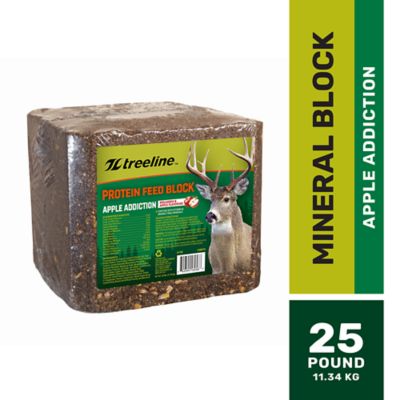
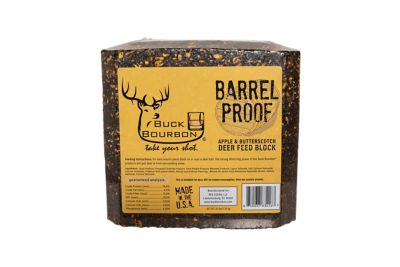
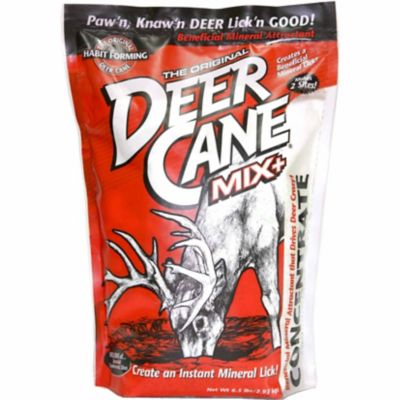
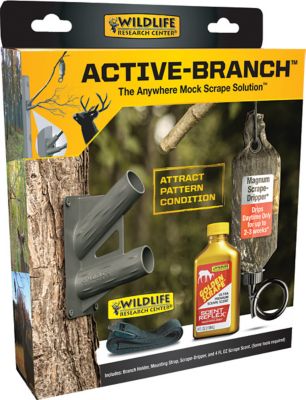
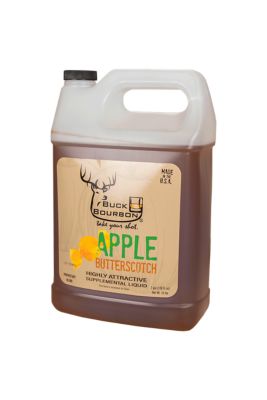
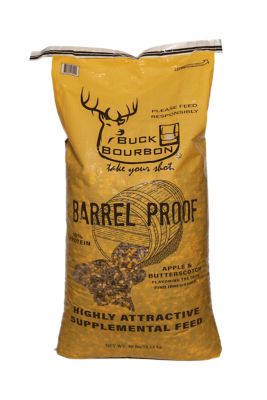
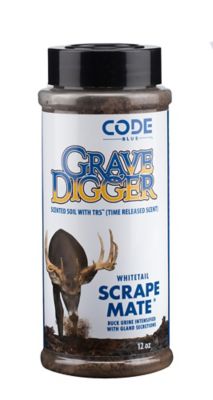
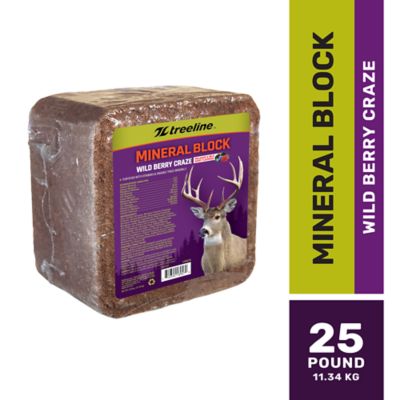
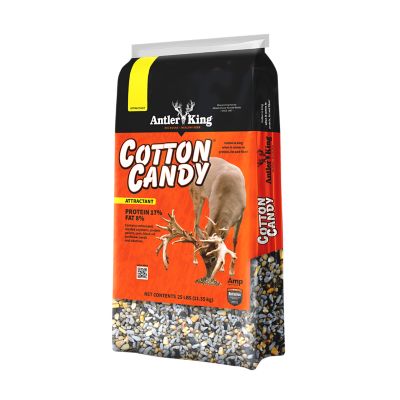
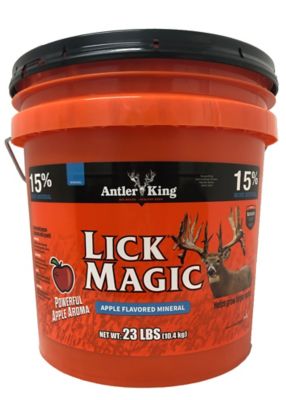
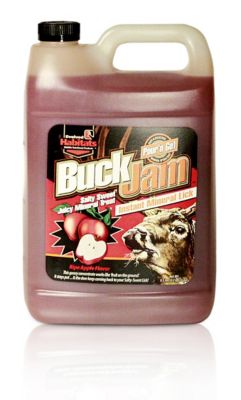
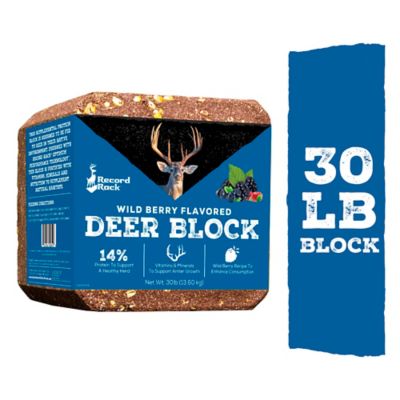
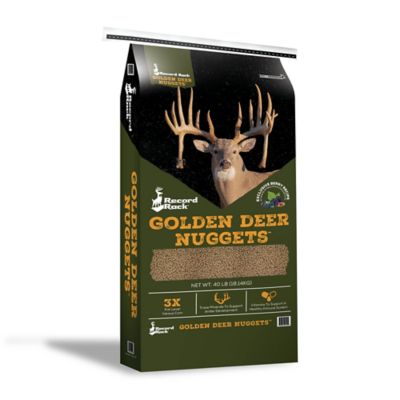
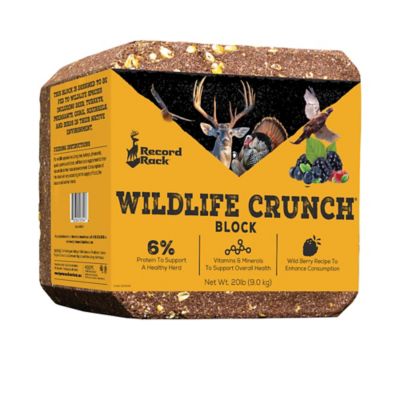
Wildlife attractants can help bring more activity to a chosen area for hunting, trail-camera observation or general wildlife viewing. These products may use food-based ingredients, mineral blends or scents that resemble familiar forage, giving animals a reason to pause, investigate and return. Deer are often drawn to grains, sweet aromas, fruit notes and mineral sources, while other wildlife may respond to different food smells or natural cover nearby. Before choosing an attractant, start with the species you want to see and learn what is legal in your state, county or hunting unit. Regulations can limit feeding, baiting, placement, timing and the types of attractants allowed, and rules may change depending on whether the goal is hunting, photography or supplemental feeding. Local wildlife agencies and conservation offices are good sources for current guidance. It also helps to consider the land itself. A quiet corner near a travel route, field edge or woodland opening may work better than an exposed spot in the middle of a busy pasture. Look for tracks, droppings, rubs, browse lines and trail-camera images to understand where animals already move. An attractant is most useful when it works with the habits of local wildlife instead of trying to pull animals across roads, toward buildings or into places where they could be harmed.
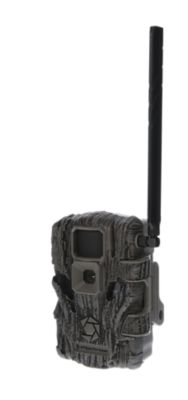
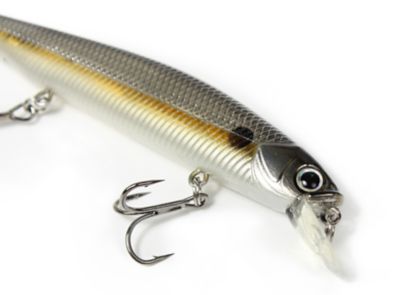
When comparing wildlife attractants, pay attention to the intended species, the form of the product and the conditions where it will be used. Dry blends and grain-based options are often easy to carry and spread, while liquid scents can be useful for marking a location or adding an aroma to nearby cover. Mineral-based attractants may appeal to deer during periods when their nutritional needs are changing, but they should be used only where permitted and according to the label. Read directions for application rates, placement and storage, and avoid assuming that more is better. A strong scent or oversized pile can create an unnatural concentration of animals and increase pressure on the area. Weather matters, too. Rain can wash away loose material, heat can change how scents travel and damp ground can affect how long an attractant remains noticeable. Secure packaging keeps moisture, insects and curious pets out between uses. If the attractant is intended for a trail-camera site, place it where the camera can capture a clear view without pointing toward a road or neighboring property. Hunters should pair attractant use with safe shooting lanes, a reliable backstop and careful attention to property boundaries. Wildlife watchers may prefer a discreet location away from homes, livestock and regular foot traffic. These items can also make a thoughtful gift for a landowner, deer hunter, outdoor photographer or trail-camera hobbyist, especially when chosen with that person’s property, target species and local rules in mind. Anglers shopping for related outdoor supplies may also find useful options among
Baits for Fisherman.
Attractants should be handled with the same common sense used for feed, trash and other materials that carry a strong food smell. They can draw the intended animals, but they may also attract raccoons, rodents, feral animals or larger wildlife that can become aggressive when food is easy to find. Never place an attractant where children, pets or livestock can reach it, and keep unused material in a tightly closed container in a dry shed, tack room or other secure space. Around homes and outbuildings, clean barbecue grills after each use, store pet food and water indoors when unattended, and keep garbage, compost and recycling in wildlife-resistant containers until pickup. Bird feeders can also attract bears and other unwanted visitors during active wildlife periods, so they may need to be removed or suspended well away from buildings. In bear country, extra care is essential: avoid creating a food source near a house, campsite, barn or livestock area, and follow local recommendations for bear-safe storage and attractant use. Keep a clean boundary around the site, watch for signs that a different species has moved in and stop use if animals begin approaching roads, porches or work areas. During the warmer part of the season and into the cooler months, natural food sources shift as crops mature, leaves change and mast becomes available, so animal activity may change along with them. Check the location regularly, respect nearby landowners and leave the area as clean as you found it. Used thoughtfully, wildlife attractants can support a more organized outdoor setup, improve trail-camera observations and add interest to time spent on the farm, acreage or hunting property without turning a useful wildlife site into a nuisance or safety problem.