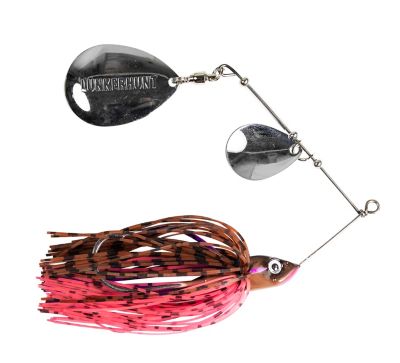
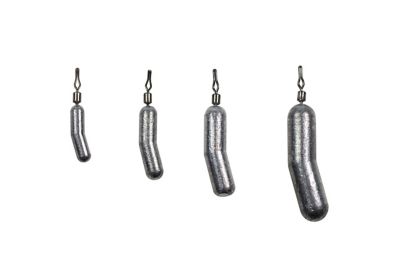
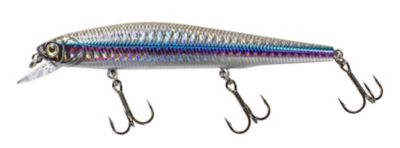
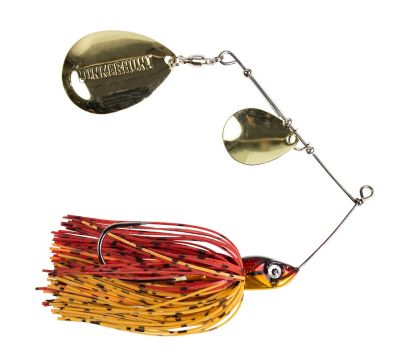
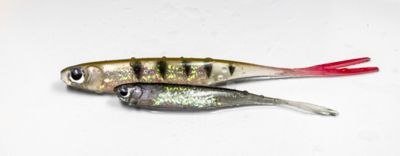
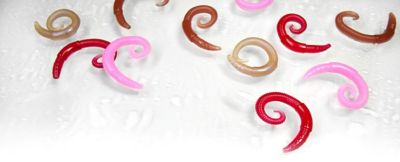
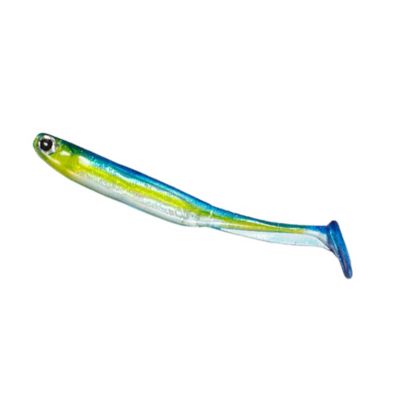
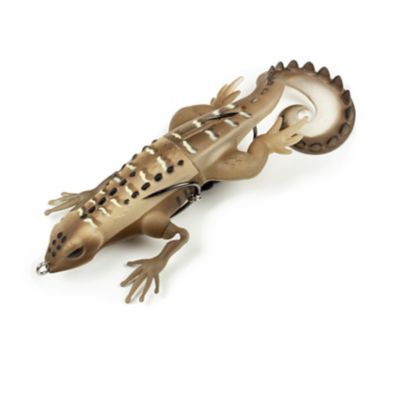
Fishing bait puts something worth chasing, tasting or smelling in front of a fish, whether the fishing spot is a farm pond, a creek bend or a stretch of open lake. The main choices are natural bait, including live bait and prepared food-based bait, and artificial bait that imitates prey through shape, movement, color or scent. The right match depends on the fish being targeted, the depth they hold at, water clarity and how the bait will be presented. Natural bait offers familiar scent and, when live, its own movement. Artificial bait gives anglers more control over size, running depth and action, with styles suited to everything from a slow retrieve along the bottom to a steady swim past shoreline cover. Neither type is the answer for every fishing hole. A small offering beneath a float suits a different job than a larger bait worked around a brush pile, and bait meant to rest on the bottom needs different handling than one meant to stay moving. For panfish, smaller portions and compact profiles often fit the fish’s mouth and the light tackle that makes a bite easier to notice. Bass presentations commonly imitate minnows, crawfish or other prey found around cover. Catfish anglers often favor scent-bearing bait that can stay on the hook while resting near the bottom. These differences make bait size, texture and staying power just as important as color. At a quiet pond bank, a bait that hangs naturally beneath a float can make sense for a youngster learning to watch for a bite. Along a rocky creek edge, a compact bait that follows the current may better fit the setting. Baits for fishermen range from simple options for an easy afternoon close to home to specialized shapes for anglers who enjoy working a particular depth or piece of cover. The useful choice is the one that fits the fish, the water and the way the angler likes to fish.
Materials and construction help explain how different fishing baits behave once they leave the bank or boat. Soft plastics can bend, flutter or pulse with small rod movements, while firmer bodies made from molded resin, wood or metal create a more defined shape and action. Floating, sinking and suspending designs occupy different parts of the water column, although line type, added weight and retrieve speed can affect their position. A slender profile can resemble a small baitfish, while a broader body or moving appendages can suggest crawfish and other forage. In clear water, a natural-looking profile and subtle movement may suit the presentation; in stained water, stronger contrast, vibration or scent can help fish locate the offering. Those traits work together rather than making any one color a sure bet. Hook fit matters, too. A hook should leave enough room for the point to engage without overwhelming a small bait or restricting the movement of a soft body. Larger offerings also need tackle capable of casting their weight and handling the intended fish. A light panfish setup and a heavier catfish rig place very different demands on bait attachment and hook size. For natural bait, firmness and texture affect how well it stays attached through a cast, contact with the bottom and smaller fish pecking at it. Prepared bait may be shaped or packaged for a particular presentation, making label directions helpful for handling and rigging. Live bait brings its own care requirements, including suitable containers, appropriate water or bedding and enough oxygen for the species being carried. Local fishing rules can also limit bait species, collection methods and transport between waters. That matters for anglers fishing beyond their usual pond, since permission at one location does not establish permission somewhere else. Attention to these details helps keep the bait’s intended action intact and makes the whole setup better suited to the job.
Bait care starts with keeping different materials and scents from interfering with one another. Some soft-plastic formulas can react when stored together, so original packaging or separate, compatible compartments help prevent misshapen bodies and sticky surfaces. Scented bait benefits from a tightly closed container, especially when it rides beside spare line, gloves or lunch in a tackle bag. Artificial baits need a little attention after the trip as well: debris cleared away, hooks checked for rust or bent points, and tackle allowed to dry before storage. Wood finishes, painted surfaces, flexible tails and attachment points can all show wear after repeated casts or contact with rocks and cover. A torn body may no longer sit straight on the hook, and a bent connection can change the way a bait swims. Replaceable soft bodies and sound hardware can keep a familiar presentation in service without carrying a crowded tackle box. Organization is useful on the water, where a clearly separated selection makes it easier to switch from a small offering near the bank to a deeper-running presentation farther out. Related
Fishing Gadgets can support the routine with tools for handling tackle, managing line and keeping small essentials within reach. For a fishing gift, bait is most useful when it matches the recipient’s usual water and target species rather than simply filling a box with assorted shapes. Someone who walks a pond bank with one rod may appreciate a compact selection that covers a few familiar presentations, while an angler who fishes several lakes may prefer options for different depths and types of cover. Beginners benefit from bait that is straightforward to attach and easy to watch or feel during the retrieve. More practiced anglers may value a particular profile, scent or action that fits an established approach. Whether the plan involves a child’s first bluegill or a patient evening waiting on catfish, well-matched bait keeps the attention where it belongs: on the line, the water and the next bite.