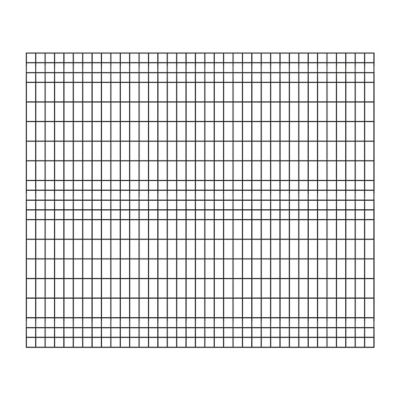
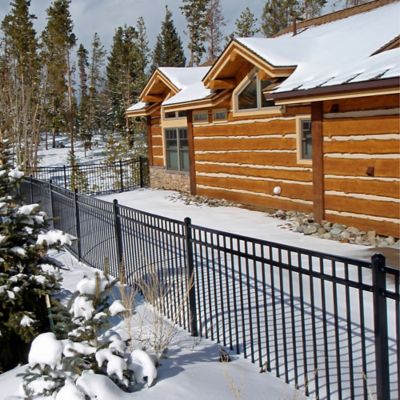
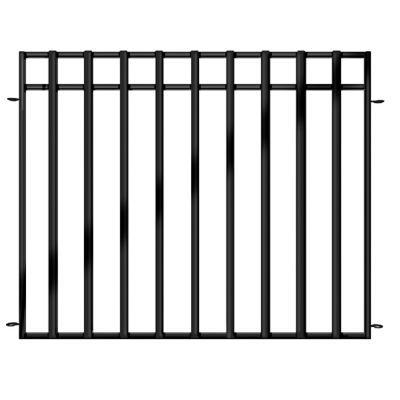
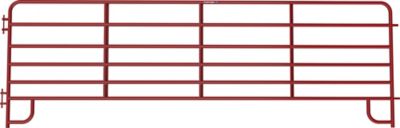
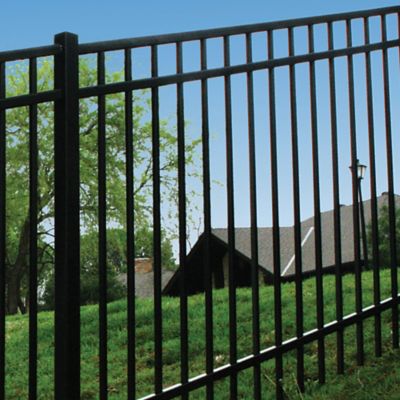
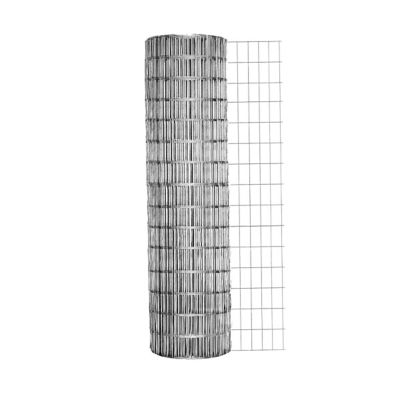
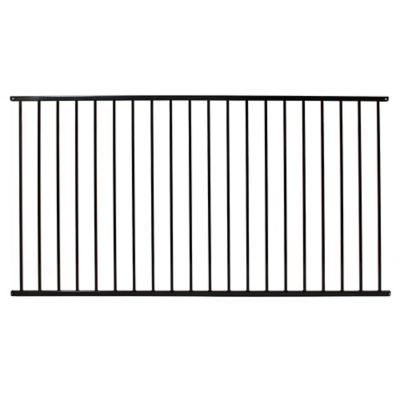
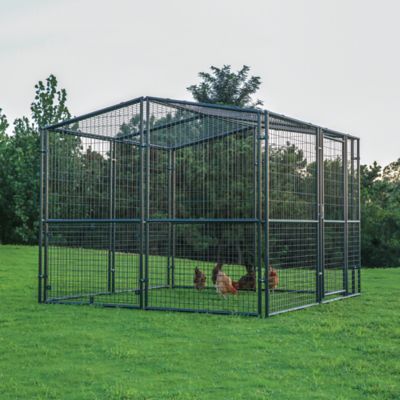
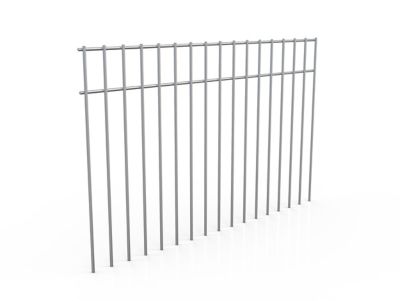
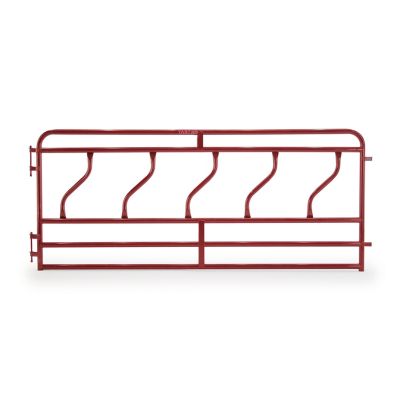
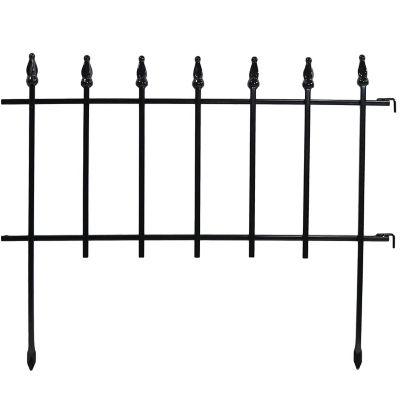
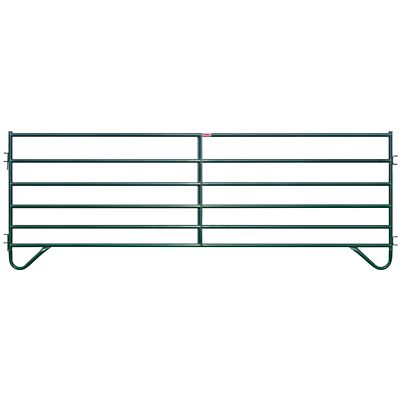
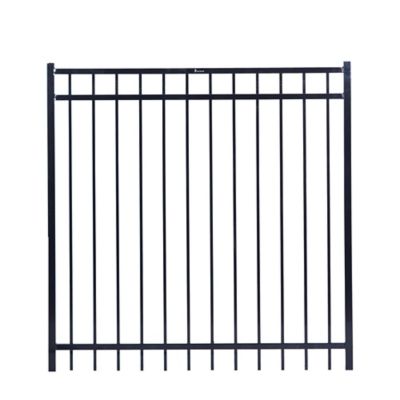
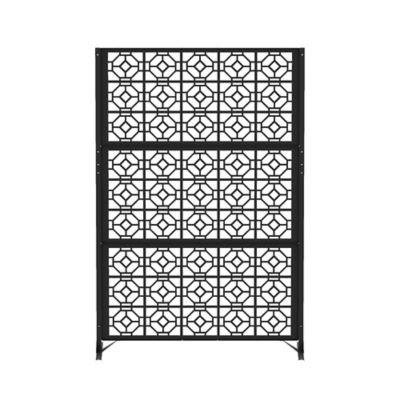
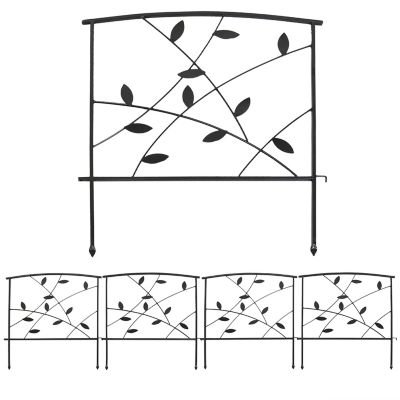
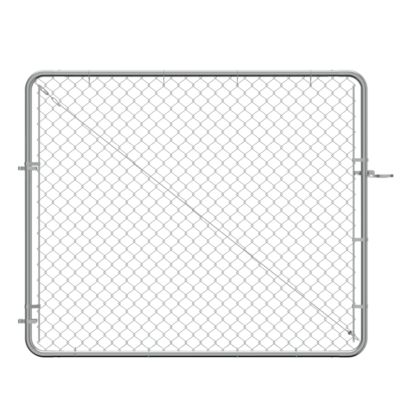
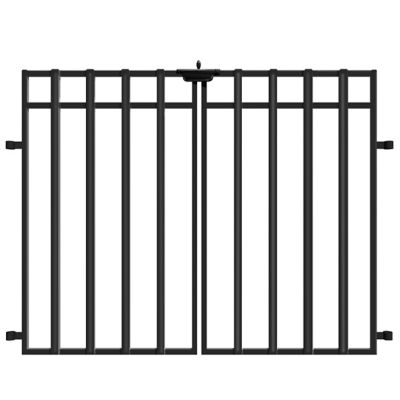
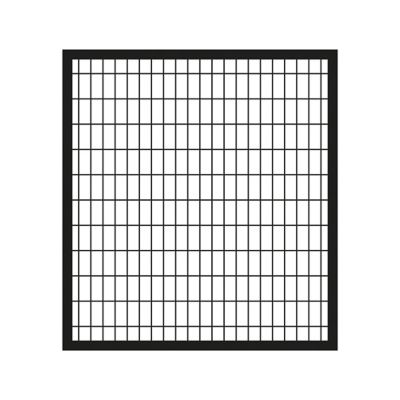
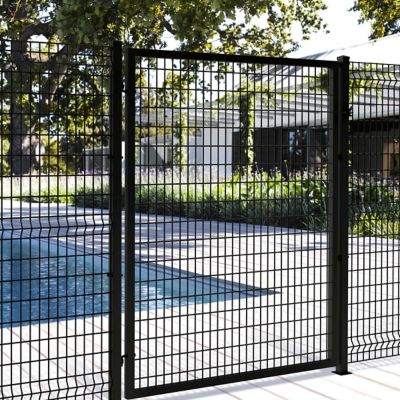
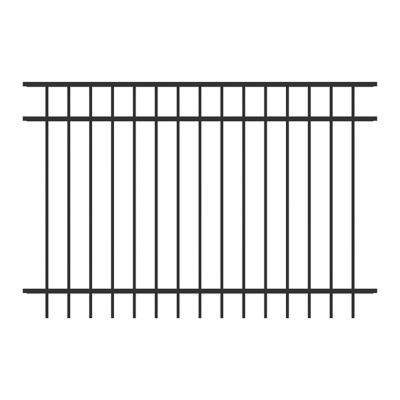
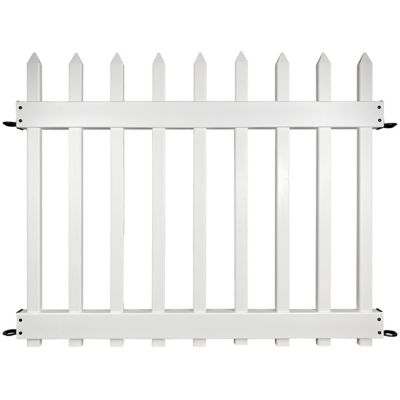
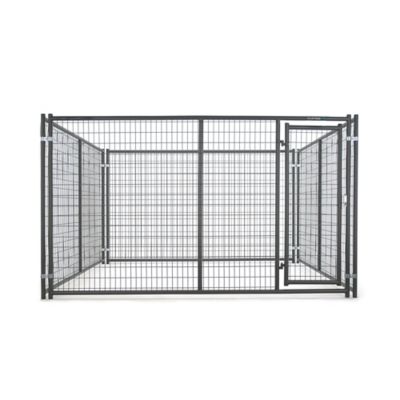
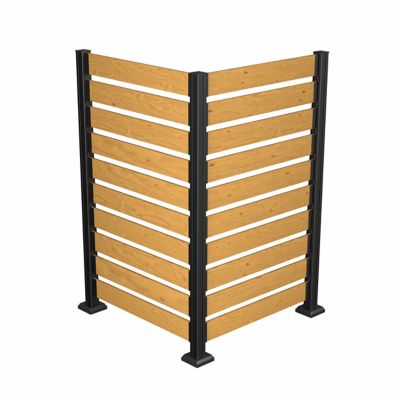
Steel fence panels give property owners a dependable way to mark boundaries, guide animals, protect gardens and improve the look of a yard, pasture or work area. Built for everyday outdoor use, steel brings the strength needed for places where a fence may face curious livestock, running dogs, farm equipment, wind and changing ground conditions. These panels can be useful around small homesteads, larger farms, rural homes, kennels, gardens, barns and recreational properties, and they can help turn an open stretch of ground into a more orderly, useful space. When comparing steel fence panels, start by thinking about the job they need to handle. A panel used to keep goats or horses contained may call for different spacing, height and strength than one used to outline a garden or separate a driveway from the yard. Consider the animals involved, since smaller animals may slip through wide openings while larger animals can lean, rub or push against a fence. Measure the area carefully, including corners, gates and changes in elevation, and plan for sturdy posts or compatible supports that can keep panels upright over time. It also helps to look at the overall layout before purchasing. A straight run across level ground is simple to plan, while a sloped pasture, wooded edge or irregular property line may require extra panels, connectors or adjustments. Browsing related
Fence Panels can help when comparing styles and finding an option suited to the way your land is laid out.
Many rural property owners choose steel panels because they offer a practical balance of strength, visibility and manageable installation. Unlike a solid barrier, an open panel lets you keep an eye on animals and activity on the other side, which is handy when checking a stock area from the barn, watching a dog in the yard or keeping garden beds defined without blocking the view. The smooth, consistent lines can also make a property look tidier, especially around a new shed, feeding area or driveway entrance. Before setting panels in place, clear brush, rocks and loose debris from the fence line, then mark corners and transitions so the finished run follows a clean path. On uneven ground, avoid forcing a rigid panel into a sharp bend. Stepping sections gradually or using a layout that follows the natural contour can reduce stress on the fence and make maintenance easier. Give extra thought to corners and gate openings, where pressure tends to collect and where people and equipment pass most often. A little planning here can save plenty of backtracking later. I have seen more than one fence project improve simply because the owner walked the line with a tape measure and a handful of stakes before unloading materials; that short bit of preparation makes it much easier to spot a low place, a hidden tree root or a gate that will not swing clear of the barn door. During warmer weather, a fence line may be surrounded by tall grass and fast-growing weeds, while cooler months can bring mud, fallen leaves and wet ground, so leave enough room to inspect connections, trim vegetation and reach posts when routine upkeep is needed.
Steel fence panels can be a smart choice for first-time landowners, experienced farmers, gardeners, horse owners, kennel operators and anyone making a property more comfortable and secure. They may also make a thoughtful practical gift for someone settling into a new home, starting a hobby farm, building a backyard garden or preparing a dedicated space for pets and livestock. A person who spends weekends improving a few acres will often appreciate materials that support several projects instead of serving only one purpose. Panels can be used to divide a larger enclosure into manageable sections, create a temporary holding area during chores, shield a planting space from roaming animals or add structure around a composting and utility area. They can also help organize seasonal work as the weather shifts, giving animals a safer place to move while pasture areas recover and helping protect late-season gardens from hungry visitors. For the best fit, pay attention to panel dimensions, opening size, overall weight, finish and the type of hardware or posts required for installation. Think about how often the fence will be moved, whether it needs to stand in a permanent location and how much room is available for storage if it is seasonal. Inspect the panels from time to time for loose connections, bent sections, sharp edges, soil buildup and early signs of wear, especially after heavy wind, storms or contact from animals. Keeping the fence line trimmed and making small repairs before a problem grows can extend the useful life of the setup. With the right layout and a little regular care, steel fence panels can bring years of reliable service to the everyday work of managing land, animals and outdoor spaces.