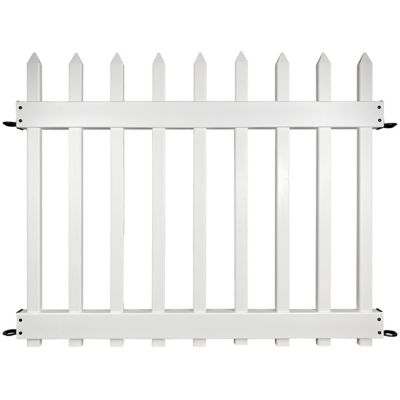
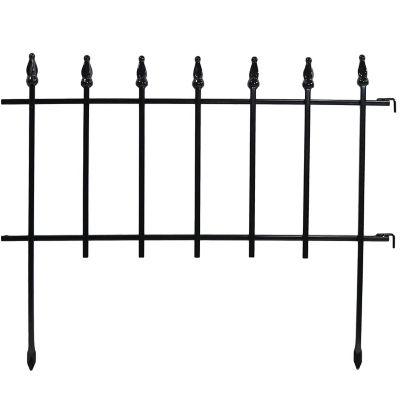
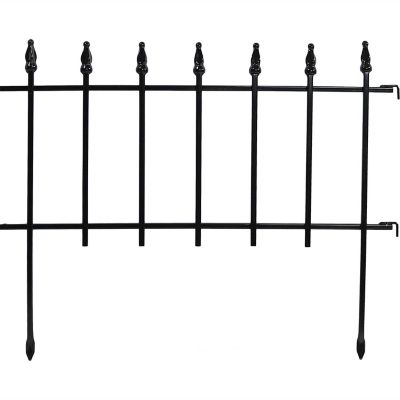
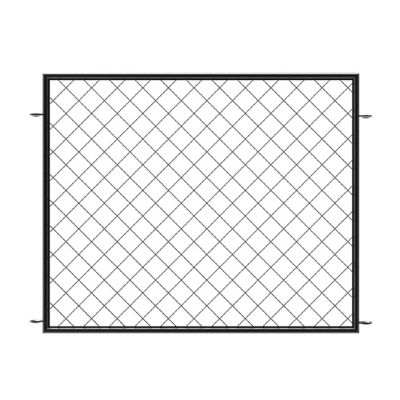
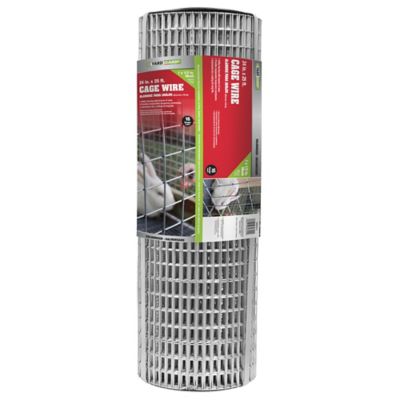
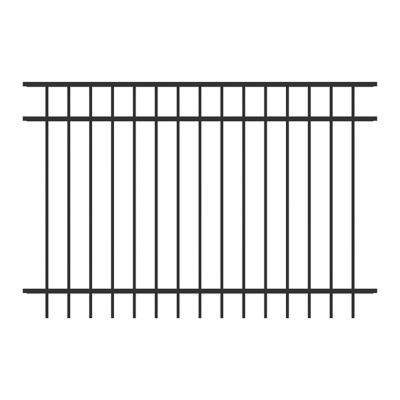
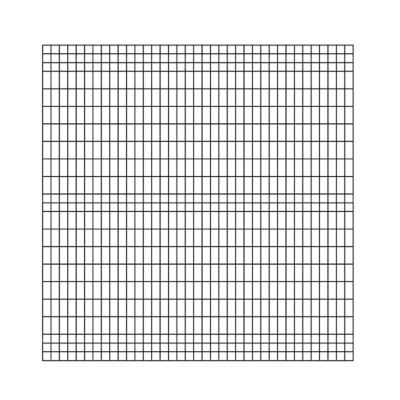
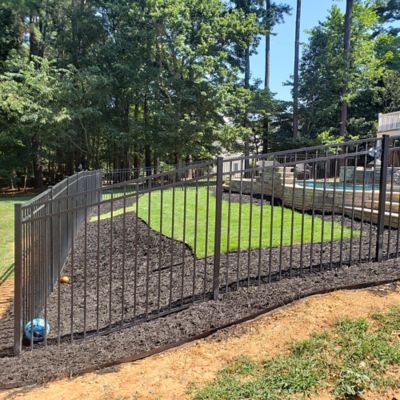
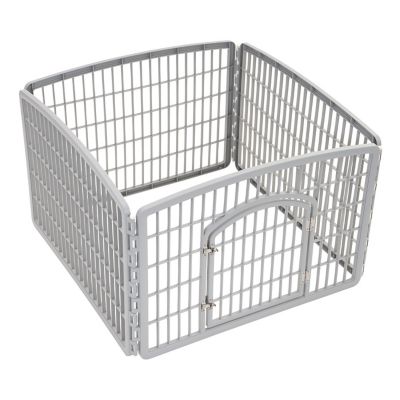
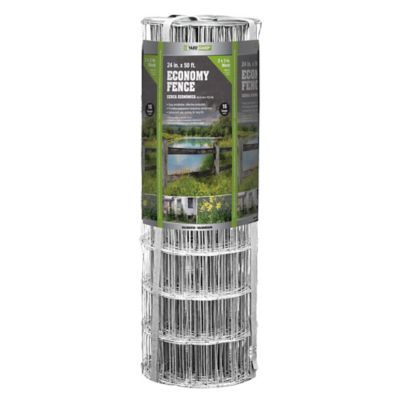
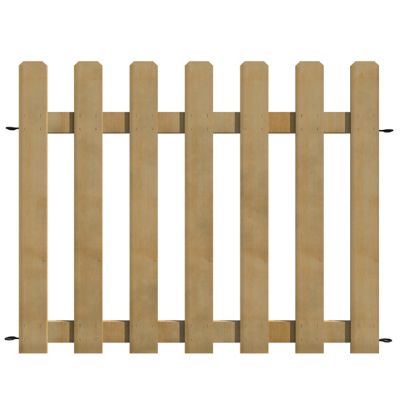
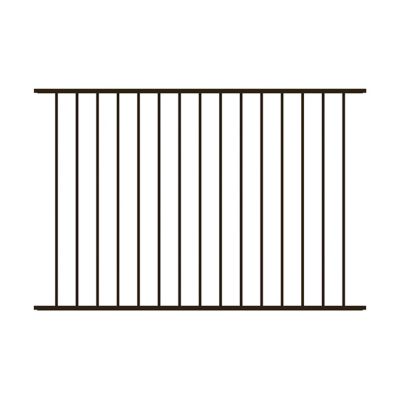
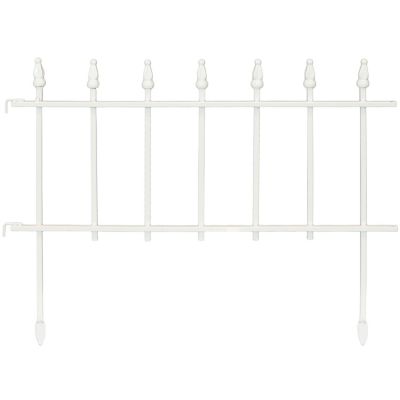
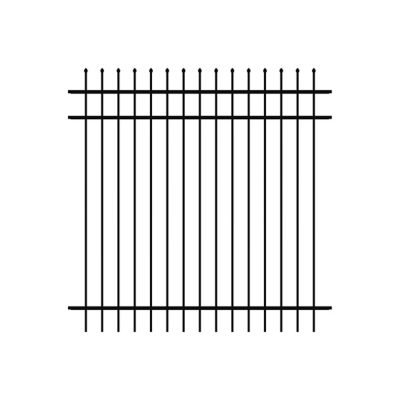
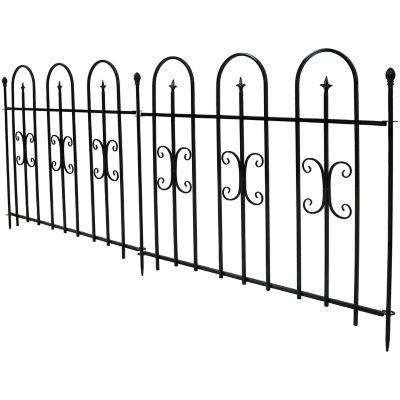
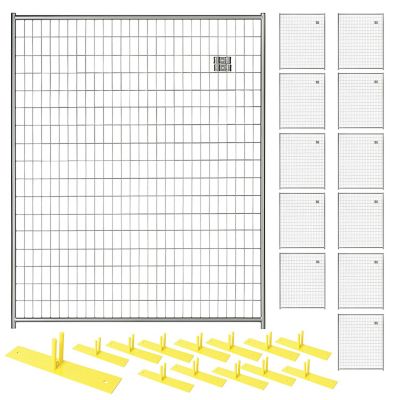
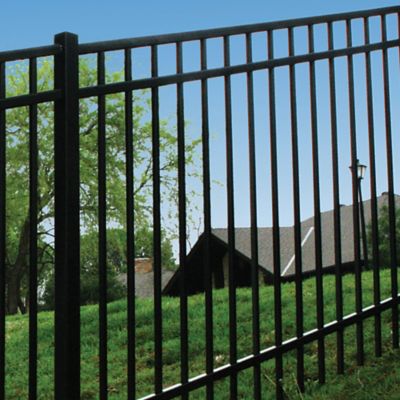
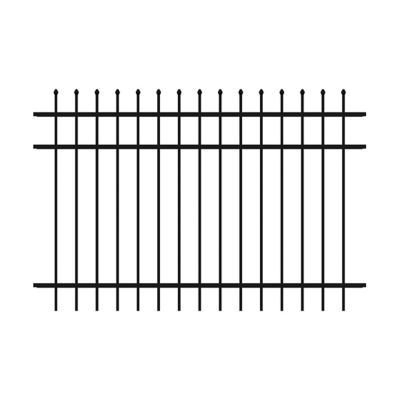
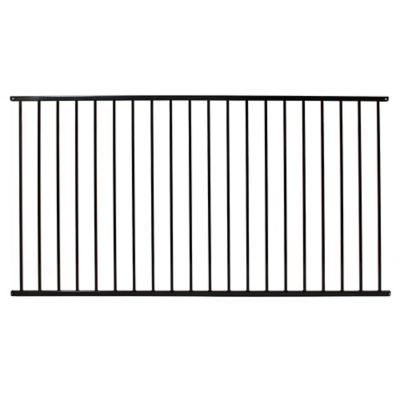
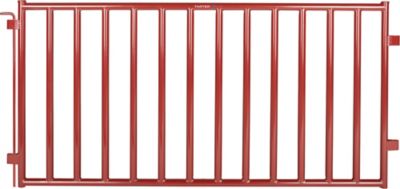
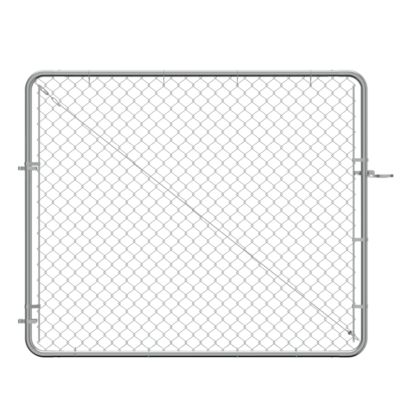
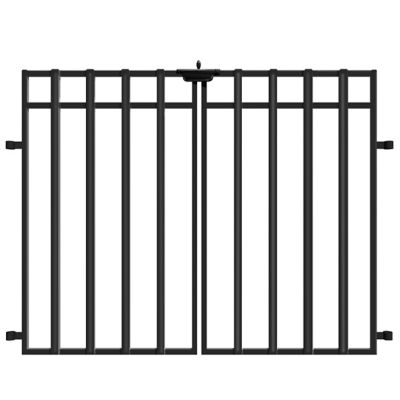
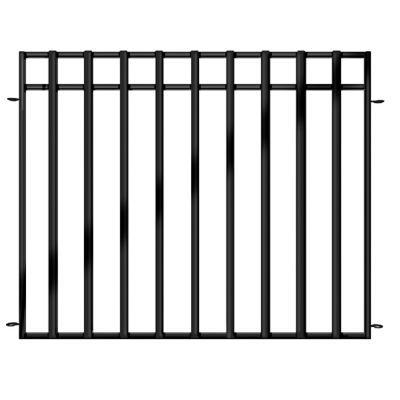
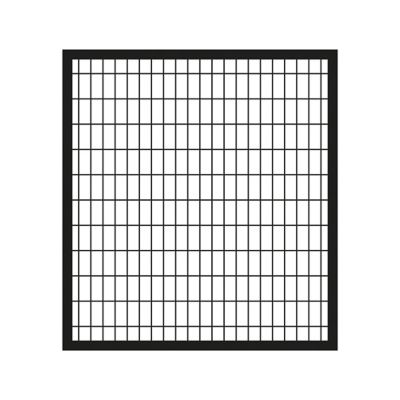
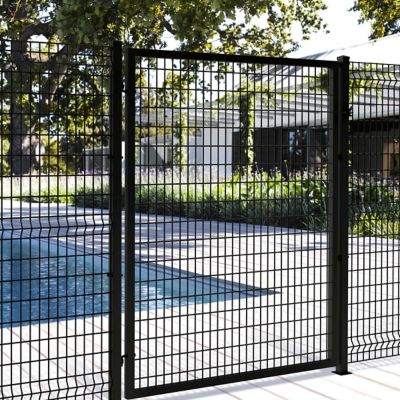
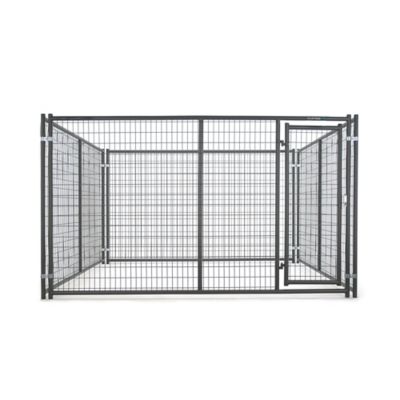
Small fence panels are a handy way to add order, definition and a finished look to outdoor spaces without taking on a full-size fencing project. They can outline a garden bed, keep foot traffic off freshly planted areas, create a neat edge around a patio or mark the boundary of a small animal space. In a rural yard, a few panels can also help organize the everyday comings and goings around a porch, shed, chicken run or raised bed. Their smaller scale makes them easier to carry, position and rearrange than long fencing sections, which comes in handy when a garden layout changes or a temporary enclosure is needed during the cooler months. Before choosing a panel, think about the job first. Decorative edging for flowers may call for a lower panel with an open design, while a small pet area or garden barrier may need more height, closer spacing and a sturdier frame. A panel meant to guide foot traffic does not necessarily provide the kind of secure containment needed for a determined dog, curious goat or other animal. Measure the area, consider the size and habits of anything you want to keep in or out, and leave enough room for gates, corners and access to watering cans or wheelbarrows. If you like a clean, updated look, you may also want to browse
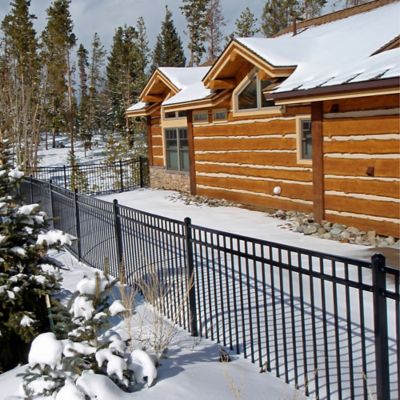
Modern Fence Panels for ideas that pair well with newer landscaping and outdoor living spaces.
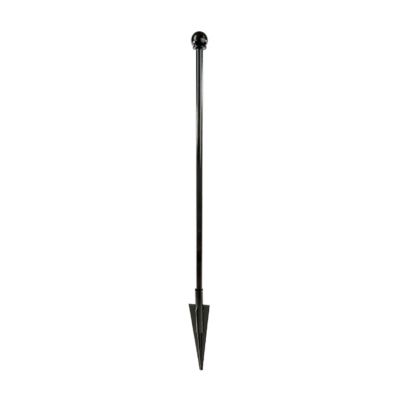
Material makes a difference in both appearance and upkeep. Wood panels bring a familiar country feel and blend naturally with raised beds, mulch, gravel and weathered barns, but they may need protective treatment and regular checks for moisture damage, loose fasteners or splitting. Metal panels can offer a tidy profile and dependable structure, with finishes that range from simple and understated to more decorative. Vinyl and other low-maintenance materials can be useful where easy cleanup matters, especially near porches, play areas or pet spaces, though every material has its own limits in strong wind, heavy snow and hard freezes. Look closely at the way each panel is supported. Some styles are designed to connect to neighboring panels, while others need posts, stakes, brackets or another form of anchoring. Soft garden soil may accept simple stakes, but packed ground, gravel or frozen soil can call for more planning and sturdier hardware. A level layout usually looks best, yet outdoor ground is rarely perfectly flat. On a slope, panels may need to step down gradually rather than forcing the top edge into a sharp angle. Set out a few stakes or scraps of wood first to picture the line before making permanent holes. During early fall, this can be a good way to protect late-season plantings and tidy up beds as annuals fade. As the weather turns colder, secure panels firmly and watch for shifting soil, wind exposure and snow buildup. Clearing leaves and wet debris from the base also helps reduce trapped moisture and keeps the area easier to inspect.
These panels are useful for gardeners, new homeowners, hobby farmers and anyone who enjoys making a yard feel more intentional. A gardener might use them to separate herbs from pathways, give a climbing plant a little support or create a finished border around a small cutting garden. Someone caring for pets may use a panel arrangement to divide an outdoor area or guide animals away from flower beds, though pets should always be supervised and the spacing should be checked for paws, noses and collars. Families can use small fencing to define a play or seating area, but panels are not a substitute for close supervision or a code-compliant safety barrier around hazards. They can also make a thoughtful gift for a friend who is settling into a first home, starting a backyard garden or sprucing up a porch before guests arrive. Choosing a useful style in a neutral finish gives the recipient room to use it in several ways, from framing a mailbox planting to organizing a few containers near the back door. For a more polished result, keep panel lines consistent and match the fence color or finish with nearby planters, gates, outdoor furniture or hardware. Check dimensions before ordering, including total length when several sections are connected, and make sure the panel will fit through gates, sheds and other access points during installation. With a little measuring and a clear purpose in mind, small fence panels can turn a bare strip of ground into a welcoming garden edge, a more manageable animal area or a tidy outdoor corner that holds up through changing weather.