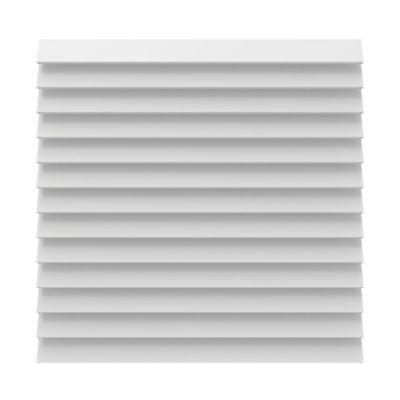
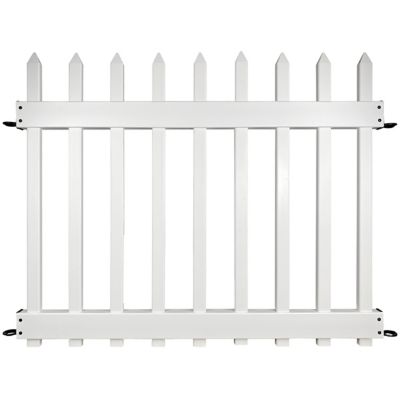
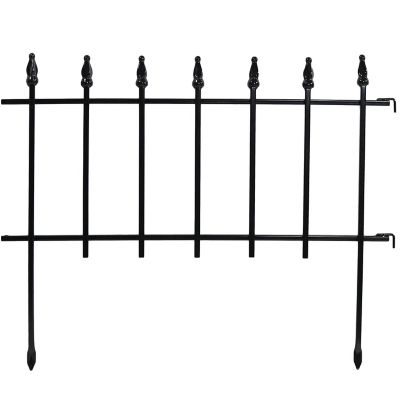
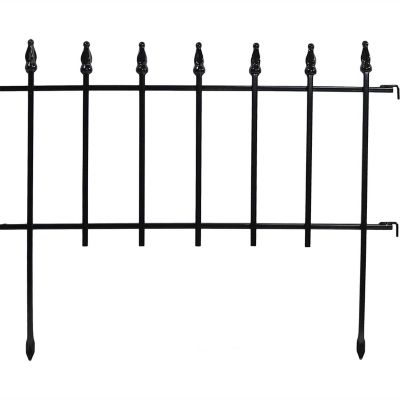
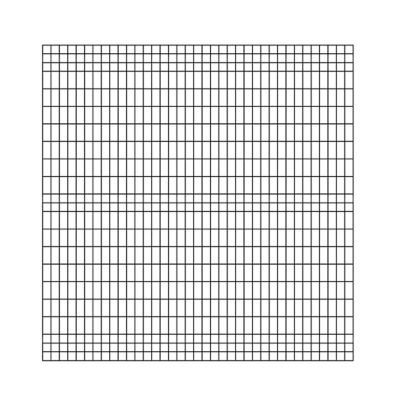
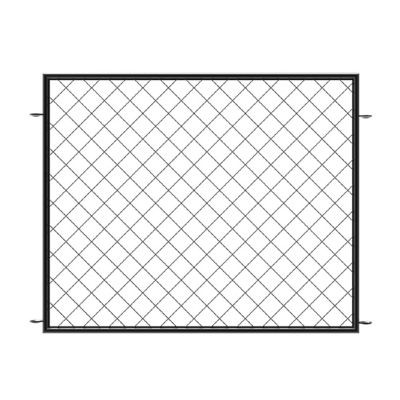
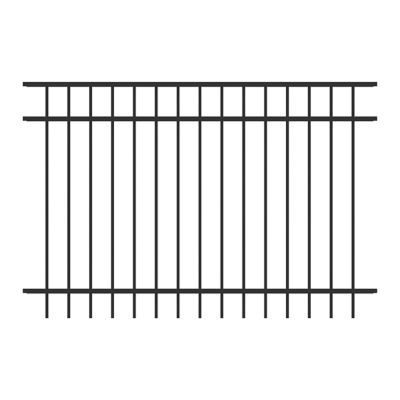
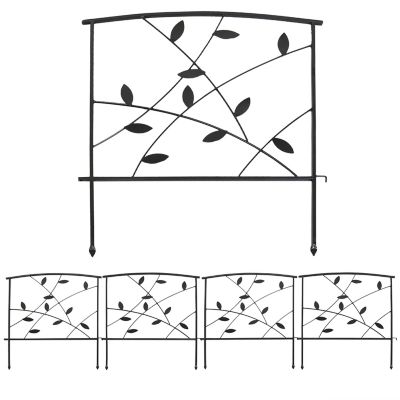
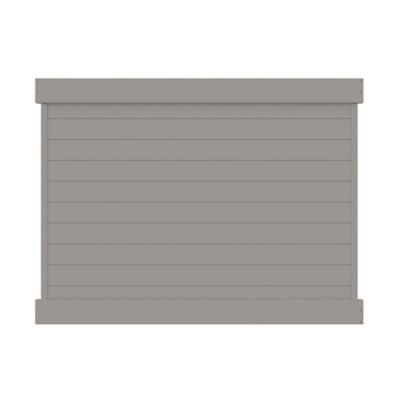
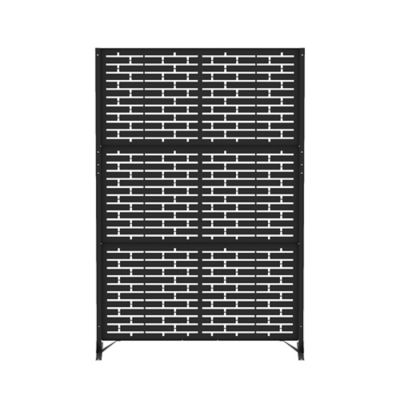
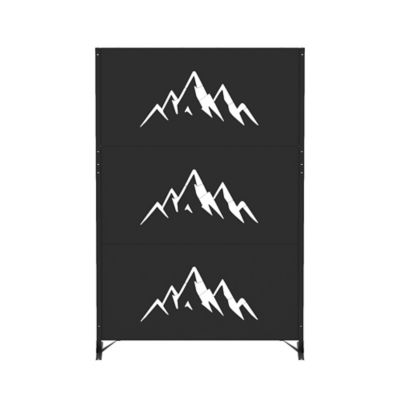
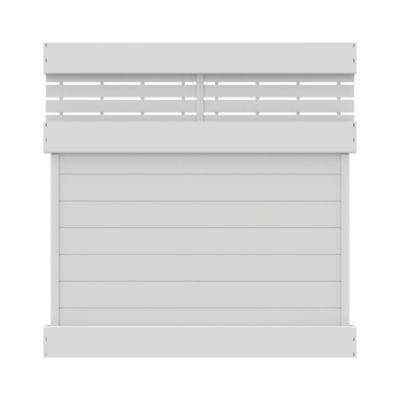
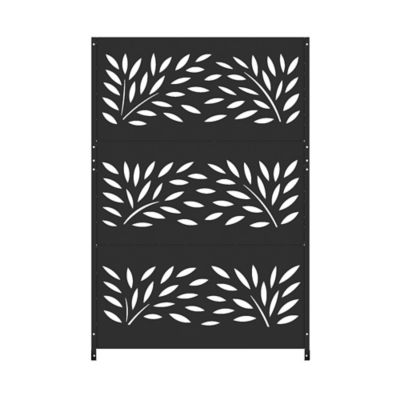
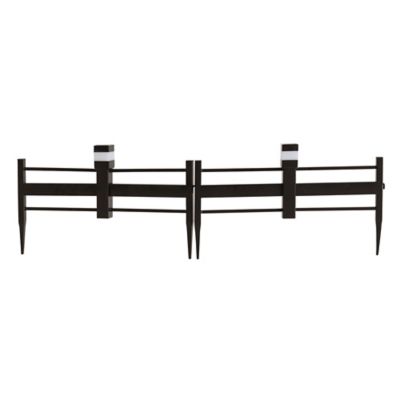
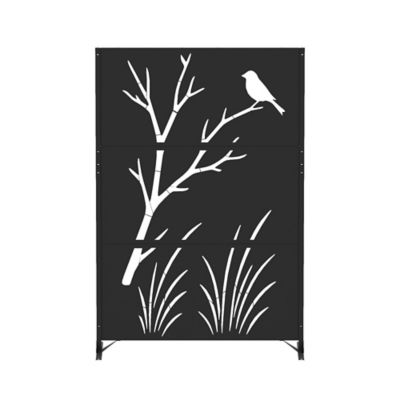
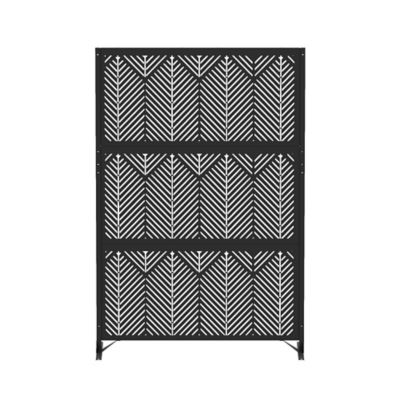
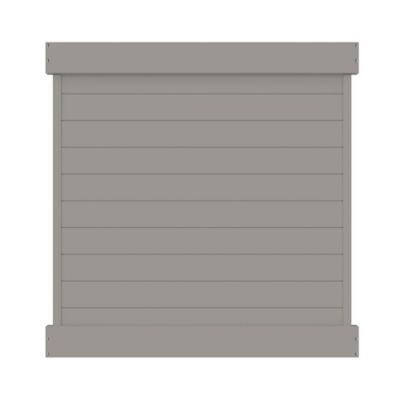
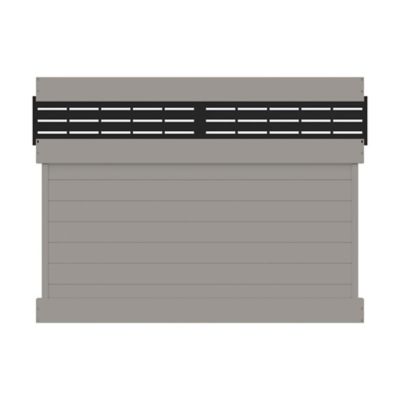
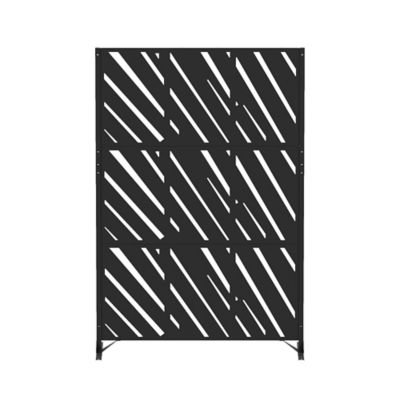
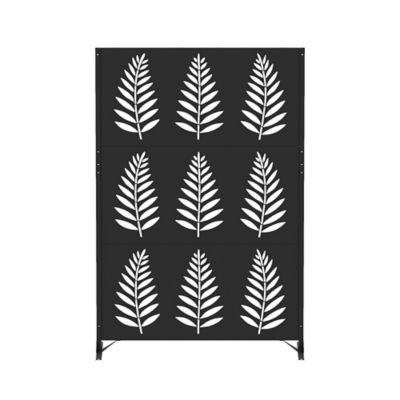
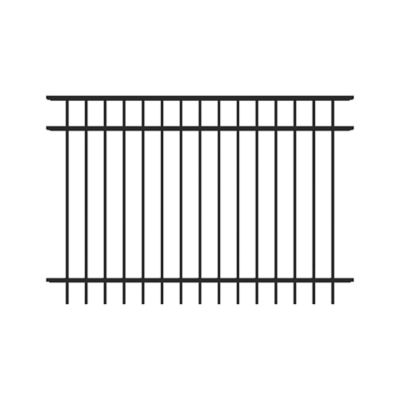
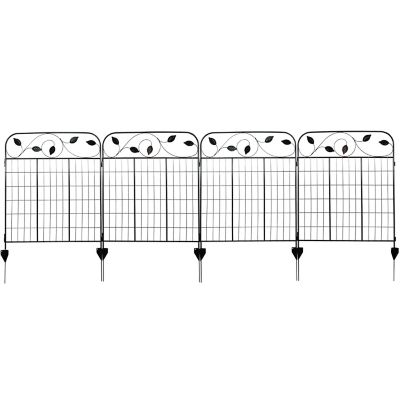
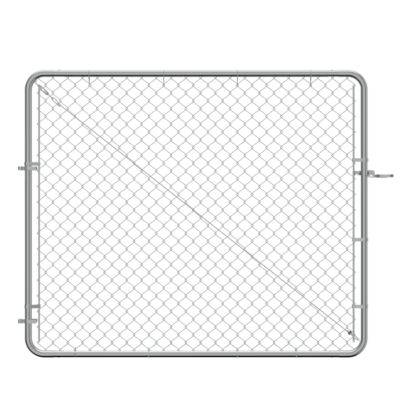
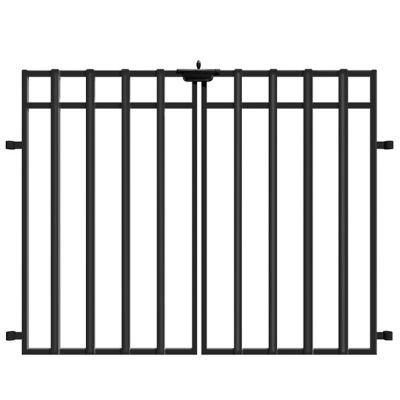
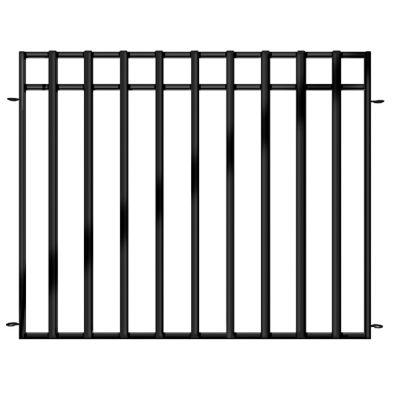
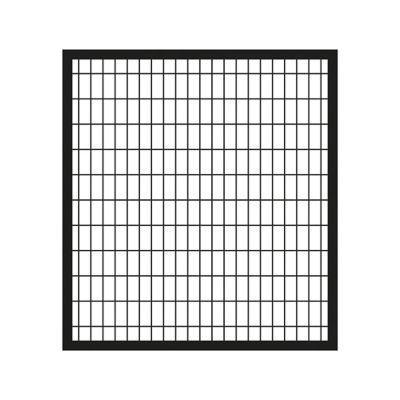
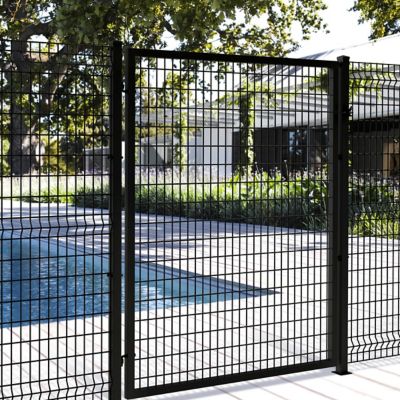
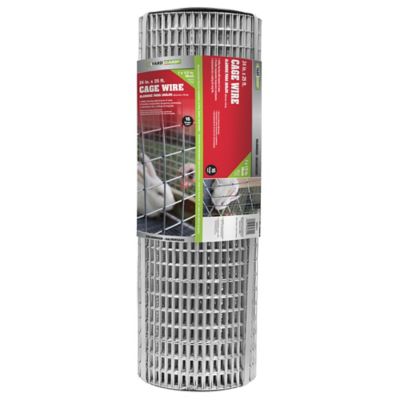
Modern fence panels are preassembled or modular fence sections with clean lines, simple profiles and materials such as metal, wood, vinyl or composite. Their look often comes from straight edges, evenly spaced slats and a layout that keeps posts, rails and adjoining sections visually consistent. Horizontal fence panels can draw the eye across a yard, while narrow vertical pickets give a crisp outline without making every boundary feel closed in. Solid infill creates more separation between neighboring spaces; open grids, spaced slats and patterned metal screens let more of the view show through. That range makes modern fencing a good fit for everything from a patio behind a ranch-style house to a garden beside a gravel drive. The right style depends on what belongs on either side of the fence. A seating area near a property line may call for closely fitted boards, while an edge along a front walk may benefit from open sections that preserve sightlines. Slat spacing also affects privacy from different angles: a panel that looks closed from straight ahead may reveal more when viewed from the side. Patterned screens can break up a broad stretch of fencing or separate a porch from a nearby work area without becoming a full visual wall. Matching the panel proportions to the space matters, too. Broad horizontal lines can complement a long boundary, while a smaller enclosure often looks more settled with fewer changes in height, color and pattern. Black or dark metal provides a clear outline against grass and planting beds, and wood tones add warmth beside siding, masonry or concrete. For a cohesive look, panel faces, posts and gates should share enough detail to feel like parts of the same fence rather than separate additions. Privacy is still a visual feature, not a promise of sound control; gaps, panel construction and the surrounding space all affect how much everyday activity carries across a boundary.
Material choice shapes the weight, upkeep and service life of modern fence panels as much as their appearance. Steel offers a substantial framework and suits straight, defined fence lines, though panel construction and fastening details determine how a particular section performs. Galvanizing and powder coating help protect steel against corrosion, while scratches, cut edges and damaged finishes may need attention according to the manufacturer's care directions. For a closer look at that material category,
Steel Fence Panels covers fencing built around steel construction. Aluminum is generally lighter than steel and does not develop iron rust, making it worth considering where handling weight and ongoing finish care matter. Neither material should be judged by appearance alone: frame dimensions, picket spacing, connection points and the intended application all count. Wood brings visible grain and natural variation to a modern layout, especially with horizontal boards or simple framed sections. Its maintenance depends on the species, treatment and finish, and some movement, checking or color change can be part of its service life. Ground-contact suitability also varies, so a board or post needs a rating that matches where it will sit. Vinyl offers a consistent profile without the staining routine associated with many wood fences, although abrasive cleaning and hard impacts can damage its surface. Composite panels combine materials in formulations that differ by manufacturer; they may reduce some wood-care tasks, but they still have specific requirements for support, spacing and cleaning. Statements about resistance to fading, staining or decay belong to the particular material and construction, not every panel in the category. Across materials, gentle cleaning methods and compatible touch-up treatments help preserve the finish. Soil piled against a panel, plant growth rubbing its face or a mower repeatedly clipping the bottom edge can create avoidable wear. A fence that is easy to reach on both sides also makes routine inspection and care less of a chore.
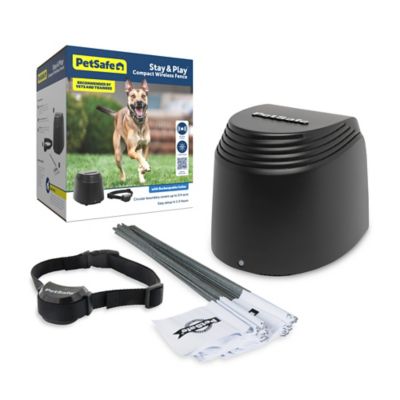
Fit is about the whole fence line, not just the width and height printed for one panel. Post spacing, mounting brackets, rails, caps and gate hardware need to work together, and nominal panel measurements may differ from the installed distance between posts. A framed section may attach differently from an infill system that slides into channels, so matching components matters even when two panels look similar. On sloping ground, some systems follow the grade within stated limits, while others form a stepped line with different gaps beneath each section. Those bottom gaps deserve attention around dogs, garden beds and areas where small animals might squeeze through. For pet containment, panel height, opening size, secure latches and a dog's climbing or jumping habits all matter; a sleek profile alone does not establish suitability. Backyard fencing also should not be assumed to meet the requirements for horse pens, cattle enclosures or pool barriers. Each of those applications calls for construction and spacing suited to the job. Gates bring another set of practical details. A walk-through opening needs room to swing without catching a path or planting bed, while access for a mower, wheelbarrow or other equipment may call for a wider opening and posts designed for the gate's weight. Solid panels and gates can place different demands on their supports than open picket sections, making the specified mounting method important. Property boundaries, underground utilities, easements and local fence rules can also affect placement, height and post locations. Where plants will share the fence line, room for trimming and access helps keep stems from crowding joints and hardware; climbing plants need a panel or separate support intended to carry them. Whether the goal is screening a gathering spot, defining a garden edge or enclosing part of a backyard, modern fence panels work best when their clean appearance is backed by the right material, compatible fittings and a layout that suits everyday life on the property.