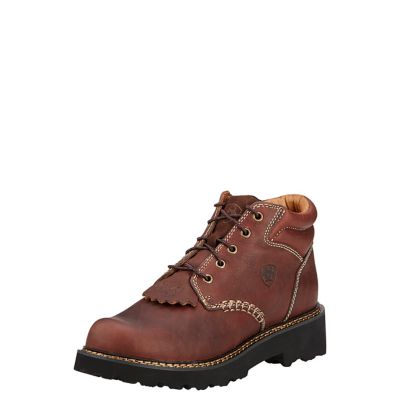
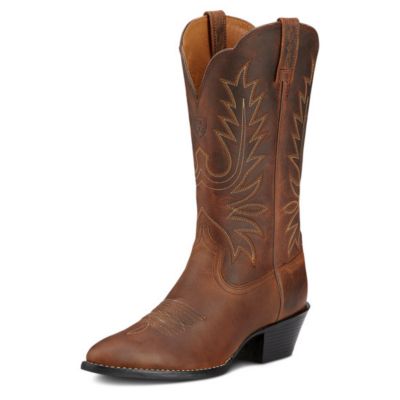
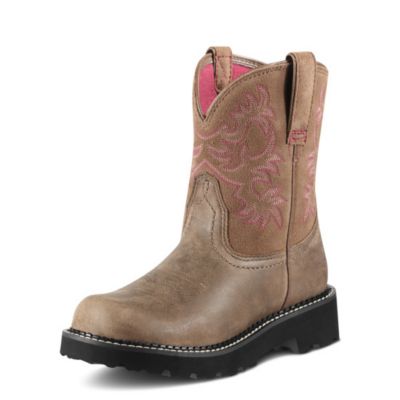
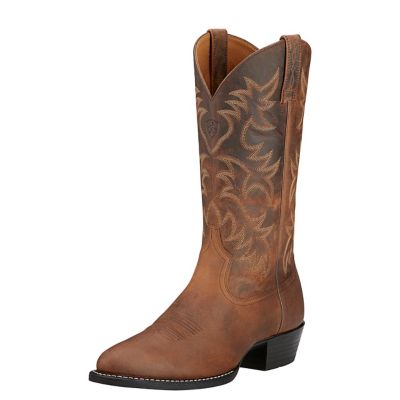
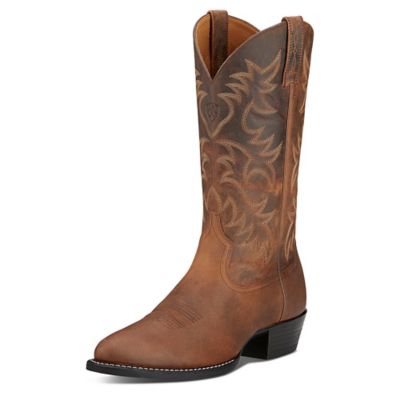
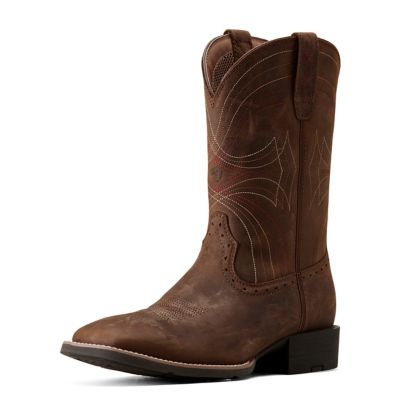
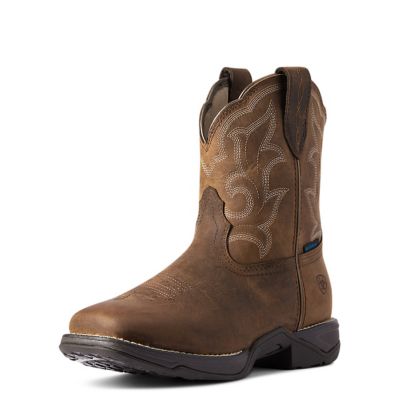
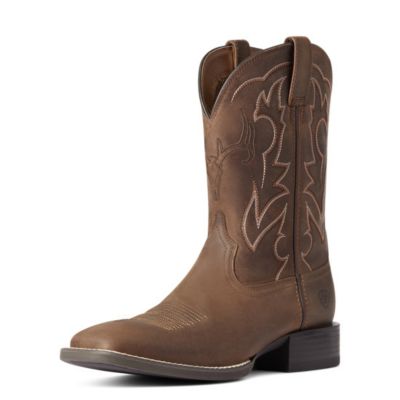
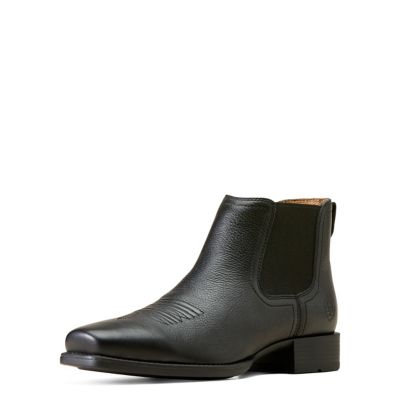
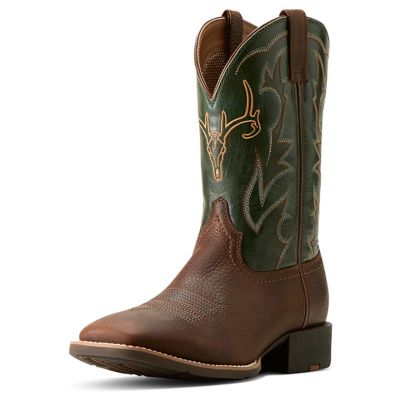
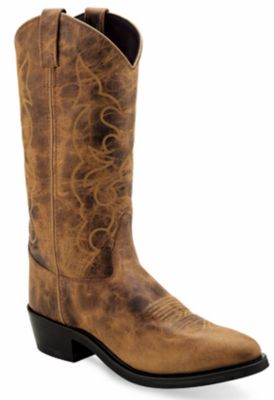
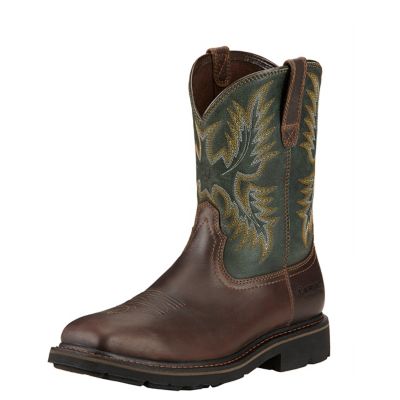
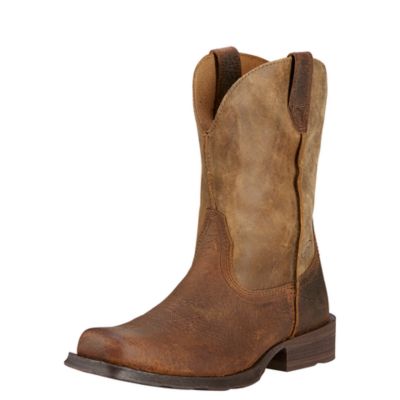
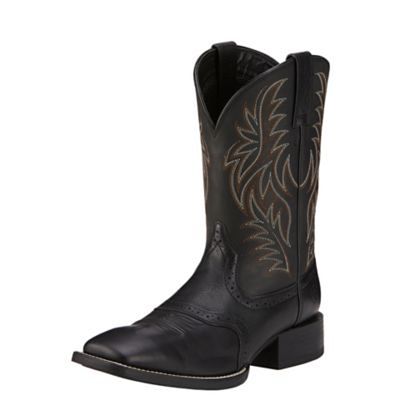
Western style boots fit right into a life that moves between the feed room, the fairgrounds, and a Saturday night out. Their roots are in riding and ranch work, but the familiar pull-on shape, shaped heel, and stitched shaft have earned a place well beyond the saddle. A straightforward pair can sit neatly beneath jeans for everyday errands, while a taller shaft or more detailed stitching can bring a little extra character to an outfit for a concert or dance. Materials make a noticeable difference in how boots look, feel, and hold up over time. Full-grain leather often develops creases and changes in color with wear, giving each pair a broken-in appearance that reflects the miles behind it. Smooth finished leather generally wipes clean more easily than suede, while suede has a soft, textured surface that calls for its own cleaning routine. Synthetic uppers offer another option, with flexibility and care requirements that depend on their construction. Inside, linings, footbeds, and seams all affect comfort, especially when a quick trip into town turns into several hours on your feet. Underfoot, leather and rubber outsoles serve different purposes. Leather soles have a traditional feel and can move smoothly across a dance floor, while rubber soles may offer more cushioning or traction, depending on the tread and compound. Heel shape matters, too: a lower, broader heel feels different from a taller riding-style heel when walking across a shop floor or standing at a counter. Appearance alone does not establish whether a boot belongs in a stirrup or on a particular jobsite. Riding footwear needs construction suited to riding, and work that requires toe protection or other safety features calls for the stated ratings. Western styling can be part of either, but stitching and a square toe are no substitute for the right specifications. That distinction leaves plenty of room to choose a look that feels at home without overlooking what the day actually involves.
Fit is where western style boots become personal, and the right fit involves more than the size stamped inside. Toe shape changes the outline, but a broad square toe does not automatically mean a wide fit, and a pointed toe should still leave room ahead of the toes. The foot belongs in the widest part of the boot, with the instep held snugly rather than squeezed. A little heel movement can be normal in a new pull-on leather boot, while excessive lifting or a foot sliding forward suggests the fit needs another look. Leather can soften and give with wear, but a boot that pinches hard or crowds the toes should not be counted on to stretch into the right size. The socks worn for the day matter as well. A thicker work sock can change the feel through the instep and toe box, so trying boots with the intended socks gives a more useful sense of fit. Shaft height and opening deserve the same attention, whether the plan is to pull jeans over the top or wear the shafts where they show. A comfortable opening leaves room around the calf without rubbing, and enough room through the pant leg helps the fabric fall naturally. For someone walking between a barn and an office, cushioning and a flexible forefoot may matter more than elaborate stitching. For an evening spent two-stepping, balance, heel feel, and how the sole moves across the floor become more noticeable. Broad toes, snip toes, rounded toes, contrasting thread, and different leather finishes all change the look without changing the need for a sound fit. Brown tones often settle easily into a wardrobe of denim and work shirts, while black can give the same basic outfit a sharper finish. The best match feels like something a person would reach for on an ordinary day, not just something that looks good standing still.
Regular care helps western style boots keep their shape and stay ready for the next outing. Dirt left along seams and sole edges can work its way into small spaces, so a soft brush or cloth is a practical starting point after wear. Smooth leather benefits from a cleaner and conditioner suited to its finish, applied according to the maker’s directions rather than piled on heavily. More conditioner is not always better; too much can darken leather or leave it overly soft. Suede needs a brush and cleaning products intended for its nap, and synthetic materials may call for a different approach altogether. Letting boots air out between wears helps manage the moisture that collects inside during a full day on your feet. Direct heat can dry and stiffen leather, so room-temperature drying is the gentler choice after cleaning. Boot trees or shaft supports can help limit deep folds during storage, and checking heels and sole edges gives a chance to catch wear before it becomes a bigger repair. Some constructions allow resoling, while others have more limited repair options, making construction worth considering for boots expected to see plenty of miles. These everyday details also matter when choosing a gift. Western style boots can suit a longtime rider, a country music fan, someone headed to a dance, or a person who simply likes the feel of a pull-on boot with jeans. Knowing the recipient’s usual size is a start, but their width, preferred heel height, and favorite toe shape make the choice more personal. Shopping for the family can also include
Boys Cowboy Boots, with comfortable fit and manageable pull-on openings especially important for younger feet. Growing feet need regular fit checks rather than a pair bought so large that walking becomes awkward. Whether the boots are meant for everyday routines or getting a little dressed up, the details that matter most are straightforward: room where the foot needs it, support that suits the activity, materials that fit the care routine, and a look the wearer feels good pulling on.