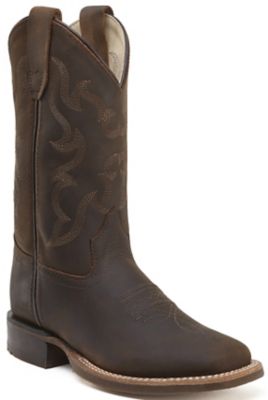
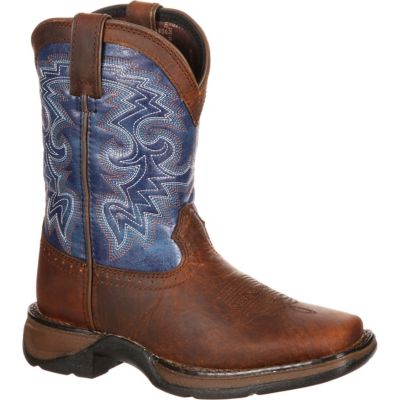
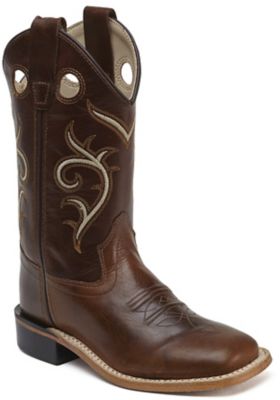
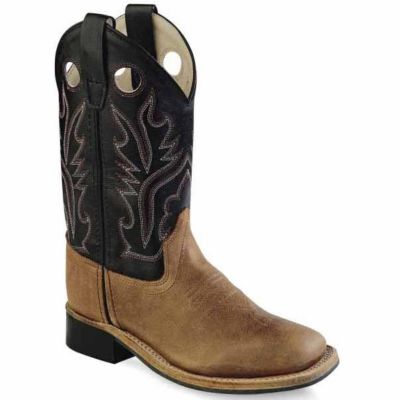
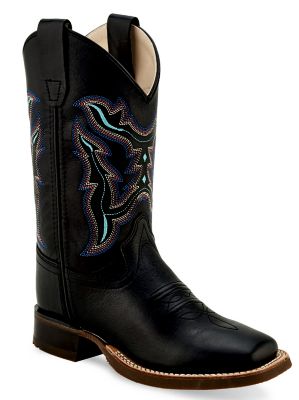
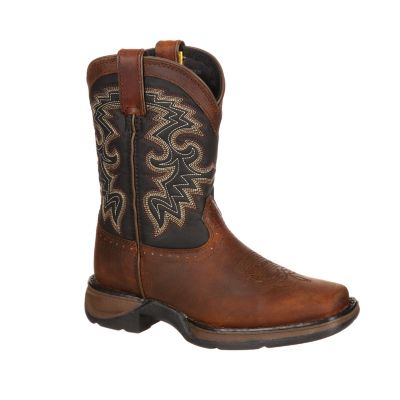
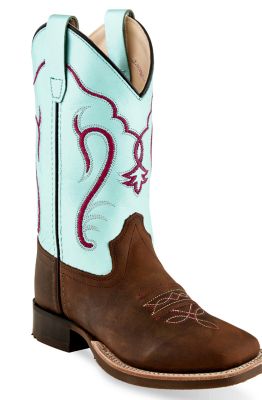
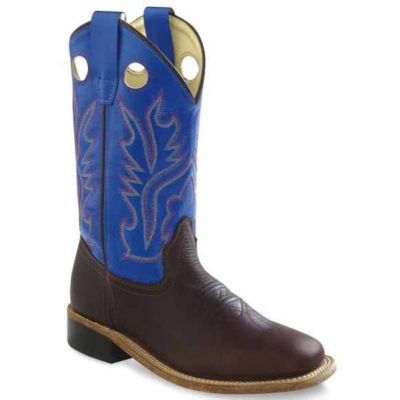
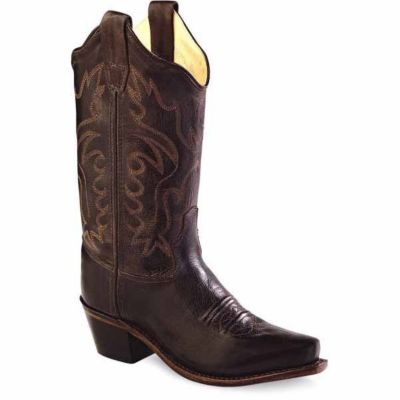
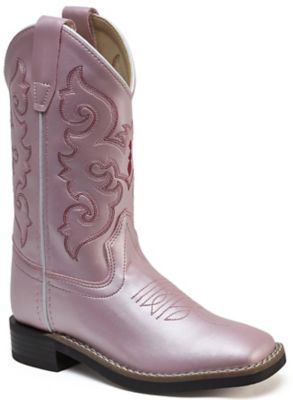
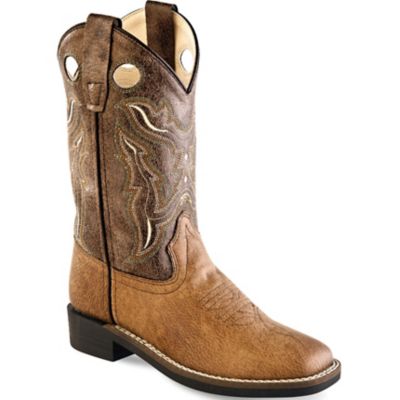
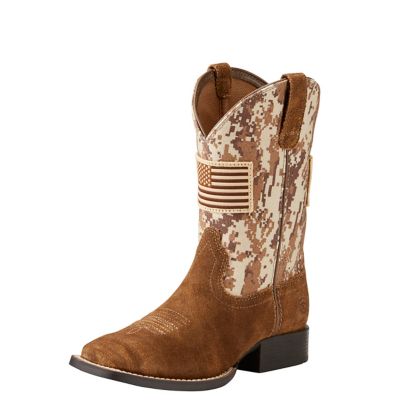
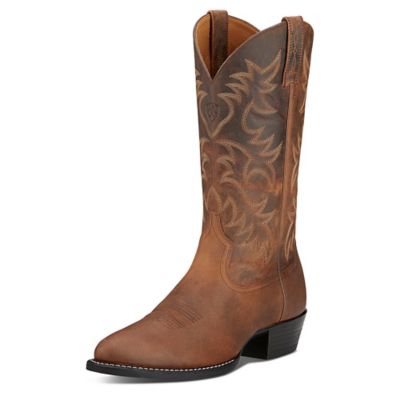
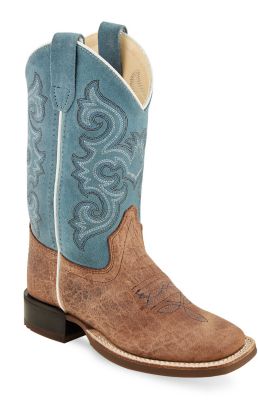
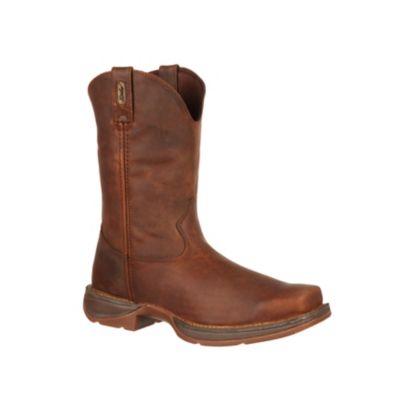
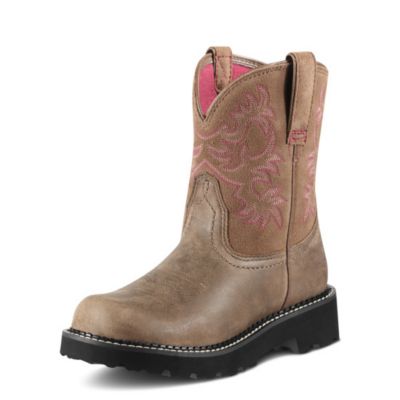
Boys' cowboy boots are pull-on western boots sized for children, typically built with an upright shaft, a shaped heel and a round or square toe. Materials range from genuine leather to synthetic uppers, with designs suited to everyday outfits, dressier occasions or riding when the boot is made for that purpose. That familiar western shape looks right at home with jeans at a county fair, a button-down shirt for family pictures or a favorite T-shirt for a trip into town. For a boy who likes tagging along with the grown-ups, boots can feel like a small part of belonging to the ranch or farm routine. The materials make a difference in how that pair feels and wears. Leather can soften and develop creases as it breaks in, while synthetic materials may offer a simpler wipe-clean surface. Some boots combine a leather foot with a synthetic shaft, so the material description for each part matters more than the overall appearance alone. Linings, seams and the finish inside the shaft also affect comfort, especially where the boot rests against a child's leg. Brown, tan and black lend themselves to everyday outfits, while contrasting shafts, colorful stitching and western patterns bring more personality to the same basic shape. A little embroidery can show above the foot even when jeans cover most of the shaft. Toe shape changes the look, too: round toes give a traditional outline, while square toes create a broader-looking front. Neither shape automatically guarantees more room, since the fit depends on the boot's actual width and construction. Shaft height and heel profile can make an outfit feel more dressed up or more ready for everyday wear. For many families, the appeal is having footwear that reflects a child's interest in horses, country life or dressing like Dad without making every outfit feel like a costume.
Fit deserves just as much attention as the western styling, particularly with growing feet. Boys' boot sizing commonly spans toddler, little-kid and big-kid ranges, with some youth ranges extending through size 7; exact sizing and labels vary by maker. Foot length, foot width and the size chart together give a better starting point than age alone. The socks a child plans to wear with the boots also affect the fit, since a thick sock takes up more space than a thin one. A well-fitting pull-on boot should feel secure across the instep without squeezing, with enough space at the front for toes to rest naturally. A small amount of heel movement can occur in a new western boot, but large amounts of slipping, a foot sliding forward or toes pressing into the end suggest a fit problem. Buying far too large for growing room can leave a child shuffling rather than walking comfortably. Removable insoles can make it easier to check the space underfoot, though taking one out for extra room only makes sense when the boot's design allows it. Around the calf, the shaft should leave comfortable space without rubbing sharply as a child walks, bends or sits. Pull tabs and generous openings can help younger boys manage their own boots, while a smooth lining can make getting dressed less of a struggle. Underfoot, cushioning, sole flexibility and heel height all contribute to how a pair feels through a school day or a family outing. A walking sole and a riding sole may serve different needs. For horseback riding, a defined heel, suitable sole profile and proper fit in the stirrup matter; the riding instructor's footwear requirements should guide that choice. Deep tread that works well on foot is not automatically the right choice in a stirrup. Likewise, western styling alone does not mean a boot has a safety toe or provides the protection required for particular chores.
How boys' cowboy boots hold up depends on their materials, construction, fit and the places they go. A pair worn mostly to church or family gatherings faces different demands than one that spends time along a barn aisle or on gravel paths. Reinforcement around high-wear areas, secure stitching, sound sole attachment and a sturdy heel are worth considering for frequent wear. Scuffs across the toes are part of many children's everyday footwear, but separating soles, loose heels and worn-down tread deserve attention rather than being treated as part of the look. Leather care generally starts with clearing away loose dirt and wiping the surface as directed by the maker. A leather conditioner suited to the finish can help keep the material supple, while suede and other specialty finishes need their own care methods. Synthetic uppers often need only a gentle wipe, though harsh cleaners can affect finishes and stitching. Neither material benefits from being left beside a heater or put through a dryer. Letting boots air out between wears helps the inside dry, and keeping socks fresh makes a difference when a child spends hours in the same pair. Storage matters, too: boots hold their shape better standing upright than crushed beneath a pile of shoes. For a birthday, a first riding lesson or a milestone in a young horse lover's life, cowboy boots can be a thoughtful gift when the child's measurements and intended wear are part of the choice. A boy who likes simple brown leather may reach for a different style than one drawn to bright stitching, and a pair he can pull on himself may quickly become a favorite. Families putting together a father-and-son look can explore
Men's Cowboy Boots for the grown-up side of the outfit. The strongest match is not necessarily an identical pair, but the same easy western feel with a fit that suits each person.