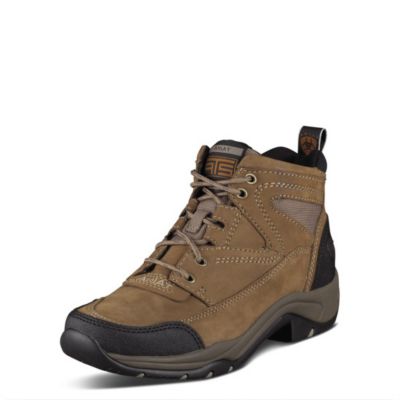
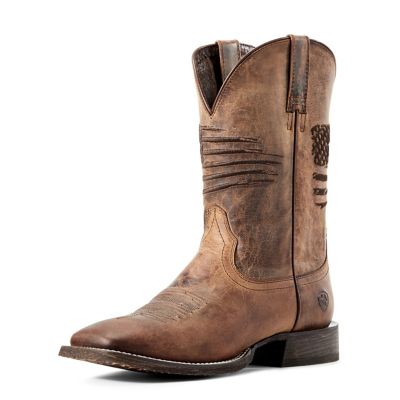
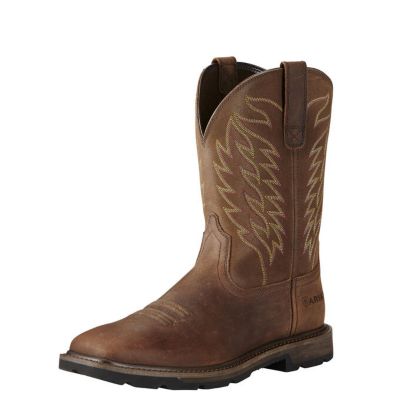
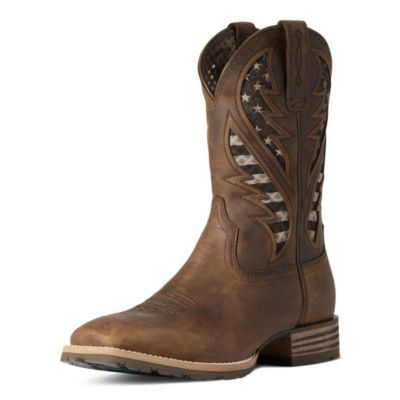
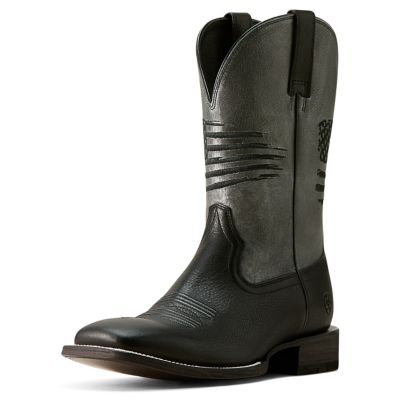
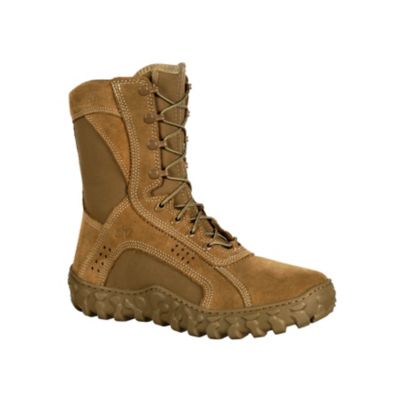
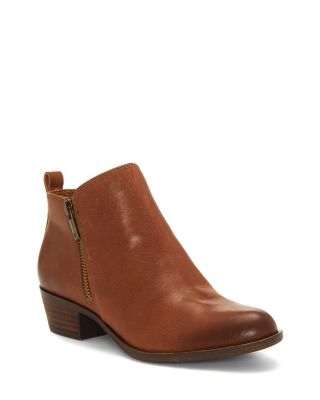
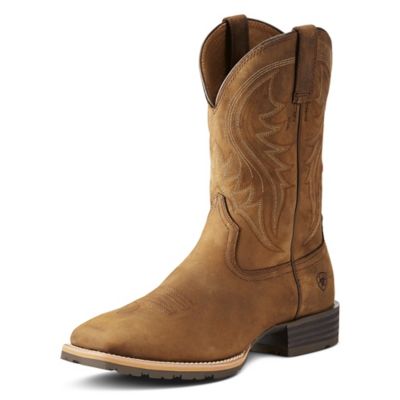
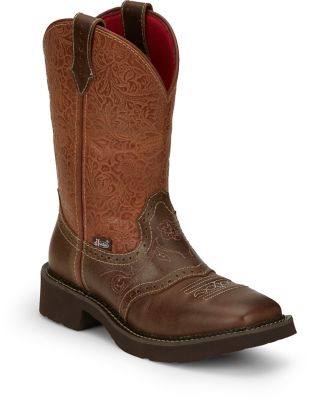
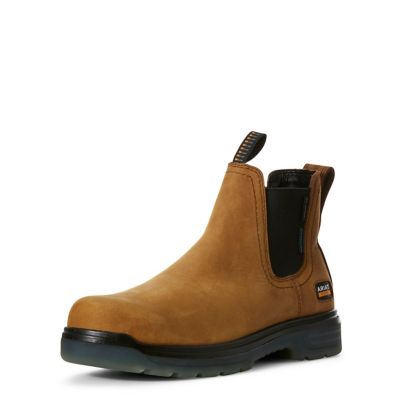
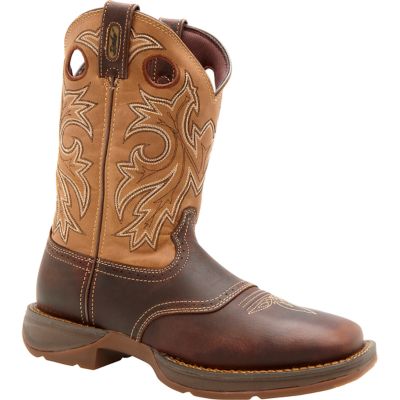
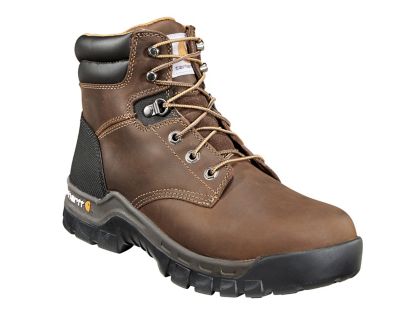
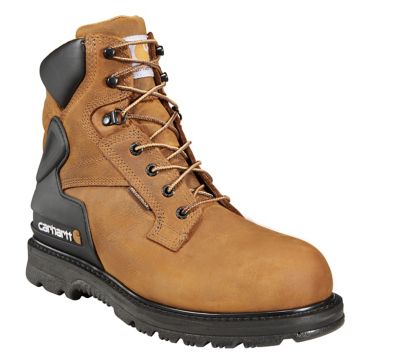
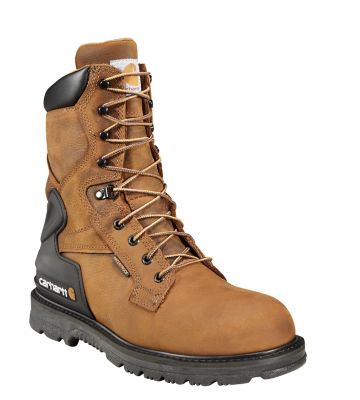
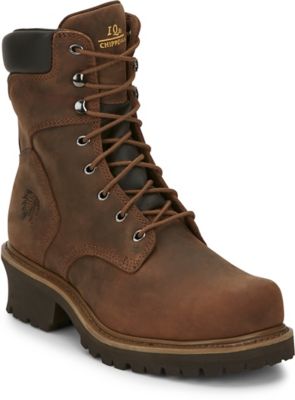
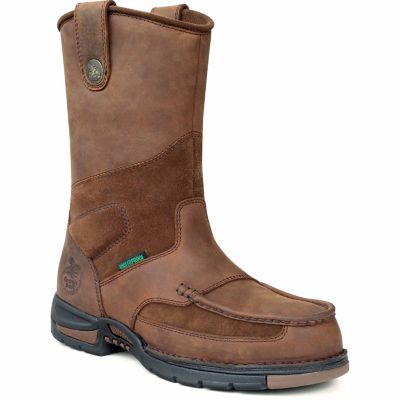
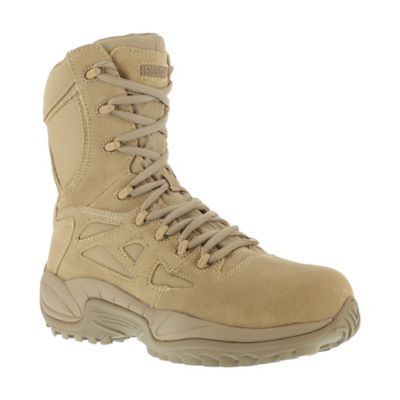
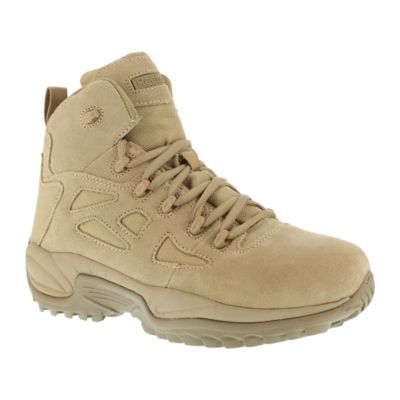
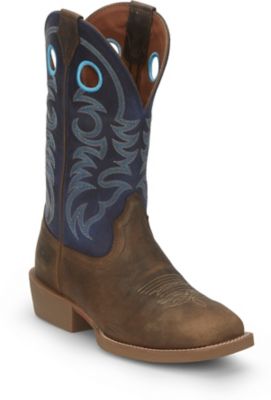
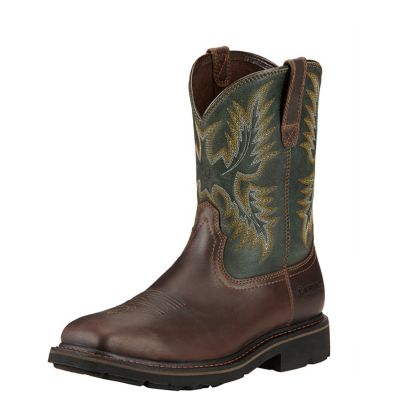
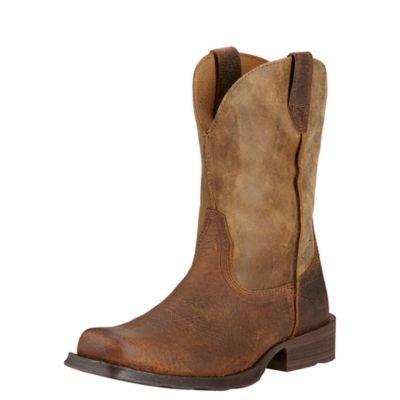
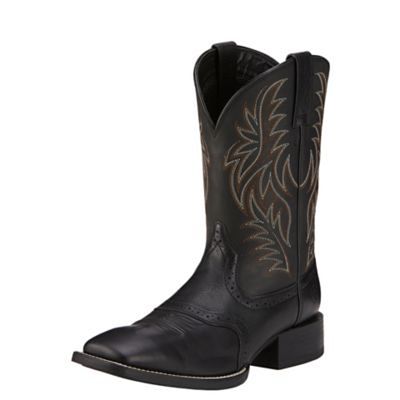
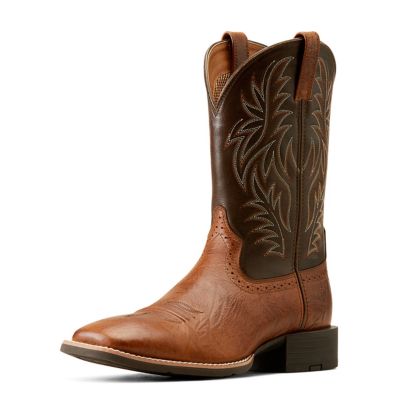
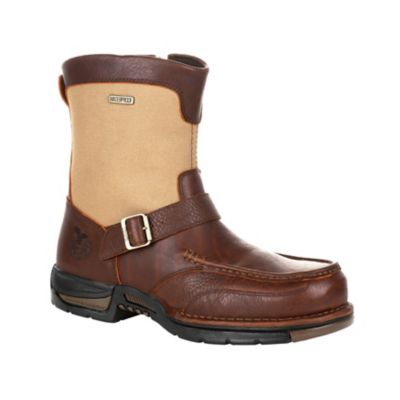
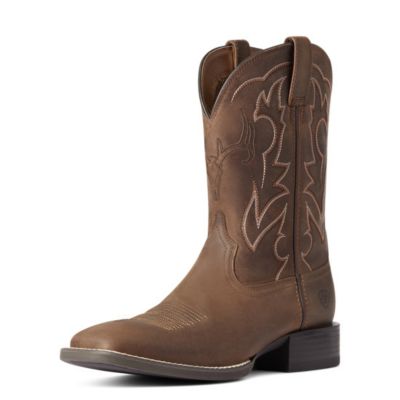
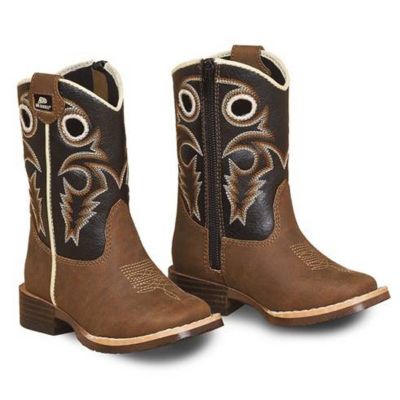
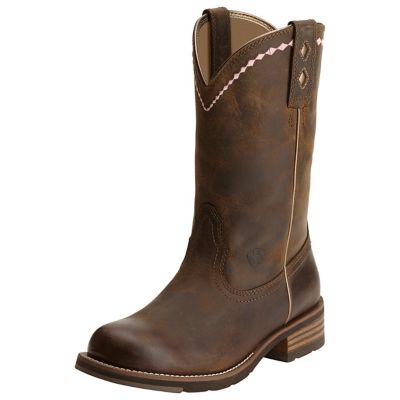
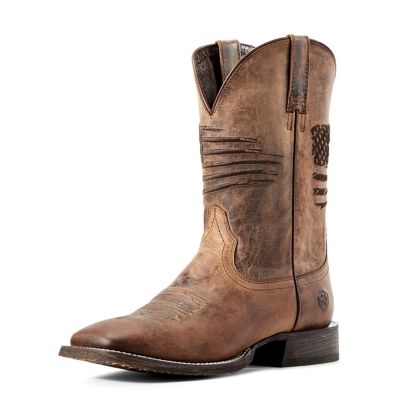
Tan boots have a way of fitting in wherever the day takes you. Their warm, earthy color pairs easily with denim, canvas, work pants and everyday outdoor clothes, so they can pull together a go-to outfit without looking fussy. Depending on the style, tan boots may be suited for chores around the property, time in the saddle, walking trails, working in the shop or heading into town after a long day outside. The right pair starts with the job at hand. Look for a sturdy outsole with dependable traction if you’ll be crossing wet grass, gravel, packed dirt or uneven ground. A heel can offer a secure feel in stirrups and may help keep your foot in place, while a flatter sole is often comfortable for walking and standing. If you spend long hours on your feet, pay close attention to cushioning, arch support and the shape of the toe box. Your toes should have room to move without your heel lifting excessively as you walk. Boots that feel snug but comfortable around the instep may loosen slightly with wear, but tightness across the toes is rarely something to tough out. Try them on with the socks you normally wear for work or outdoor activities, and give yourself enough room for thicker socks during cooler weather. Tan shades range from sandy beige to rich leather brown, and each brings a different look while still offering the same easygoing versatility. Smooth finishes can be simple to brush clean, while textured or distressed finishes may hide the dust and scuffs that come with regular use. If the boots will see mud, rain or morning dew, consider water-resistant construction or a finish that helps keep moisture from soaking in. No boot is completely maintenance-free, though. Knock off dried dirt with a soft brush, wipe away damp grime before it sets and follow the care directions for the material. Keeping boots dry at room temperature, rather than beside a heater or stove, helps protect their shape and finish. A little regular care can make a reliable pair feel like an old favorite instead of something that gets set aside after one rough season.
For farm work and other outdoor jobs, comfort and protection matter just as much as appearance. A well-built boot should flex where your foot naturally bends while still giving support through the heel and ankle. Reinforced construction can help stand up to repeated wear, and a durable toe area is useful when moving feed bags, handling tools or working around equipment. Safety needs vary from one task to the next, so check whether you need features such as a protective toe, slip resistance, electrical hazard protection or a waterproof barrier. Pull-on styles can be handy when you’re moving between the house, barn and truck, especially when you don’t want to stop and tie laces. Lace-up styles offer a more adjustable fit around the ankle and instep, which some folks prefer for walking on uneven ground or spending a full day on their feet. For riding, look for a heel and sole that work well with your stirrups, along with a shaft height that feels comfortable while seated in the saddle. Styles inspired by the western tradition can be a natural fit for ranch wear, county fairs and everyday country outfits, while
Rodeo Boots can offer a more distinctive look for those who enjoy the arena, the grandstand or a night out with friends. During the warmer part of the year, breathable linings and moisture-managing socks can help keep feet more comfortable through dusty chores and long walks. As the weather turns cooler, look for enough interior room to wear warmer socks without squeezing your toes, and make sure the outsole remains flexible enough for steady footing on chilly, slick surfaces. Tan boots also make a practical gift for someone who spends time outdoors. They’re useful for a ranch hand, gardener, hunter, horse owner, farm kid or anyone who prefers clothing and footwear that can handle real work. When choosing boots for someone else, learn as much as you can about their usual size, preferred fit and daily routine. A person who spends hours in the barn may value easy pull-on wear and a washable finish, while someone who walks trails may care more about cushioning, ankle support and traction. Gift shoppers can also pair boots with durable socks or basic care supplies, but the best choice is always guided by the recipient’s work, habits and comfort preferences.
Before settling on a pair, take a close look at the details that are easy to overlook in a quick try-on. Check the stitching, seams and connection between the upper and outsole, especially if you expect regular use on rough ground. The boot should feel secure without rubbing at the heel, ankle bone or top edge of the shaft. Walk across a hard floor and, if possible, a carpeted surface to notice whether the sole feels stable and whether your foot rolls naturally. Remember that socks, insoles and the time of day can change the fit; feet often swell a bit after a day of work, so a boot that feels fine first thing in the morning may feel different by evening. If you use custom insoles or need extra room for a foot condition, check whether the footbed can be removed and whether the boot has enough interior volume. Think about where you’ll store them, too. A simple boot tray near the back door keeps dirt, water and bits of gravel from traveling through the house, while a boot jack can help remove snug pull-on styles without bending the heel. Tan boots will naturally pick up signs of the places they’ve been—dust from a gravel lane, grass stains from a fence line or a little mud from a wet pasture—and proper care helps preserve their usefulness without taking away that lived-in character. Whether they’re worn with work clothes, jeans or layers for cooler days, a dependable tan pair can become part of the daily routine: pulled on before feeding time, waiting by the door for a trip to town and ready for the next job when the ground is uneven and the day runs long.