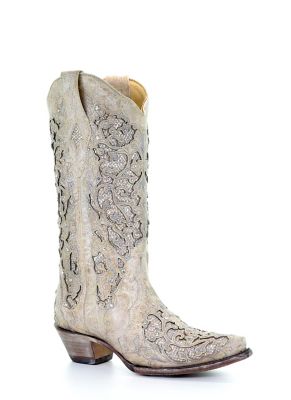
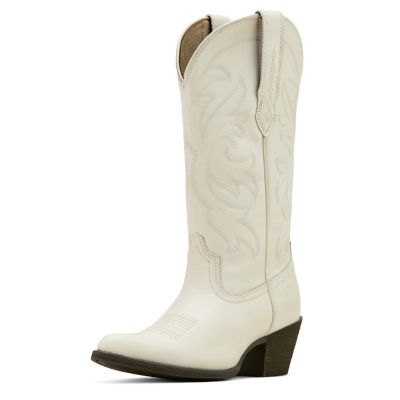
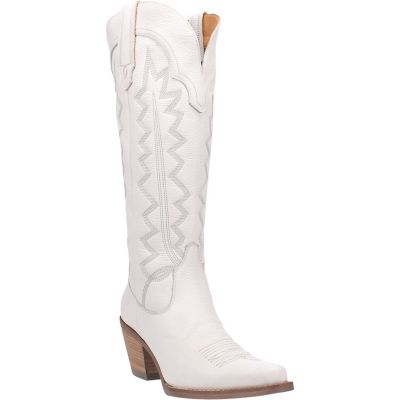
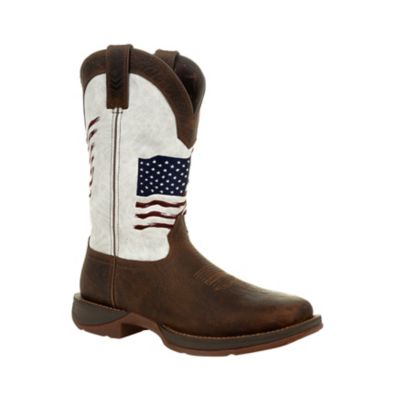
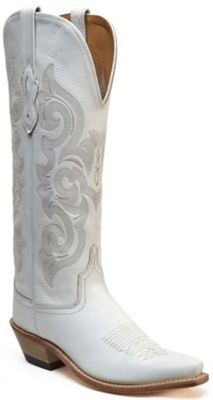
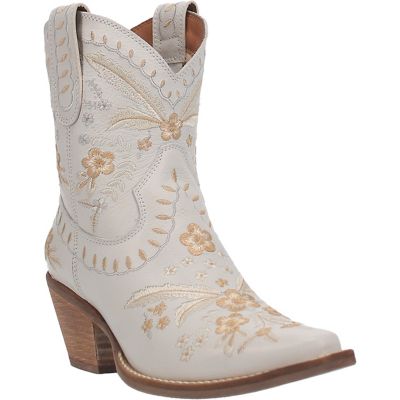
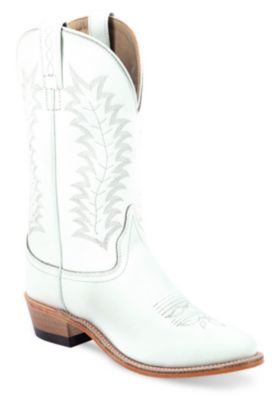
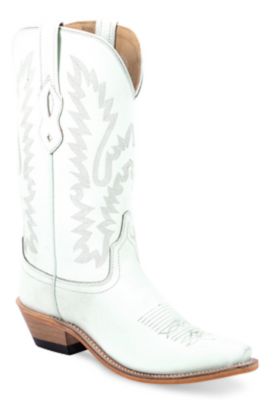
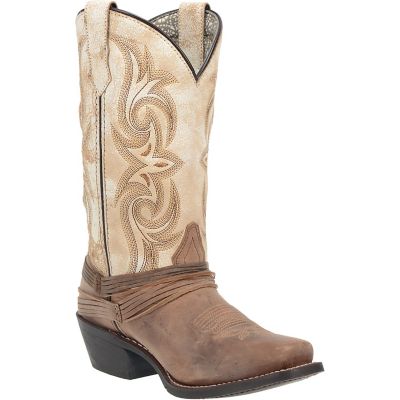
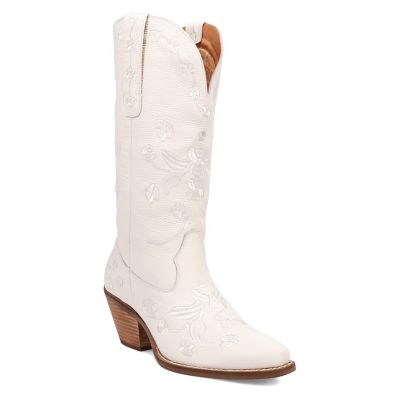
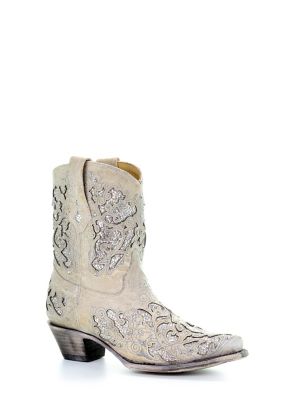
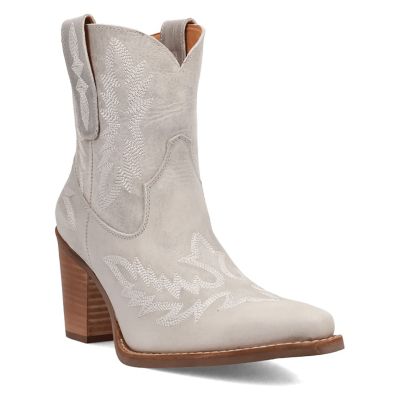
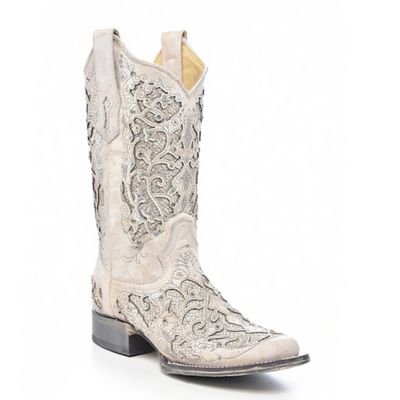
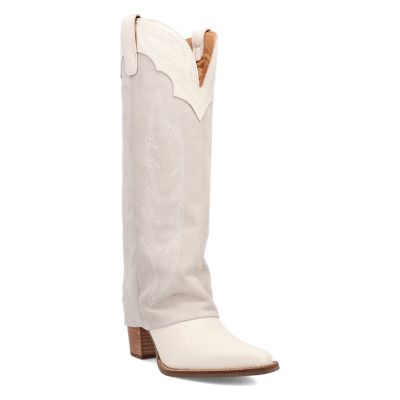
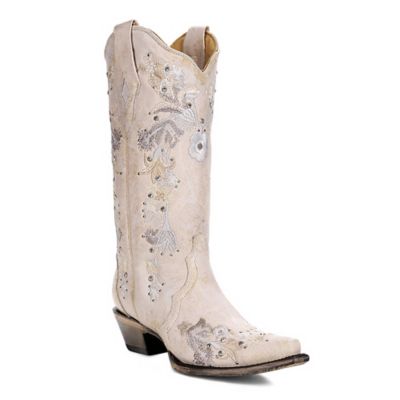
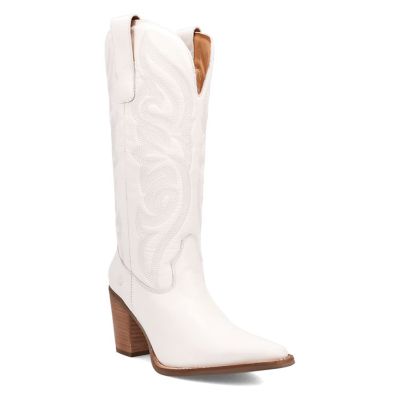
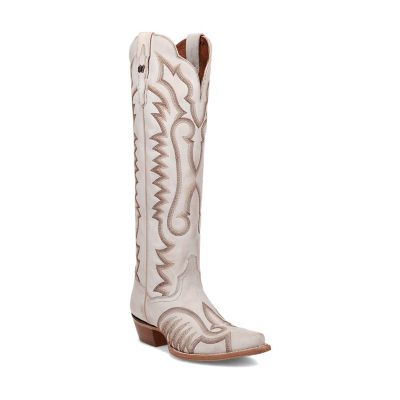
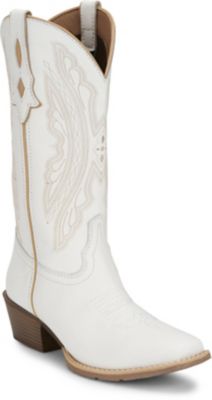
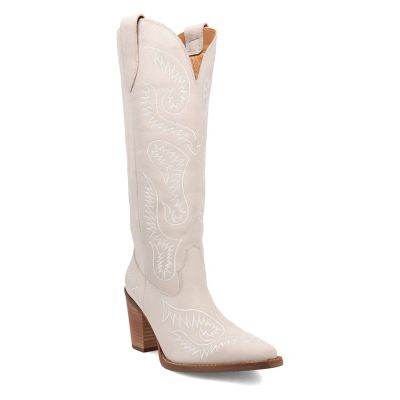
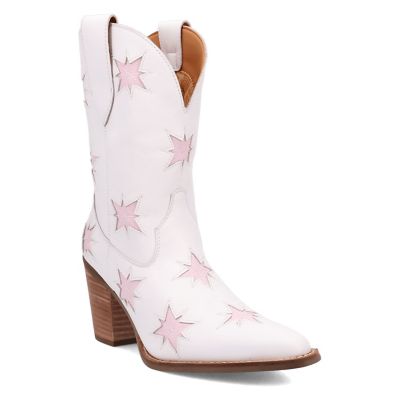
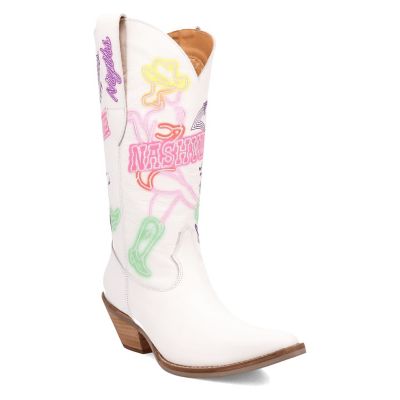
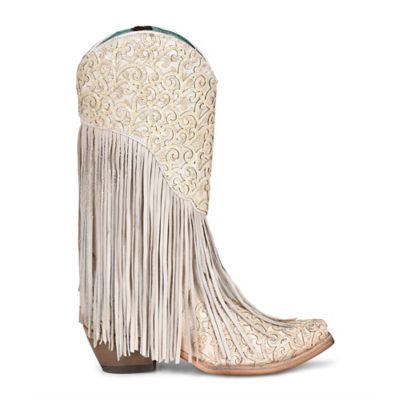
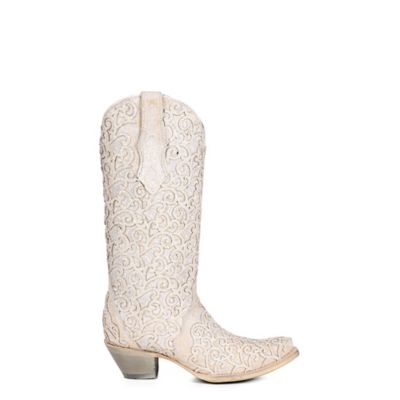
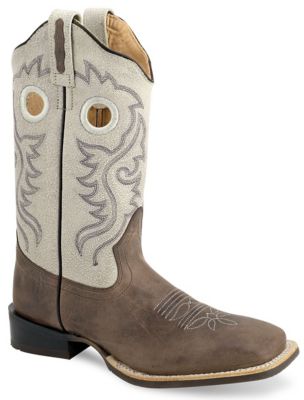
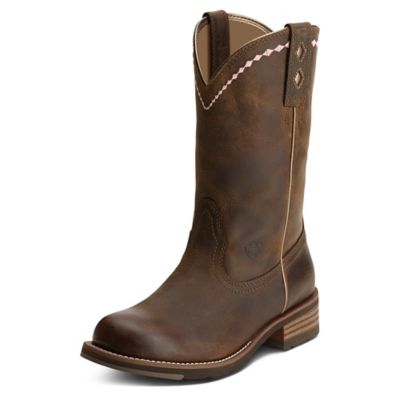
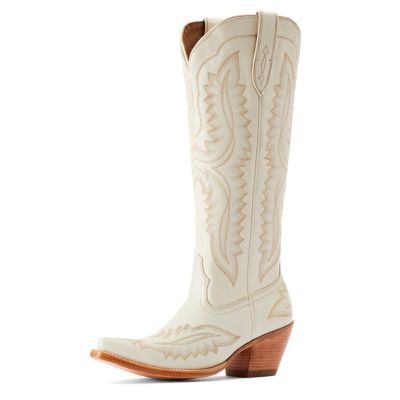
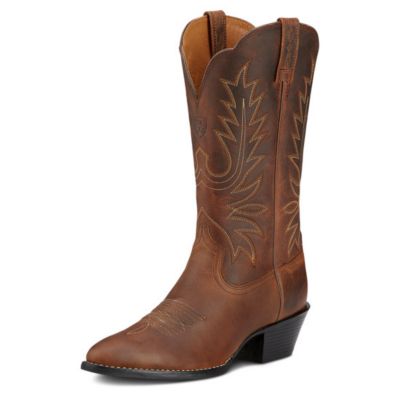
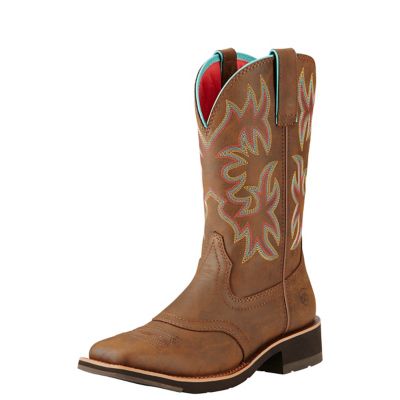
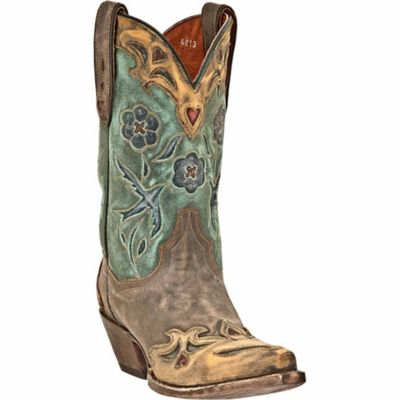
White leather western boots bring a bright, confident twist to a classic piece of country footwear. They carry the familiar shape of a western boot—scalloped shafts, pointed or snip toes, angled heels, pull tabs, and decorative stitching—while the lighter color gives an outfit a clean, standout finish. Depending on the design, a pair can look polished enough for a wedding or dance, relaxed enough for jeans and a flannel, or eye-catching enough for a concert, festival, or night out. Some styles reach higher on the calf for a traditional western silhouette, while shorter booties are easy to work into everyday outfits. White leather can range from a soft bone or cream shade to a crisp, bright white, so it helps to look closely at the color if you are matching the boots with a favorite hat, belt, jacket, or dress. Smooth leather tends to give a sleeker appearance, while textured leather, tonal stitching, embroidery, toe bugs, and subtle hardware add character without taking away from the clean color. Shoppers who like the look of natural hide may also want to compare these styles with
Cowhide Western Boots, especially when weighing texture, grain, and the way leather may develop a lived-in finish over time. White western boots are a good fit for folks who want one memorable pair for special occasions, as well as for anyone who enjoys giving everyday denim a little more personality. They can make a thoughtful gift for a country music fan, rodeo regular, ranch wedding guest, or someone building a western-inspired wardrobe, though checking the recipient’s boot size, preferred toe shape, and shaft height is important before wrapping them up. A gift card or a flexible exchange policy can be useful when the fit is hard to pin down.
Fit matters just as much as appearance, especially with leather boots that may feel firm when first tried on. Start with the socks the wearer is most likely to use, since thick boot socks can change the fit around the instep and calf. The heel should lift slightly as the boot flexes, but it should not slide excessively or rub; after the leather settles in, that small amount of movement generally decreases. Toes need enough room to spread without pressing against the front, and the ball of the foot should sit over the widest part of the boot. Western toe shapes vary from roomy round toes to narrower snip and pointed toes, so shoppers with broad feet may prefer a more generous profile, while those seeking a dressier look may lean toward a tapered shape. Pull-on boots should feel secure across the instep without pinching, and a side zipper can make entry easier on certain silhouettes. Pay attention to shaft height and opening as well. A taller shaft may feel snug around the calf when worn over jeans, while a shorter shaft can tuck neatly beneath straight-leg or boot-cut pants. Heel height also changes the feel of the boot; a lower walking heel is often a practical choice for long days on the move, while a taller angled heel creates a more dressed-up profile. For work around the property, look for sturdy construction, a dependable outsole, and enough traction for the surfaces where the boots will be worn. Leather western boots are not a substitute for purpose-built safety footwear when a job calls for a protective toe, electrical hazard rating, or specialized tread. For dinners, dancing, travel, and casual wear, comfort and support may be the main priorities. During the cooler months, white leather boots pair naturally with dark denim, corduroy, knit layers, quilted vests, and heavier jackets, creating contrast without looking out of place. They also work with dresses, skirts, and cuffed jeans when the wearer wants the boots to be the focal point.
Keeping white leather looking sharp takes a little regular attention, but it does not have to be a fussy chore. Before wearing a new pair, check the care instructions and use a conditioner or protector made for the specific leather, testing any treatment on a hidden area first. A soft brush or dry cloth can lift away loose dust, while a lightly damp cloth is often enough for small marks picked up during errands or a walk across the yard. Avoid soaking the boots, using household bleach, or applying an unapproved polish that could darken the leather or leave an uneven finish. If the boots get wet during a cool-weather outing, let them dry at room temperature away from a heater, wood stove, or direct heat, which can stiffen and crack leather. Stuffing the shafts with clean paper or using boot supports helps them hold their shape as they dry and sit in the closet. Mud is best allowed to dry before brushing it away, and scuffs should be handled gently rather than scrubbed hard. A light-colored pair will naturally show more dust than brown or black boots, especially around the soles and heel, but that is part of wearing them and not a reason to leave them at home. Store them upright in a dry spot, with enough room that the shafts are not crushed or folded. When choosing among white leather western boots, consider the intended setting, the amount of walking involved, the toe and heel shape, the leather finish, and how much upkeep fits the wearer’s routine. A well-fitting pair can move easily from a crisp fall afternoon outdoors to a gathering indoors, then carry its distinctive western style through the colder season with jeans, warm layers, and a little everyday confidence.