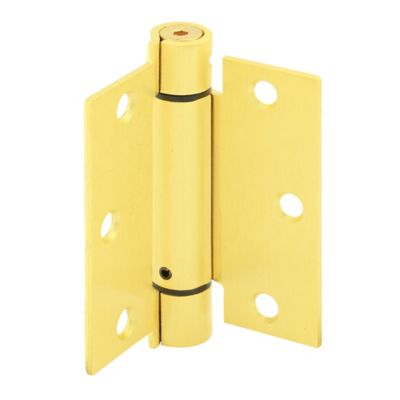
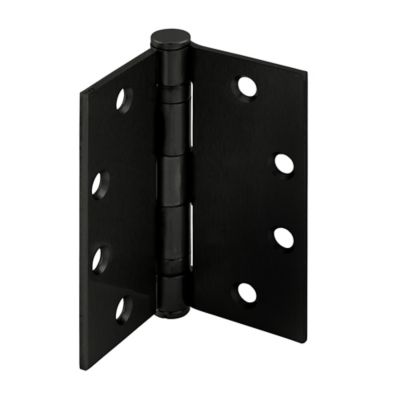
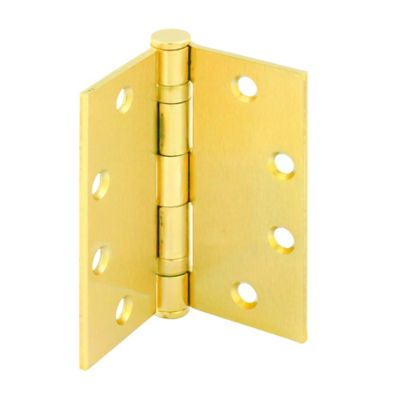
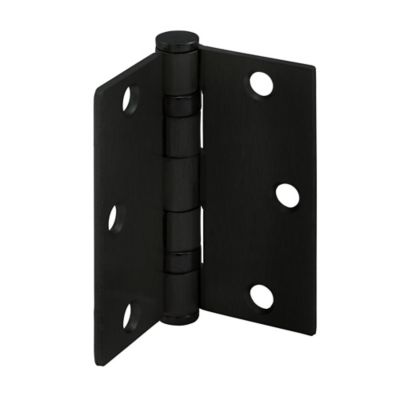
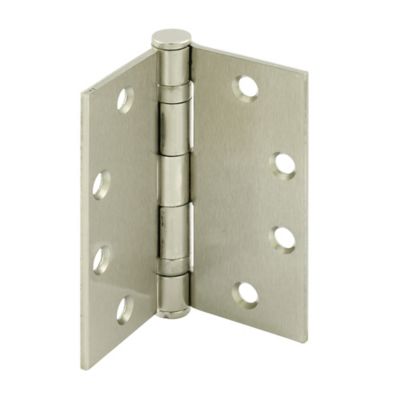
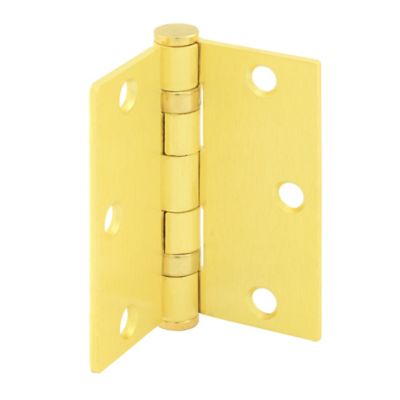
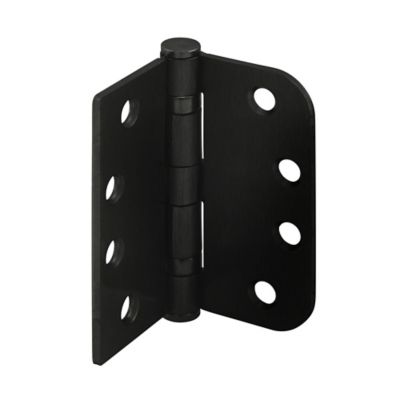
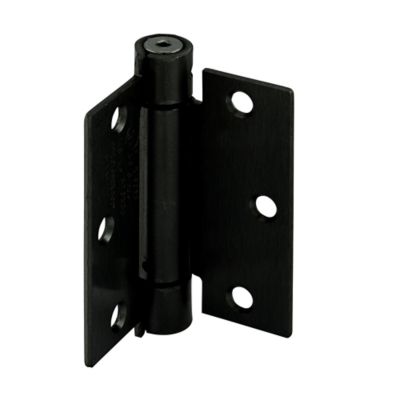
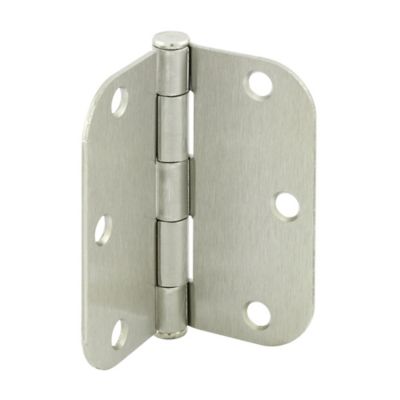
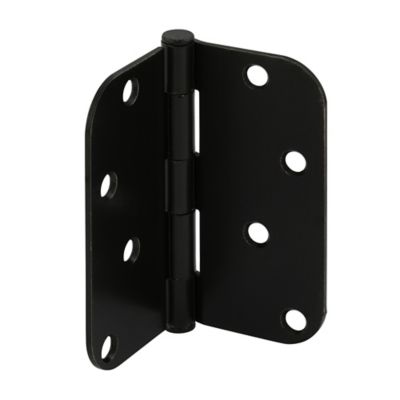
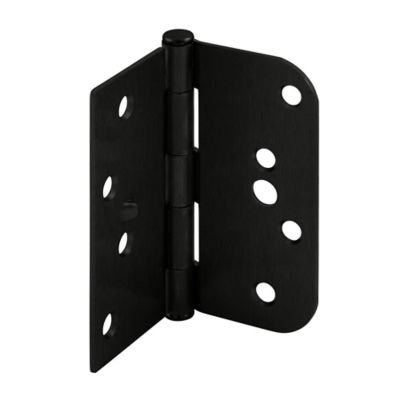
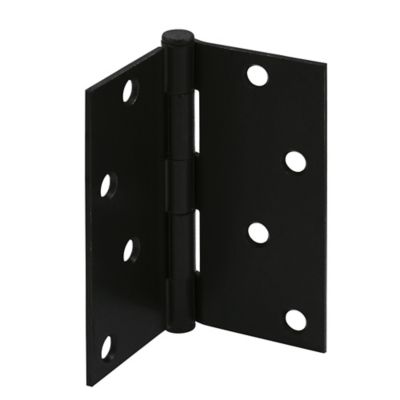
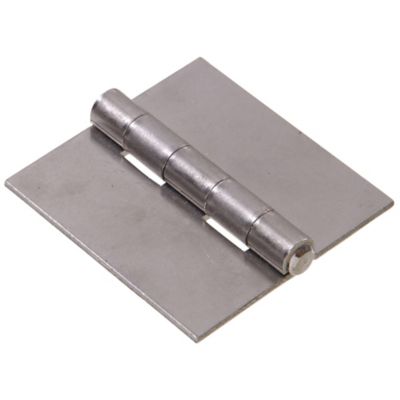
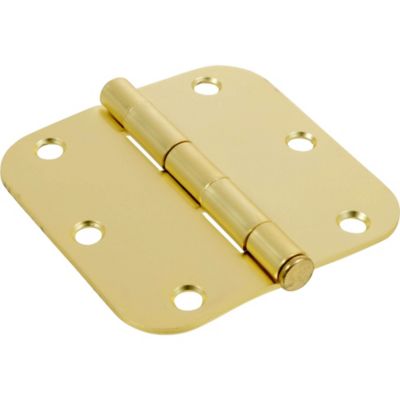
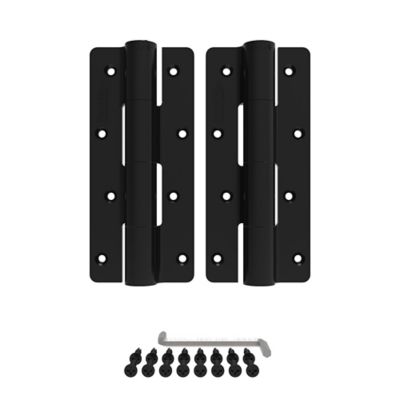
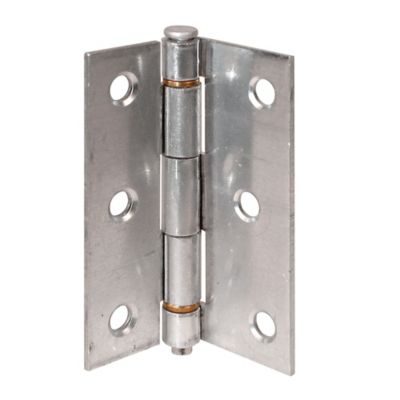
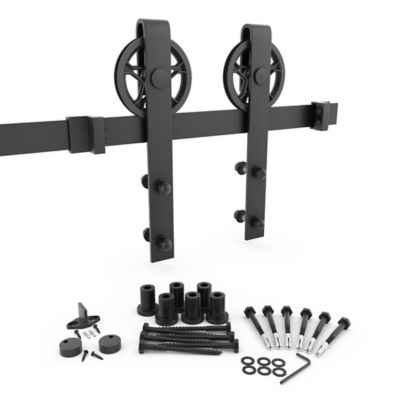
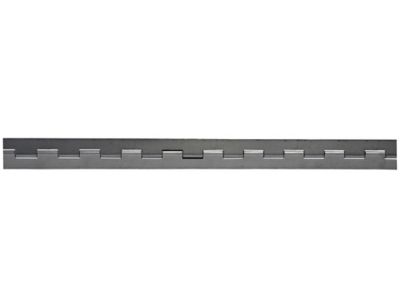
Heavy-duty door hinges carry the load where a substantial door meets its frame, helping the opening swing smoothly and close without dragging across the threshold. Thicker hinge leaves, sturdy knuckles and appropriately sized pins distinguish many of these hinges from lighter hardware, while bearing designs help manage friction on doors that see steady traffic. Around a farm, shop or outbuilding, that can mean a solid wood door opening onto a feed room, a steel personnel door beside a workbench or a wide storage-room door that gets opened with both hands full. The right hinge depends on more than how heavy the hardware looks. Door weight, width, height, construction and daily traffic all affect the demands placed on the hinge assembly. A wide door creates more leverage at the frame than a narrower door of the same weight, and frequent opening puts added wear on moving parts. Steel offers strength for many demanding applications, while stainless steel can make sense where moisture, washdowns or other corrosive exposure are part of the setting. Plated and coated finishes provide another layer of protection, though performance depends on the finish and the conditions around the opening. A painted shop door, an unfinished utility-room door and a metal service door may each call for a different combination of material, finish and mounting hardware. Finish color matters when matching existing handles and latches, but sound construction and proper fit come first. For property owners, maintenance crews, contractors and folks keeping a busy workshop running, heavy-duty door hinges are working hardware: small compared with the door itself, but important every time that door swings. A well-matched set supports the opening without making the latch or frame take on work that belongs at the hinge side.
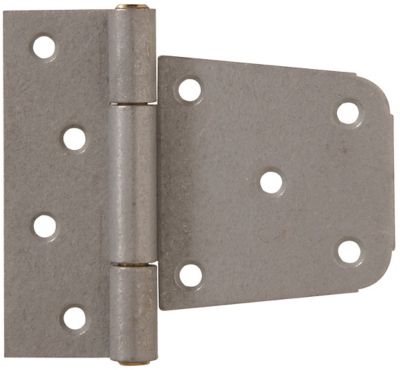
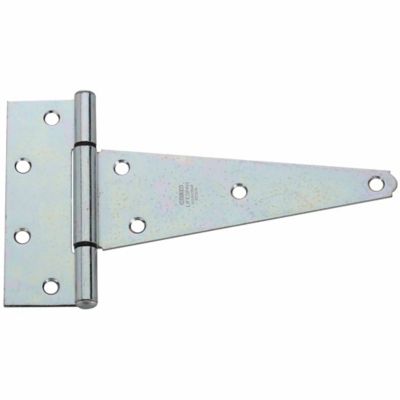
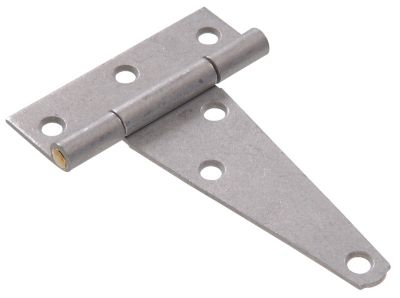
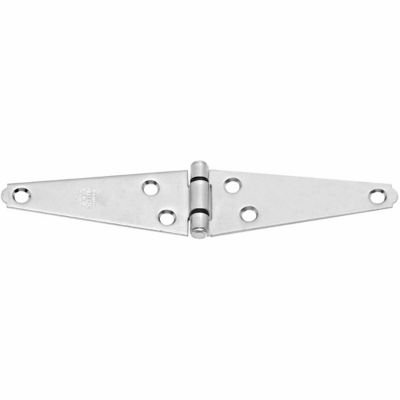
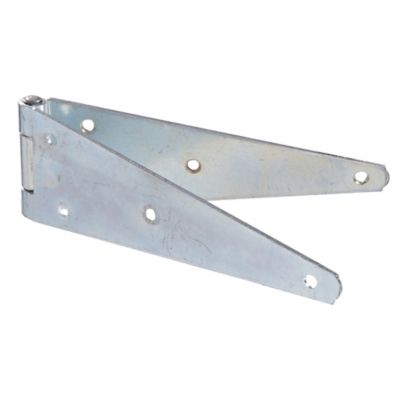
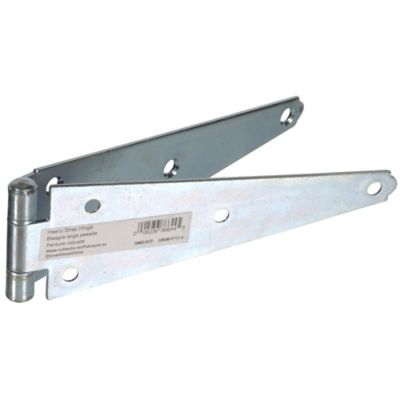
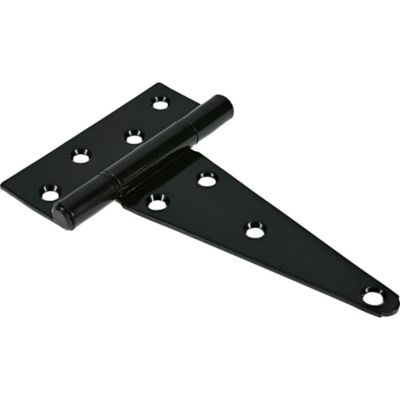
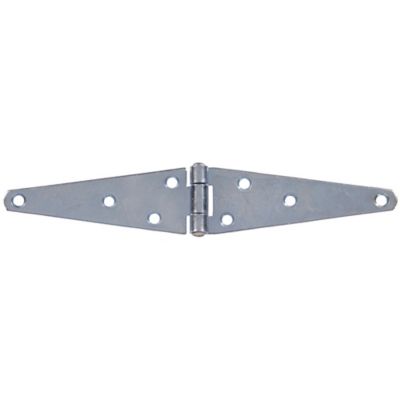
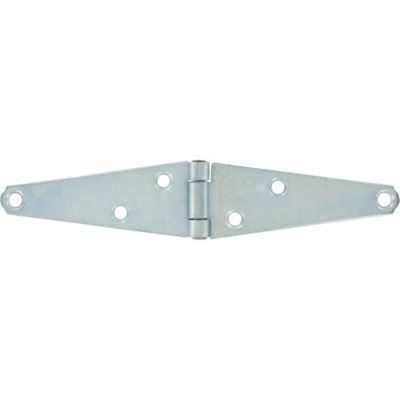
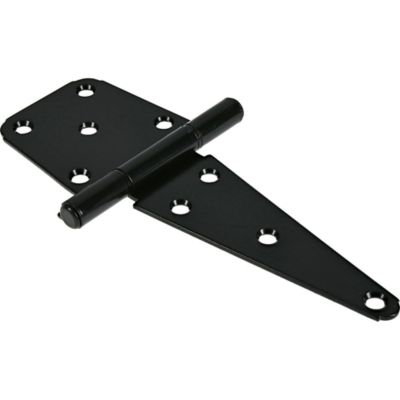
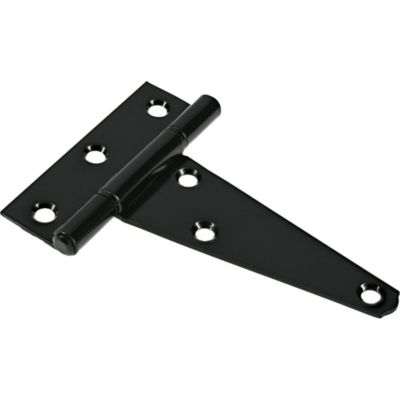
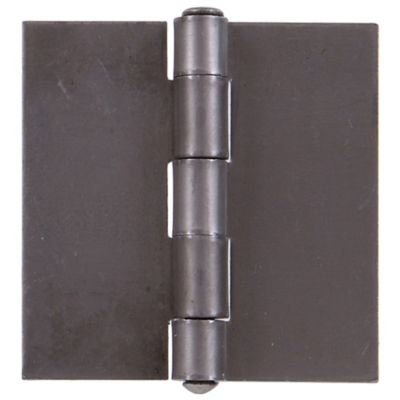
Fit starts with the door and frame, not a one-size-fits-all weight claim. A hinge’s load rating applies under the manufacturer’s stated conditions, which may include door dimensions, hinge count, spacing, fasteners and mounting material. Adding together individual hinge ratings does not necessarily establish the capacity of the finished opening. Many commercial door applications call for hinges measuring 4-1/2 inches by 4-1/2 inches, often alongside doors that are 1-3/4 inches thick, but those measurements are common examples rather than a universal rule. Replacement hardware needs to match the existing preparation, including hinge height, open width, leaf thickness, screw-hole pattern and corner shape. Square corners and radius corners seat differently in a mortise, and a leaf that sits too high or too deep can change the clearance between the door and jamb. Full-mortise butt hinges recess into both the door edge and frame for a flush fit. Surface-mounted hinges attach without that same recessed preparation, while strap and tee styles serve certain shed, barn and gate applications when their ratings and mounting requirements match the job. They are not automatically interchangeable with entry-door hinges. Ball-bearing door hinges reduce friction between moving parts and can be a practical choice for a heavy door that swings throughout the day. Plain-bearing designs may suit other applications, depending on their stated capacity and expected traffic. Pin design matters, too. On an outswing exterior door with exposed hinge barrels, a non-removable pin or another appropriate security feature can help prevent the pin from becoming an easy removal point. Handing, opening angle and clearance also deserve attention, especially where a door needs to swing past trim, clear a nearby wall or leave room for equipment moving through the opening. Those details separate hardware that merely lines up with a few screw holes from hardware that fits the whole doorway.
Long service life also depends on what sits behind the hinge. Even substantial hardware cannot make up for loose framing, damaged wood, stripped mounting holes or an unsuitable attachment to a metal jamb. Fasteners need to suit the hinge manufacturer’s requirements and the supporting material; wood framing, reinforced steel frames and other substrates do not all call for the same attachment. On a barn storage room, a door loaded with hooks or hanging equipment may place more strain on its hinges than its original weight suggests. On a workshop entrance, repeated slamming or a door swinging beyond its intended travel can loosen connections and damage the opening over time. A properly matched closer or stop can help control that movement where the application calls for one, without asking the hinge to act as a doorstop. Routine attention is straightforward: look for loose screws, shifting leaves, uneven gaps, rust buildup or a latch that no longer meets the strike cleanly. A door that begins rubbing may have a hinge issue, but movement in the frame or building can create similar symptoms. Cleaning away grit helps keep debris out of the moving joints, and lubrication should follow the hardware maker’s directions because some bearing systems have different maintenance needs. Harsh cleaners and abrasive tools can damage protective finishes, leaving the underlying metal more exposed. Fire-rated and other regulated openings also require hardware compatible with the listed door assembly and applicable requirements, rather than a replacement selected by size alone. Projects that include a separate outer door need their own hardware match;
Storm Door Hinges should fit that door’s particular frame and mounting system. Whether the main opening leads to a tack room, a repair bay or a utility space, the goal stays practical: hinges matched to the load, anchored to sound support and suited to the way the door works every day.