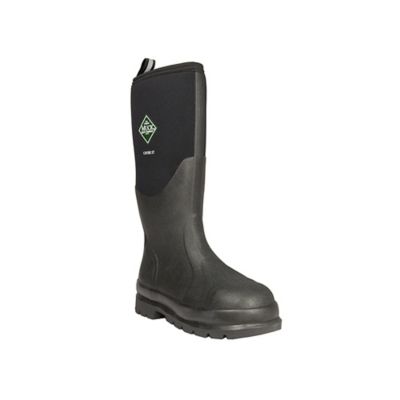
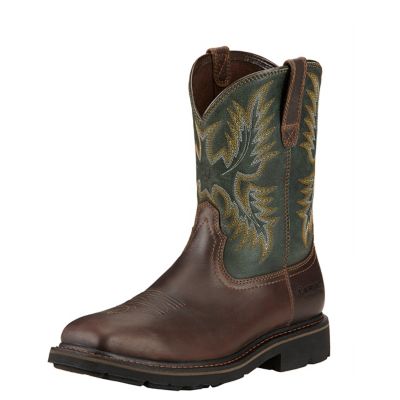
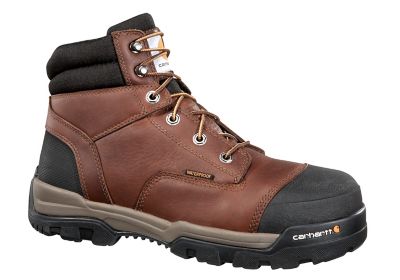
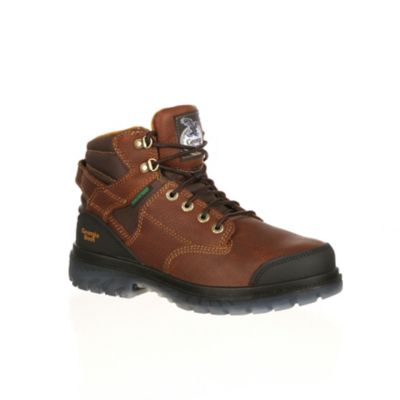
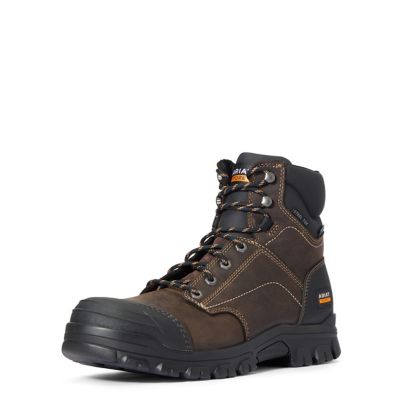
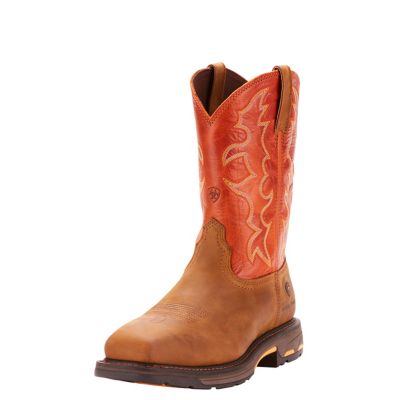
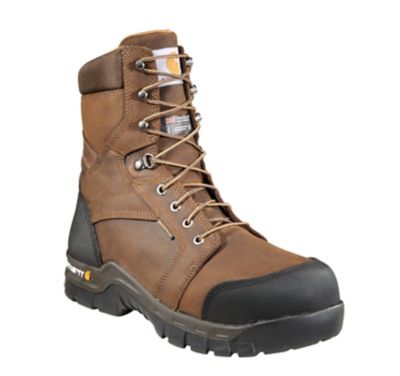
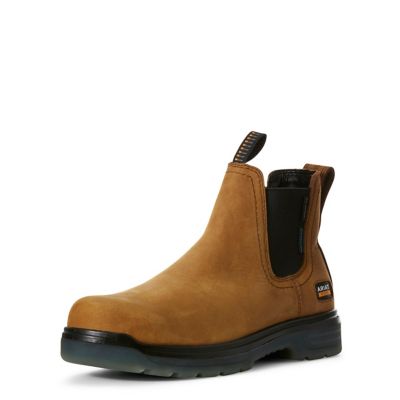
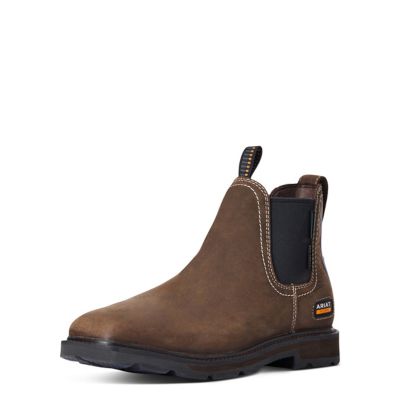
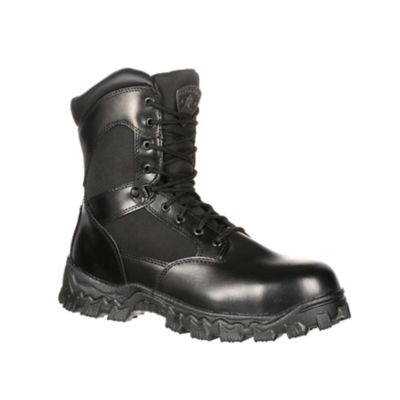
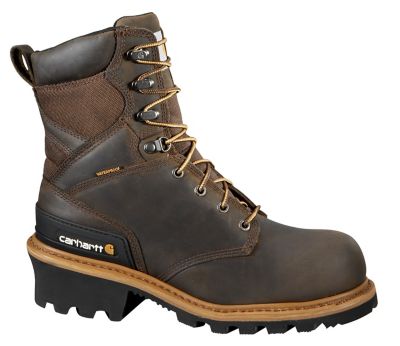
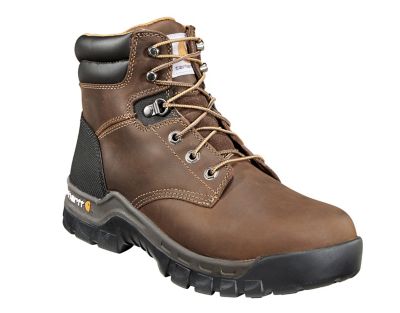
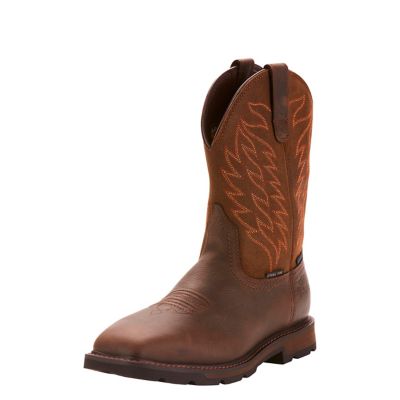
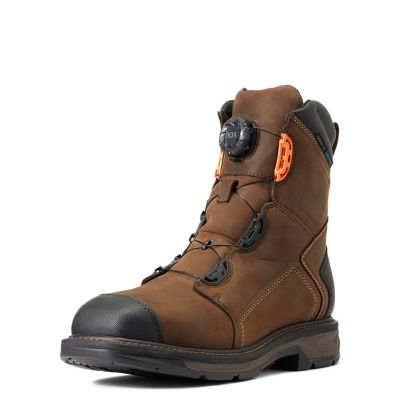
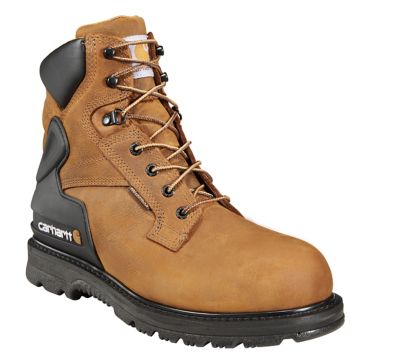
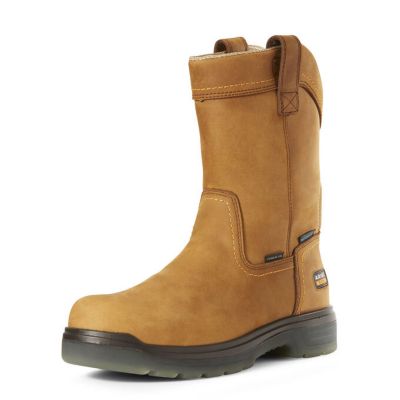
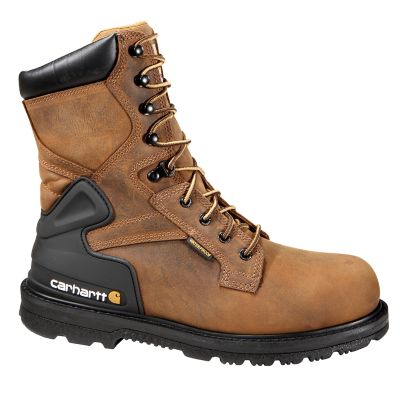
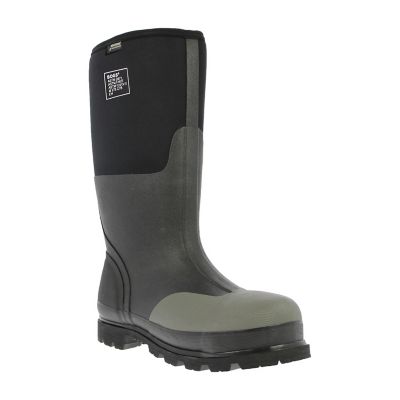
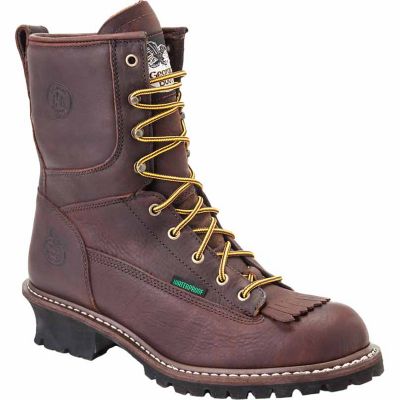
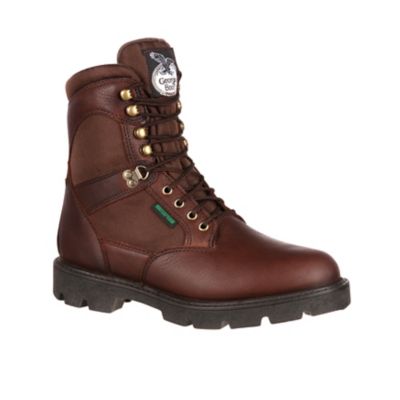
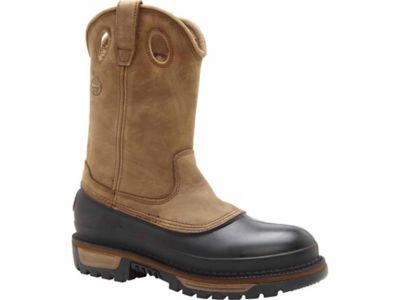
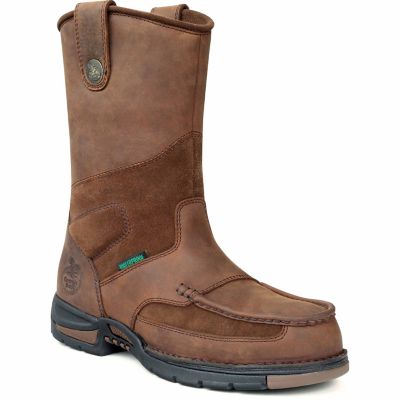
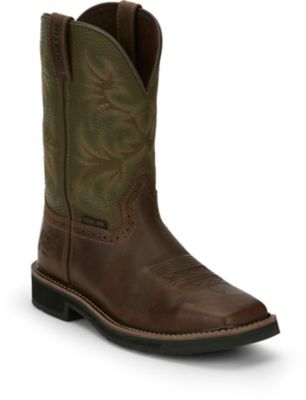
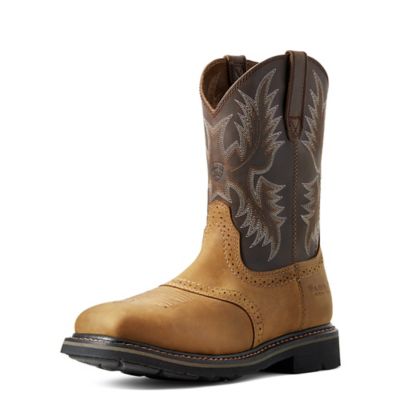
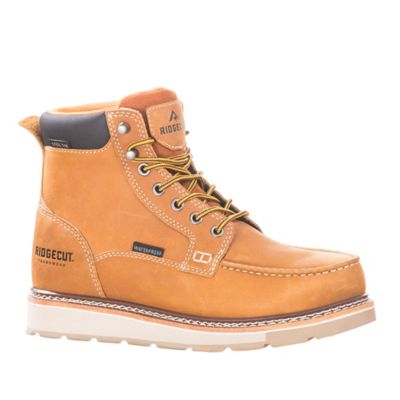
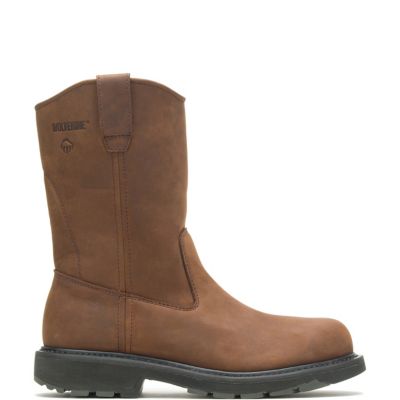
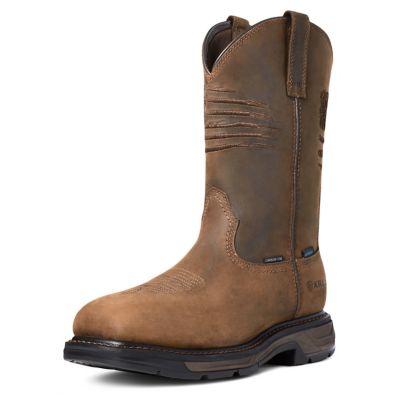
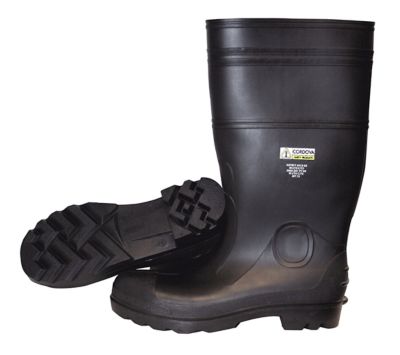
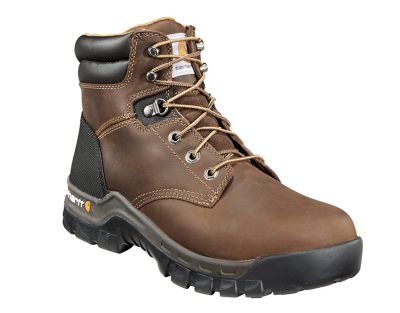
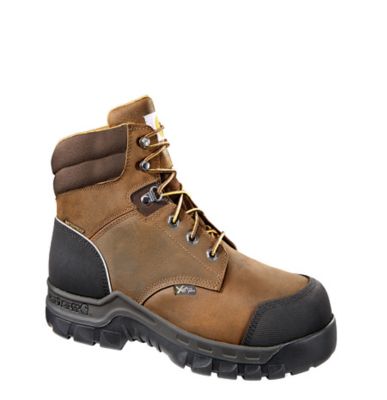
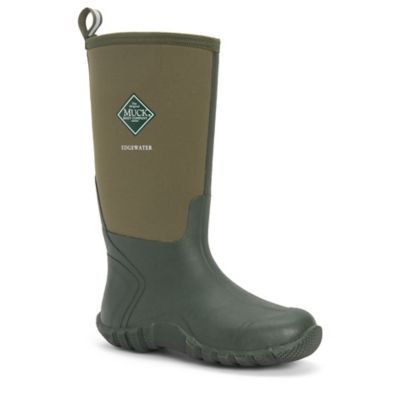
Waterproof safety toe work boots are built for days when the ground is wet, the work is physical, and ordinary footwear does not offer enough protection. They are a practical choice for farmers, ranchers, construction crews, warehouse workers, landscapers, utility workers, mechanics, delivery drivers, and anyone who spends long hours on muddy, damp, or unpredictable job sites. A waterproof boot helps keep rain, puddles, melting frost, and wet grass from soaking through to socks, while a safety toe helps protect against impact and compression from dropped tools, feed sacks, lumber, equipment parts, and other heavy objects. Steel toe boots remain a familiar choice for rugged work, while composite toe styles can offer dependable protection with less weight and without conducting cold as readily in cooler conditions. Whichever toe material fits the job, check the product label for an ASTM F2413 rating and review the specific protections listed. Impact and compression protection are important for many demanding workplaces, while electrical hazard protection may be required for certain trades and job conditions. Electrical hazard-rated footwear is not a substitute for safe work practices, and ratings can vary, so boots should always match the requirements of the job. A waterproof safety toe boot may be especially welcome as a gift for someone starting a new outdoor job, working around a farm or shop, or replacing a worn pair before the cooler months bring more rain and slick ground. For those who prefer a less cumbersome feel, explore
Lightweight Safety Toe Work Boots as another option for long shifts and daily movement.
Fit matters just as much as the safety rating. Work boots should feel secure around the heel and midfoot without pinching across the toes, and there should be enough room for your toes to move without sliding forward when walking downhill or climbing into equipment. Try them on with the socks you normally wear for work, particularly thicker wool or moisture-wicking socks used during colder weather. A proper fit helps prevent hot spots, blisters, and the tired, cramped feeling that can build up after eight or ten hours on concrete. Pay close attention to the shape of the safety toe; a boot can have plenty of length but still feel tight if the toe box is too narrow. Waterproof materials and breathable linings can work together, but feet still need a way to manage heat and sweat during hard work. Look for moisture-wicking lining, removable footbeds, and enough cushioning for the surfaces you walk on most. Outsoles deserve a close look, too. Deep, well-spaced tread can help shed mud, while slip-resistant rubber is useful around wet floors, livestock areas, loading docks, and machinery. Oil-resistant soles can be helpful in garages, shops, and equipment bays, but no outsole makes a slick surface completely safe. For jobs that involve ladders, uneven pasture, or loose gravel, a stable heel and supportive ankle can make each step feel more controlled. Pull-on boots are handy for quick chores and muddy mornings, while lace-up designs allow a more adjustable fit. Some waterproof work boots use cement construction for a lighter feel and flexible break-in, while Goodyear welt construction can offer a sturdy platform and may allow resoling when the upper remains in good shape. These differences affect weight, flexibility, repair options, and long-term value.
Waterproof safety toe boots commonly fall across a broad price range, with many dependable options priced roughly from $90 to $205 depending on materials, construction, insulation, and protective features. A higher price does not automatically guarantee a better fit, so consider the conditions the boots will face and how often they will be worn. Someone walking through wet grass for a few hours each day may need a different level of insulation and support than a concrete-floor worker who spends a full shift inside a warehouse. For heavy daily outdoor use, a well-cared-for pair may last up to about two years, although mileage, terrain, body weight, exposure to chemicals, and job demands can shorten or extend that time. Let boots dry naturally after a wet shift; remove the insoles, loosen the laces, and place them in a ventilated area away from wood stoves, heaters, and other intense heat that can dry and crack leather or weaken adhesives. Brush off dried mud before it hardens around seams and flex points, and follow the care instructions for the boot’s leather, synthetic materials, and waterproof membrane. Waterproofing treatments should be compatible with the boot, since the wrong conditioner can affect breathability or finish. Rotating between two pairs gives each pair more time to dry and can help reduce odor and premature wear, especially when boots are worn every day. Inspect the outsole for smooth spots, check the upper for cracks or separated seams, and replace boots when the tread is badly worn or the safety toe area shows damage. A dependable pair should feel ready for the realities of the job, from a cold walk across a muddy yard at dawn to a long afternoon moving supplies while rain taps against the roof.