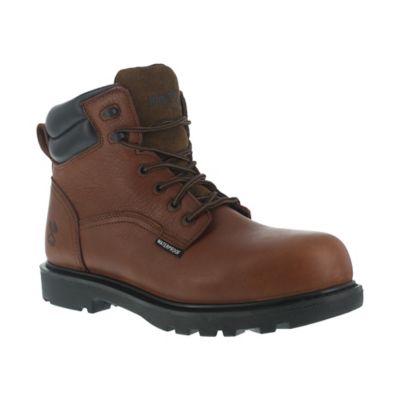
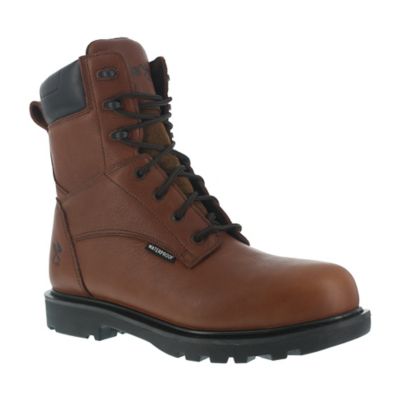
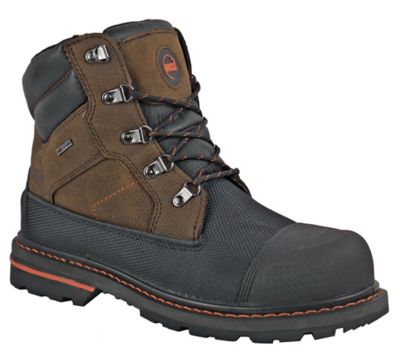
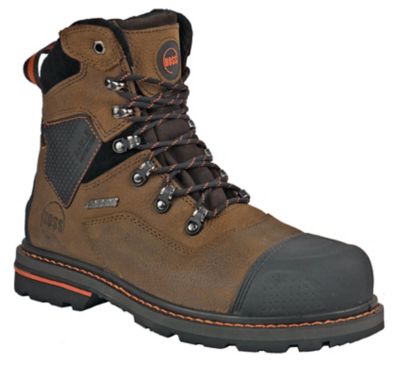
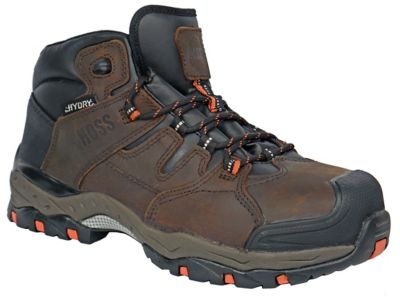
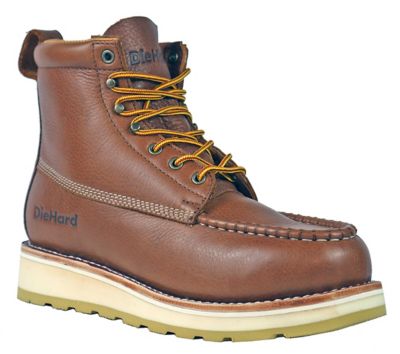
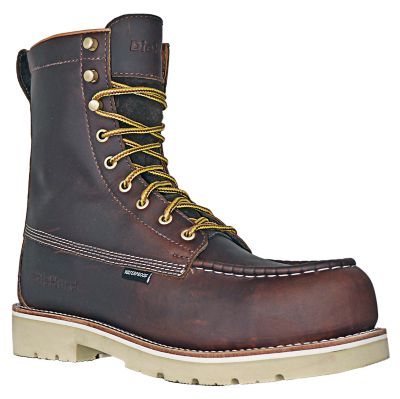
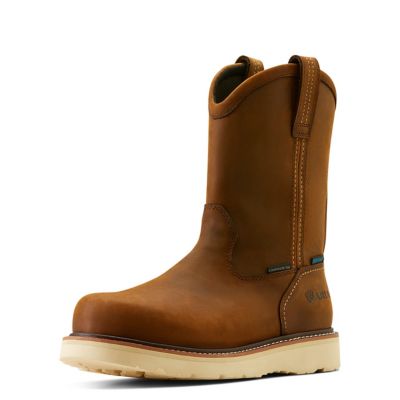
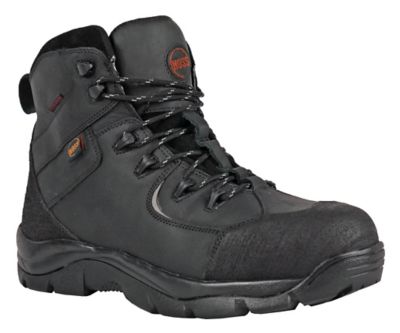
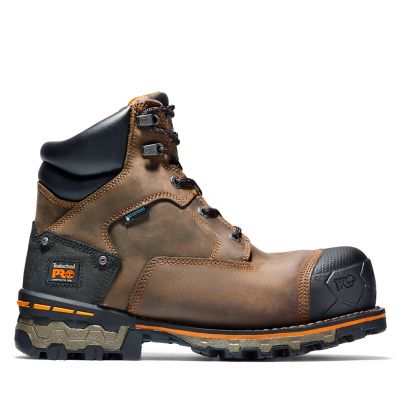
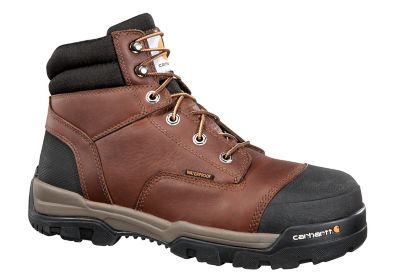
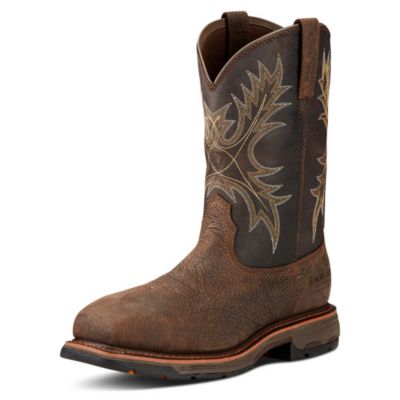
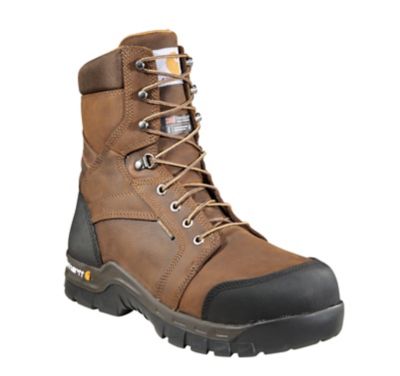
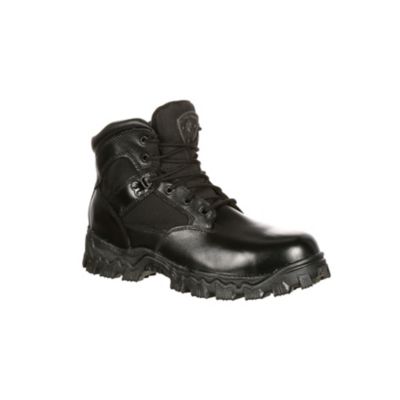
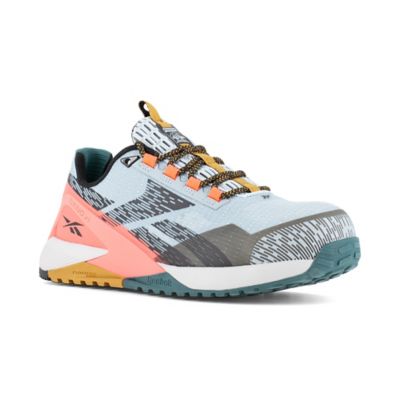
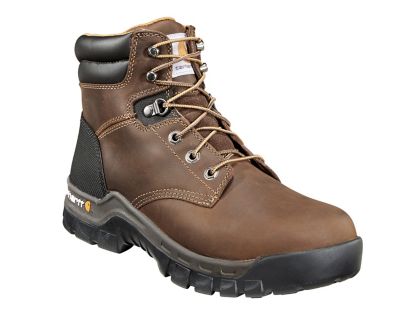
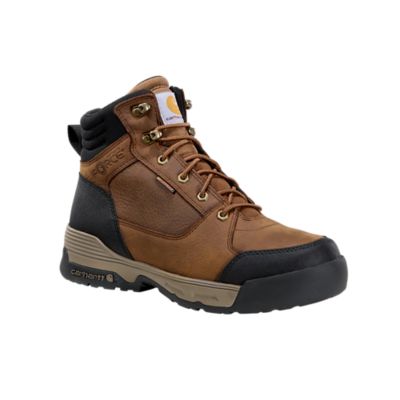
Composite toe waterproof work boots bring together a nonmetallic safety toe and a water-blocking construction for jobs where heavy materials and wet ground are part of the day. They’re a practical fit for farm hands moving feed, construction crews working around equipment, and maintenance workers crossing puddled yards before heading indoors. The toe cap typically contains materials such as fiberglass, carbon fiber, or engineered plastics and sits beneath the outer boot to help protect against impact and compression. Composite toe caps can weigh less than steel alternatives, although the weight of the whole boot also depends on the outsole, upper, lining, and other components. Safety ratings matter more than the toe material alone: ASTM F2413 markings identify the protection a boot has been tested to provide, and workplace requirements determine which ratings belong on the job. A composite toe does not automatically make the entire boot metal-free, since hardware, shanks, or other parts may contain metal. Electrical hazard protection is a separate rating, not a built-in benefit of every nonmetallic toe, and it does not make footwear shockproof or suitable for energized electrical work. Waterproof construction addresses a different part of the workday. Depending on the design, a boot may combine treated leather, a waterproof membrane, sealed seams, and a gusseted tongue to help block water from reaching the foot. That protection comes in handy when walking through wet grass, stepping across a muddy equipment yard, or tending livestock around a damp barn lot. Water can still enter over the boot opening, and waterproof work footwear is not a substitute for chemical-resistant boots where hazardous liquids are present. Leather uppers offer substantial coverage and can soften with wear, while textile panels may add flexibility or help trim weight. Inside, moisture-managing linings and breathable membranes can help move perspiration vapor, though socks may still become damp during hard physical work. The right combination supports the actual work environment rather than treating every wet job as the same.
Fit makes a difference once the shift stretches beyond the first trip from the truck. A composite safety toe needs enough room for toes to rest naturally without rubbing the cap when kneeling, crouching, or walking downhill. Unlike the surrounding leather, the protective cap will not stretch into a roomier shape. Width matters just as much as length, especially across the forefoot, where a narrow fit can create pressure even when there is space ahead of the toes. Work socks, foot shape, and any prescribed orthotics all affect how a boot sits, so the fit should reflect what will actually be worn on the job. A secure heel and steady midfoot help keep the foot from sliding forward, while a little natural movement is different from a heel that lifts excessively with every step. Lace-up styles allow adjustment across the instep and ankle; pull-on designs offer fewer closures to manage but depend more heavily on the shape of the shaft and instep for a steady fit. Underfoot construction matters when the day includes standing at a workbench, carrying fence posts, or climbing in and out of equipment. Cushioning can soften repeated steps on concrete, while a supportive midsole and shank can help distribute pressure across the foot. Neither replaces a proper fit. Outsole patterns also serve different needs. Deeper lugs can bite into loose ground and provide space for mud to shed, while flatter contact surfaces may feel more settled on smooth shop floors. A defined heel can be useful on ladder rungs when it matches the task and workplace requirements. Slip-resistance claims deserve attention, but no tread grips every surface equally; mud, oil, loose gravel, and worn tread can all change footing. Oil resistance, abrasion resistance, and puncture resistance are separate features rather than interchangeable promises. For someone splitting time between a gravel lot and a concrete floor, the most useful boot balances traction, flexibility, cushioning, and protection without adding more weight than the job calls for.
The way composite toe waterproof work boots are put together also affects how they hold up to daily wear. Reinforced toe overlays can help shield the upper during kneeling work, while sturdy heel counters help maintain shape where boots take repeated pressure. Stitching, welt construction, bonded soles, and the connection between the upper and outsole all influence flexibility, repair options, and how the boot handles repeated bending. Some welted boots may be candidates for resoling, but that depends on the construction and the condition of the upper. Waterproof components need attention along with the outside leather. Packed mud can hide damage around seams and keep moisture against the surface, so routine cleaning helps preserve the materials and makes wear easier to spot. A soft brush and a damp cloth handle much of the everyday dirt; leather cleaners and conditioners should match the manufacturer’s recommendations, particularly where a membrane or specialized finish is involved. Excessive heat from a heater, dryer, or direct heat source can harm leather, adhesives, and waterproof layers. Allowing boots to dry with airflow, with removable insoles taken out when appropriate, helps moisture escape without forcing the process. Alternating between pairs can give interiors more drying time after a long, damp shift. Cracked uppers, separating soles, worn tread, and damage around the protective toe are signs that the footwear needs attention, even if the outside still looks fit for another day. Waterproofing treatments may help maintain the outer material’s water repellency, but they cannot repair a torn internal membrane. Where the work does not require impact or compression protection,
soft toe waterproof work boots offer another way to keep wet conditions in mind without a protective toe cap. Where safety toes are required, the right fit, verified ratings, suitable tread, and sound waterproof construction give composite toe boots a clear role in the working day.