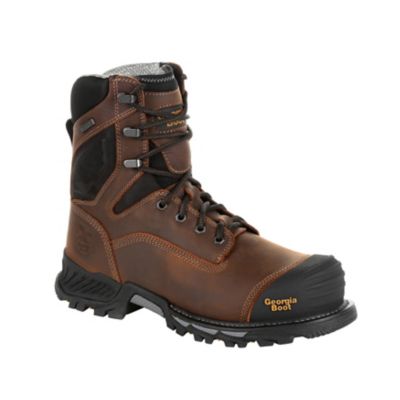
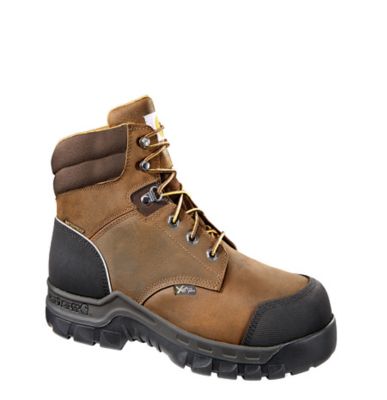
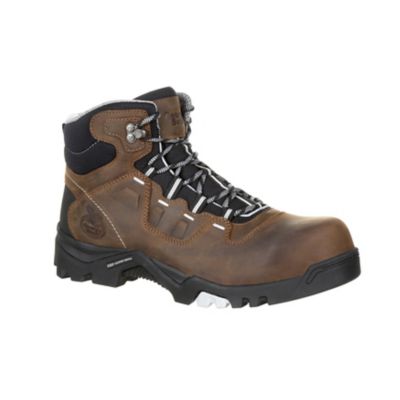
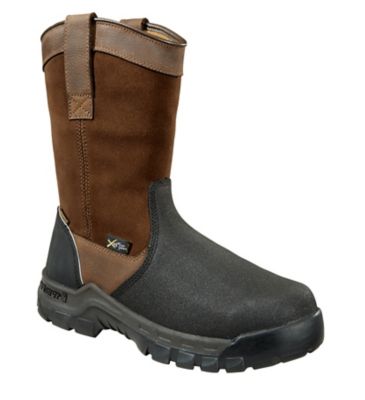
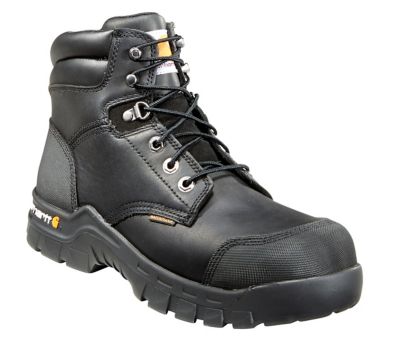
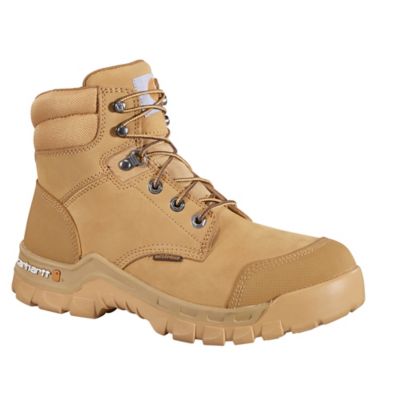
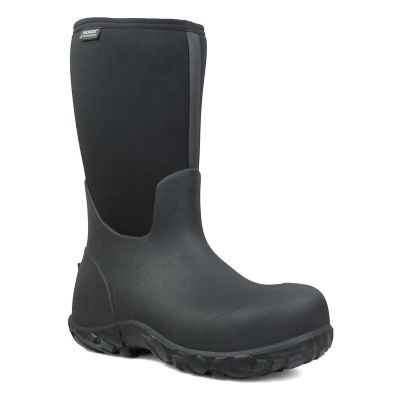
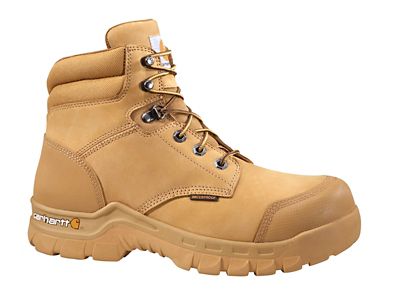
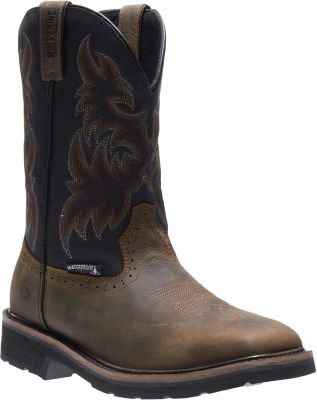
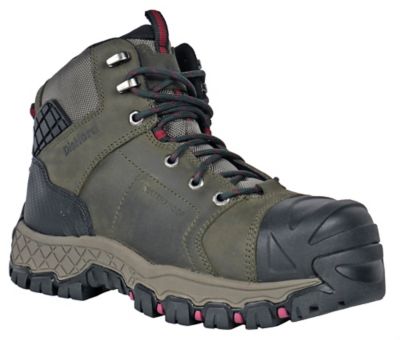
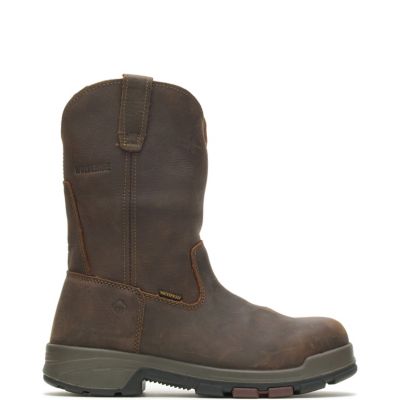
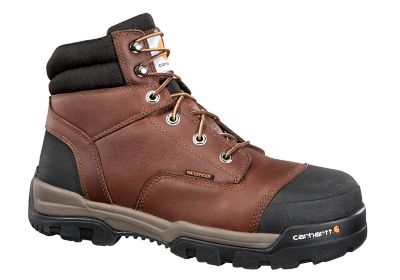
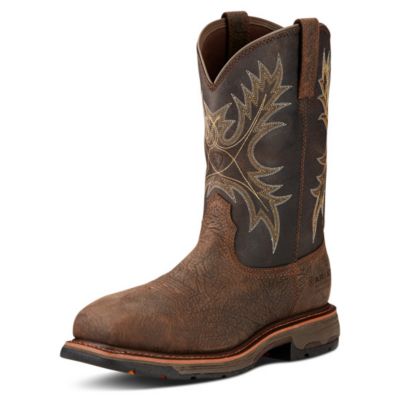
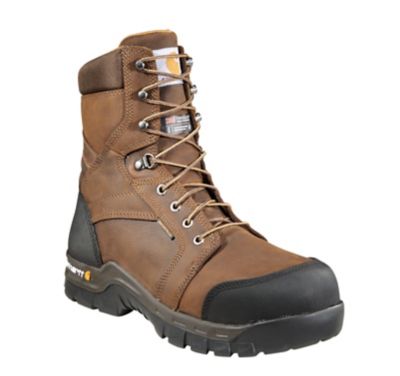
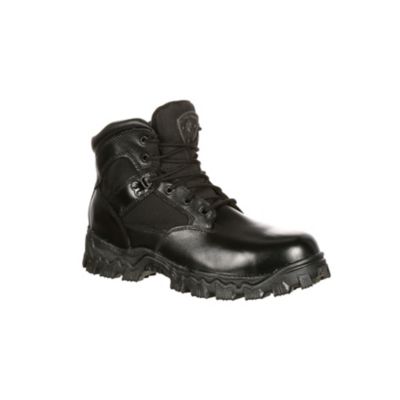
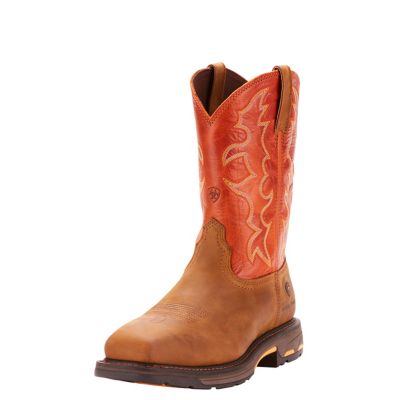
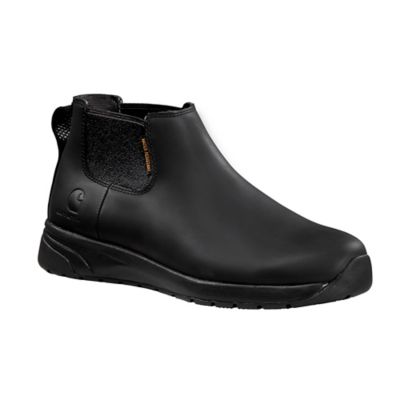
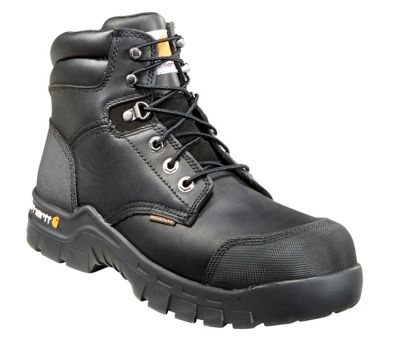
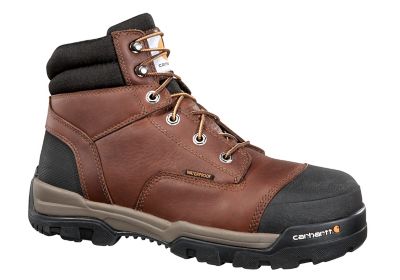
Waterproof composite toe boots are made for people who spend long hours on their feet while rain, mud, puddles, and jobsite mess are part of the workday. They combine a protective, non-metallic toe cap with materials and construction designed to help keep water out, making them a practical choice for farm work, construction, landscaping, utility jobs, warehouse work, delivery routes, and other outdoor tasks. A composite toe may be made from materials such as fiberglass, carbon fiber, or Kevlar, rather than steel. That can help reduce the overall weight of the boot and may feel easier on your feet during a long shift, especially when you are walking across a pasture, climbing ladders, carrying feed, or moving between wet and dry surfaces. Composite materials also do not conduct cold or heat the same way metal can, which many workers appreciate during cooler mornings or hot days around equipment and concrete. These boots are not only for full-time tradespeople. They can be useful for ranchers, farmers, maintenance crews, property owners, hunters, and anyone who needs a dependable work boot with added toe protection and weather coverage. When shopping, look for safety markings that match the demands of the job, including ASTM F2413 impact and compression ratings when those standards are required by your workplace. A protective toe is only one part of the safety picture, so pay attention to the sole, tread, ankle support, and fit as well. A boot with a deep, slip-resistant outsole can provide better footing on wet lumber, slick shop floors, loose gravel, or muddy ground, while a raised heel and firm shank may add stability when you are working on uneven terrain. For a wider selection of weather-ready work footwear, browse
Waterproof Safety Toe Work Boots.
Waterproofing can mean different things from one pair to the next, so read the product details carefully before choosing a boot for your work environment. Some designs use a waterproof membrane between the outer material and the lining, while others rely on treated leather, sealed seams, rubber sections, or a combination of features. A gusseted tongue helps keep water and grit from entering around the laces, and a taller shaft can offer more coverage when grass is wet or a worksite is thick with mud. Six-inch boots are a common all-around height for everyday work, while taller styles may be useful when you regularly walk through deeper puddles, brush, snow, or muddy ground. Keep in mind that waterproof protection does not make a boot indestructible or guarantee dry feet if water comes over the top. Fit matters just as much. Try boots on with the socks you normally wear for work, leaving enough room to wiggle your toes without allowing your heel to lift excessively. Composite safety toes can feel roomy in one shape and snug in another, so compare the toe box, instep, and width instead of choosing by size alone. Your feet may swell during a long shift, and a little extra room can make a noticeable difference by the end of the day. Look for cushioning under the heel and forefoot, supportive insoles, breathable linings, and a collar that feels secure without rubbing your ankle. If you work around ladders, machinery, or loose debris, a sole with reliable traction and good flex can help you move with confidence. For warehouse or shop use, a less aggressive tread may shed less dirt indoors, while outdoor crews may prefer deeper lugs that grip soil and gravel. Workers who pass through security checkpoints may also appreciate that composite toe boots are non-metallic, though workplace requirements and screening procedures can vary. The best pair balances protection with the way you actually move, whether that means kneeling beside a fence line, standing at a counter, climbing into a truck, or walking several miles over a shift.
A good pair of waterproof composite toe boots can also make a thoughtful gift for someone who works with their hands. They suit a new hire starting a construction job, a family member taking on farm chores, a groundskeeper preparing for wetter weather, or a friend who spends weekends repairing equipment and improving the property. If you are buying boots for someone else, check their usual size and width, preferred height, and the type of work they do before ordering. A gift receipt or easy exchange option is especially helpful because comfort and fit are personal, and safety footwear should never be kept if it pinches, rubs, or allows too much movement. During the warmer seasons, waterproof boots can protect against heavy dew, sudden showers, creek crossings, and early-morning chores. As cooler weather settles in, they become useful for cold rain, damp leaves, muddy driveways, and slick ground around barns and job trailers. Break in a new pair gradually rather than wearing it for a full day on the first outing; short walks around the house, shop, or yard can reveal pressure points before they become blisters. Keep the boots clean by brushing away dried mud and rinsing off heavy grime according to the care instructions. Let them dry naturally away from woodstoves, heaters, and open flames, since intense heat can damage leather, adhesives, waterproof membranes, and rubber. Remove the insoles when needed to help moisture escape, and replace worn laces or insoles when they no longer provide a secure fit. Even the toughest outsole wears down over time, so inspect the tread, seams, toe area, and heel for damage before each season of heavy use. Waterproof composite toe boots are a practical investment for anyone who needs a steady footing, protected toes, and drier feet while the work keeps moving through changing conditions.