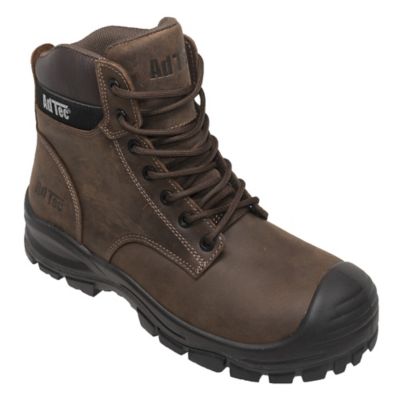
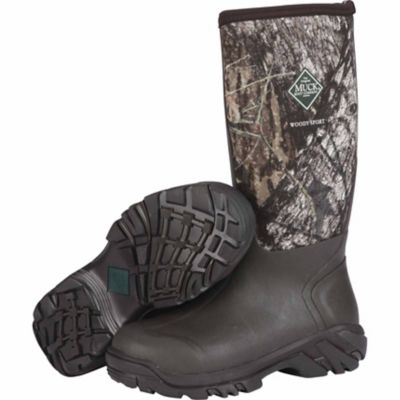
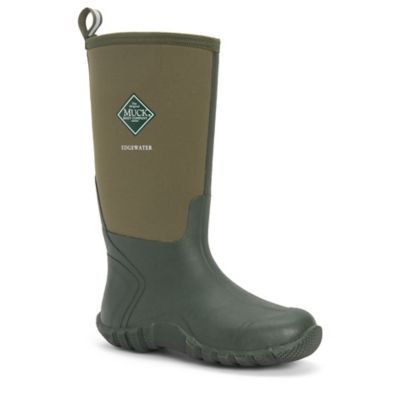
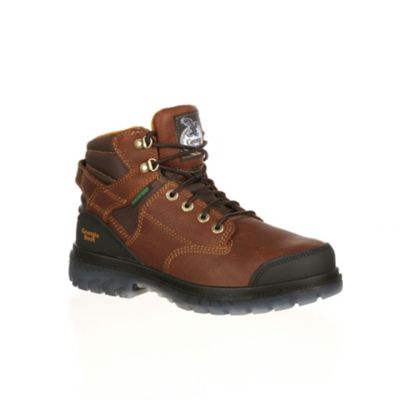
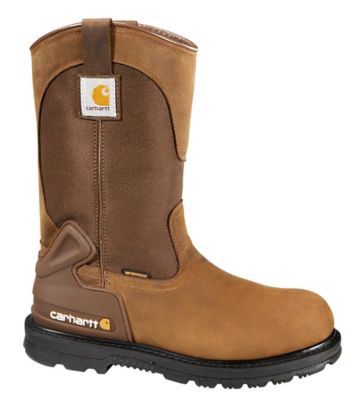
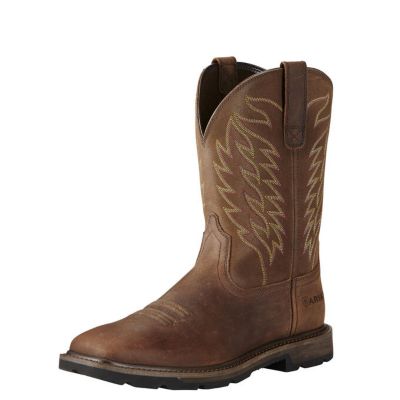
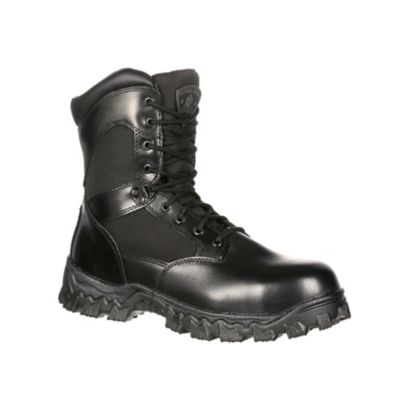
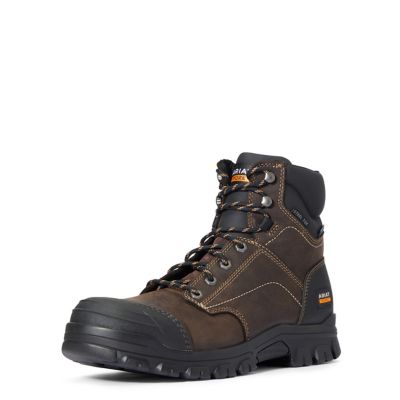
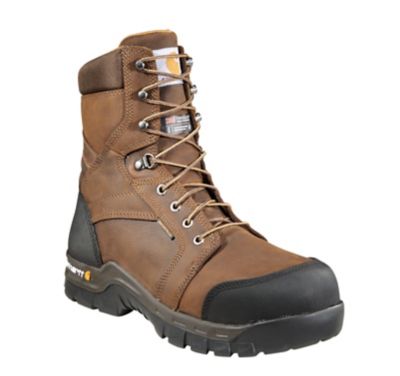
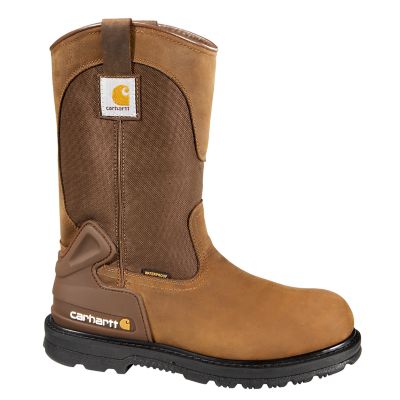
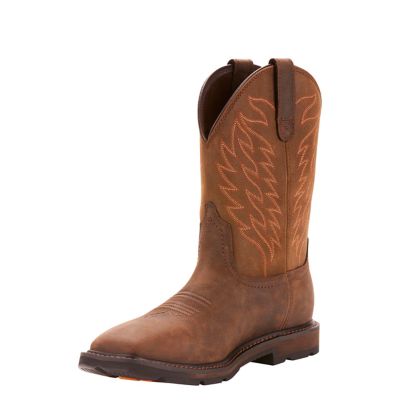
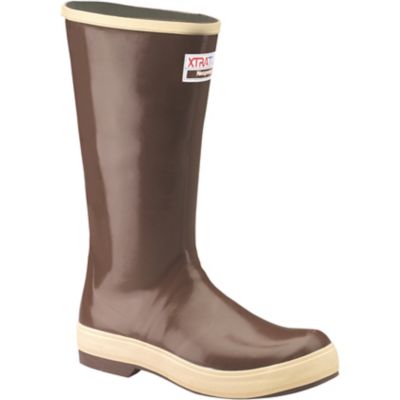
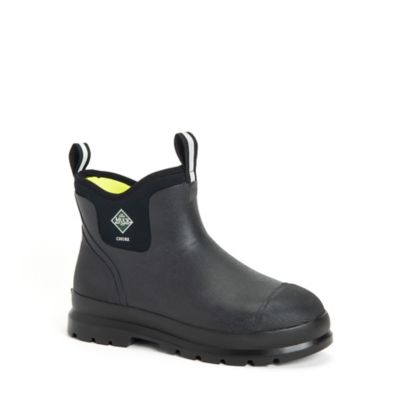
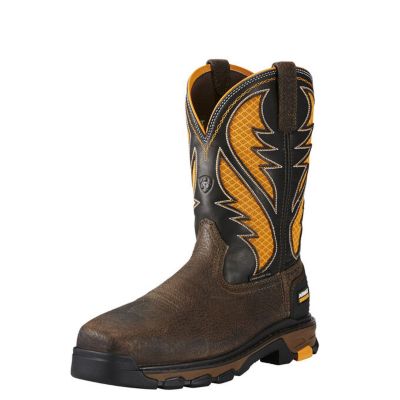
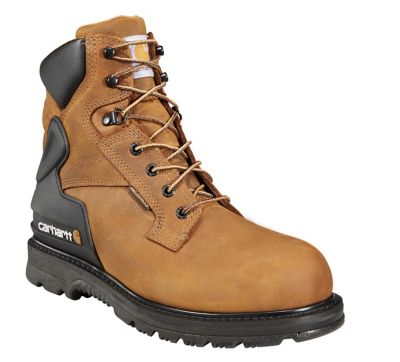
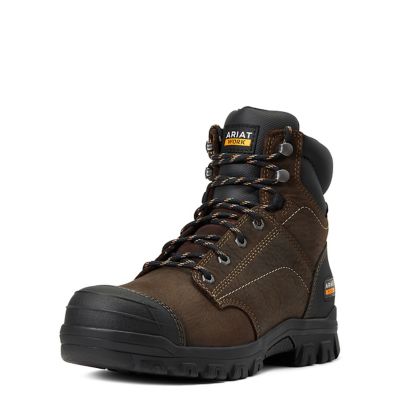
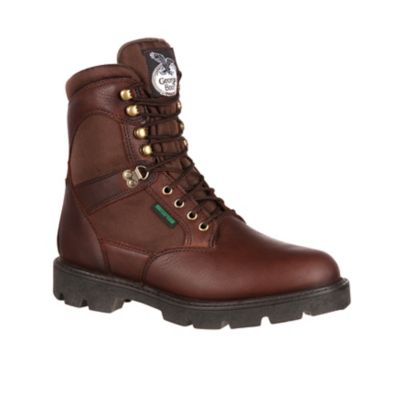
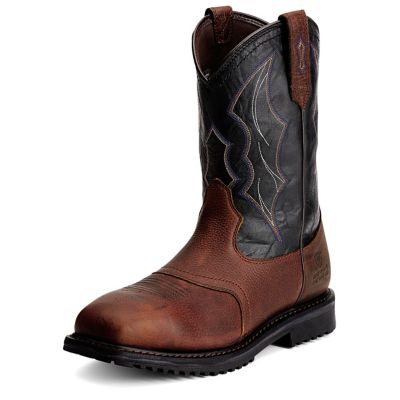
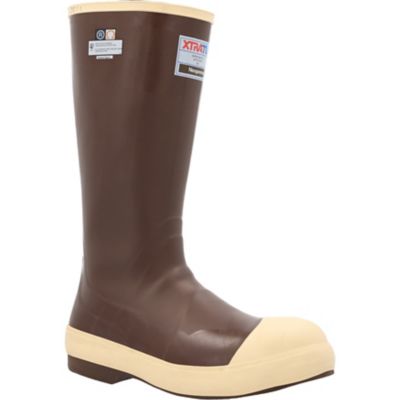
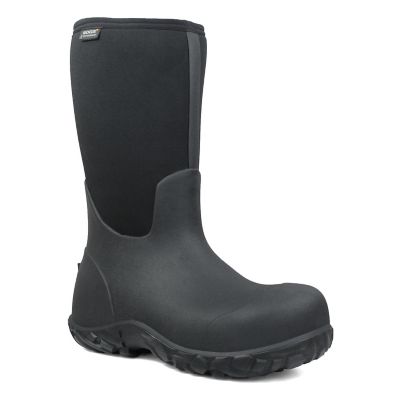
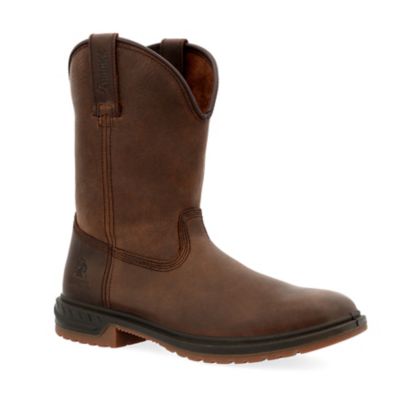
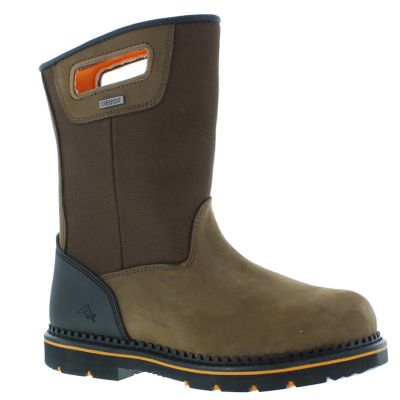
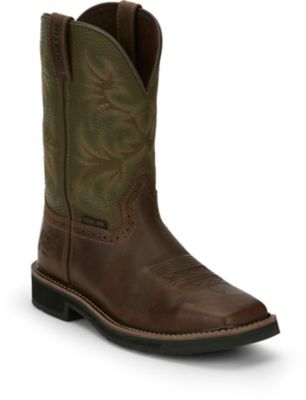
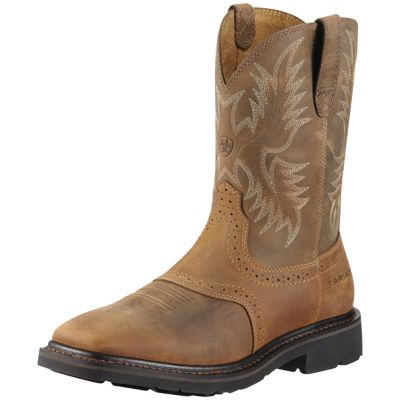
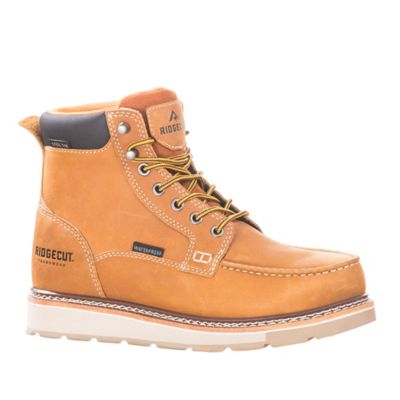
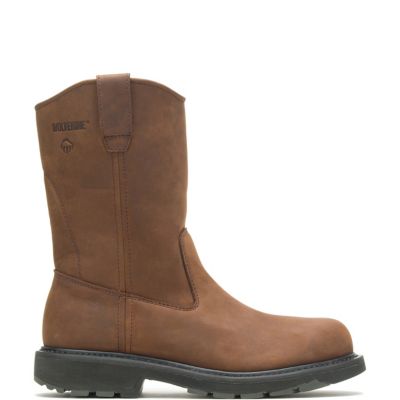
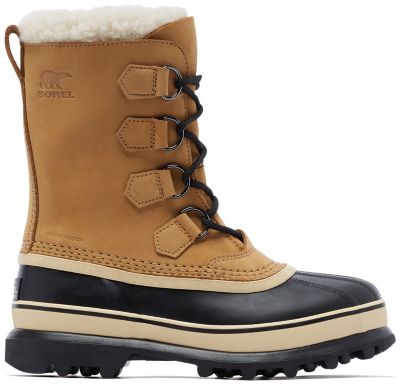
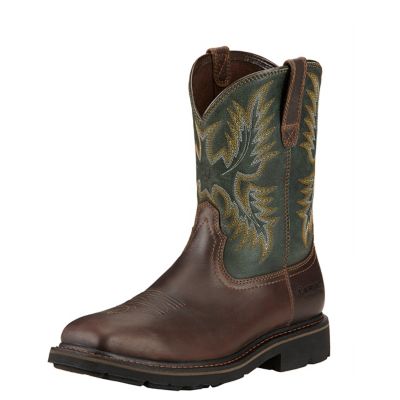
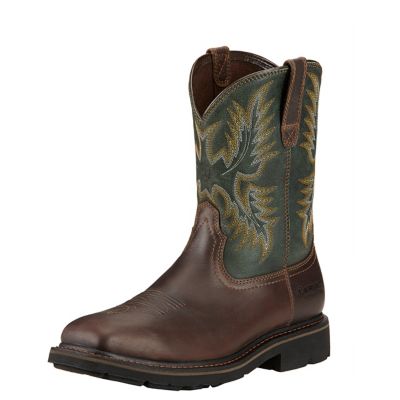
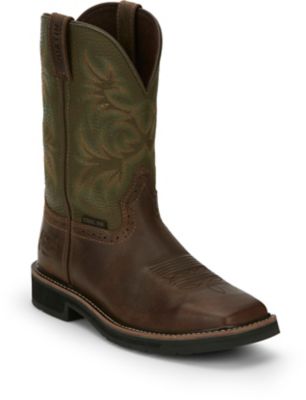
Waterproof slip resistant work boots are built for long days when the ground, floor or weather refuses to cooperate. They help keep feet dry around muddy fields, wet sidewalks, livestock pens, wash bays, kitchens, warehouses, job sites and other places where standing water, oil or slick surfaces can make each step less certain. A dependable pair typically combines a waterproof upper or waterproof membrane with a rubber outsole designed to improve traction. Look for details such as seam-sealed construction, treated full-grain leather, waterproof synthetic materials and gusseted tongues that help keep moisture from finding its way inside. A taller shaft can offer extra coverage when walking through wet grass or shallow puddles, while a lower work shoe or ankle-height boot may feel easier to move in during indoor jobs and lighter outdoor chores. Waterproof does not always mean every part of a boot is sealed for deep-water use, so check the product description for the intended level of protection. Breathable lining materials can also make a difference, especially when a shift stretches from the cool morning into a warmer afternoon. Feet that stay damp from rain or sweat tend to feel tired faster, and wet socks can lead to rubbing and blisters. Wearing moisture-wicking work socks, allowing boots to dry fully between wears and following the care instructions can help extend comfort and boot life. During the warmer part of the year, these boots are handy for early-morning chores, rainy workdays and muddy garden paths; as the weather turns cooler, they can add welcome protection against cold, damp ground without requiring a separate pair for every task.
Traction deserves just as much attention as waterproofing. A rubber outsole with well-spaced lugs or a patterned tread can help shed water, mud and debris while giving the foot a more secure contact with the surface. For indoor work, a flatter slip-resistant sole may be easier to clean and better suited to smooth floors, while deeper lugs can be useful on gravel, uneven ground and soft soil. No outsole can eliminate every hazard, particularly on ice, loose rock or heavy mud, so steady footing and attention to the surface still matter. If a workplace has specific safety requirements, check the boot label and product details for applicable testing or ratings, including ASTM or Mark II slip-resistance information when required by the job. Some work environments also call for oil-resistant outsoles, which can help when equipment fluids or greasy floors are part of the daily routine. Protection at the toe is another important choice. Soft-toe boots are often a practical fit for general farm work, delivery routes, landscaping and everyday maintenance. Steel-toe boots offer a traditional level of impact and compression protection, while composite-toe styles can provide protective coverage with a lighter feel and less cold transfer in chilly conditions. Electrical hazard protection may be needed for certain construction, maintenance or utility tasks, but it should be selected based on the hazards and rules of the worksite. A boot that fits well is more likely to be worn consistently, so leave enough room for the toes to move without letting the heel slide. Try boots with the socks you expect to wear on the job, and pay attention to pressure across the instep, the width of the toe box and any rubbing around the ankle. A little extra time at the fitting stage can prevent a long day of hot spots and sore feet.
These boots suit farmers, ranch hands, landscapers, contractors, mechanics, warehouse workers, restaurant crews, sanitation teams, delivery drivers and anyone who spends a lot of time on wet or slippery surfaces. They can be especially useful for a person whose work moves between a dry building and a damp outdoor setting, such as a farm store employee checking inventory outside, a caretaker heading from a barn to a feed room, or a homeowner tackling cleanup after a hard rain. They also make a practical gift for a new hire, a student beginning an agricultural program, a family member taking on regular property chores or a friend who enjoys hunting, fishing and other muddy outdoor activities. When choosing a gift, consider the recipient’s usual terrain, job requirements, preferred boot height and need for a safety toe rather than guessing from appearance alone. For shoppers looking for a women’s fit, the selection of
Womens Waterproof Slip Resistant Boots can make it easier to find waterproof coverage and traction in styles shaped with women’s sizing in mind. After use, brush off dirt before it dries hard, rinse away mud when needed and let the boots air-dry away from intense heat, which can crack leather or weaken adhesives. Removable insoles can be taken out to dry separately, and leather uppers may benefit from a conditioner approved for waterproof work footwear. Store boots upright in a dry, ventilated spot so they are ready for the next early start. Whether the day brings wet grass, a slick concrete floor, a muddy livestock area or a chilly walk across the property, the right waterproof slip resistant work boots can help keep feet drier, steadier and more comfortable from the first chore to the last.