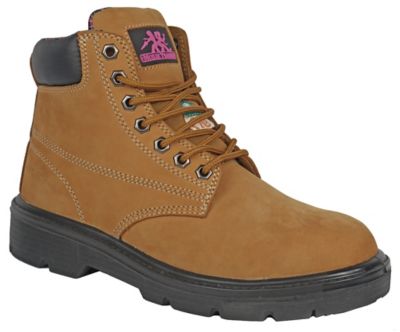
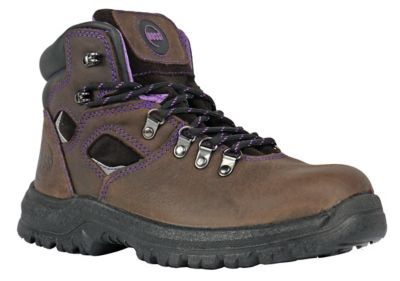
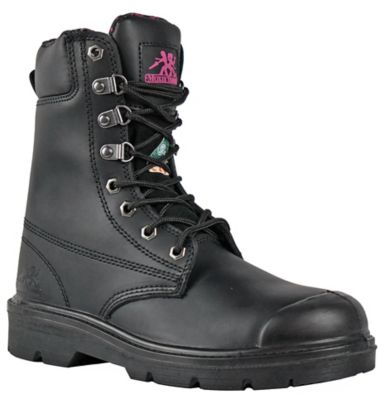
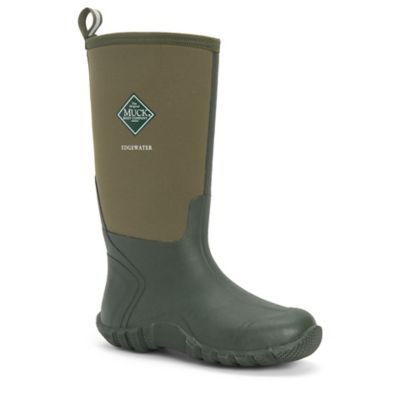
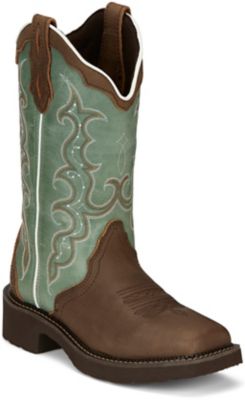
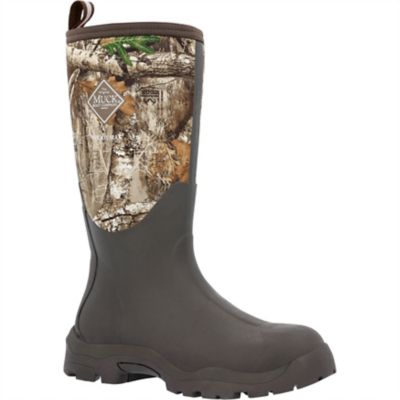
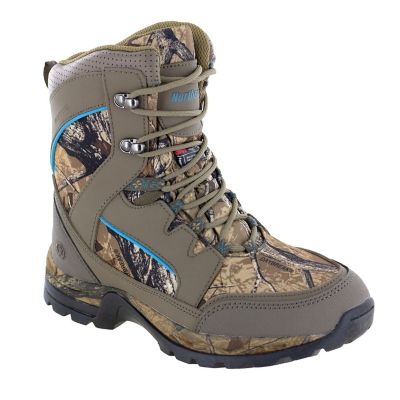
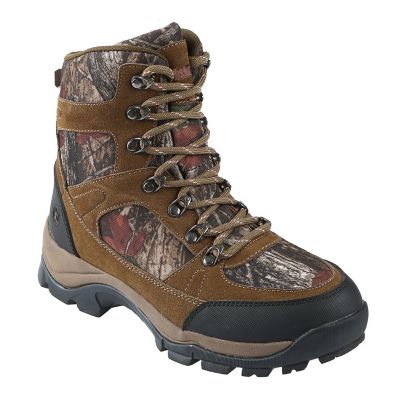
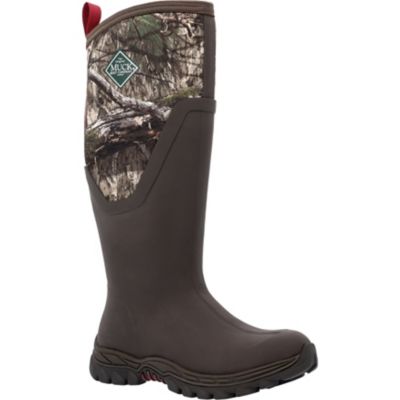
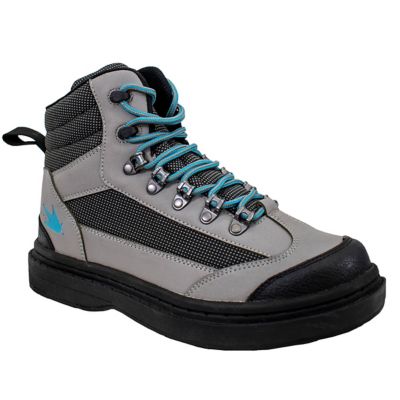
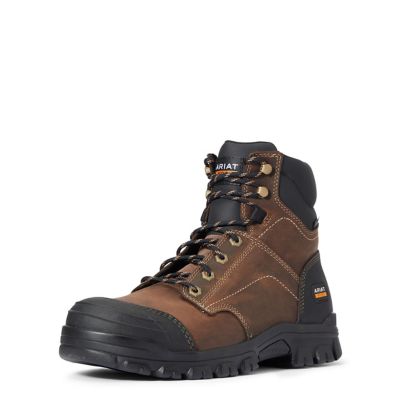
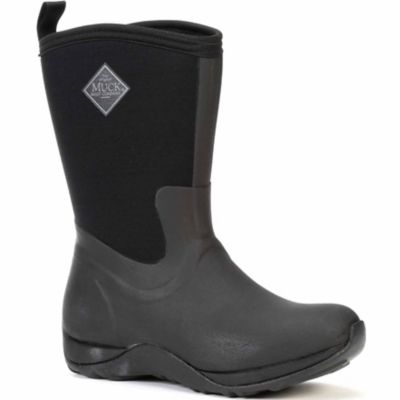
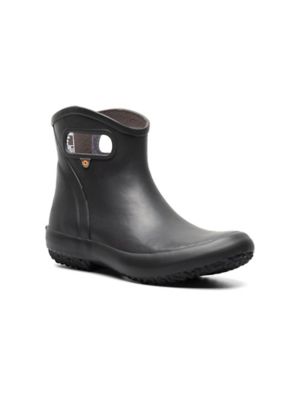
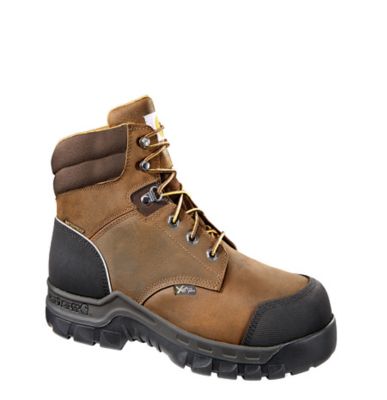
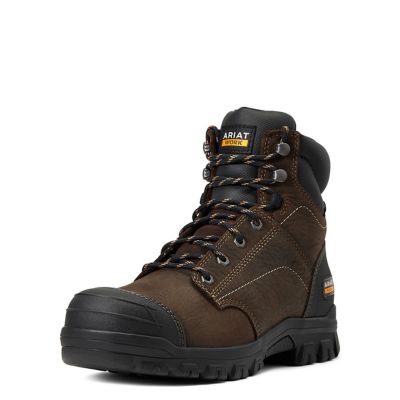
Waterproof steel toe boots for women are made for long days when the ground is wet, the work is demanding, and dependable foot protection matters. They can be a practical choice for farm chores, construction, landscaping, warehouse work, utility jobs, loading trailers, outdoor maintenance, and other work where feet may encounter mud, rain, tools, equipment, or heavy materials. A waterproof upper helps keep water from soaking through during a damp morning in the pasture or a walk across a muddy jobsite, while a steel toe helps guard against impact and compression from falling or rolling objects. Look for construction that uses waterproof materials along with sealed or waterproofed seams, since water can find its way through stitching and openings even when the outer leather or synthetic material is treated. A gusseted tongue, secure lacing system, and padded collar can also help keep rain, puddles, and loose dirt from getting inside. During the warmer part of the year, breathable linings and moisture-managing footbeds can help reduce that clammy feeling after hours on your feet. As the weather turns cooler, insulation may be worth considering, especially for early starts, outdoor chores, and work that keeps you standing on cold concrete or damp ground. Keep in mind that waterproof does not always mean the boot can be submerged indefinitely; checking the care instructions and height of the boot can help match it to the conditions you regularly face.
Safety ratings are an important part of choosing work boots, particularly when the job includes heavy tools, livestock equipment, building materials, or powered machinery. Look for the ASTM F2413 designation when you need certified protective footwear, and review the product details for the specific protections included. Impact and compression ratings address different types of hazards, while an electrical hazard, or EH, rating may provide secondary protection against contact with live electrical circuits under defined conditions. These ratings are not a substitute for safe work practices, and requirements can vary by employer, jobsite, or industry, so confirm what your workplace calls for before buying. Outsole traction matters just as much as the toe cap when you are crossing wet boards, slick shop floors, uneven gravel, or packed soil. Slip-resistant rubber or oil-resistant compounds can provide a steadier step, but tread patterns still collect mud and manure and need to be cleaned regularly. Steel toe boots can feel more substantial than everyday footwear, so compare the weight with the level of protection you need. Some shoppers consider alloy or composite toes for a lighter feel, but a traditional steel toe remains a familiar choice for rugged work and may be required in certain settings. Pay attention to the boot’s heel-to-toe shape, arch support, heel lock, and room in the toe box. Women’s work boots built around a women’s last may offer a more secure fit through the heel and midfoot without squeezing the toes. Try them on with the socks you expect to wear, preferably later in the day when feet have naturally expanded. Your heel should stay mostly in place while walking, your toes should be able to wiggle, and the widest part of your foot should rest comfortably over the boot’s broadest point. A little break-in time is normal with many leather boots, but sharp pressure points, numbness, or pinching are signs to look for another fit.
The right pair can be useful well beyond a single work shift. A woman who spends weekends checking fences, hauling feed, tending a garden, or helping with horses may appreciate waterproof protection that handles both chores and changing ground conditions. They also make a thoughtful gift for someone starting a trade, taking on a farm job, working at a plant or warehouse, or replacing a worn-out pair before the cooler months bring more rain and muddy walkways. If you are buying for someone else, it helps to know her usual size, preferred boot height, lace-up or pull-on style, and whether she wears thick work socks. A removable footbed can make it easier to adjust the fit or replace cushioning after heavy use, while reinforced stitching, protective toe caps, and sturdy pull tabs can add convenience when boots are worn day after day. Pull-on styles are handy for quick trips to the barn, while lace-up boots allow more control over the fit around the ankle and instep. For outdoor work that involves frequent walking, look for flexible construction and cushioning that will not leave your feet feeling beaten up by the end of the day. For stationary work or jobs involving ladders and machinery, a stable heel and secure outsole may matter more than a lightweight feel. After use, brush away mud before it dries, rinse off salt or manure with clean water when appropriate, and let the boots air-dry naturally away from heaters or intense direct heat, which can damage leather, adhesives, and waterproof membranes. Conditioning products should be compatible with the boot’s materials, and waterproof treatments may need to be renewed as the finish wears. When conditions call for a lighter outdoor option without a traditional steel toe, browse
Waterproof Hiker Boots Women's for footwear suited to walking, trails, and everyday outdoor use. With the right safety rating, fit, traction, and weather protection, waterproof steel toe boots can help keep a hard-working day more comfortable from the first muddy step to the last trip back to the truck.