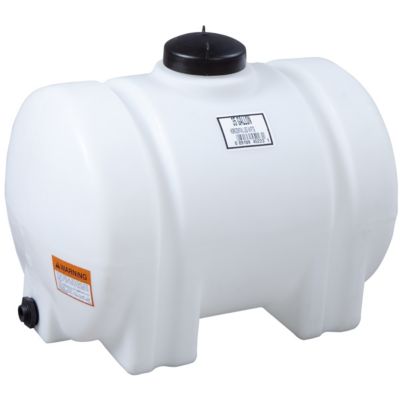
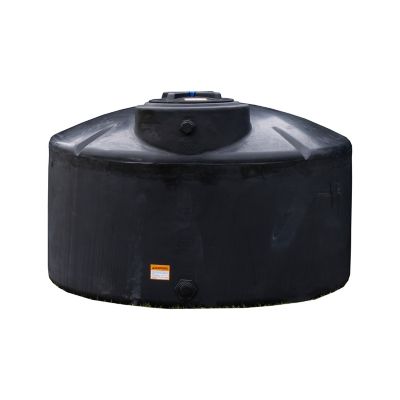
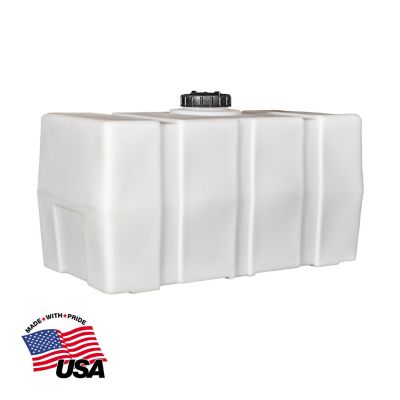
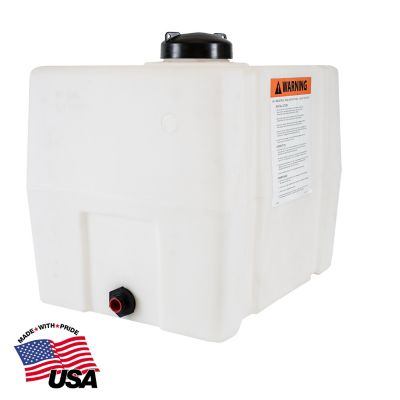
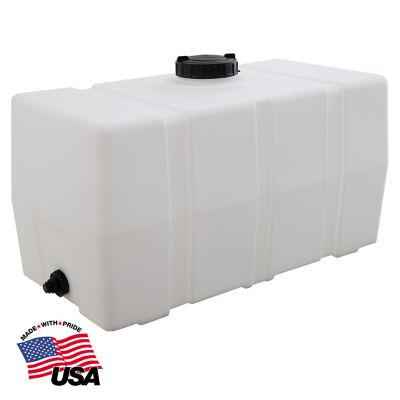
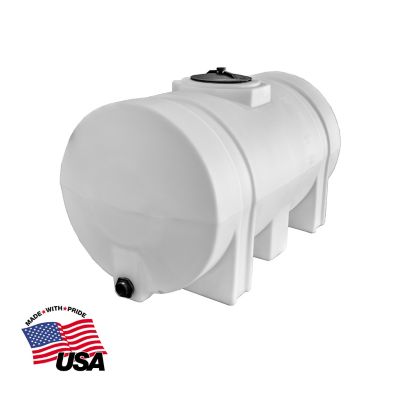
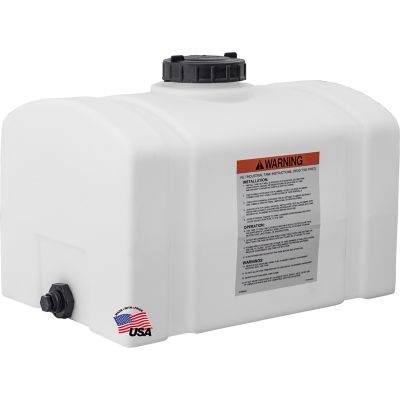
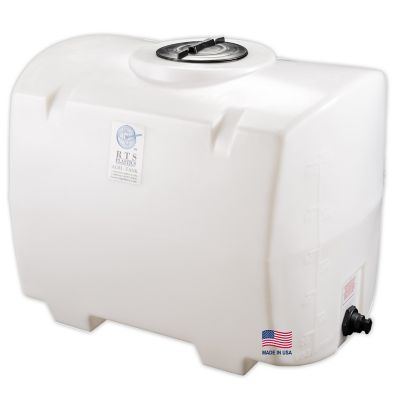
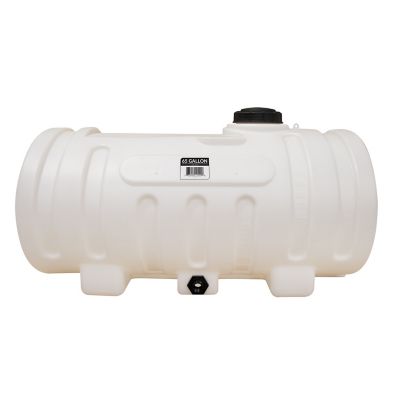
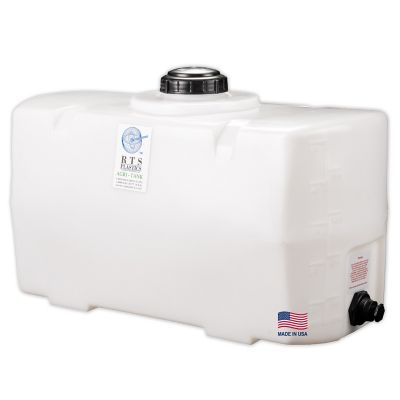
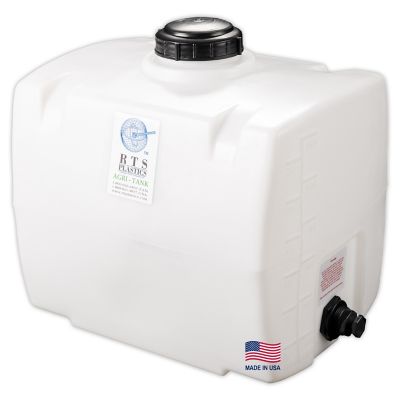
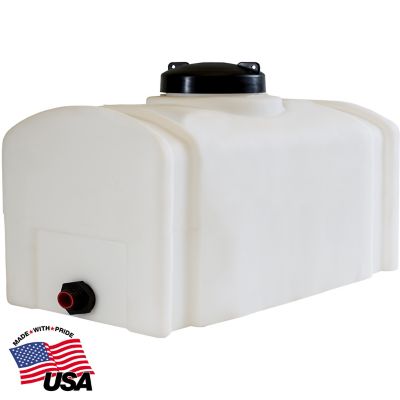
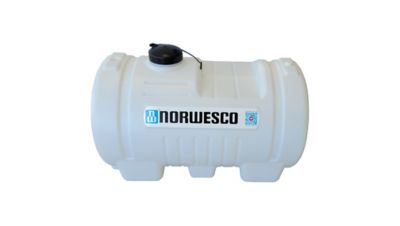
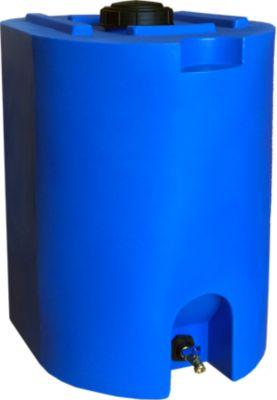
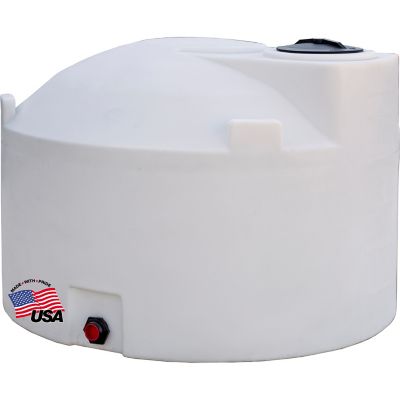
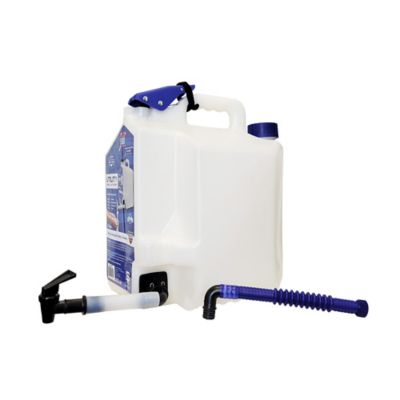
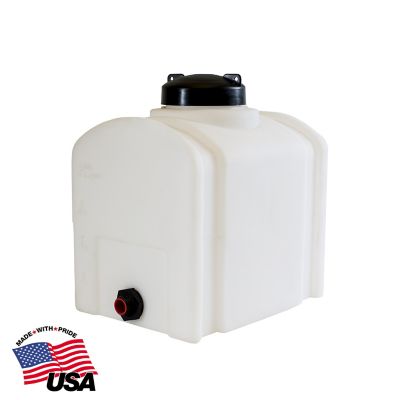
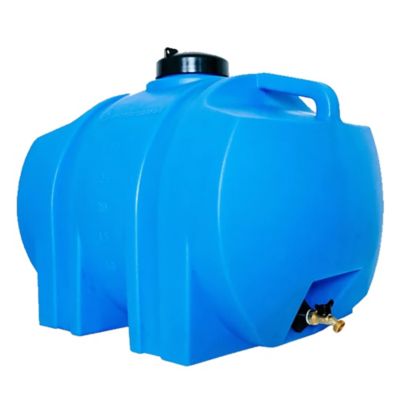
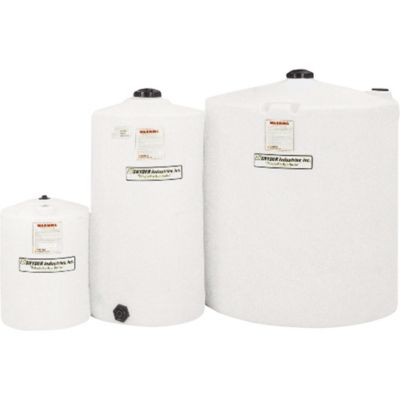
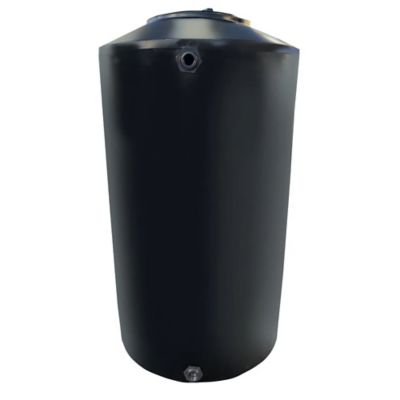
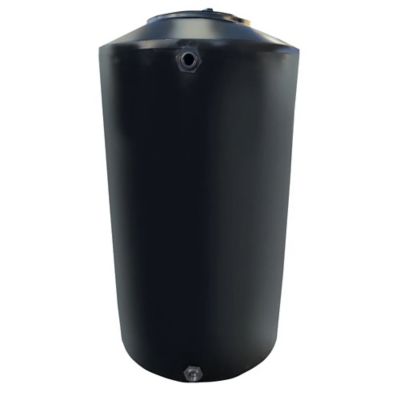
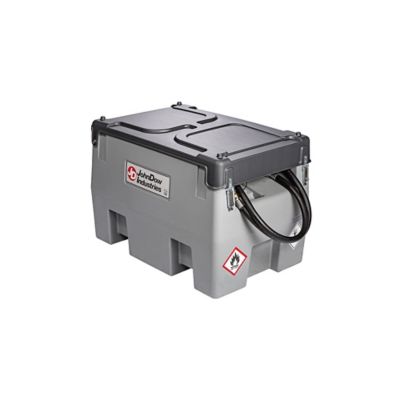
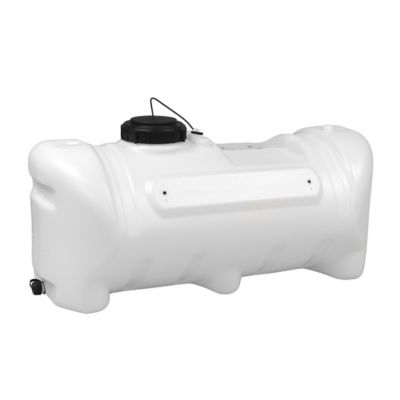
Water tanks hold a supply of water for drinking, livestock care, irrigation, cleaning, and other jobs around a farm, home, or worksite. They can serve as a reserve between deliveries, collect water from an approved source, or carry water to a pasture or planting area beyond the reach of a hose. The main differences come down to capacity, shape, construction, and whether the tank stays put or travels. Vertical water storage tanks make good use of a smaller footprint, while horizontal tanks have a lower profile that may suit certain hauling setups. Tanks built for transport need the supports and restraints specified by their manufacturer; a stationary tank is not automatically suitable for a truck bed or trailer. Rectangular containers with supporting frames offer another storage format, though their lifting, stacking, and transport limits depend on the container’s design. For livestock owners, a covered storage tank can supply a separate drinking trough, keeping reserve water enclosed until it reaches the animals. Gardeners may want a tank near irrigation lines, while a rural household may need storage that works with a well or another approved water source. Capacity makes more sense when matched to the job than when judged by size alone. A few rows of vegetables, a group of cattle, and a household backup supply have very different demands. Expected daily consumption, the time between refills, and the amount of water that must remain in reserve all affect the fit. A tank’s stated gallon capacity also does not describe its entire footprint. Overall height, width, access-lid clearance, and room around fittings matter when placing it beside a shed or inside an equipment area. Leaving space for inspection and service helps keep a convenient water supply from turning into a hard-to-reach chore.
Materials affect how a water tank handles daily work and what it can safely hold. Polyethylene water tanks are common for farm and property applications because their molded construction resists rust and can be easier to handle while empty than comparable metal tanks. Wall thickness, tank shape, and support requirements still vary, so material alone does not establish a tank’s load limits or intended use. Steel tanks offer rigid construction, with corrosion resistance depending on the metal, protective lining, and condition of the tank. Concrete storage is generally associated with permanent installations, where site preparation and structural requirements deserve close attention. Regardless of construction, drinking-water storage calls for a tank expressly designated for potable water. Food-grade material by itself does not establish that an entire tank assembly is suitable for a household drinking supply; lids, seals, fittings, hoses, and other wetted parts need to suit that purpose, too. Water from a roof, pond, or other untreated source does not become safe to drink simply because it enters a potable-water tank. Treatment, testing, and local requirements remain part of that setup. A container with an unknown history or one that previously held chemicals does not belong in drinking-water service. For nonpotable jobs, clear identification and separation from household plumbing help prevent mix-ups. An opaque tank can limit light penetration, which helps discourage algae growth, but it does not replace cleaning or proper water management. A secure lid and protected openings help keep dirt, insects, and small animals out. Smooth interior surfaces and an accessible drain can make routine cleaning less of a wrestling match. Care generally includes checking for sediment, inspecting seals and fittings, and following the manufacturer’s cleaning and sanitizing directions. Cracks, damaged threads, rust around connections, or a lid that no longer seats properly deserve attention before the next fill. Tank interiors are not places to climb into for cleaning; entry can involve confined-space hazards.
A good water tank setup accounts for the weight of the water as well as the container. Water weighs about 8.34 pounds per gallon, so 300 gallons adds roughly 2,500 pounds before the tank, pump, hoses, and mounting hardware enter the picture. Stationary installations need a level, stable base that supports the tank as directed by its manufacturer. A few boards or blocks beneath a tank that needs full-bottom support can concentrate the load in the wrong places. Doors, gates, overhead clearance, and access for filling equipment also matter, especially when a tank must pass through a barn opening or sit behind an outbuilding. For hauling, the truck or trailer’s payload rating, axle limits, tie-down points, and tank mounting requirements all deserve a close look. Partially filled tanks can create substantial movement as water shifts, and transport tanks may have design features intended to manage that movement. Plumbing connections are another part of the fit. Outlet size, thread type, valve placement, and hose routing affect how easily water reaches a trough, wash area, or irrigation system. Gravity flow may suit some arrangements, but elevation and restrictions in the line can limit delivery. When water needs a push,
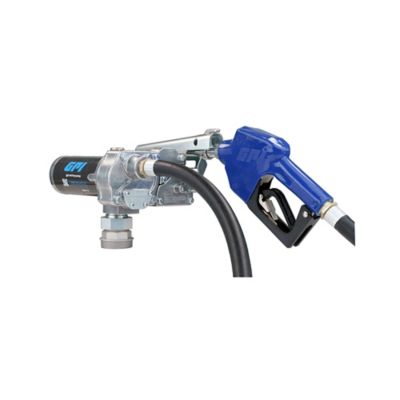
Tank Pumps can help connect storage capacity with the flow a job requires. Pump selection depends on the water source, required flow rate, lift, discharge pressure, power supply, and compatibility with the water being moved. Most ordinary storage tanks are not pressure vessels, so a pumping arrangement must not subject the tank to pressure or vacuum beyond its rating. Proper venting, overflow routing, and backflow protection help the whole system function as intended. On a working property, small details often make the biggest difference: a valve that is easy to reach, a fill opening accessible from solid footing, and enough clearance to replace a fitting without moving a full tank. Matching those details to everyday chores makes water storage a practical part of keeping the place running.