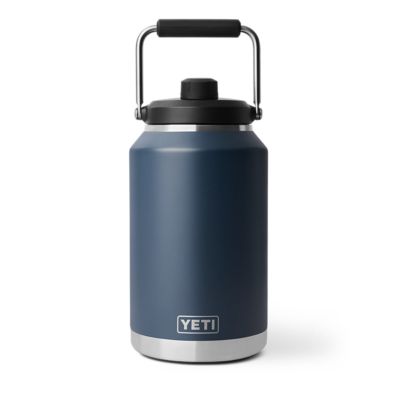
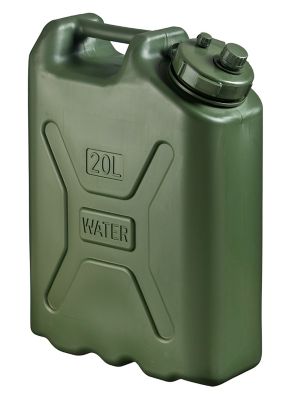
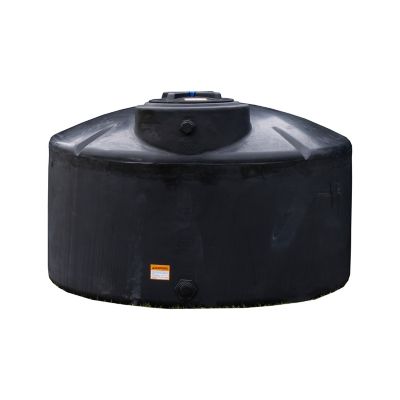
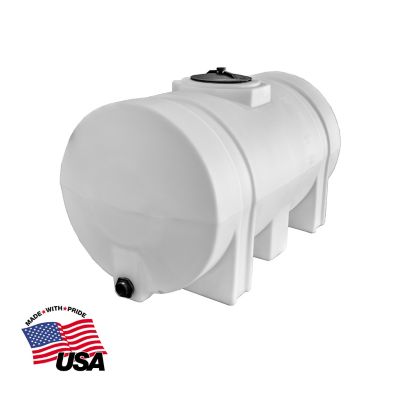
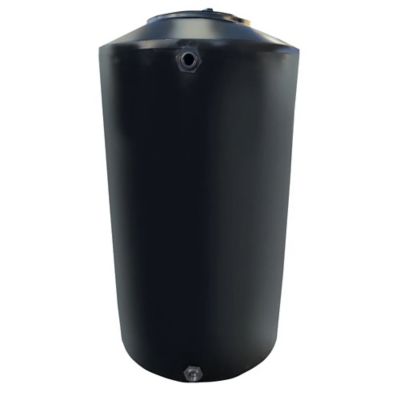
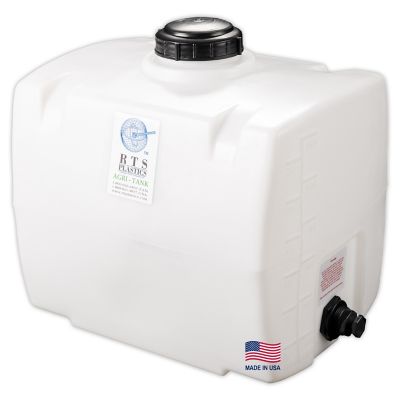
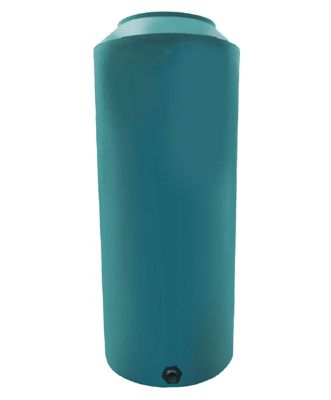
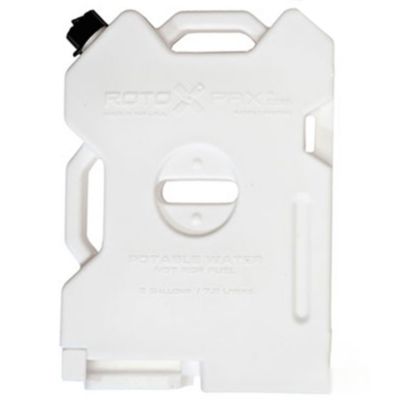
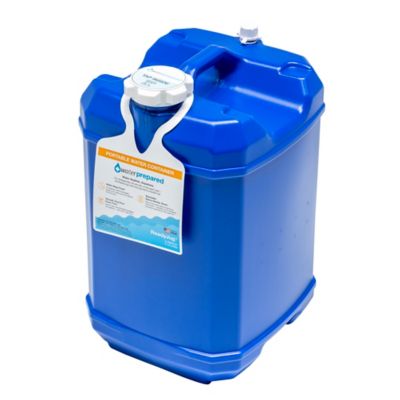
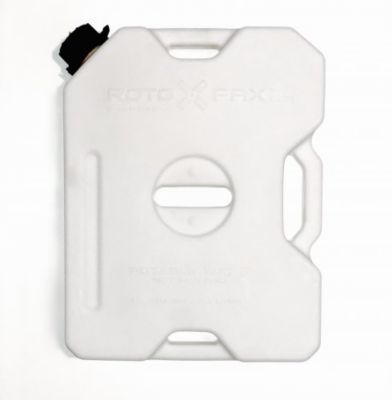
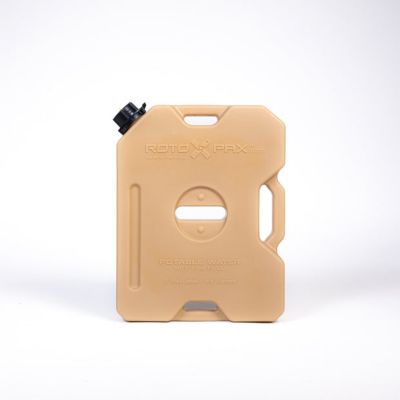
Water storage containers keep water close at hand for household reserves, chores around the property, camping trips and work away from a faucet. The right container depends on what the water is for, how much needs to be stored and whether it will stay put or travel along. Portable water jugs suit smaller supplies and regular carrying, while drums and stationary tanks offer more capacity for a dedicated storage spot. For drinking water, look for a food-grade container specifically intended for potable water, with a tight-fitting closure and surfaces that can be cleaned and sanitized. High-density polyethylene, often identified by the number 2 recycling symbol, is a common material for these containers because it combines relatively light weight with resistance to impacts. However, a recycling symbol alone does not establish that a container is suitable for drinking water. A BPA-free label also does not replace a clear statement about food-contact suitability and intended use. Stainless steel can be another option when the vessel, fittings and interior surfaces are designed for potable water. Containers that previously held fuel, pesticides or other harmful chemicals do not belong in a drinking-water setup, even after washing. Around a farmhouse, a household reserve may support drinking, cooking and basic sanitation when the regular supply is interrupted. Public-health preparedness guidance recommends at least 1 gallon per person per day for drinking and sanitation, with a three-day supply as a starting point and a two-week supply when practical. Pets, livestock and other property needs require additional planning beyond that household amount. Water for a garden, equipment washing or livestock watering may call for a different container design than water carried to a campsite for drinking. Keeping those purposes separate makes selection simpler and helps prevent mix-ups later. Clearly marked containers let everyone know which supply belongs at the kitchen sink, which goes out to the barn and which is reserved for another task. For any drinking-water reserve, the container is only part of the setup; the water source, filling method and ongoing care matter just as much.
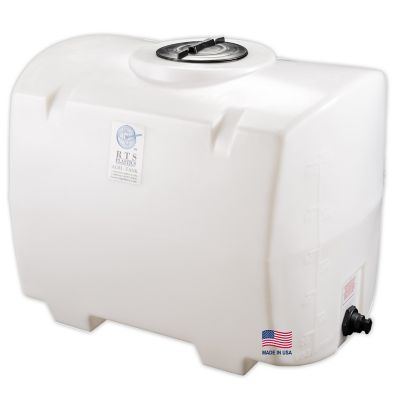
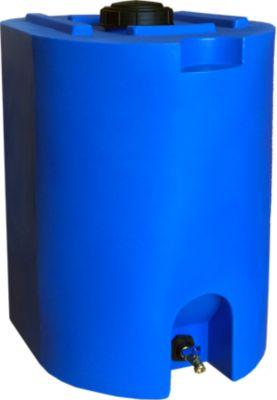
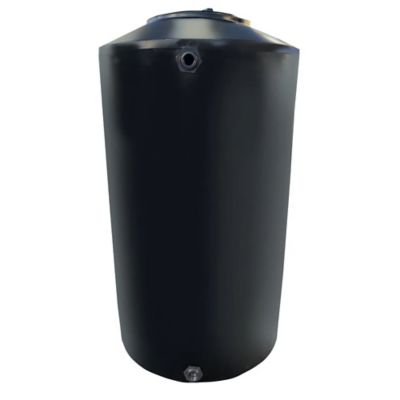
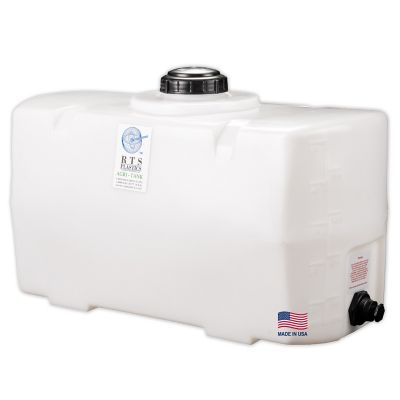
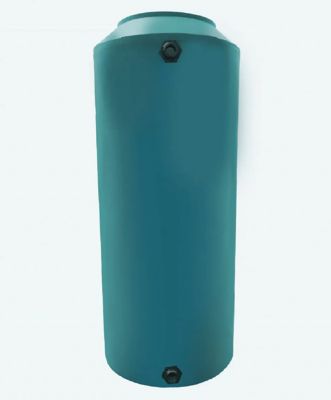
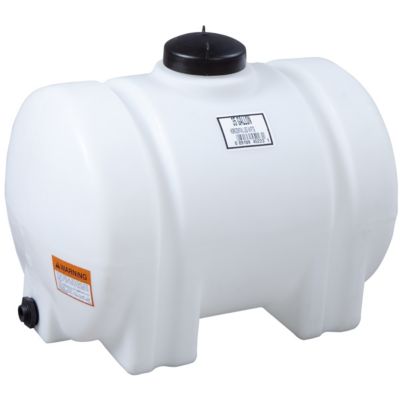
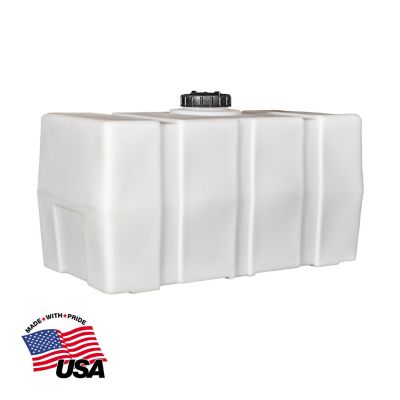
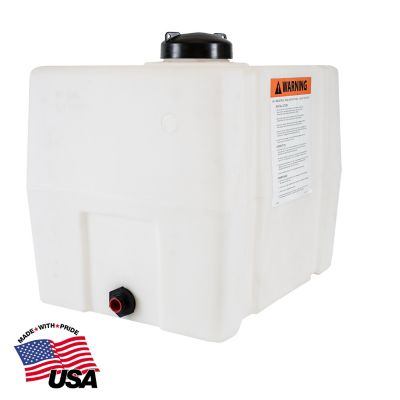
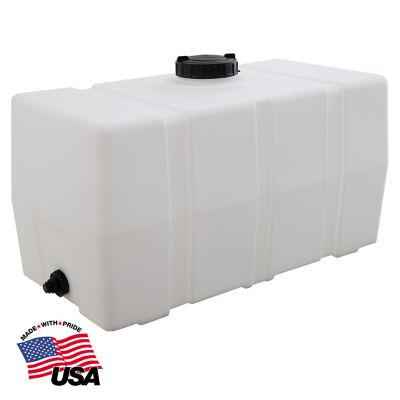
Capacity matters, but so does the work of moving a full container. Water weighs about 8.34 pounds per gallon, so 5 gallons adds roughly 42 pounds before counting the container itself. A 7-gallon fill adds about 58 pounds, which can be a substantial load to lift from the ground or carry across a yard. Smaller containers can make more sense for someone loading a pickup alone, carrying water into a cabin or sharing lifting duties with family members. Handle placement, grip clearance and the shape of the container all affect how manageable that load feels. A molded handle should leave enough room for a firm grip, and a balanced shape can make pouring less awkward. Stackable designs can help organize a limited storage area, but the manufacturer's stacking limits apply, especially when every container is full. Check the overall dimensions against the shelf, doorway, vehicle space or shed corner where the container will sit. Leave room above a fill opening and around an outlet so a hose, pitcher or bucket can reach it without a wrestling match. Larger drums and tanks need a different approach: a full 55-gallon container holds about 459 pounds of water, plus its own weight. That calls for a level, load-rated support and a location that does not depend on moving the vessel by hand. Protective frames on some larger tanks help support the container, but they do not establish drinking-water suitability. A lower outlet can make dispensing convenient, while a compatible vent allows air to enter as water leaves, helping the flow stay steady. Thread sizes, valve connections and hose compatibility deserve a close look before filling. For a tank supplying livestock troughs or irrigation equipment, the outlet height and plumbing arrangement should match the job. For a portable jug, a secure cap, manageable pour opening and spigot that can be protected during transport may matter more. Whenever a filled container travels, it needs restraint appropriate to its size and weight rather than being left loose in a truck bed.
Water storage containers also need to fit the cleaning routine, not just the storage space. A broad opening makes it easier to inspect the interior and reach surfaces during cleaning, while narrow-neck designs may require a different cleaning method. Removable caps, valves and seals can simplify care when the manufacturer allows disassembly. Smooth interior surfaces and accessible fittings help reduce places where residue can collect. Follow the container manufacturer's directions and applicable public-health guidance for washing, sanitizing and filling, and start with water from a safe source. A storage container holds water; it does not make unsafe water safe. Water filled and stored at home should generally be replaced every six months under public-health guidance, with the fill date clearly marked on the container. That date is easier to track when the oldest supply sits where it can be reached without moving everything else. Keep drinking-water containers tightly closed, away from direct sunlight and separated from gasoline, pesticides and other chemicals. A clean dispensing method matters, too: a dedicated potable-water hose or clean pouring vessel helps avoid introducing contamination during filling and daily handling. Containers for nonpotable tasks should carry clear labels so they cannot be mistaken for the household drinking supply. Check caps, gaskets, handles and outlets periodically for cracks, leaks or damage, particularly after transport or a hard knock against equipment. A seal that no longer seats properly can undermine an otherwise sound container, and replacement parts should match the manufacturer's specifications. For hoses, spare fittings and other supporting gear,
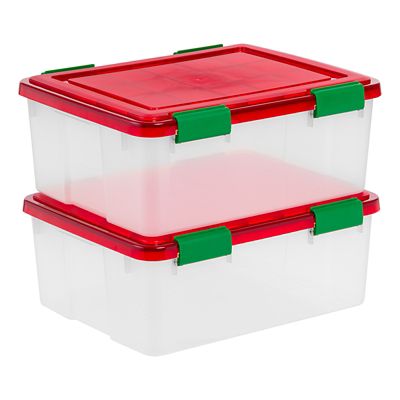
Outdoor Storage Containers offer a separate place to keep things organized; they are not a substitute for vessels intended to hold drinking water. Whether the setup is a few carryable jugs beside the camping gear or a larger tank near the barn, practical details make the difference: enough capacity for the task, a manageable way to fill and dispense it, and access for regular cleaning. A well-matched container keeps water storage straightforward without adding unnecessary lifting, awkward connections or confusion about what the water is meant for.