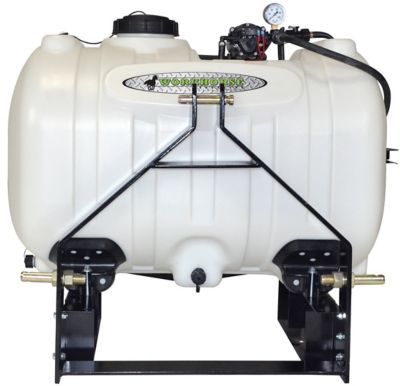
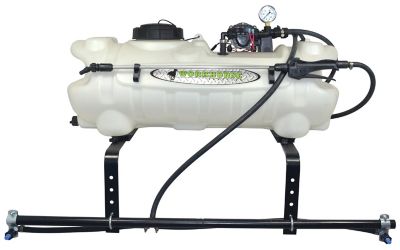
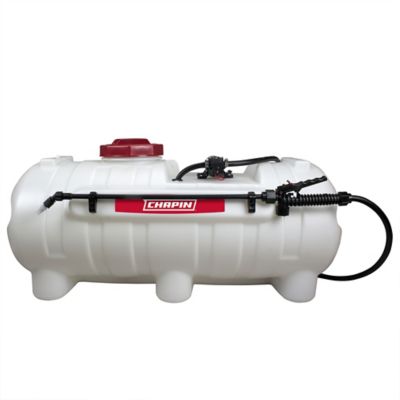
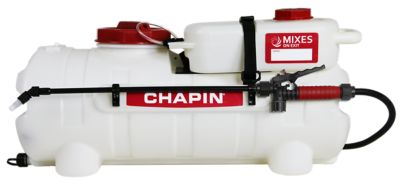
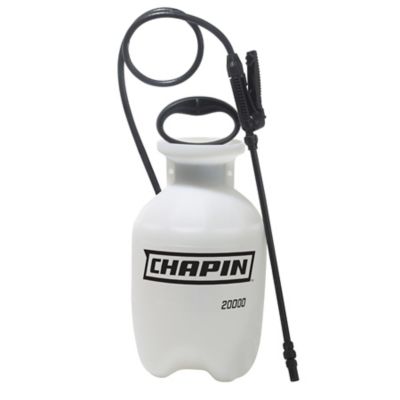
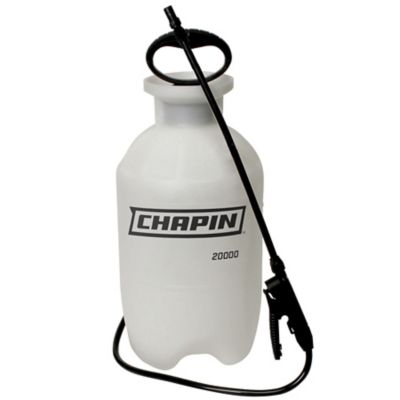
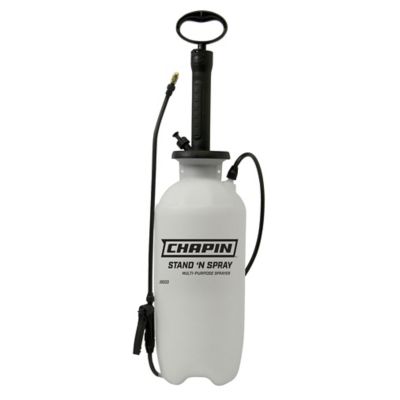
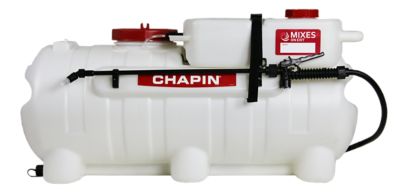
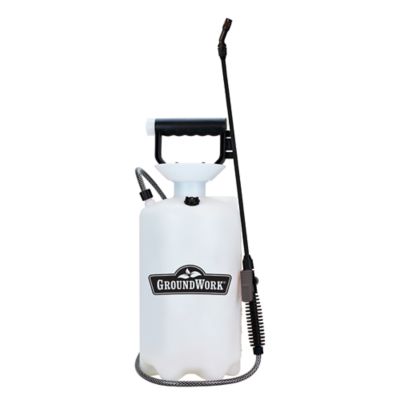
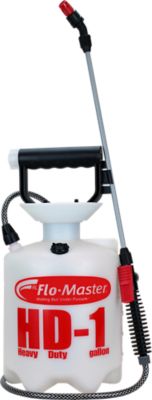
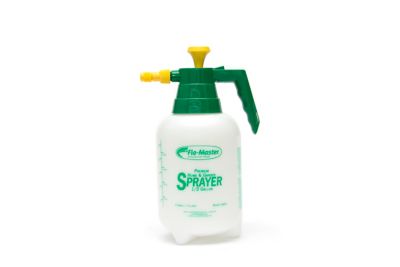
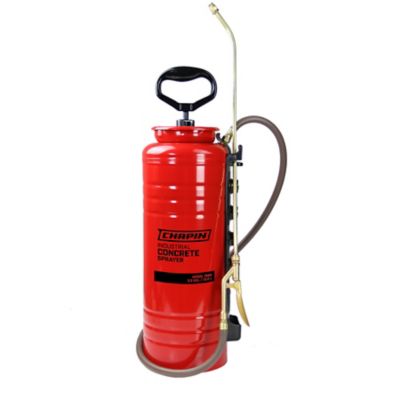
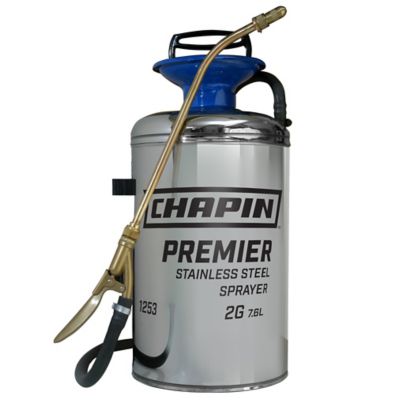
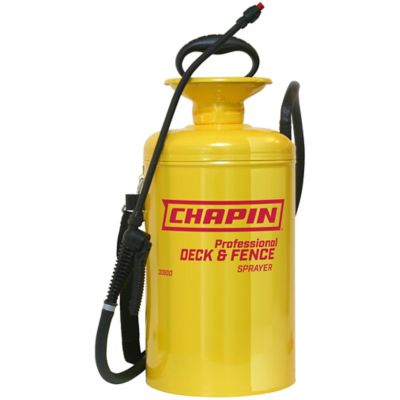
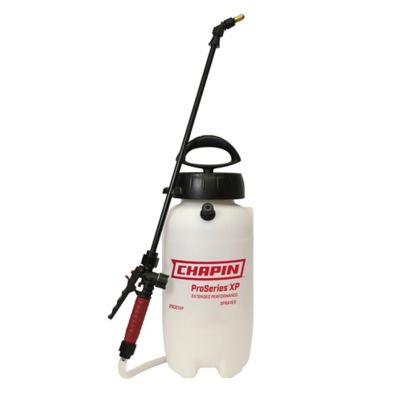
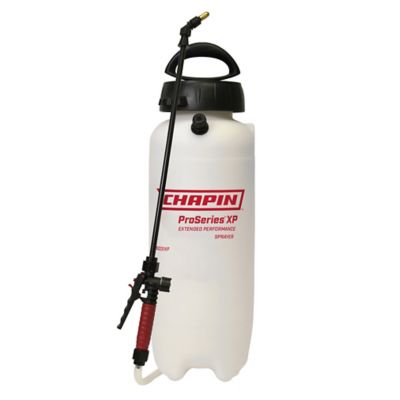
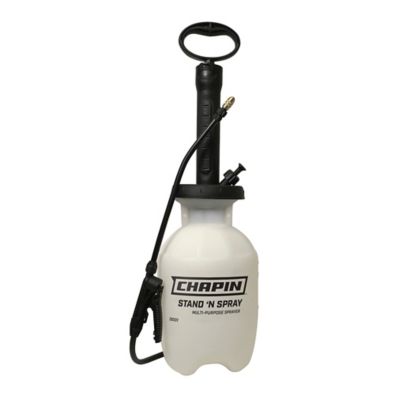
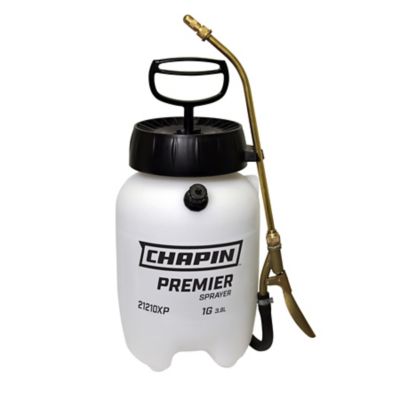
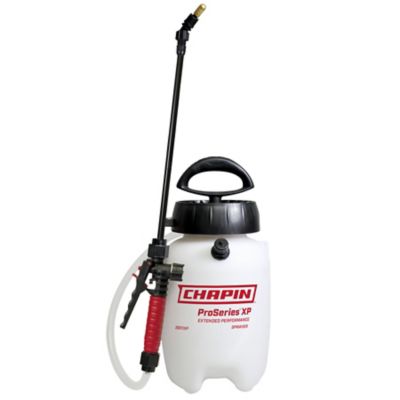
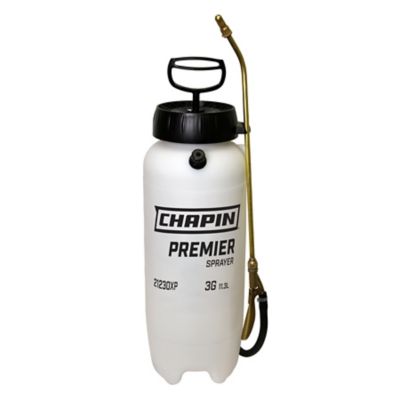
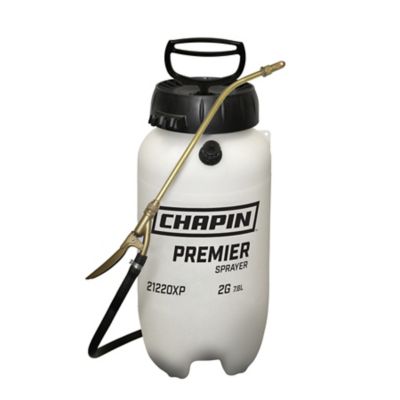
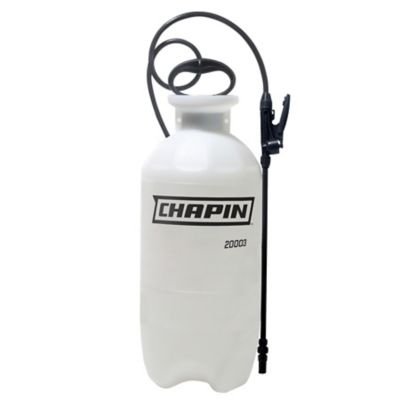
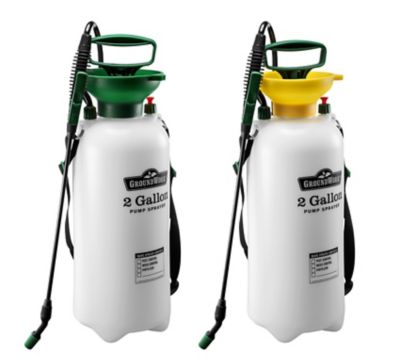
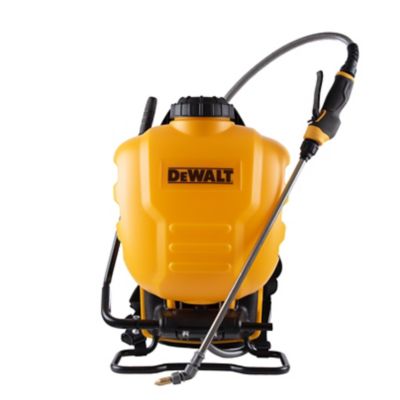
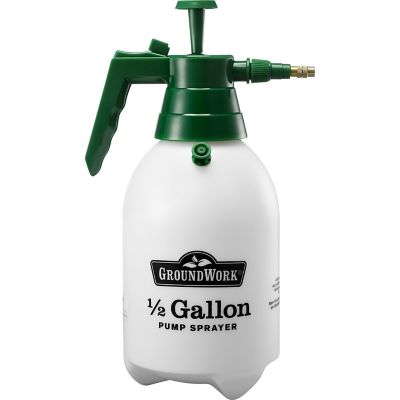
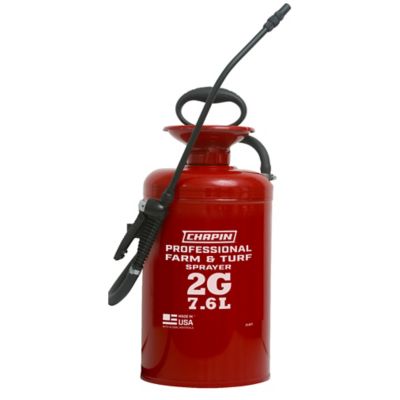
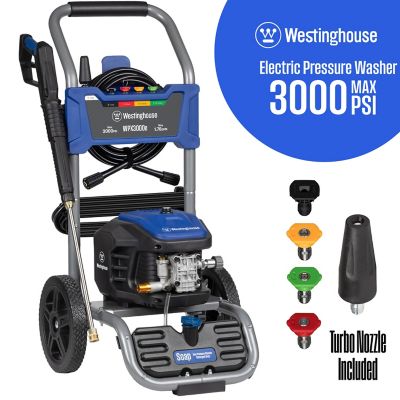
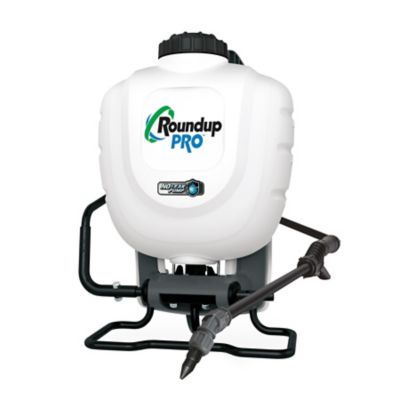
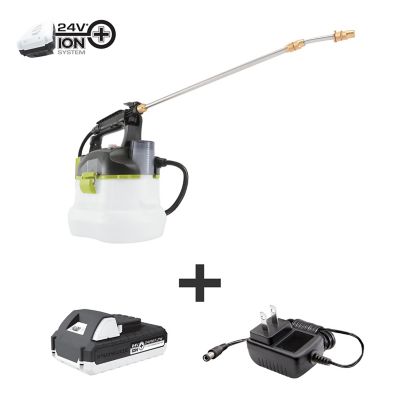
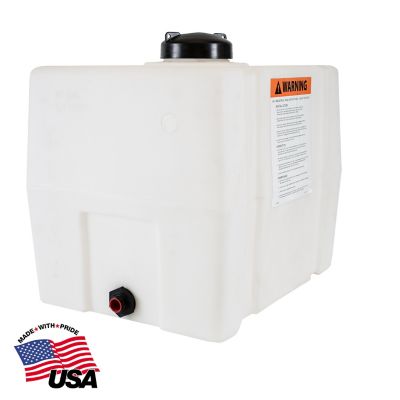
Sprayer tanks make it easier to carry, mix and apply liquids around a home, farm, pasture or worksite. Depending on the job, a tank may hold clean water for washing and spot treatment, liquid fertilizer for lawns and gardens, herbicide for weeds along fence lines, or other approved agricultural and property-care solutions. Smaller handheld and backpack tanks are a handy fit for raised beds, flower borders, garden paths and quick touch-ups around outbuildings. A 15- to 25-gallon tank mounted to an ATV or UTV can cover longer fence rows, driveways and rough ground without making repeated trips back to the barn. Larger utility and trailer tanks, often holding 30 to 60 gallons or more, are suited to acreage, pasture edges, food plots and field work where a motorized pump, spray gun or boom helps spread the load. The right capacity depends on the size of the area, the strength of the vehicle or equipment carrying it and how far you need to travel between fills. A full tank gets heavy in a hurry, so check the carrying capacity of an ATV, UTV, trailer or three-point setup before loading it. For small jobs, a compact tank is easier to lift, store and rinse. For broad coverage, a larger tank can save time, but it also calls for a steady mounting surface, secure straps and a pump sized for the work. Whether you are cleaning up weeds before winter, applying approved nutrients while the weather is mild or keeping a working property in shape through the cooler months, a dependable sprayer tank can help turn a long chore into a more manageable pass.
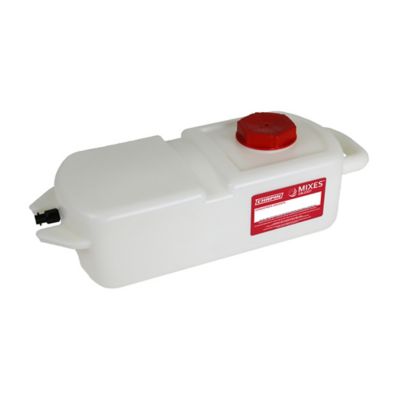
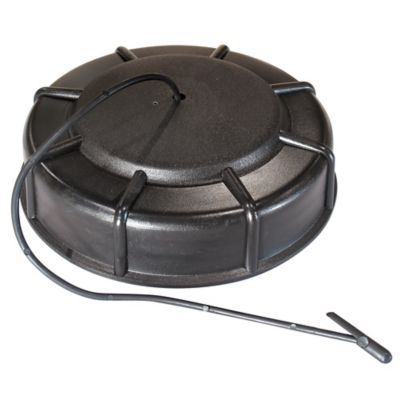
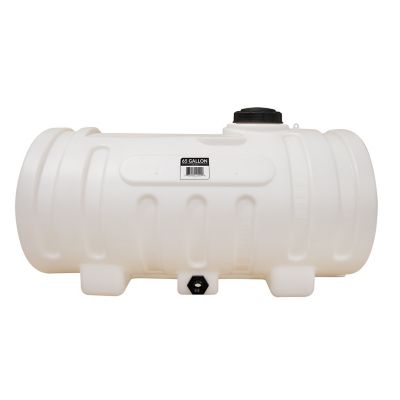
Construction and tank features matter just as much as capacity. Durable polyethylene is commonly used because it is lightweight, resistant to rust and able to handle many agricultural and property-care liquids when used according to the chemical label. Look for a tank with sturdy molded supports, a wide fill opening and a lid that closes securely without being difficult to remove when it is time to mix or refill. Translucent walls with molded gallon markings make it easier to check the fluid level at a glance, which helps with measuring water and planning a job without guessing. A bottom drain port or drain cap can make emptying and rinsing less of a chore, especially when cold weather is on the way and equipment needs to be stored. Pump mounts or compatible mounting points are useful when a tank will be paired with a 12-volt diaphragm pump, spray gun, wand or boom assembly. Before choosing a setup, consider the liquid you plan to use, the required flow rate, spray width and hose reach. A spot sprayer is useful for directing liquid right where it is needed, while a boom can cover a wider, more even path across a lawn, pasture or food plot. Always confirm that the tank, pump, hoses, seals and fittings are rated for the intended solution. Never mix products unless the label specifically allows it, and do not use a tank for drinking water after it has held chemicals. Following label directions for dilution, handling, re-entry and disposal protects people, animals, crops and water sources. Gloves, eye protection, sturdy footwear and proper clothing are sensible additions whenever you are filling, spraying or cleaning equipment.
Sprayer tanks can serve landowners, gardeners, livestock keepers, grounds crews, hunters managing food plots and anyone responsible for a large rural property. They are especially helpful where a hose-end sprayer does not reach far enough or where carrying a small hand sprayer across uneven ground would take all afternoon. A tank mounted on a utility vehicle can follow a gravel lane, skirt a pond or work along a fence row while the operator treats one section at a time. On a small homestead, a compact tank may handle garden paths and barnyard weeds, while a larger setup can help with pasture maintenance and seasonal applications. For someone who enjoys keeping a property neat and productive, a sprayer tank can also make a practical gift, particularly when matched to the recipient’s equipment and the size of the ground they care for. Storage and cleanup deserve a place in the buying decision, too. After each use, empty leftover solution according to the product label, rinse the tank and lines with clean water, and flush the wand, nozzle, pump and boom so residue does not settle overnight. Keep the tank out of direct sunlight when possible, protect fittings from freezing temperatures and store it where pets, children and livestock cannot reach it. A clean, well-maintained tank is easier to put to work when the weather warms, and careful storage helps preserve the seals and hoses during the cooler season. For more options suited to property upkeep and outdoor jobs, browse
Sprayers Farm Tools and compare tank size, mounting style, pump compatibility and application method before making a choice.