Metal water storage tanks give farms, ranches and rural properties a place to hold water for irrigation, livestock systems, rainwater collection and everyday work around the place. Depending on their construction and approvals, they can also provide drinking water storage or serve as part of a planned emergency water system. Galvanized steel, stainless steel and corrugated steel designs each bring different considerations to the job, from corrosion resistance to the lining that contacts the water. Galvanized tanks have a protective zinc coating, while stainless steel relies on its alloy composition to resist corrosion. Neither material suits every water source or cleaning chemical, so the manufacturer's limits matter, particularly where water is acidic or contains elevated chloride levels. Corrugated steel tanks commonly pair an outer shell with an internal liner, and the liner's rating matters just as much as the metal around it. Welded and bolted construction also affect installation, inspection and maintenance requirements. For drinking water, a tank needs an explicit potable-water rating; a metal shell alone does not establish suitability. Certification to NSF/ANSI/CAN 61, where applicable, addresses health effects of materials that contact drinking water, not whether untreated water is safe to drink. Compatible lids, liners, fittings and sealants belong in that same conversation. Enclosed tanks with opaque walls keep sunlight out, helping limit conditions that encourage algae growth, but covered storage still needs cleaning and proper water management. Around a working property, a dedicated supply might support a watering line near the barn, hold collected water for a garden or provide a reserve for other approved purposes. The right construction matches that purpose rather than simply adding gallons. An open-top livestock tank and an enclosed water storage tank may both be metal, but they serve different roles and have different requirements for protecting the water inside.
Water tank capacity belongs alongside the amount of water the property needs, how quickly the supply can refill and the space the installation requires. A garden supplied through drip lines draws water differently than several livestock troughs filling throughout the day. A reserve intended for fire protection has another set of requirements and needs coordination with local authorities rather than assumptions about tank size alone. Usable capacity can also differ from the stated total because outlet height and operating levels may leave some water below the draw point. Height and diameter matter as much as gallon capacity when a tank needs to fit beside a shed, clear an overhead obstruction or leave room for service. Tall vertical tanks can conserve ground space, while wider configurations need a larger footprint. Access for delivery and placement counts, too: gate openings, overhead lines, turns in a farm lane and room for lifting equipment can all affect installation. Water weighs about 8.34 pounds per gallon, so 500 gallons adds roughly 4,170 pounds before the tank and fittings enter the picture. That weight calls for a level, properly supported foundation built to the manufacturer's specifications, whether that means a concrete slab or another approved base. Plumbing layout deserves the same attention. Inlet size, outlet location, overflow routing, drain access and connections to pumps determine how the tank fits into the rest of the system. An atmospheric storage tank is not a pressure vessel and needs the specified venting; a pump does not make an ordinary tank suitable for pressurization. A ground-level installation may need pumping equipment to deliver the required flow and pressure, while an elevated installation requires structural planning. Where a nonpotable supply sits near drinking water plumbing, approved separation and backflow protection help prevent cross-connections. These details make the difference between a tank that merely fits the space and one that fits the work.
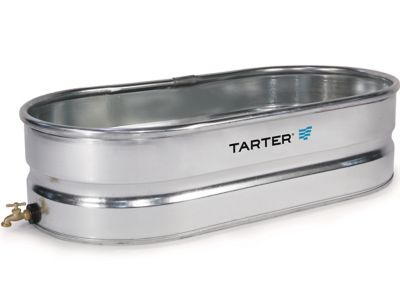
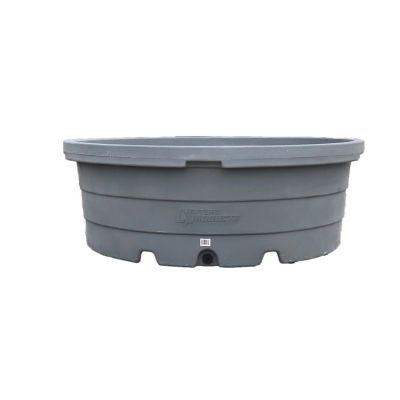
Service life depends on more than the thickness of the metal. Coatings, welds, seams, fasteners, liners and the conditions around the base all affect how a metal water tank holds up over time. A protected coating cannot do its job as intended where a deep scrape exposes the steel beneath it, and sediment left around an outlet can interfere with drainage or water delivery. Routine attention centers on visible corrosion, seepage, loose connections, damaged screens and changes in the lining. Cleaning methods need to match the tank material and any interior coating, with only manufacturer-approved treatments and concentrations contacting those surfaces. Potable-water systems also need appropriate sanitation and water testing, especially after installation, repairs or contamination. Accessible drains and inspection openings make those jobs less awkward, while secure lids and screened vents help keep insects, animals and windblown debris out of enclosed storage. Tank interiors can present confined-space hazards, so maintenance access is not permission to climb inside. Placement matters throughout the tank's working life as well; an outlet tucked behind a fence or a lid crowded beneath a roof overhang can turn a straightforward inspection into a chore. For livestock operations, storage and drinking access deserve separate consideration. An enclosed supply tank can feed watering equipment, while
Stock Water Tanks For Cattle provide direct access at the drinking point. Herd size, refill rate, animal reach and room around the watering area shape that part of the setup. A reserve beside the barn does little good if a narrow supply line cannot keep the trough filled. For garden irrigation, the same principle applies to pump capacity, filtration and the demands of connected lines. Whether the job is watering a vegetable patch or supplying several pens, matching the tank, fittings and connected equipment keeps the whole arrangement practical. Sound installation, compatible materials and manageable upkeep help metal water storage earn its place among the equipment that keeps daily chores moving.