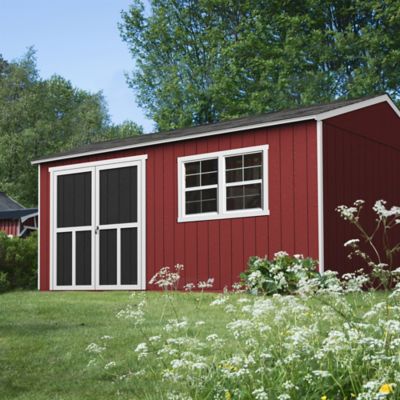
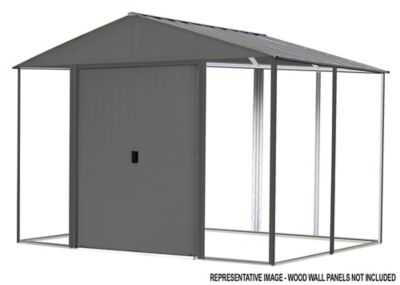
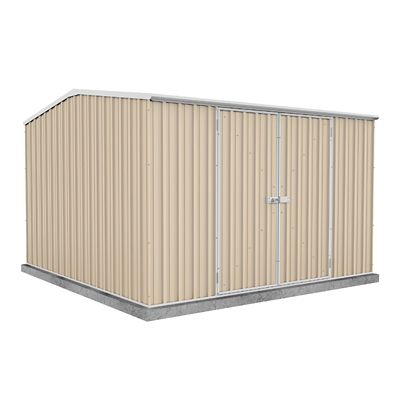
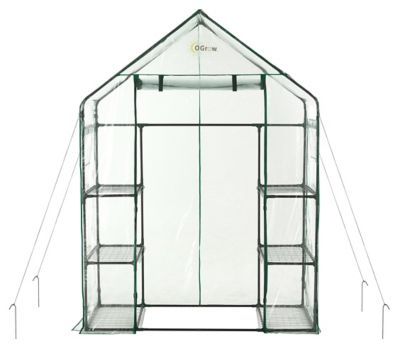
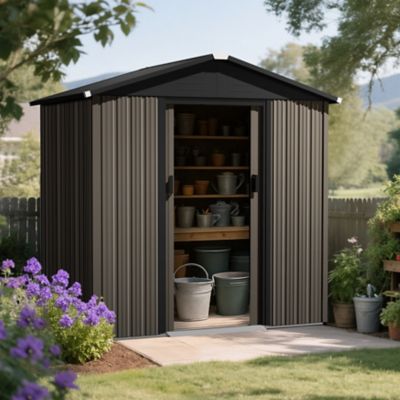
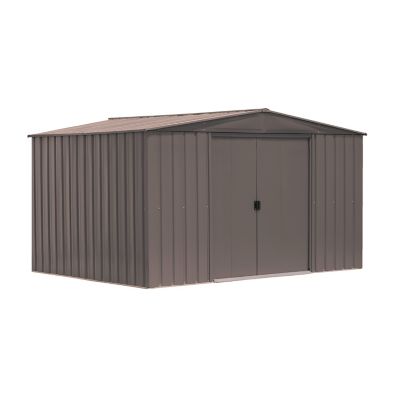
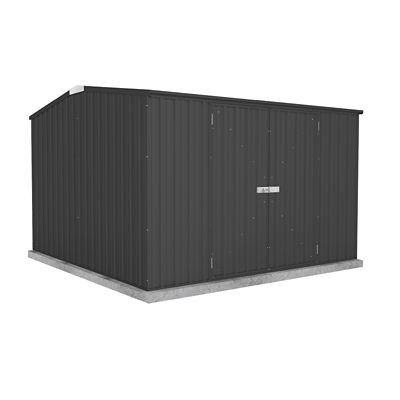
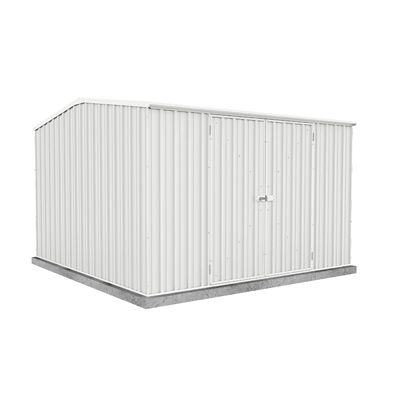
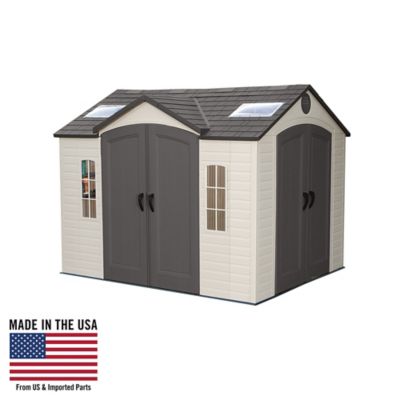
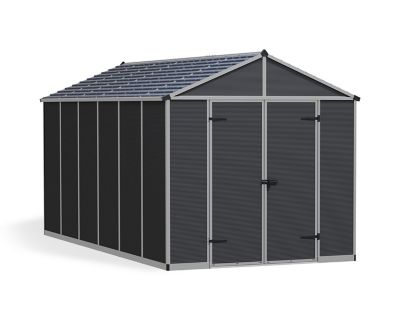
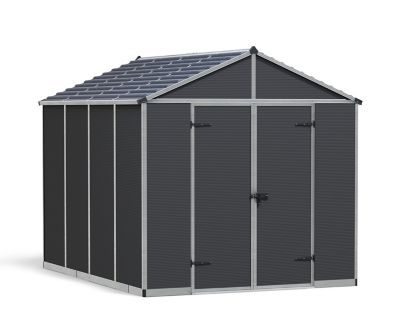
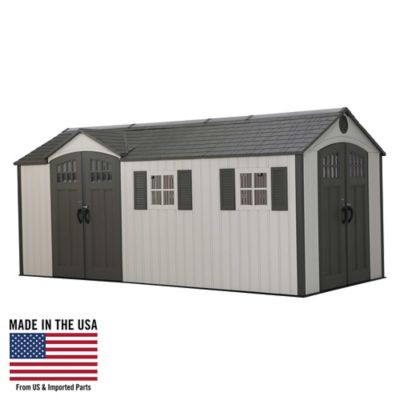
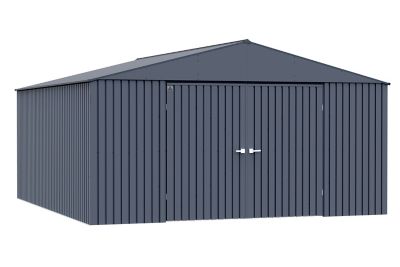
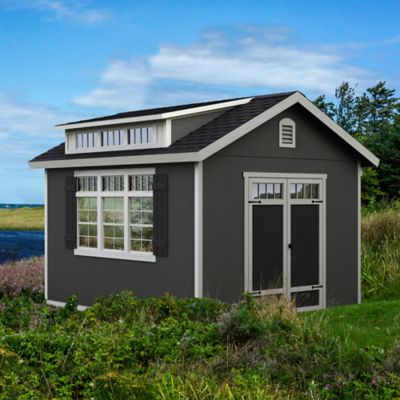
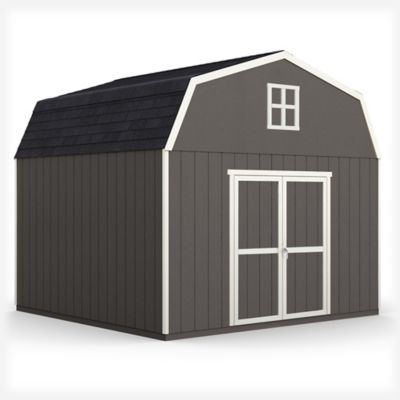
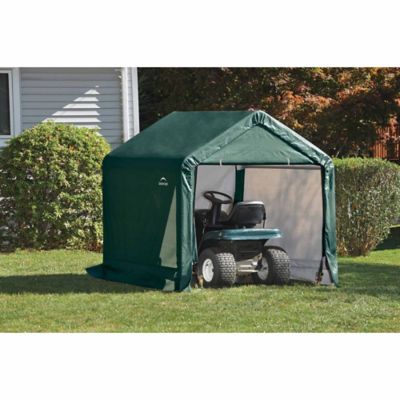
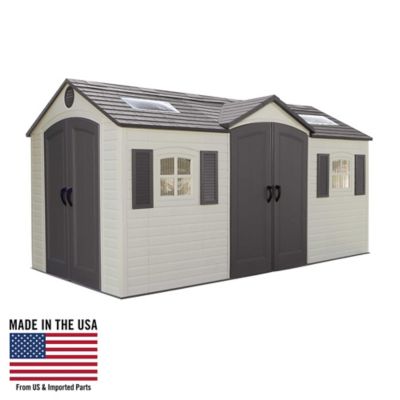
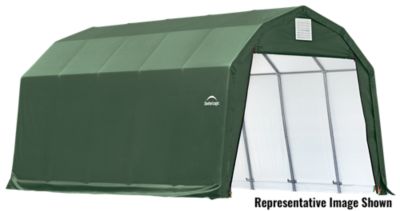
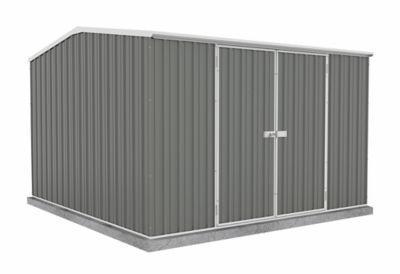
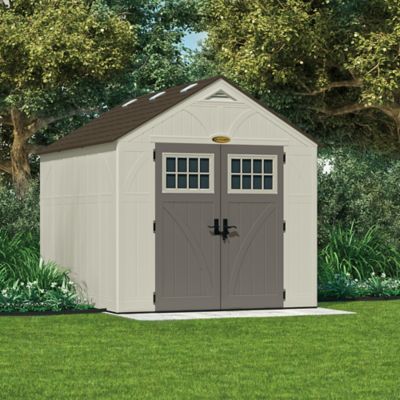
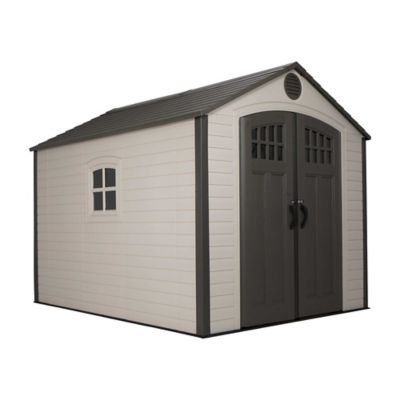
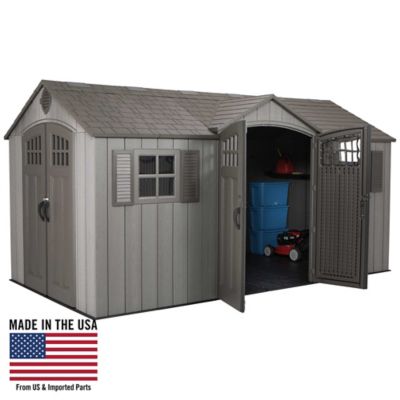
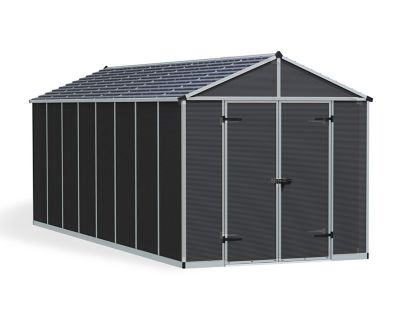
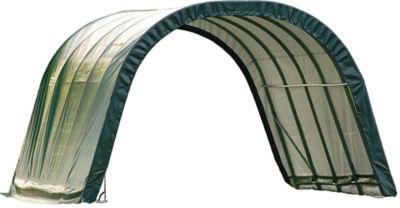
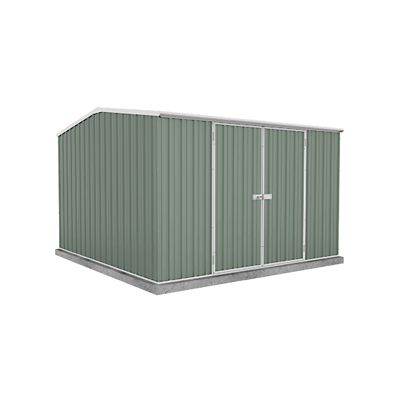
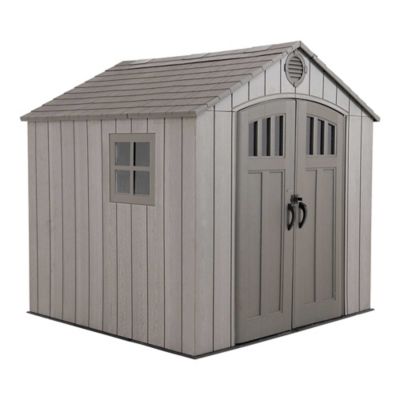
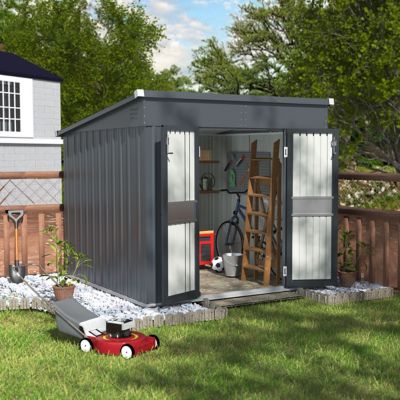
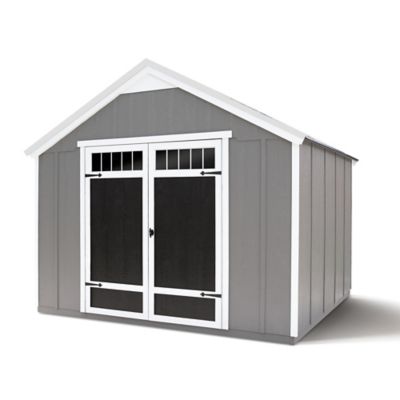
Walk-in sheds give you a practical place to gather the tools, equipment and outdoor supplies that tend to take over a garage, barn corner or porch. With room to step inside, move around and reach stored items without pulling everything into the yard, these structures can make everyday chores feel more organized. They may be useful for lawn and garden tools, feed containers, fencing supplies, seasonal equipment, work clothing and household overflow. A shed with broad access can also provide room for tall-handled tools, wheelbarrows, riding equipment or larger items that are awkward to store in a narrow cabinet. For rural properties, the added space can help keep frequently needed gear close to the garden, pasture or driveway instead of making every task begin with a trip across the property. During the cooler months, an enclosed storage area can help keep supplies out of rain, snow and wind, while ventilation and a well-planned layout make it easier to bring items in and take them out as the weather changes. Think about how you work around your place: if you often carry muddy boots, bags of soil, hand tools or animal-care supplies, a walk-in shed can create a natural drop zone where those items stay together and ready for the next job.
Before choosing a walk-in shed, take a close look at the space available and the way you plan to use it. Measure the area from several angles, allow room for doors to open fully and leave enough clearance to walk around the structure for upkeep. Consider the ground beneath it as well; a level, well-drained surface can help keep the entrance easier to reach and reduce standing water near the walls. Door width, interior height, shelving options, windows, ventilation and lighting all matter once the shed becomes part of your regular routine. Wide doors are helpful when moving bulky equipment, while a taller interior gives long-handled tools a place to stand without leaning into a crowded corner. Shelves, hooks and storage bins can separate small supplies from larger gear, but leave a clear path through the center so you can reach what is stored at the back. If you keep feed, seed or other items that need protection, select containers with secure lids and place them off the floor. Keep fuel, chemicals and other materials in line with their labels and local safety guidance. A simple layout can go a long way: place frequently needed tools near the entrance, reserve higher shelves for lighter seasonal items and keep heavy equipment low where it is easier to move.
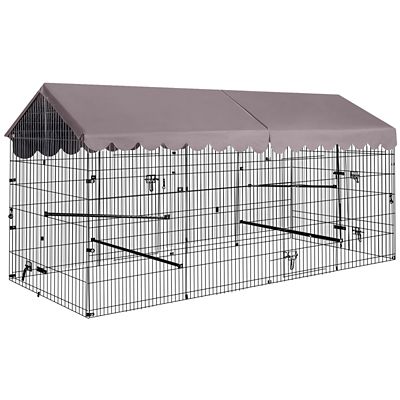
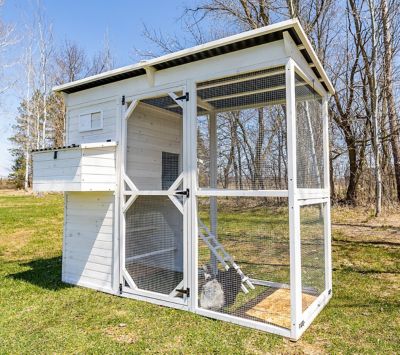
Walk-in sheds can be a thoughtful choice for homeowners settling into a new property, gardeners building a more capable workspace or families looking for a place to manage outdoor gear without crowding the house. They can also support small homesteads by keeping daily supplies close to chicken areas, gardens and work zones. If poultry is part of your routine, a shed may serve as a convenient storage spot for bedding, feeders, cleaning supplies and other essentials, while a separate enclosed run can provide room for birds to move safely outside. Browse
Walk In Chicken Runs when planning a setup that keeps poultry areas organized and easy to access. As the seasons shift, use the shed to rotate garden tools, cover outdoor equipment, store empty planters and keep cold-weather gear within reach. A quick sweep, an occasional check for leaks and a little attention to airflow can help the space stay ready for work throughout the year. Whether it stands beside a garden, near a workshop or along the edge of a pasture, a walk-in shed adds useful room where rural life often needs it most: close at hand, easy to enter and arranged around the work you do every day.