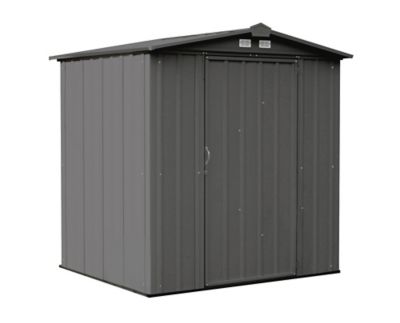
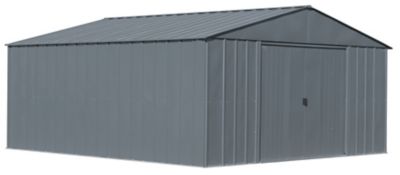
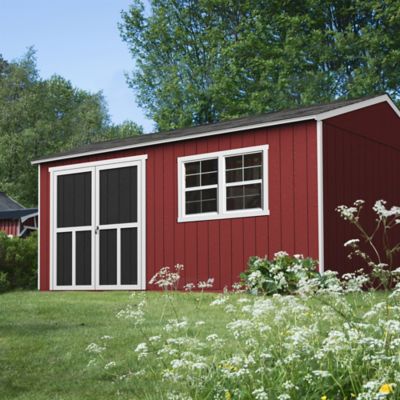
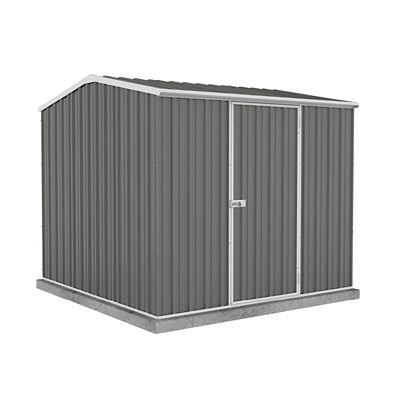
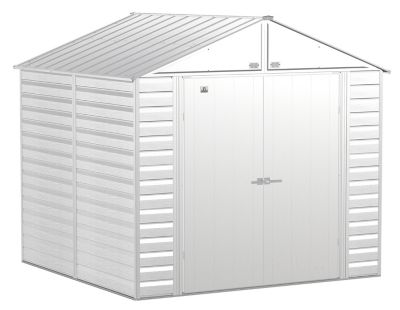
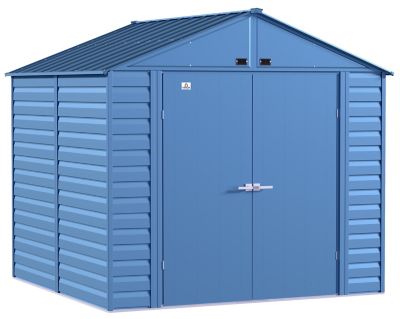
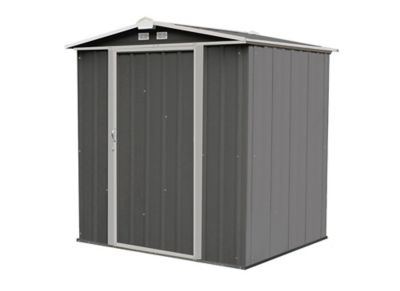
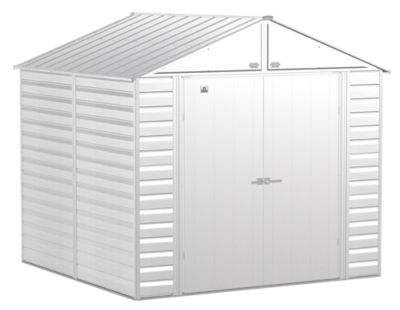
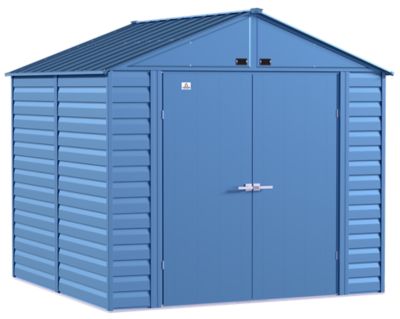
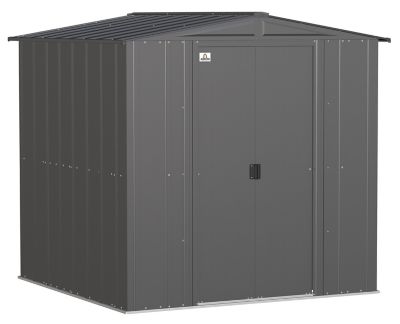
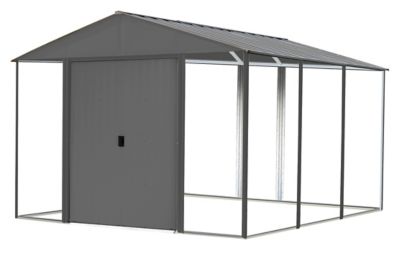
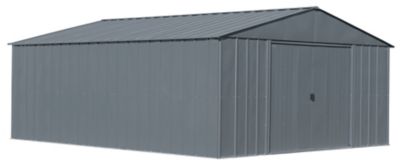
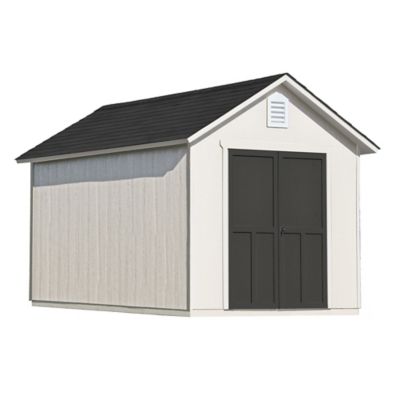
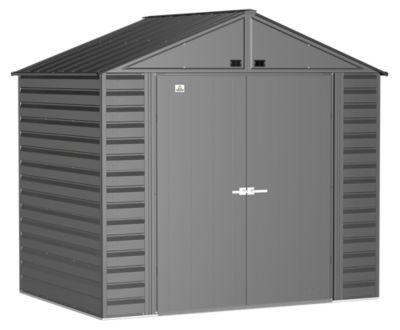
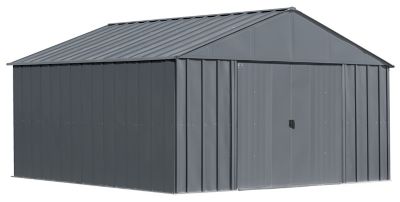
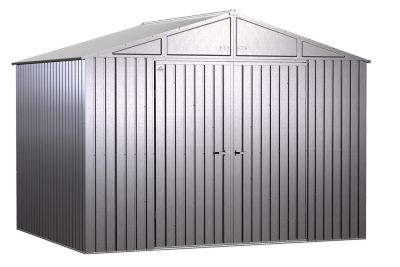
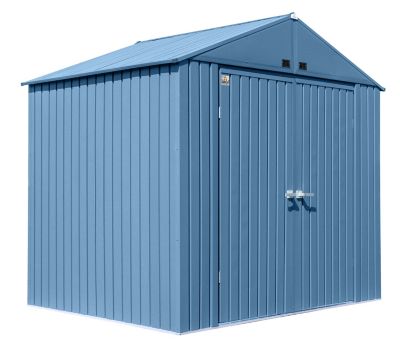
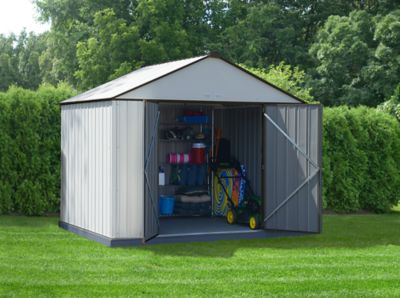
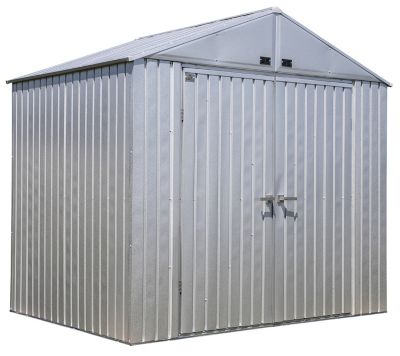
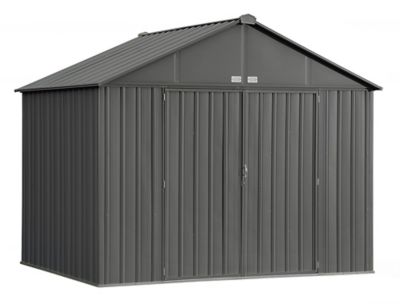
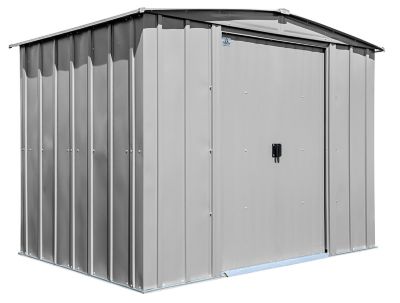
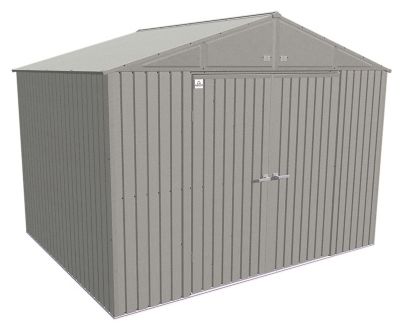
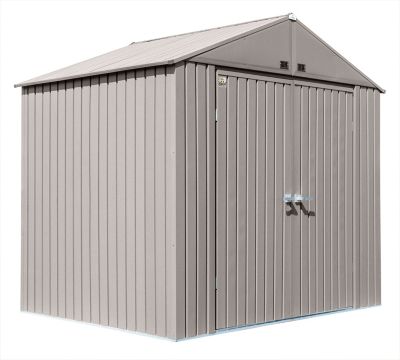
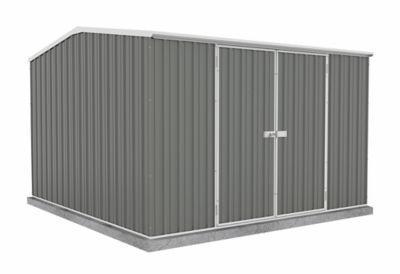
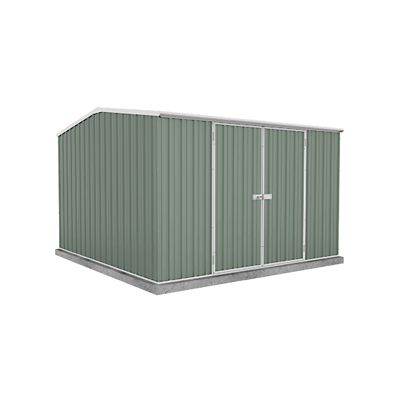
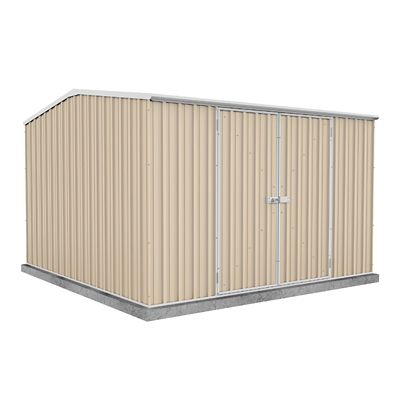
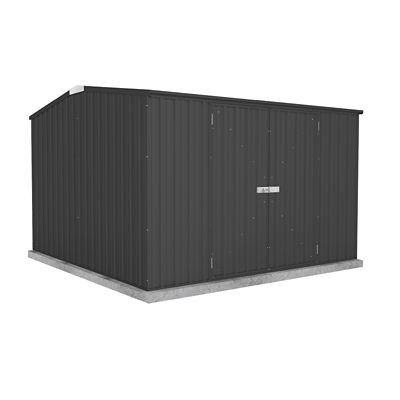
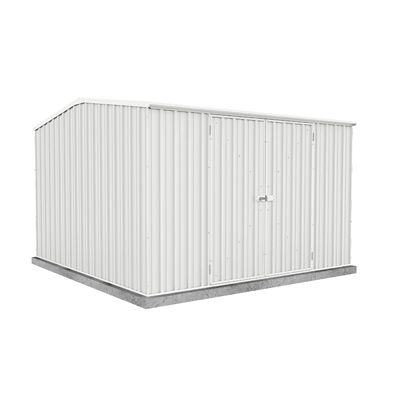
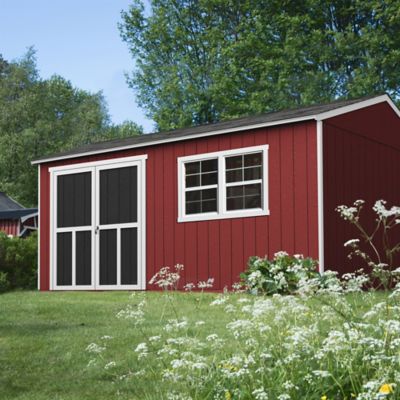
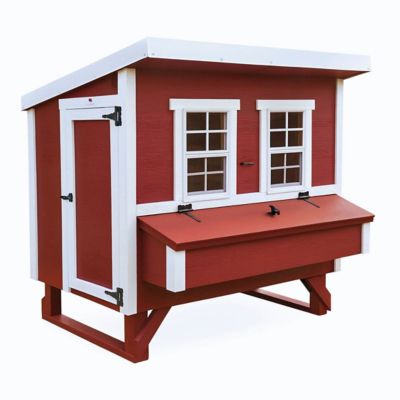
Gable roof sheds bring a familiar, house-like look to the backyard, farmstead, or work area while giving you practical space to get tools, equipment, and seasonal belongings out of the weather. The design is easy to recognize: two sloped roof sections meet at a raised center ridge, forming a triangular peak on each end. That peak does more than add a classic touch. Rain and melting snow can run down both sides instead of pooling on a flat roof, and the extra height in the middle gives you more comfortable standing room for moving around, sorting supplies, or reaching for a stored item. Many homeowners choose this style because it blends well with traditional houses, barns, garages, and outbuildings, while gardeners and small-acreage owners appreciate the usable interior volume. A gable roof can also make room for a small overhead storage area, depending on the shed’s height, framing, and local requirements. If your plans call for more vertical clearance from floor to peak, take a look at
Tall Sheds as another option. Before choosing a shed, measure the space carefully and leave enough room around the structure for doors to open, roof runoff to drain, and routine maintenance. Check local rules for permits, setbacks, foundation requirements, and maximum height, especially if the shed will sit near a property line, septic system, easement, or utility service. A level, well-drained base is important for long-term performance. Depending on the site and the shed design, that may mean a compacted gravel pad, concrete blocks, a poured slab, or another approved foundation. Setting the structure on a solid, level surface helps doors stay aligned and keeps floor panels from taking on unnecessary stress. It is worth thinking through delivery and assembly, too. Make sure a truck or trailer can reach the intended location and that gates, fences, low branches, and narrow driveways will not create a surprise on delivery day.
The right gable roof shed depends on what you plan to keep inside and how often you will use it. A smaller unit may be enough for hand tools, garden hoses, pots, bags of soil, and a push mower, while a larger footprint can hold riding equipment, fencing supplies, feed accessories, bicycles, firewood tools, or work gear that tends to crowd a garage. Measure bulky items with their handles, seats, or attachments in place, then allow walking space so everything does not have to be shuffled around each time you need one tool. Wide double doors can make it easier to move a mower, wheelbarrow, or small utility cart in and out, while a single door may suit a compact storage space. Consider door swing, ramp placement, threshold height, and whether you want windows for daylight. Natural light can make a shed feel more inviting and save you from hunting for a flashlight, but windows may need secure latches, curtains, or another privacy measure if the shed will hold valuable equipment. Ventilation is another detail that pays off over time. Gable vents placed near the peak can encourage warm, damp air to escape, helping control condensation and musty odors inside. Vents work best when they are paired with sensible airflow and a roof system that includes proper decking, underlayment, edge protection, and finished roofing suited to the structure. Depending on construction, a gable roof may be framed with paired rafters meeting at a ridge board or with preassembled triangular trusses. The triangular gable walls and angled framing support the roof shape, while roof sheathing provides a base for the final covering. When comparing options, look at the overall construction, floor capacity, wall framing, roof materials, hardware, and the manufacturer’s guidance for wind and snow loads in your area. A steep enough roof pitch can help with runoff, but heavy weather still calls for sound anchoring and a foundation suited to local conditions. In places that see strong wind, drifting snow, or freeze-and-thaw cycles, follow installation instructions closely rather than treating the shed like a lightweight box set on the ground.
Once installed, a gable roof shed can become one of those hardworking spaces that quietly earns its keep through every season. In the warmer part of the year, it can hold garden tools, hoses, soil amendments, outdoor toys, and summer equipment, keeping muddy items and grass clippings out of the garage. As the weather turns cooler, it can give you a dry place for patio cushions, planters, holiday decorations, portable heaters, snow equipment, and other belongings that need to be tucked away until they are needed again. On a small farm or homestead, the shed may serve as a handy workroom for repairing gates, organizing fasteners, storing hand tools, or keeping clean equipment close to a garden or pasture. Some families use one as a craft or hobby space, but any finished or regularly occupied use should be planned with local building, electrical, insulation, and ventilation requirements in mind. Keep fuels, chemicals, pesticides, propane, and other hazardous materials in approved containers and away from heat sources, children, pets, and animal feed. Shelving, pegboards, hooks, and sturdy bins can turn open floor space into a more useful setup, while keeping heavy items low helps with stability and makes daily access easier. Leave a little breathing room around walls and the roof interior so you can spot leaks, pests, or moisture before a small issue becomes expensive. Sweep out dirt and leaves, clear roof debris, check fasteners and hinges, and inspect the foundation after major storms or long periods of wet weather. Wood components may need periodic sealing or repainting, while metal surfaces should be checked for scratches, rust, and areas where water collects. A gable roof shed can be a thoughtful housewarming gift for a gardener, homeowner, hobby farmer, or anyone whose garage has become a maze of boxes and equipment, although the recipient will need enough yard space and approval to install it. With a suitable location, sound base, practical layout, and a little upkeep, this traditional shed style provides dependable storage and a useful bit of breathing room for the everyday work of country living.