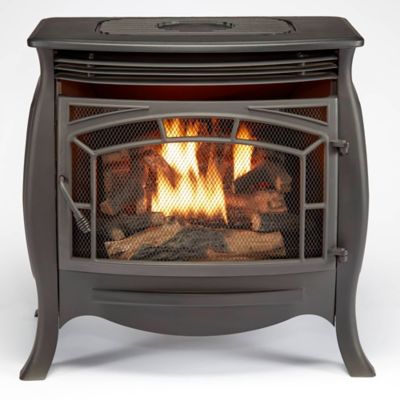
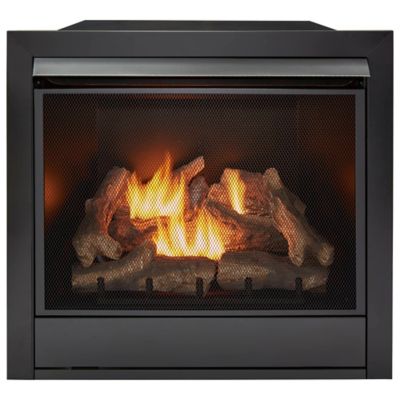
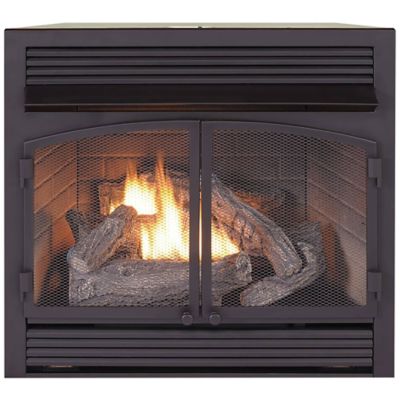
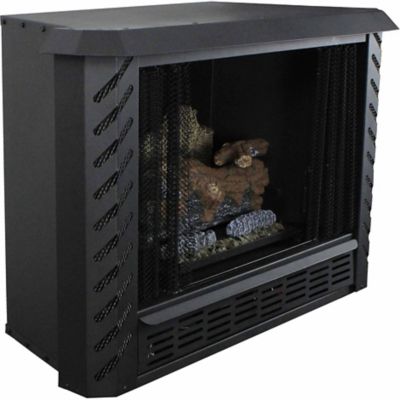
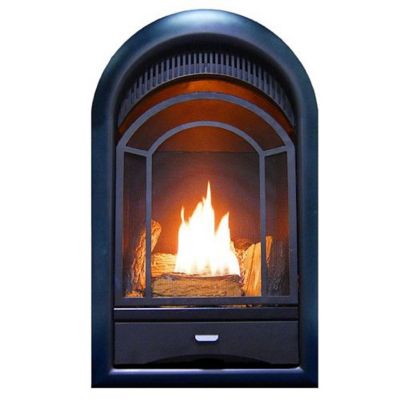
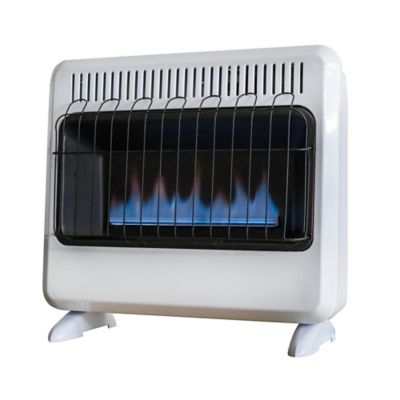
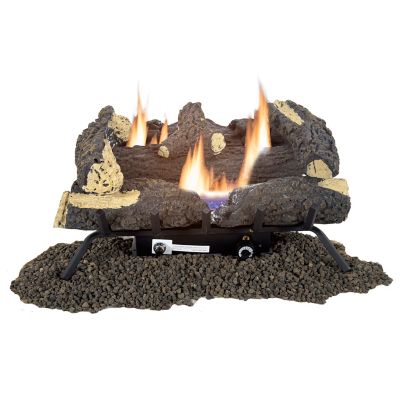
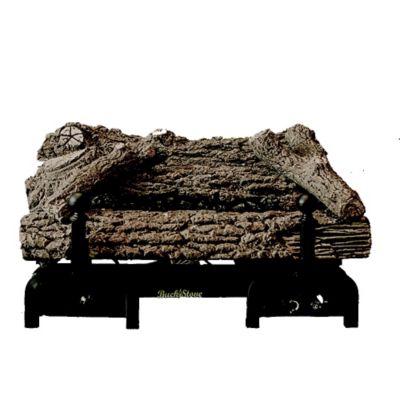
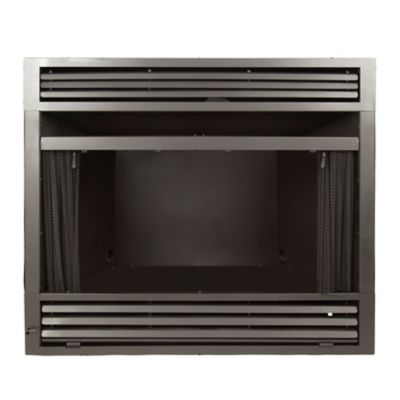
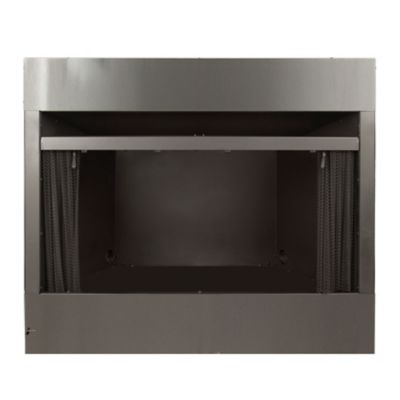
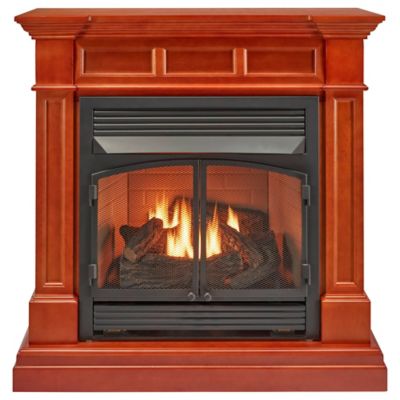
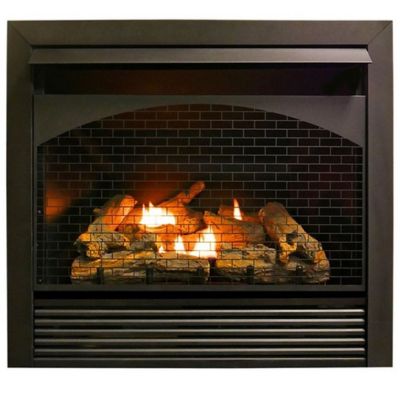
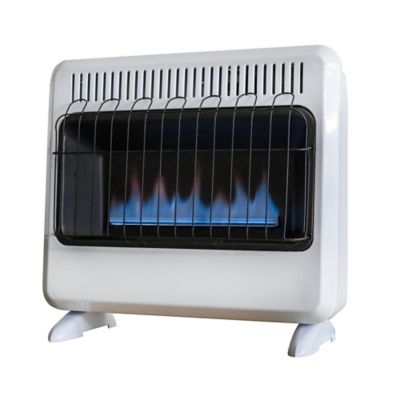
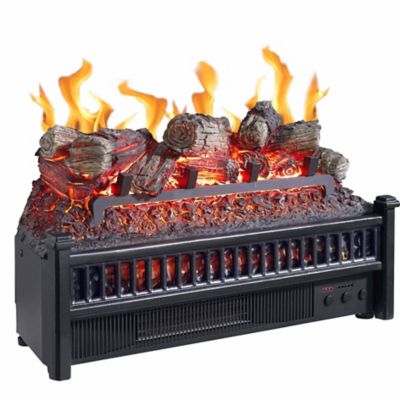
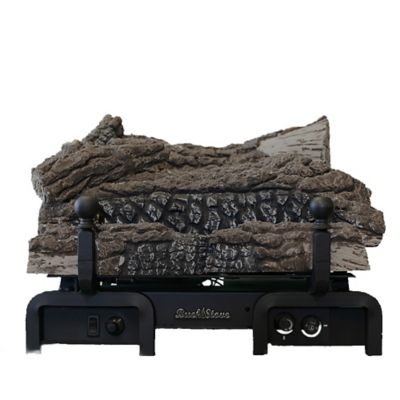
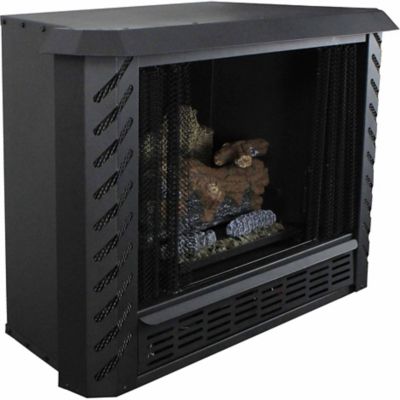
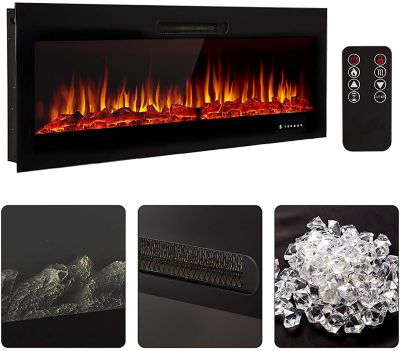
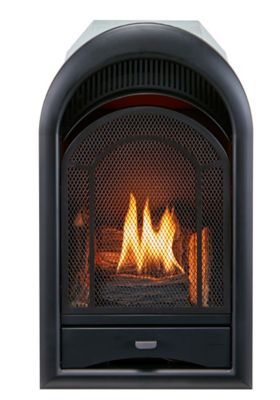
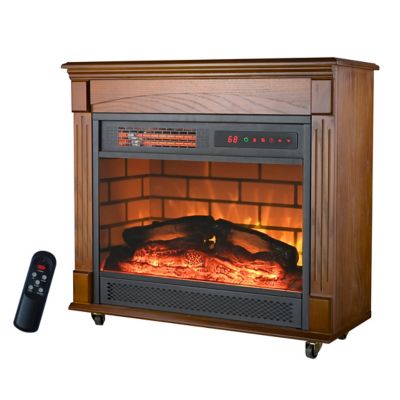
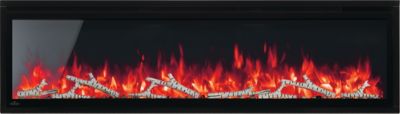
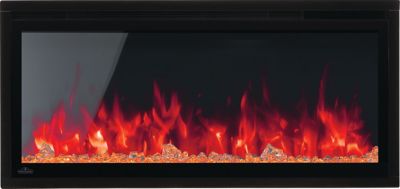
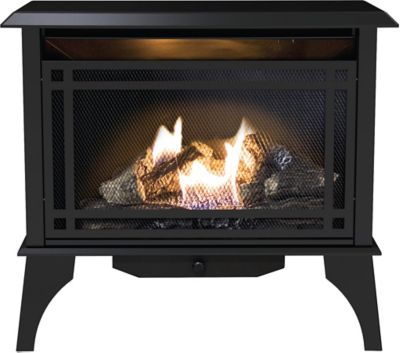
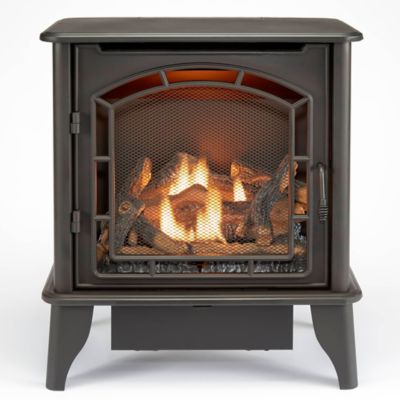
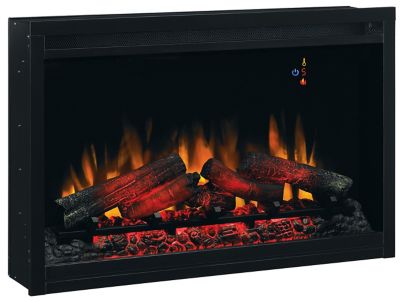
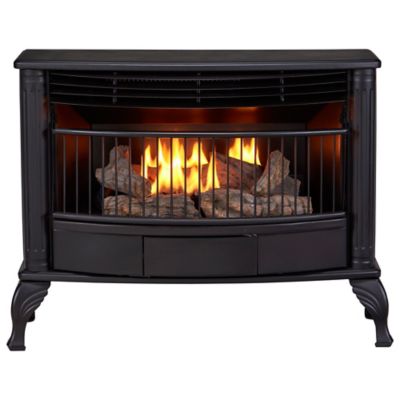
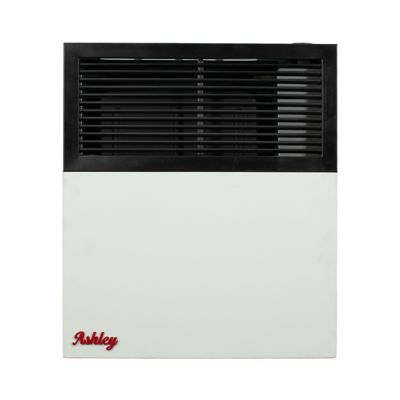
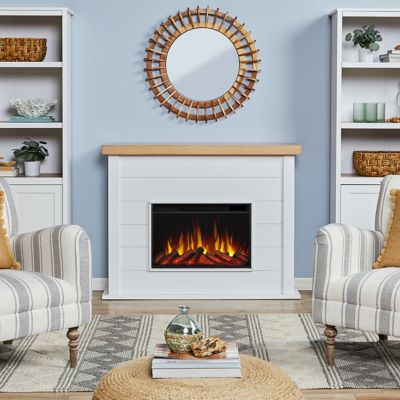
Ventless fireplaces, also called vent-free or ventless heaters, are designed to bring steady warmth and a cozy fire-like glow to rooms without a chimney, flue, or outside wall penetration. Depending on the setup, they may use natural gas, propane, gel fuel, or electricity, so checking the fuel type is one of the first steps when comparing options. Gas and propane models burn fuel inside the room and send nearly all of the heat they create into the living space instead of losing warmth up a chimney. That efficient design can make a ventless fireplace useful in a den, finished basement, cabin, workshop, guest room, or other area where adding a traditional fireplace would be difficult or expensive. Freestanding units can offer flexible placement, while wall-mounted styles and fireplace inserts may suit rooms with limited floor space or an existing hearth. Even though installation is often simpler than building a chimney, these products still need to be installed and operated exactly as directed. Before buying, check local building and fire codes, homeowner or rental rules, fuel availability, and any restrictions in your area. Some locations do not allow certain ventless gas appliances indoors, and requirements can vary by county or municipality. A qualified professional can help confirm whether a gas line or propane connection is suitable, calculate the room size needed for safe operation, and verify required clearances from walls, furniture, curtains, rugs, firewood, and other items that could be damaged by heat.
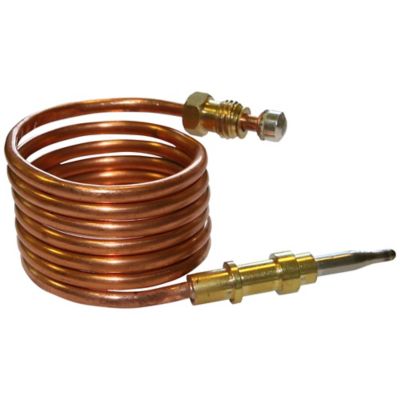
A certified ventless gas fireplace should include an oxygen depletion sensor, often called an ODS, along with a safety pilot or automatic shutoff system. The ODS monitors the oxygen level around the burner and is designed to turn off the fuel supply if the level falls below the safe operating range. That feature is an important part of the design, but it does not replace good habits. Keep the room within the manufacturer’s required minimum size, do not block air openings, and never use an indoor fireplace in a space where it is not approved. A working carbon monoxide alarm near sleeping areas and on each level of the home is a smart extra layer of protection, and regular maintenance helps keep the burner, pilot, and safety controls working as intended. Because burning fuel produces water vapor along with heat, a ventless fireplace can add humidity to a room. In a tightly closed home, that may show up as condensation on windows or a damp feeling near exterior walls, especially during the cooler months. Follow the instructions for approved operating time and ventilation, and stop using the unit if you notice unusual odors, soot, discoloration, headaches, dizziness, or other signs that something may be wrong. Never use a ventless fireplace for cooking, drying clothing, heating an enclosed porch unless the unit is approved for that space, or warming a room while everyone is asleep. An electric model does not burn fuel or consume room oxygen, but it still requires safe electrical use, proper clearances, and a circuit that can handle the load. Those details matter whether the fireplace is warming a farmhouse living room after chores, taking the chill off a hunting cabin, or adding a soft glow to a family room where boots and coats are drying by the door.
When choosing among ventless fireplace options, start with the room and the job you want the unit to handle rather than choosing by appearance alone. Compare heat output, fuel type, ignition method, thermostat or remote-control features, operating cost, flame presentation, finish, footprint, and installation requirements. Measure the available area carefully, including the space needed for clearance and access to controls. A compact fireplace may be a good fit for a small den, while a larger open room may need a higher heat rating or a different heating solution. Think about how often the unit will run, whether fuel can be stored safely, and how easy it will be to clean and service. Look for clear safety information, recognized certification, sturdy construction, and replacement parts or service support. A ventless fireplace can also make a thoughtful housewarming gift for someone settling into a cabin, finishing a basement, or creating a comfortable gathering spot in a barn-inspired home, though the recipient should always confirm local rules and installation needs before accepting a fuel-burning model. For shoppers comparing related heating choices,
Ventless Heaters can offer additional ways to warm a room without taking on a full traditional fireplace project. Whether the goal is dependable supplemental heat, a welcoming focal point, or a little extra comfort during crisp mornings and long evenings, the best choice is one that matches the room, fuel source, safety requirements, and everyday routine.