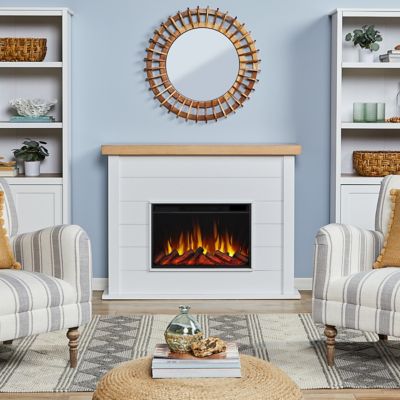
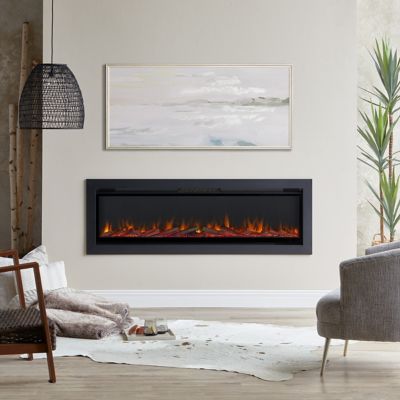
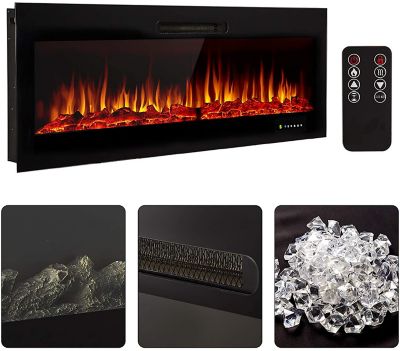
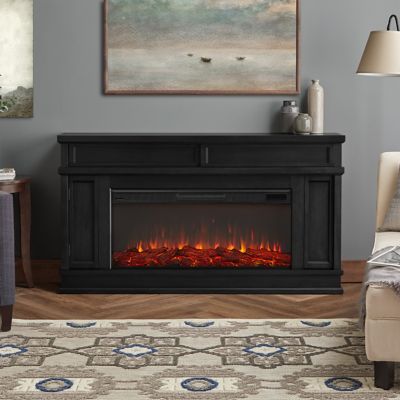
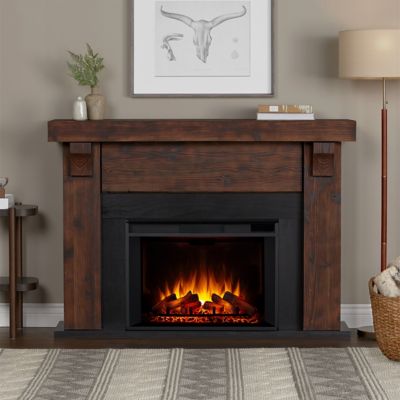
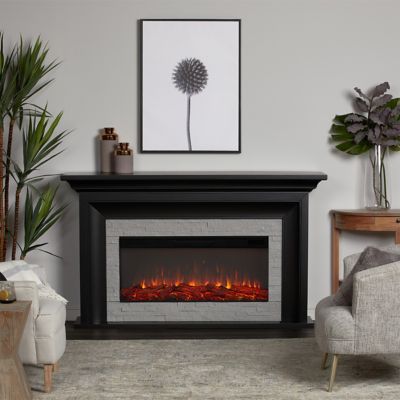
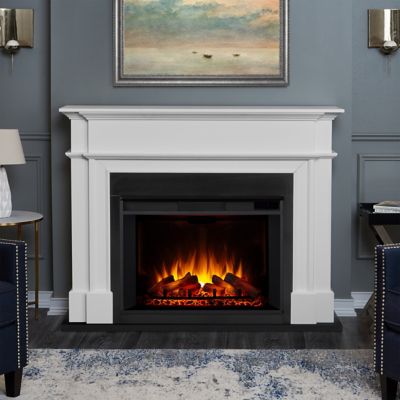
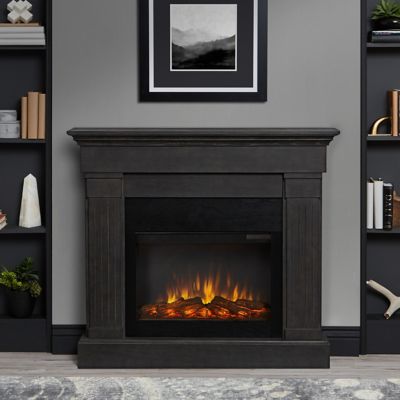
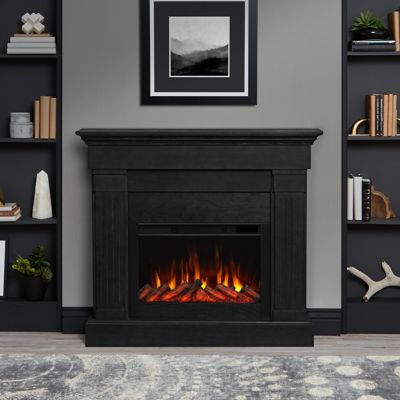
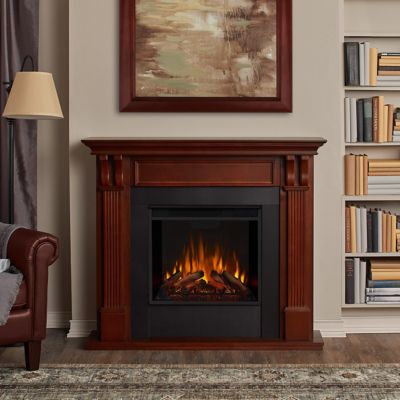
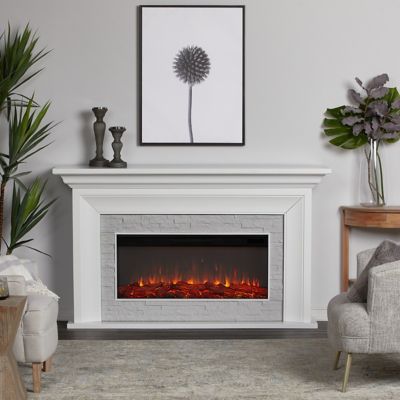
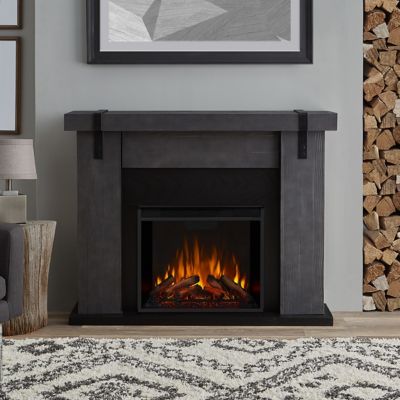
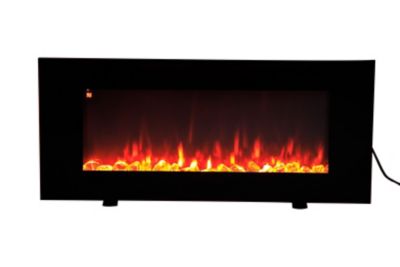
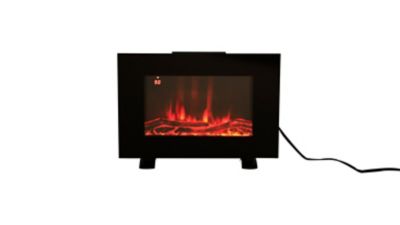
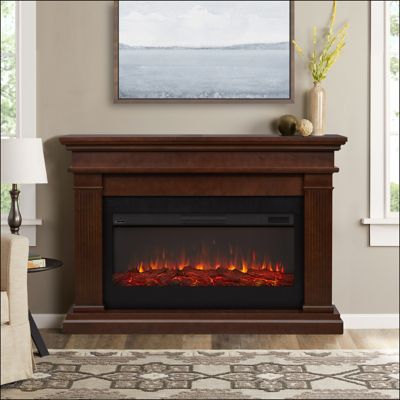
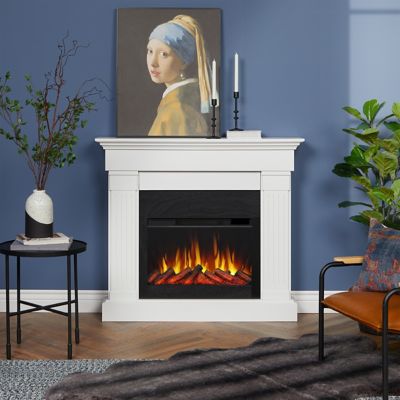
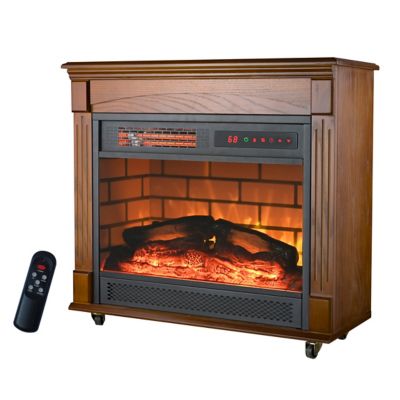
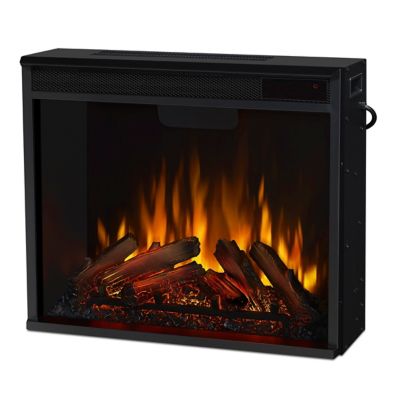
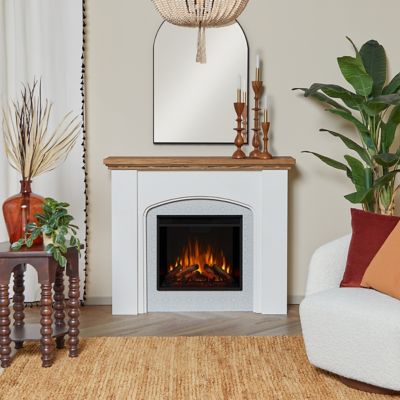
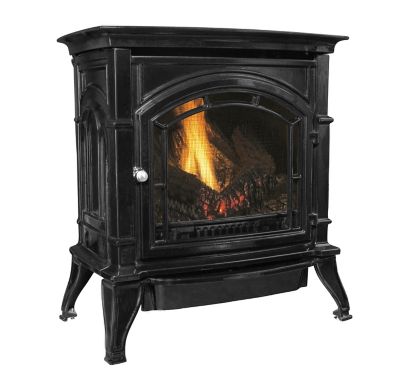
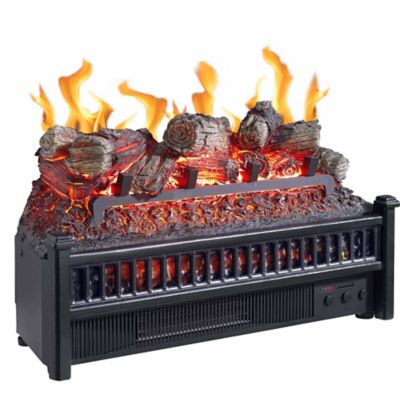
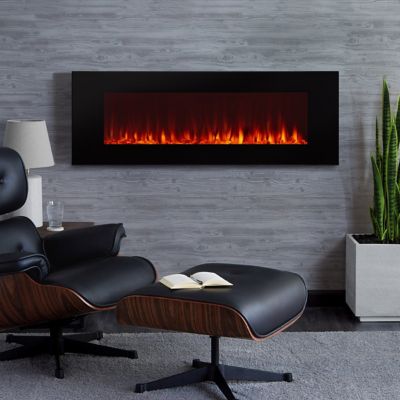
Electric fireplaces bring the look of a hearth into a room without burning wood or gas. They create flame effects with lighting, reflective components or digital displays, and many include an electric heater that adds supplemental warmth. Because there is no fuel combustion, an electric fireplace does not need a chimney or combustion vent, and there are no ashes to shovel or logs to carry inside. Most plug-in models connect to a standard 120-volt household outlet, while some built-in designs require hardwiring and professional installation. That makes this category worth a look for homes where adding a traditional fireplace would mean substantial construction. A freestanding electric stove can give a sitting area a hearth-like focal point, while an insert can bring a flame display to a compatible existing fireplace opening. Wall-mounted and recessed designs offer a different approach, with a broad viewing area and less demand for floor space. Many electric fireplaces have separate flame and heat controls, so the display can run without warming the room. Depending on the design, controls may include flame brightness, color settings, a thermostat, a timer or a remote that saves a trip across the living room. These features can suit everything from a quiet chair beside the bookcase to a family gathering space where folks settle in after chores. Heating performance still depends on the appliance’s wattage, room size, ceiling height, insulation and open doorways; an electric fireplace is generally a supplemental heat source rather than a replacement for a home’s main heating system. Listed room coverage is helpful context, but a wide-open floor plan will not hold warmth the same way as an enclosed den. For a broader look at hearth styles and fuel types, the
Indoor Fireplaces collection provides another place to compare options.
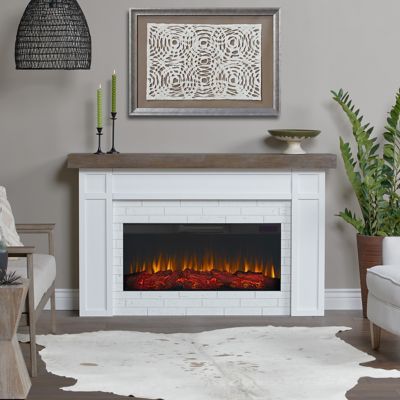
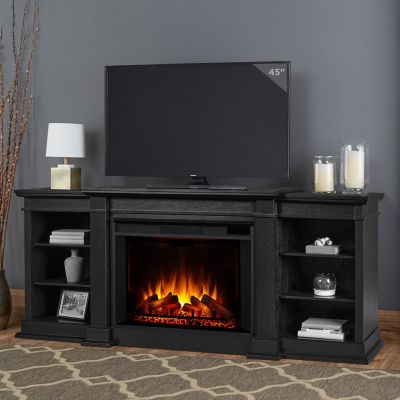
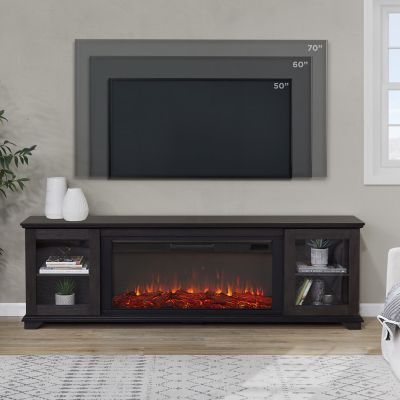
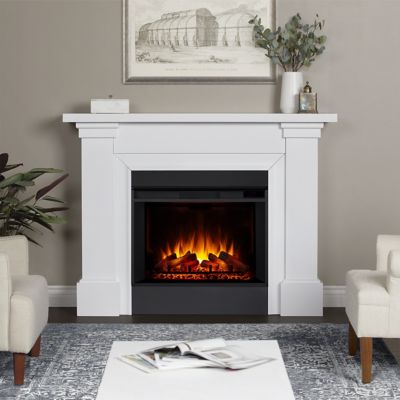
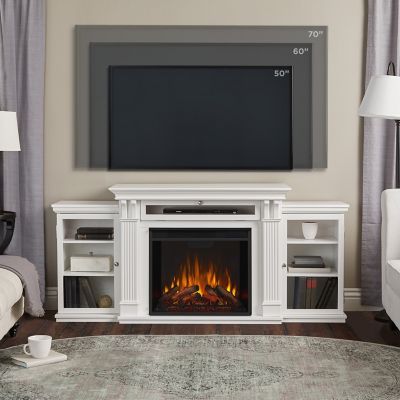
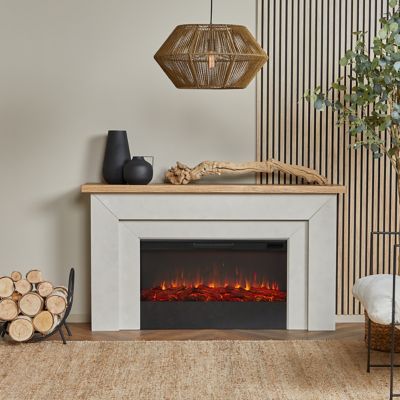
The right electric fireplace fits both the room and the way the space gets lived in. Compact stove-style units work well where a full mantel would crowd a walkway, while mantel-style fireplaces can anchor a larger wall and provide the familiar outline of a traditional hearth. Fireplace consoles combine a firebox with furniture-style storage, though shelf capacity, television placement and heat clearances need to match the manufacturer’s directions. A wall-mounted unit keeps its footprint off the floor, but it still needs proper mounting support and room around the air openings. Recessed installations call for closer attention to wall depth, framing, wiring and the exact opening dimensions. The overall cabinet measurements and the visible firebox measurements are not always the same, so both matter when picturing how a fireplace will sit beneath a picture or between a pair of chairs. Materials also shape the look and everyday upkeep. Steel housings can suit a simple, workmanlike room, glass fronts provide a clear view of the flame effects, and wood or engineered-wood surrounds offer a furniture-like finish. Stone-look surfaces can give a mantel more visual weight without requiring a masonry hearth, although construction and installation needs vary. In a farmhouse living room with wood floors and a well-worn leather chair, a substantial surround may feel right at home; in a smaller den, a slim design may leave more room for people and pets to pass through. Finish color deserves attention alongside cabinet hardware, flooring and nearby furniture, especially when the fireplace will be a main focal point. Flame appearance matters, too. Some displays aim for glowing logs and ember beds, while others have a cleaner, more contemporary look. Viewing angle, brightness settings and the sound of the heater fan can affect how comfortable the fireplace feels during conversation or an evening in front of the television. A broad flame display does not necessarily mean greater heating output, so size and heating specifications deserve separate consideration.
Everyday ease comes down to sensible placement, straightforward controls and care that matches the materials. A plug-in electric fireplace needs an appropriate grounded wall outlet and an electrical circuit that meets its listed requirements. Extension cords and power strips are not substitutes for the connection specified by the manufacturer, and a cord should never run beneath a rug or through a spot where boots, chair legs or a closing door can damage it. High-wattage heaters can place a substantial load on a circuit, so sharing that circuit with other demanding appliances may cause problems. For hardwired installations or questions about household wiring, a qualified electrician can assess the setup. Furniture, curtains, blankets and other combustible materials need to stay outside the stated clearances, with heater outlets and air intakes kept open. Although an electric fireplace has no real flame, its heating components and nearby surfaces can become hot. Households with children or animals should consider access to the heater, cord placement and the chance of a freestanding unit being knocked over. Overheat protection, timers and other safety features vary by model and do not replace supervision or the operating instructions. Electric fireplaces are intended for indoor locations unless expressly rated otherwise, and damp areas require equipment specifically approved for that setting. Routine care is usually lighter than tending a wood fire, but dust still collects on glass, vents and surrounding furniture. With the unit switched off, unplugged when applicable and fully cooled, a soft cloth and the cleaning method named in the manual help protect the finish and viewing panel. Air openings may need gentle dust removal, particularly in homes where pets shed or foot traffic brings in dirt. Avoid spraying liquid into the appliance, and leave internal electrical repairs to qualified service personnel. For a new homeowner, a household member who likes the glow of a hearth, or someone furnishing a favorite sitting room, an electric fireplace can be a thoughtful gift when space, electrical requirements and installation plans are settled beforehand.