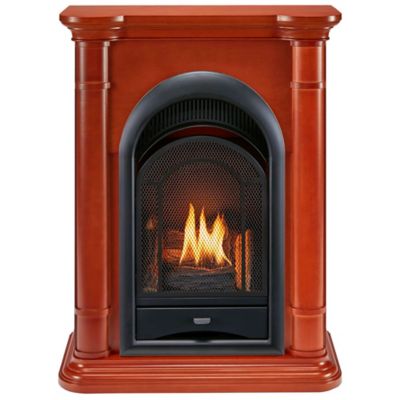
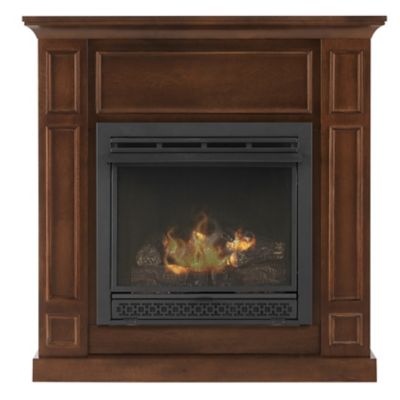
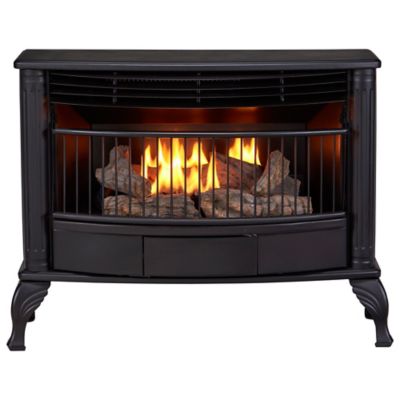
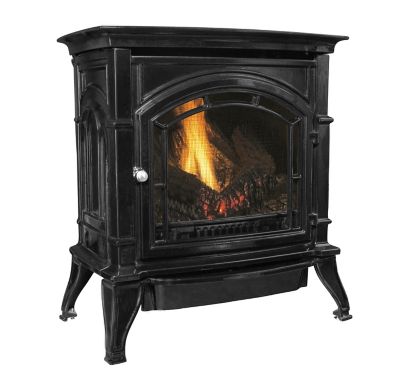
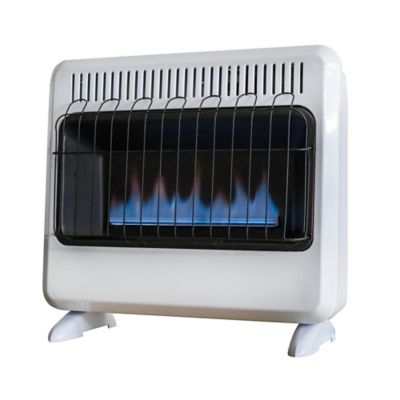
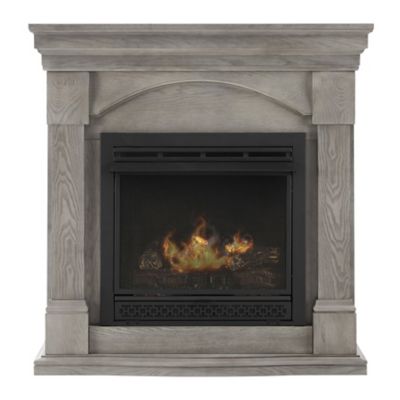
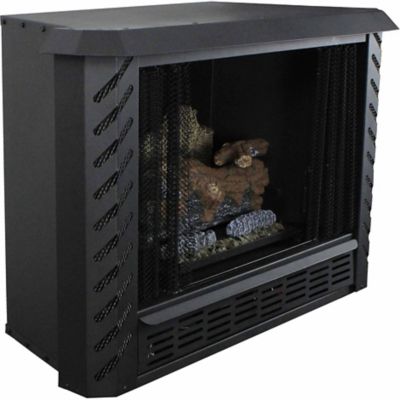
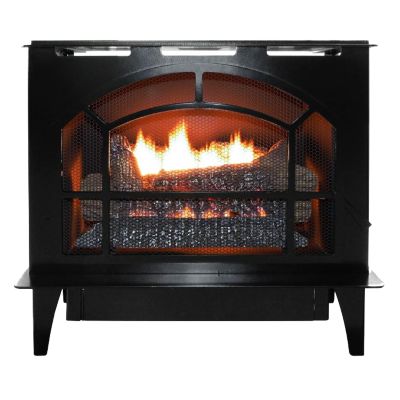
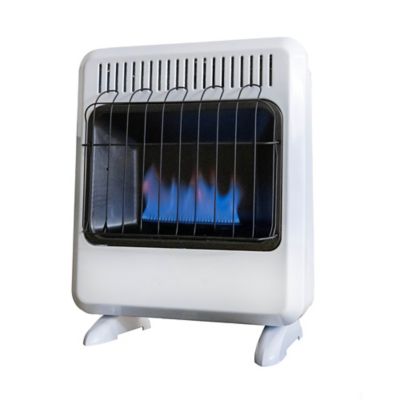
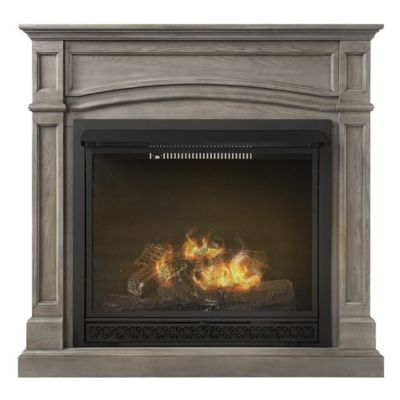
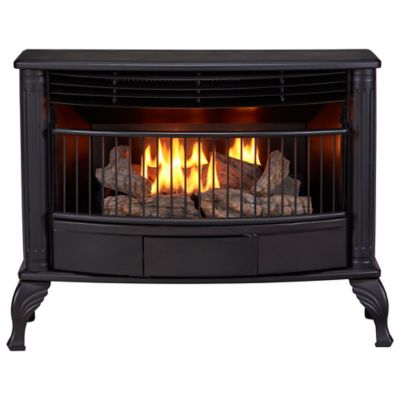
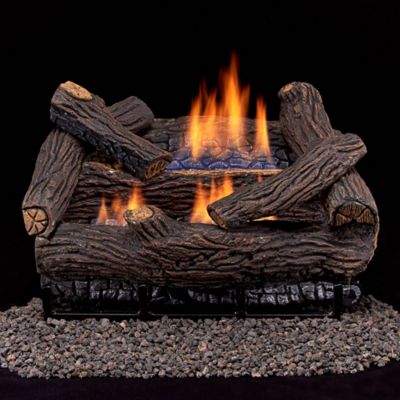
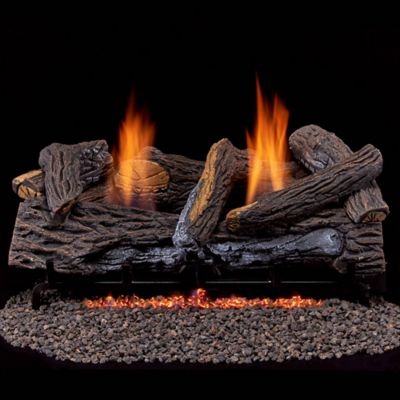
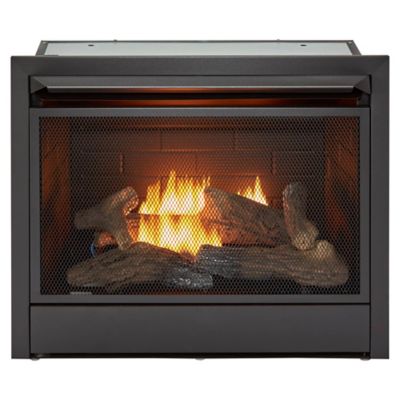
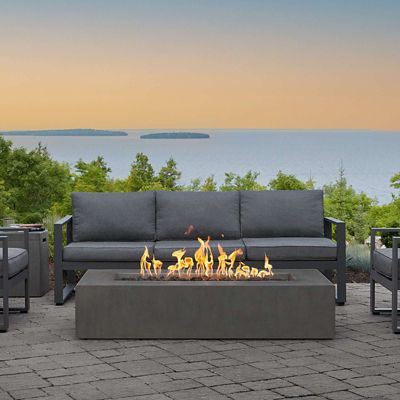
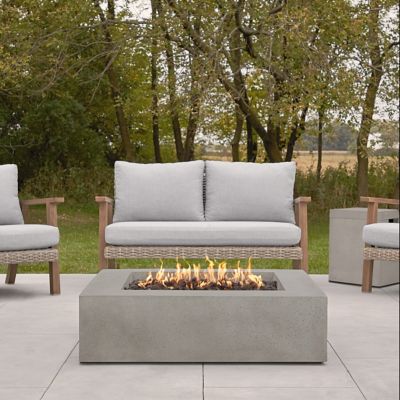
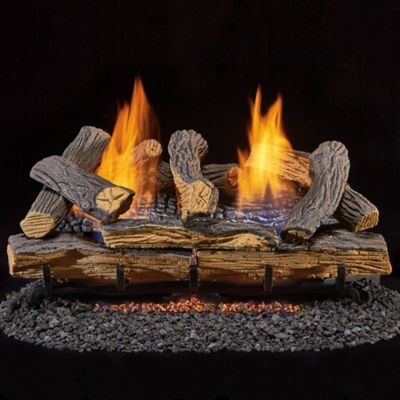
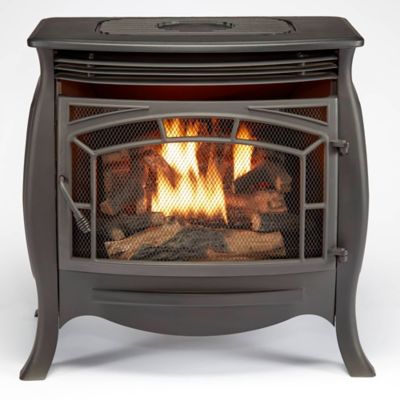
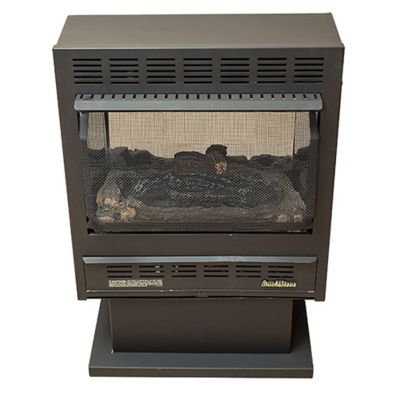
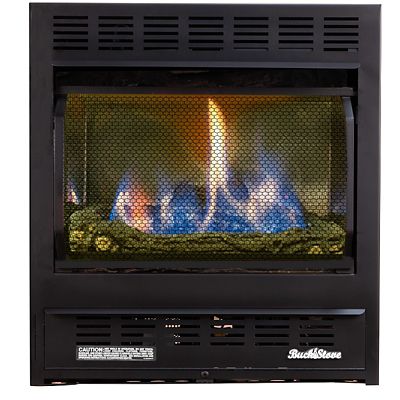
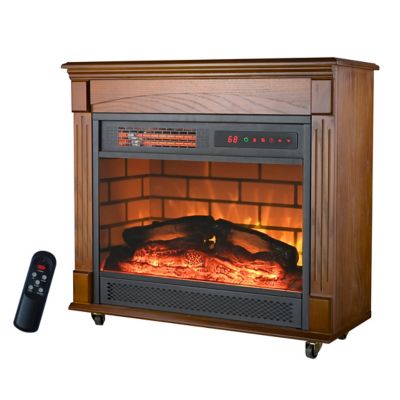
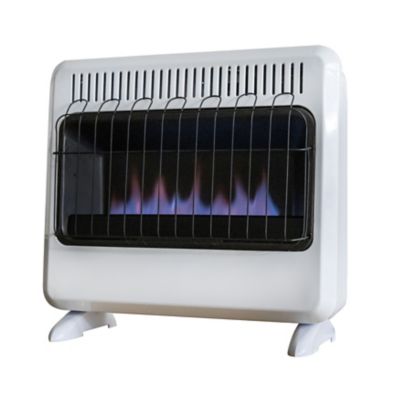
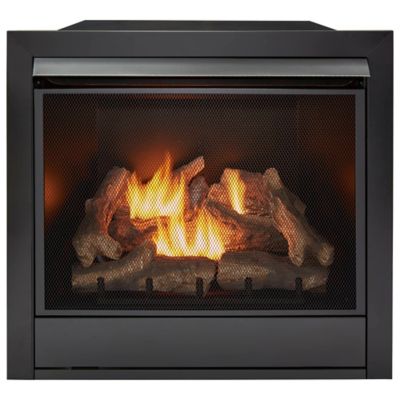
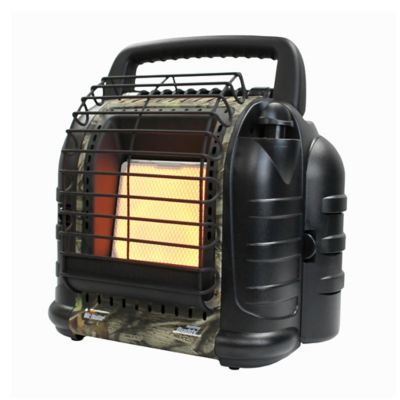
A propane gas ventless fireplace can bring steady warmth and a welcoming glow to a living room, cabin, den, finished basement, workshop, or other approved indoor space without requiring a chimney or traditional flue. Because these appliances are designed to release heat directly into the room, they can be a practical choice for homes where a vented fireplace is difficult or expensive to install. Many folks use one as supplemental heat during the cooler months, especially in a room that tends to feel chilly while the rest of the house is comfortable. They can also add a cozy gathering spot for everything from quiet mornings with a cup of coffee to evenings spent visiting with family after outdoor chores are done. When shopping for a propane gas ventless fireplace, start with the room itself and the type of installation that fits your home. Freestanding units can work well when you want flexibility, while wall-mounted models save floor space, and built-in inserts can create a more finished look when placed in an existing fireplace opening or planned surround. Some homes may be better suited to
Propane Gas Wall Heaters, particularly when the main goal is straightforward supplemental warmth rather than a fireplace-style centerpiece. Compare the available heat output, measured in BTUs, with the size and layout of the room instead of choosing solely by appearance. A unit that is too small may run constantly without bringing the space to a comfortable temperature, while one that is too large can make the room overly warm and contribute more moisture than the space can comfortably handle. Ceiling height, insulation, open doorways, nearby rooms, and the home’s overall floor plan all affect how heat moves, so product sizing information and installation instructions deserve a close read before purchase.
Room volume is an especially important consideration with a propane gas ventless fireplace. As a general safety guideline associated with certified vent-free gas appliances, the room needs at least 50 cubic feet of air volume for every 1,000 BTUs of appliance input. For example, a 30,000-BTU unit calls for a minimum room volume of 1,500 cubic feet, though local codes, manufacturer instructions, and the actual layout of connected spaces may require a different calculation. Measure the room’s length, width, and ceiling height, and be careful about assuming that an open doorway automatically makes several rooms count as one large space. Before installation, check state and local requirements because ventless gas appliances are restricted or prohibited in some areas, including certain jurisdictions in California, Massachusetts, and parts of Canada. Local rules may also address approved rooms, clearances from walls and furniture, floor protection, gas connections, and whether installation must be completed or inspected by a licensed professional. A qualified installer can confirm that the propane supply, regulator, shutoff valve, gas line, and mounting or hearth surface are appropriate for the appliance. Keep furnishings, curtains, paper goods, decorations, and other combustible materials outside the required clearance area, and never use a fireplace in a room or application that the instructions do not allow. These units are generally best treated as supplemental heat rather than a replacement for a home’s primary heating system. A model may be useful in a drafty sitting room, hunting cabin, or outbuilding with an approved installation, but it should not be relied on to heat an entire property unless the manufacturer and local code specifically support that use. A propane gas ventless fireplace can make a thoughtful housewarming gift for someone settling into a cabin or updating a gathering space, although the recipient should be involved in selecting the size and installation style because every home has different fuel, code, and clearance needs.
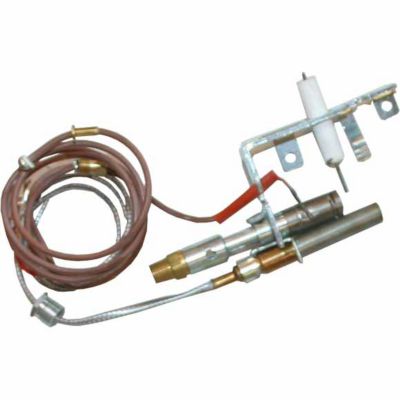
Safety equipment and everyday upkeep matter just as much as the fireplace’s appearance. Certified propane gas ventless fireplaces are equipped with an oxygen depletion sensor, commonly called an ODS, that is designed to shut off the gas supply if oxygen levels around the pilot fall below a safe threshold. The ODS is an important built-in safeguard, but it does not take the place of proper room sizing, installation, maintenance, or carbon monoxide protection. Install working carbon monoxide alarms according to local guidance and the alarm manufacturer’s instructions, and keep smoke alarms in their proper locations as well. Have the appliance inspected and cleaned as recommended, especially before the cooler months when it may see more frequent use. Dust, pet hair, cobwebs, and debris can collect around air inlets, the pilot assembly, and the burner, so follow the owner’s manual for cleaning and never modify, block, or remove safety components. A qualified technician should handle gas odor concerns, unusual flame behavior, repeated shutdowns, damaged parts, or any service involving the gas controls. Propane combustion also produces water vapor, and a typical 30,000-BTU ventless unit may add roughly one-half to one pint of moisture to the room during an hour of operation. In a tightly sealed home, that moisture can show up as condensation on windows, damp corners, musty odors, or mildew over time. Use the ventilation recommended by the manufacturer and local code, and pay attention to how the room responds during operation. People with asthma, respiratory sensitivities, or concerns about indoor air quality may want to discuss the appliance with a qualified professional before purchasing. Keep children and pets away from hot surfaces, use a sturdy screen or barrier when appropriate, and never leave an operating fireplace unattended for extended periods. With careful sizing, approved installation, regular inspection, and sensible operation, a propane gas ventless fireplace can provide efficient supplemental warmth and the familiar comfort of dancing flames as the weather shifts from warm days to cooler evenings.