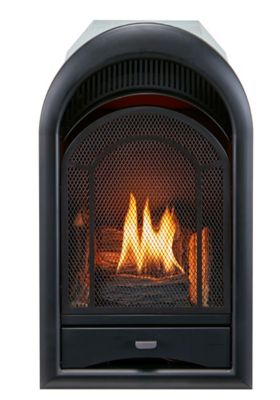
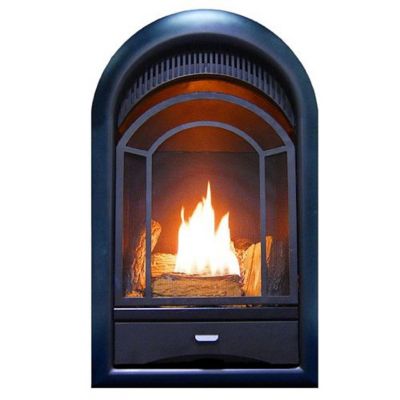
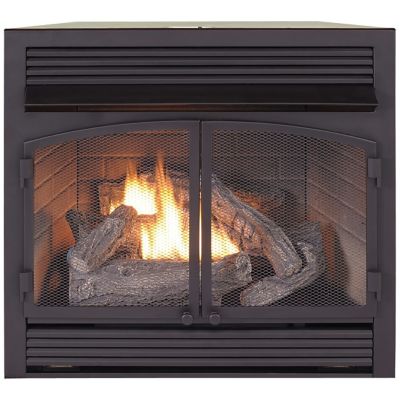
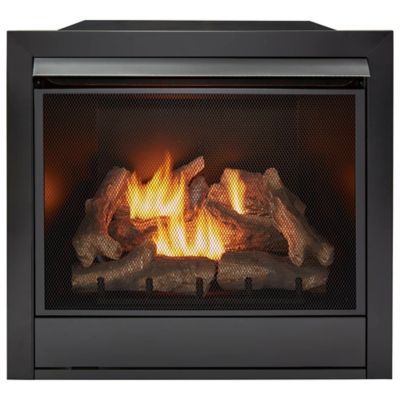
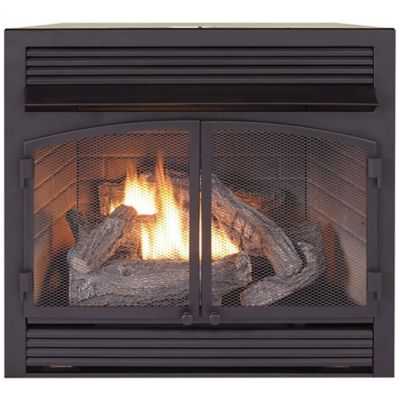
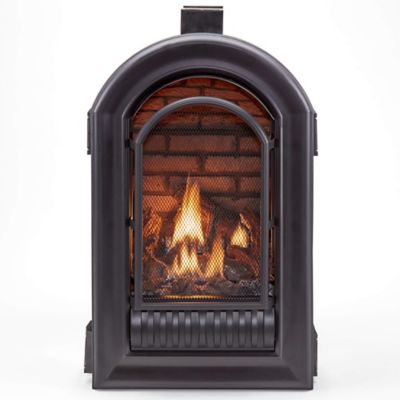
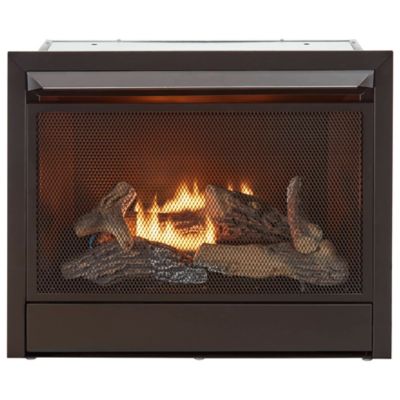
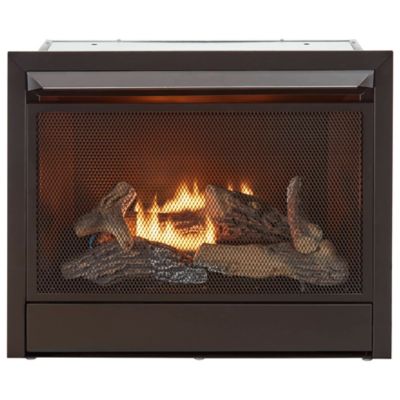
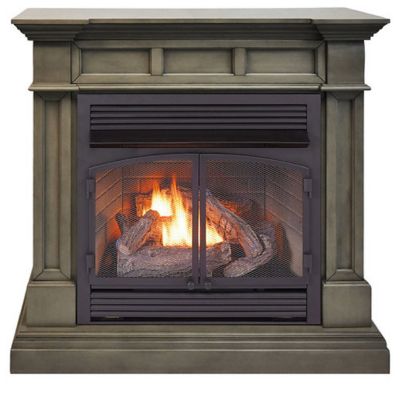
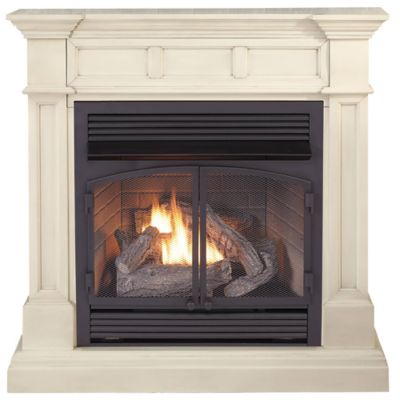
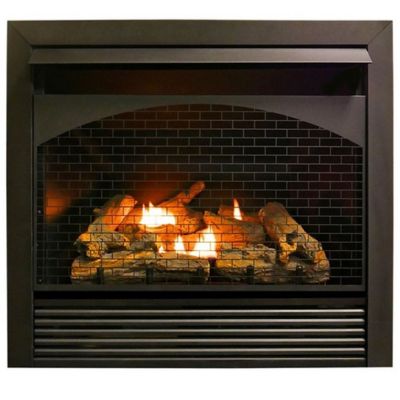
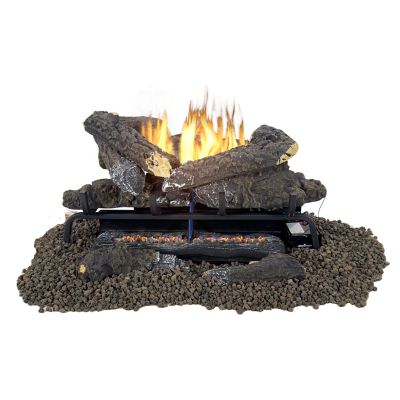
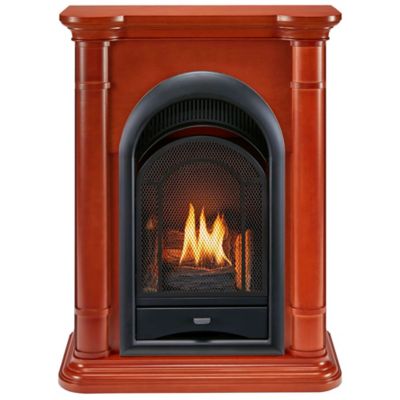
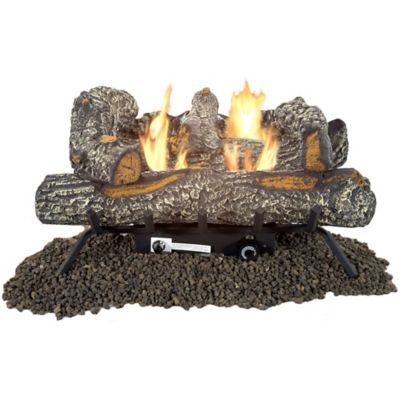
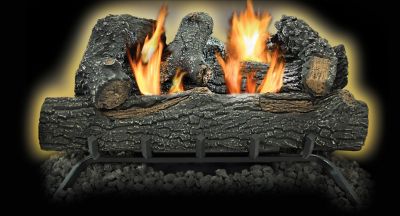
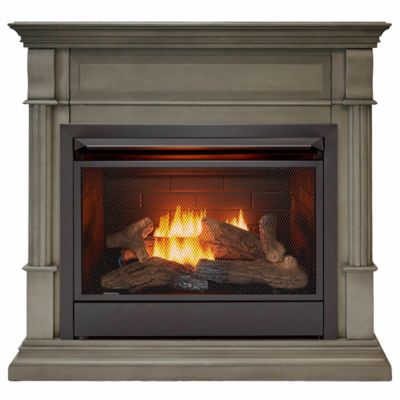
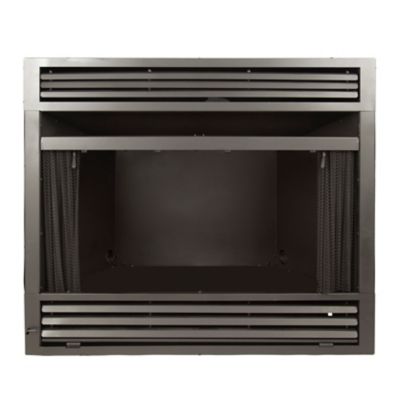
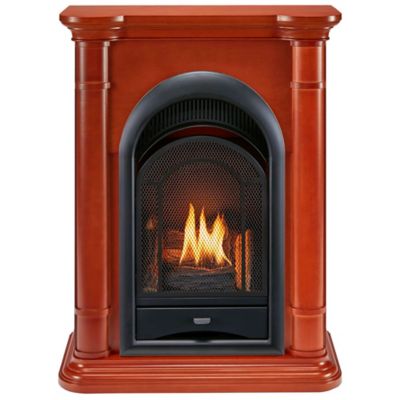
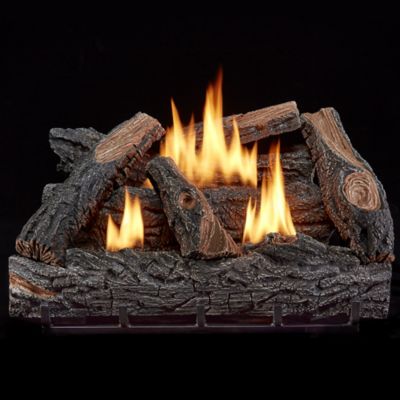
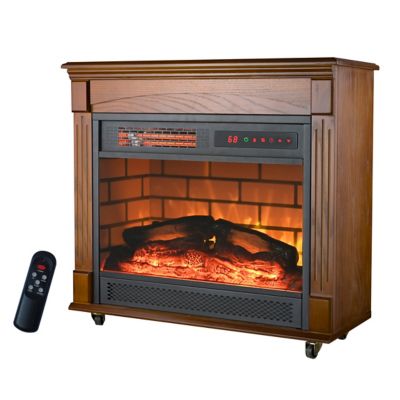
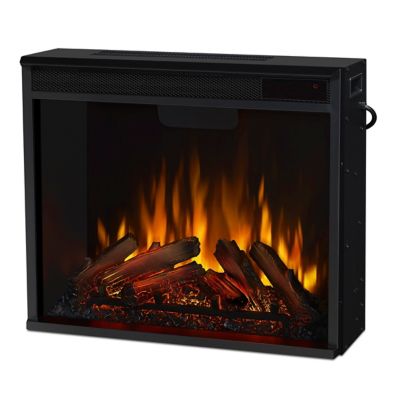
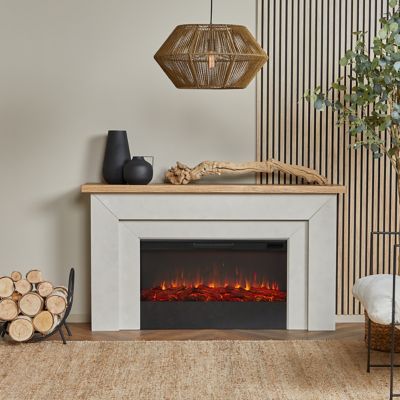
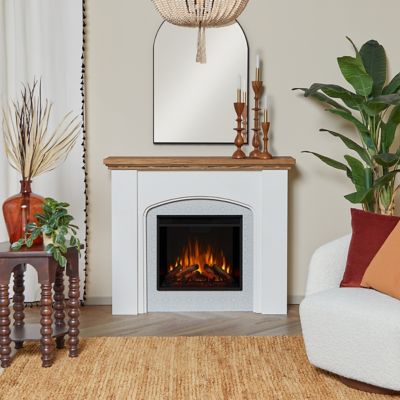
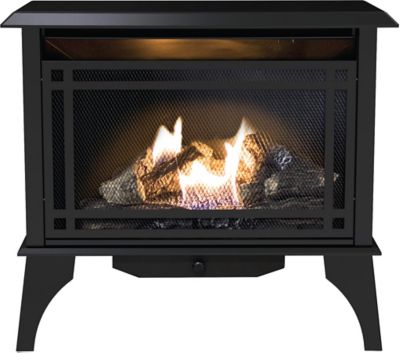
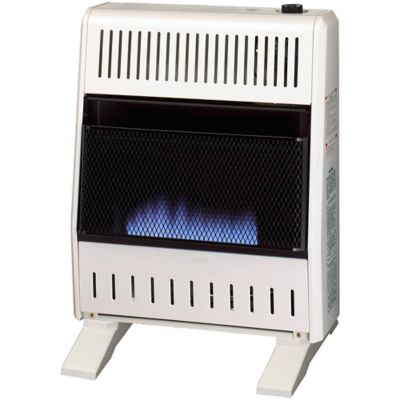
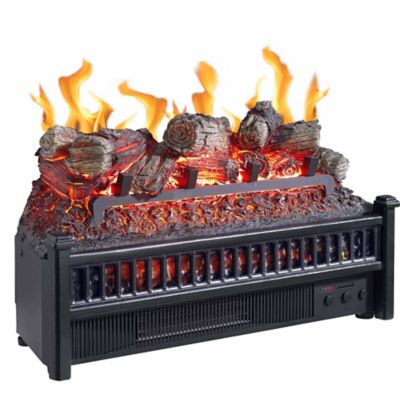
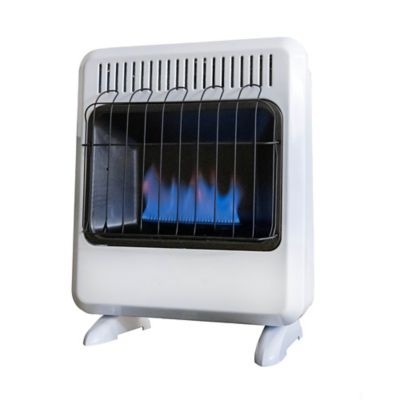
Ventless gas fireplace inserts are gas-burning heating appliances designed to fit an approved fireplace opening without a chimney or outdoor exhaust vent. Also called vent-free inserts, they run on natural gas or propane, depending on the appliance, and send heat and combustion byproducts directly into the room. That makes them different from direct-vent inserts, which draw combustion air from outdoors and carry exhaust outside through a vent system. A ventless insert can bring a steady flame and supplemental heat to a living room, den or other approved gathering space without the hauling, stacking and ash cleanup that come with firewood. The setup still needs to suit the house: an existing masonry fireplace, factory-built fireplace or separate firebox must be approved for the particular insert. Not every fireplace opening is a match, even when the measurements look close. Construction details matter, too. Steel bodies, heat-resistant finishes and burner assemblies built for repeated heating help these appliances handle regular operation. Depending on the design, ceramic-fiber or refractory logs create the look of split wood, while interior panels provide a brick or stone appearance behind the flame. A broad viewing area can make the fire a focal point across a larger sitting room; a narrower profile may suit a smaller hearth without crowding nearby furniture. Surround panels help finish the space between the insert and the fireplace opening when the installation calls for them. Those panels are finishing pieces, though, not a way to make an incompatible appliance fit. Overall width, height and depth, the shape of the existing opening, hearth requirements and access to the gas connection all affect the finished installation. For a room with a timber mantel, built-in shelves or a well-worn favorite chair beside the hearth, proper spacing matters just as much as appearance. Clearances to wood trim, furniture, curtains and other combustible materials must follow the appliance’s installation requirements.
Heat output deserves a closer look than simply picking the highest BTU rating. BTUs describe the appliance’s heat input, but a suitable ventless gas fireplace insert also depends on room volume, ceiling height, adjoining spaces and other fuel-burning appliances sharing that space. A small den and an open living area can have very different requirements, even if their fireplace openings are the same size. These inserts are generally intended for supplemental heating rather than serving as a home’s only heat source, and an oversized appliance can make a room uncomfortable. Fuel type is another firm dividing line. Natural gas and propane appliances require the correct burner setup, regulator and supply pressure; the two fuels are not interchangeable unless the manufacturer expressly permits conversion with the specified parts and professional service. For a home supplied by an outdoor propane tank, a
Propane Gas Ventless Fireplace may fit the household’s existing fuel arrangement, subject to installation requirements and local rules. A qualified installer can assess gas-line capacity, shutoff access, fireplace compatibility and the clearances around the opening. Local approval is especially important because some states and communities restrict or prohibit vent-free gas appliances, and certain rooms may not be permitted locations. Because combustion takes place without an outdoor exhaust connection, ventilation requirements are part of the installation—not an optional extra. Ventless operation adds moisture to indoor air and can introduce combustion pollutants, so the room must meet the manufacturer’s requirements for combustion air and ventilation. An oxygen-depletion sensor is a safety feature intended to shut down the burner when oxygen falls below its operating threshold; it does not replace working carbon monoxide alarms, smoke alarms or proper installation. Household members with respiratory sensitivities may need a different heating option. A ventless design eliminates the need for an exhaust flue, but it does not eliminate the need for a careful assessment of the room and household.
Day-to-day convenience comes down to controls, access and how the room gets lived in. Manual controls keep operation straightforward, while thermostat-equipped designs can cycle the burner to help maintain a selected room setting. Remote controls can be handy when the hearth sits across a large living room, and adjustable flame settings offer flexibility within the appliance’s rated operating range. Some designs can provide heat without household electricity, but blowers, electronic controls and ignition systems have their own power requirements. Any plans for operation during an outage should match the manufacturer’s stated capabilities rather than assumptions about gas heat. A blower, where offered, helps move warm air into the room, though its sound may be noticeable in a quiet sitting area. For a busy household, accessible controls and a layout that keeps foot traffic away from hot surfaces can matter more than an elaborate front. Families with children or pets also need to account for contact burns and any required screen or barrier; a screen does not make the appliance cool to the touch. Long service life depends partly on regular care. Dust, pet hair and lint can collect around air openings and burner components, particularly in a home where work boots, chore coats and animals are part of the daily routine. Cleaning belongs on a fully cooled appliance and must follow the manufacturer’s directions, with professional service for gas components and burner problems. Log placement matters because an incorrect arrangement can interfere with the intended flame pattern and contribute to soot or improper combustion. Logs, embers and other firebox components should stay in their specified positions, with no added material unless it is approved for that appliance. Persistent soot, repeated shutdowns, unusual odors or a changed flame pattern call for stopping operation and arranging service rather than adjusting gas parts at home. For homeowners refreshing an existing hearth or adding supplemental heat to an approved room, a well-matched ventless insert brings together the flame view, practical controls and fit that make the fireplace comfortable to gather around.