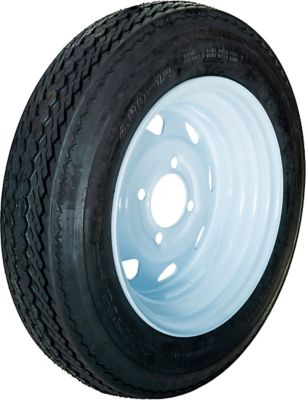
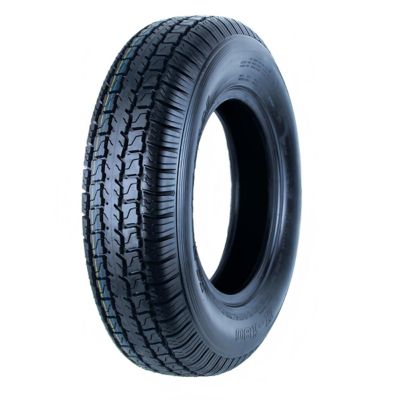
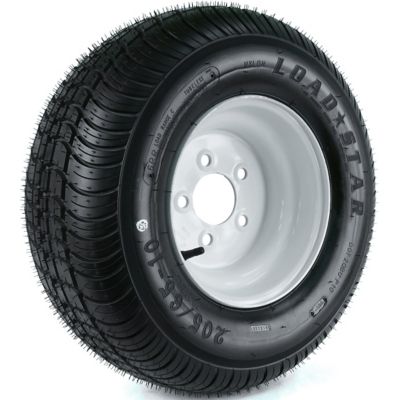
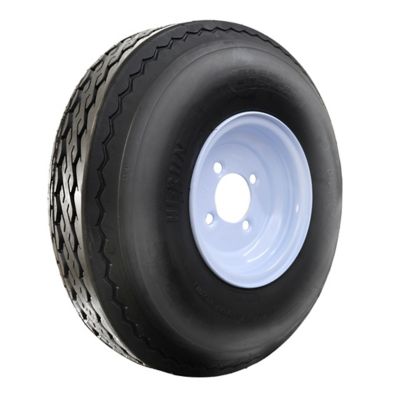
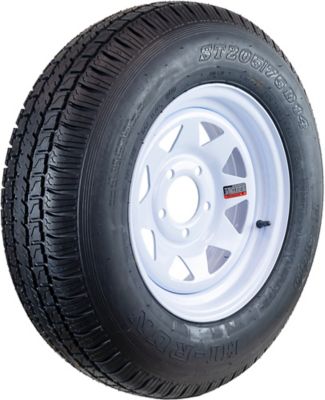
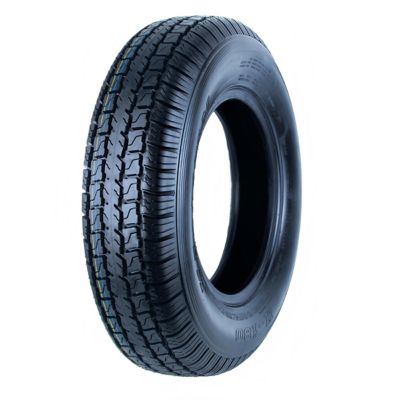
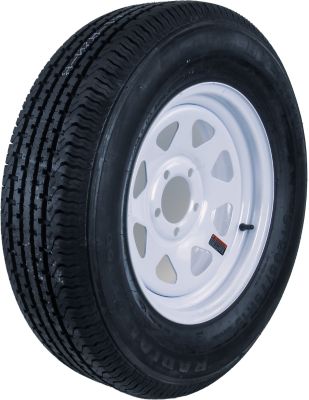
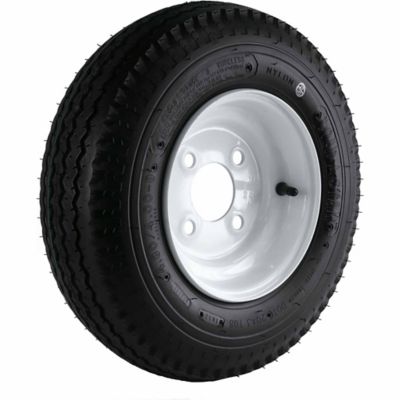
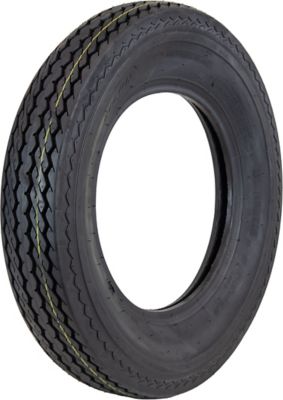
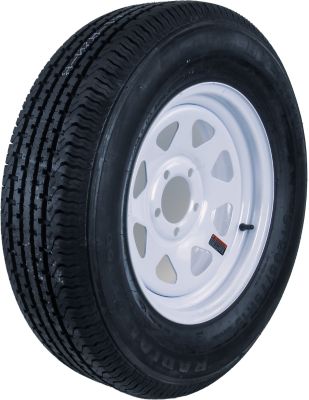
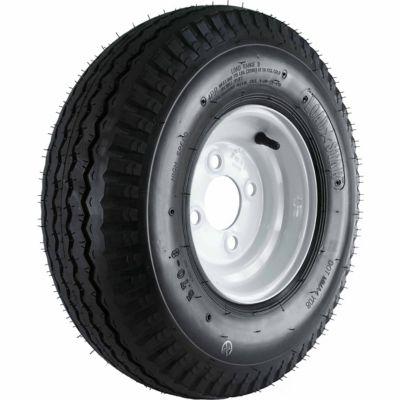
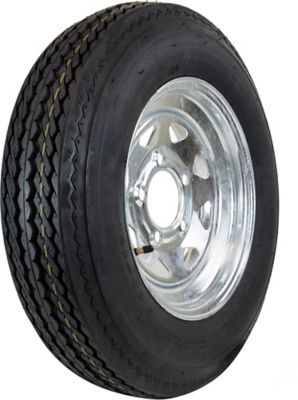
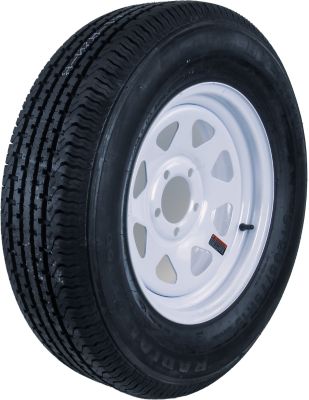
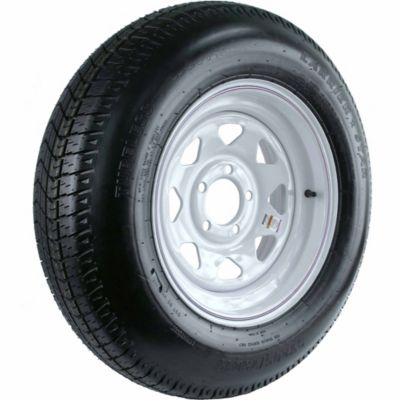
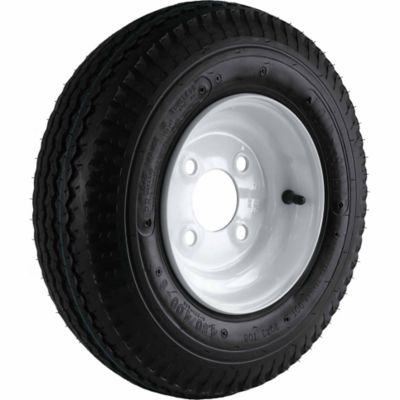
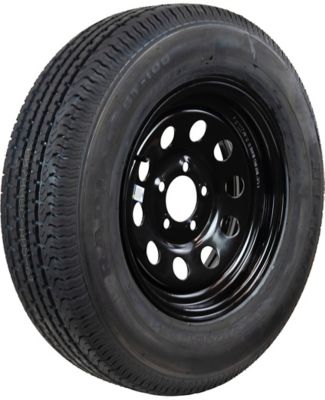
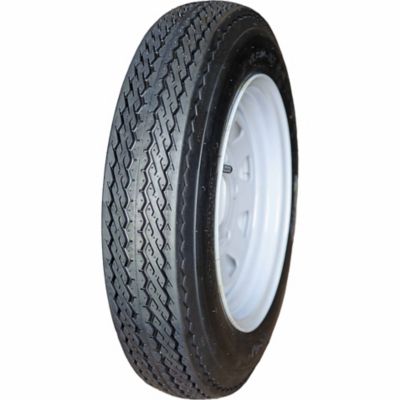
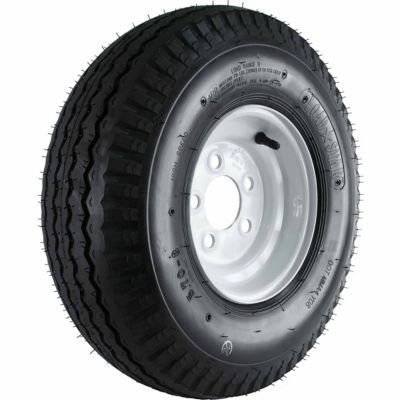
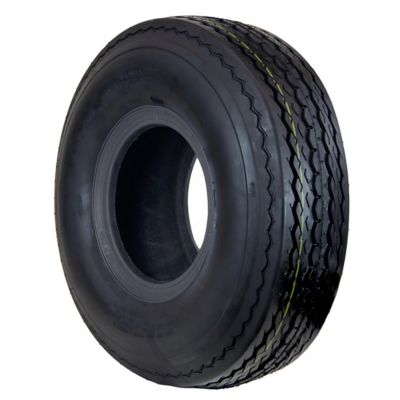
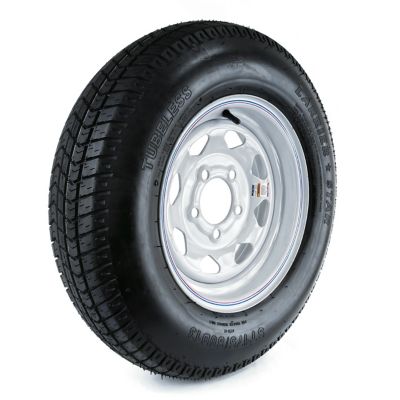
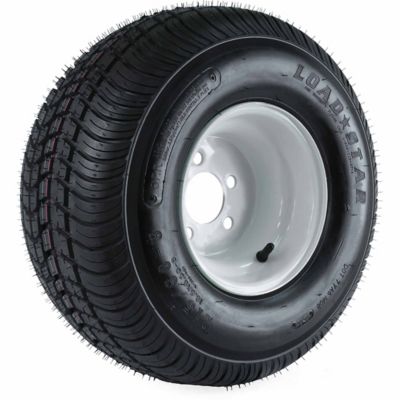
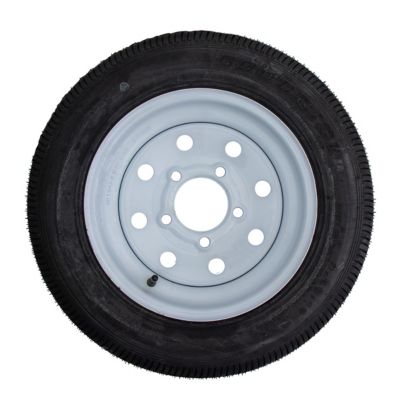
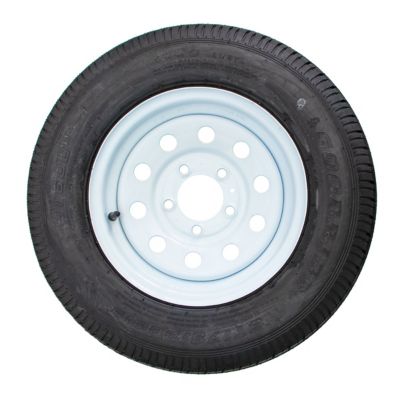
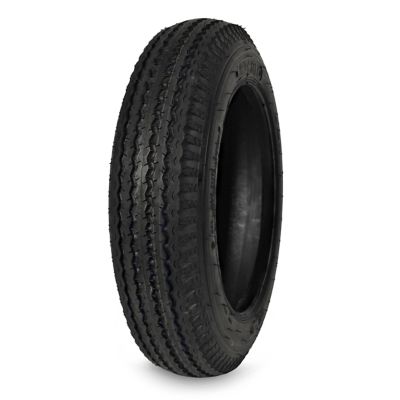
Utility trailer tires carry the weight of a trailer and its cargo while handling the sideways forces that come with turns and everyday towing. Many carry an ST designation, short for Special Trailer, which identifies tires designed for trailer applications rather than passenger vehicles. Their construction typically includes firmer sidewalls than passenger-car tires to help support the load and limit sidewall flex. That matters when a trailer is hauling fence posts to a pasture, carrying a mower between properties or bringing lumber home for a shed repair. Trailer tires still need to match the trailer manufacturer’s specifications; a tire that fits the wheel is not necessarily the right tire for the job. Size, load capacity, inflation requirements and speed rating all play a part. The weight being supported includes the trailer itself as well as everything loaded onto it, from equipment and tools to the spare tire and tiedown gear. Tire capacity must meet the requirements for each axle and wheel position, since cargo does not always spread its weight evenly. A pair of tires with higher load ratings does not increase the trailer’s gross vehicle weight rating or the limits of its axles, wheels, coupler or tow vehicle. Load range describes a tire’s load-carrying capability at a specified pressure, not necessarily its actual number of fabric plies. The stated load capacity and required inflation are more useful than judging a tire by its appearance alone. Speed ratings matter, too, especially for trailers that travel highway miles between farms, job sites or equipment yards. The tire’s rating does not override posted limits or the trailer manufacturer’s towing guidance. Properly matched utility trailer tires support steady tracking, but they cannot correct an overloaded trailer, poor cargo placement or a hitch setup that needs attention. For landowners, contractors and folks handling regular hauling chores, the right match starts with the trailer’s requirements and the loads it carries.
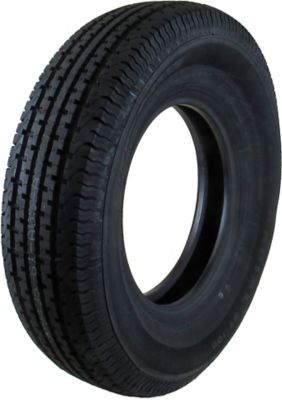
Construction makes a difference in how utility trailer tires handle those miles. Radial trailer tires have body cords running across the tire from bead to bead, with belts beneath the tread; depending on the design, those belts may include steel. This construction generally allows the tread and sidewall to work more independently, helping manage heat buildup during sustained road travel. Bias-ply trailer tires have body cords arranged diagonally in crossing layers, giving them different flex characteristics. Both types can serve trailer applications when their specifications match the equipment, though they should not be mixed on the same axle. Matching tire construction, size and load specifications helps keep handling consistent. Rubber compounds, tread patterns and internal reinforcement also affect wear and service life, but no tread design makes a trailer tire suitable for every surface. A gravel lane, paved highway and rough equipment yard place different demands on a tire, making intended use an important part of the fit. Sidewall markings provide the tire size, construction type and other rating information. Wheel diameter is only one part of that size: section width and overall diameter also affect clearance around fenders, the trailer frame and nearby components as the suspension moves. For trailers that call for that wheel size,
12 Inch Trailer Tires still need to match the specified load capacity, width and wheel requirements. Tire-only replacements require a compatible wheel with the proper width, capacity and condition. Tire-and-wheel assemblies add other fit considerations, including bolt pattern, center opening, offset and clearance around the hub. Matching bolt count alone is not enough to establish wheel fit. Tubeless tires also depend on sound bead seating surfaces and suitable valve stems to hold air. These details matter just as much on a small trailer carrying yard equipment as they do on one hauling a full load of supplies.
Long tire life depends on more than tread depth. Utility trailers may spend stretches parked between hauling jobs, so a tire can develop age-related cracking or other deterioration before its tread looks worn out. The manufacturing date code helps establish tire age, while the tire maker’s inspection and replacement recommendations provide a basis for deciding when replacement is due. Sidewall cracks, bulges, exposed cords, cuts and repeated air loss call for attention, even when the trailer only travels a few miles at a time. Uneven tread wear can point to inflation trouble, an alignment issue, a damaged wheel or another condition that deserves a closer look. Cold inflation pressure should follow the trailer placard and applicable tire manufacturer guidance, with the pressure checked before towing has heated the tires. The pressure molded on a sidewall relates to the tire’s stated limits and loading information; it should not be treated as permission to exceed a wheel or valve stem rating. Releasing air from a tire simply because its pressure rises during travel can leave it underinflated once it cools. A pressure gauge makes routine checks more useful than judging sidewall shape, especially on tires with stiff sidewalls. Cargo placement and secure tiedowns also affect the work those tires do. A mower sitting off to one side or a load that shifts along the road can put extra weight on a single tire without making the whole trailer look overloaded. A compatible spare belongs in the same conversation, with its inflation, condition and wheel fit checked rather than assumed. Between trips, clean tires, protection from prolonged sunlight and storage practices recommended by the manufacturer help limit unnecessary deterioration. Keeping track of tire condition is part of keeping the trailer ready for the next fence repair, equipment move or supply run, without letting a short haul become a reason to overlook the basics.