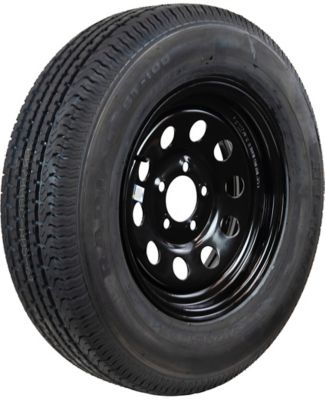
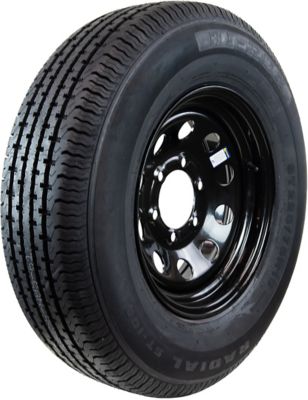
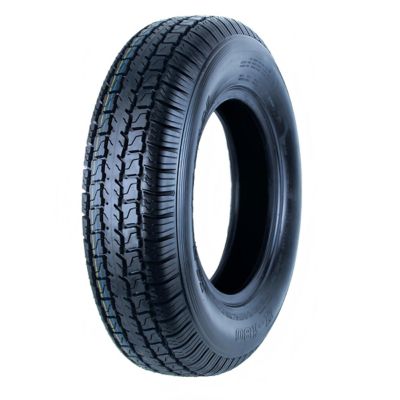
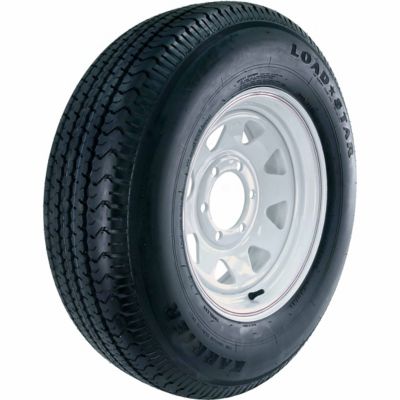
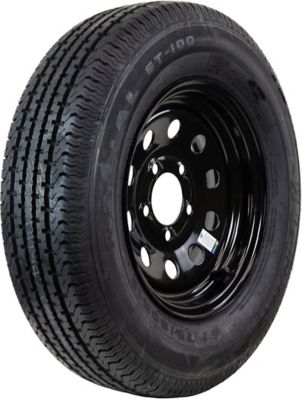
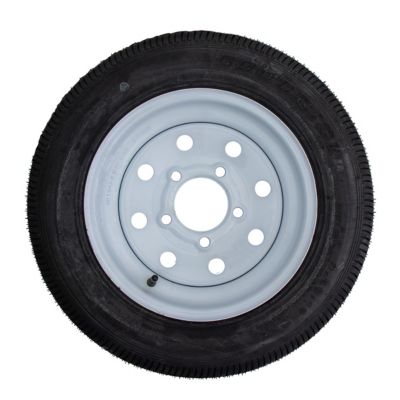
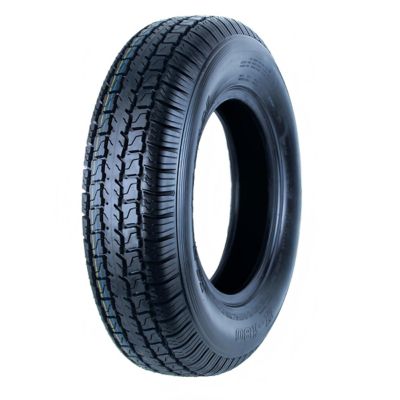
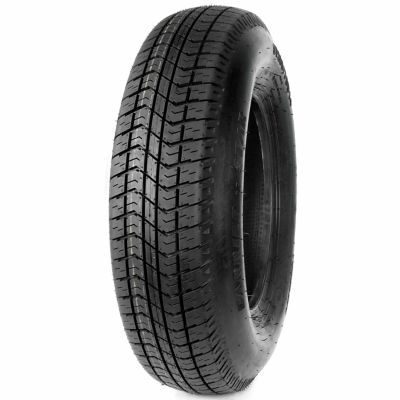
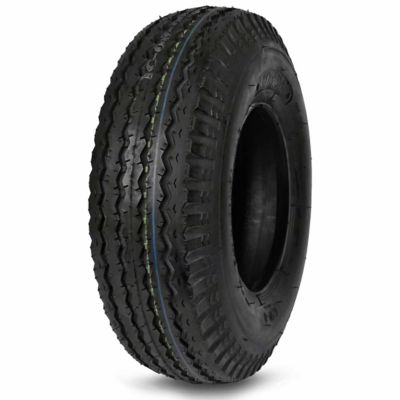
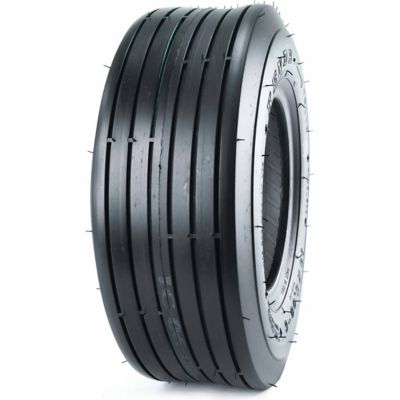
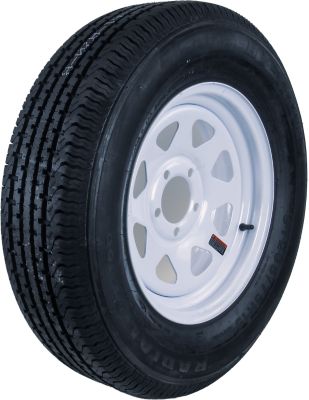
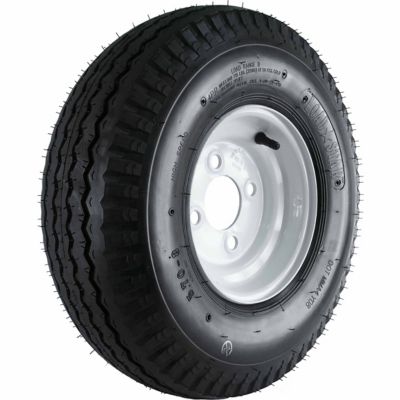
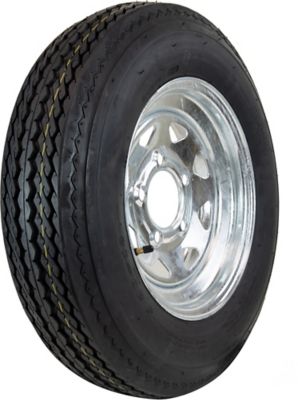
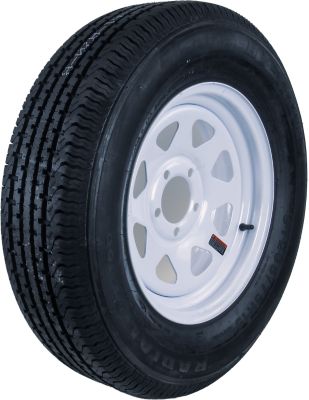
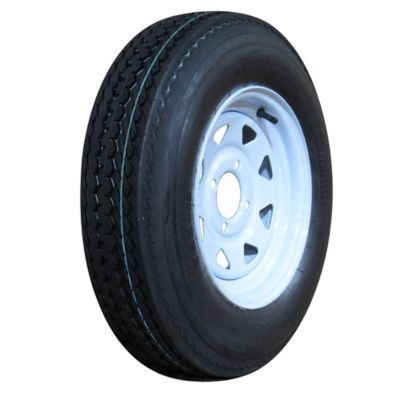
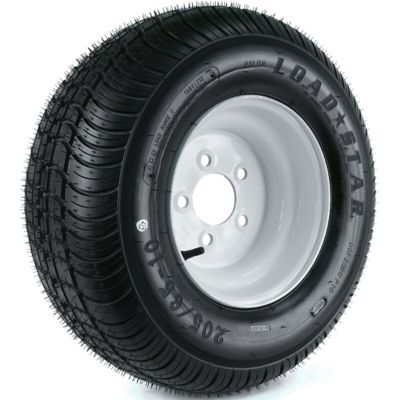
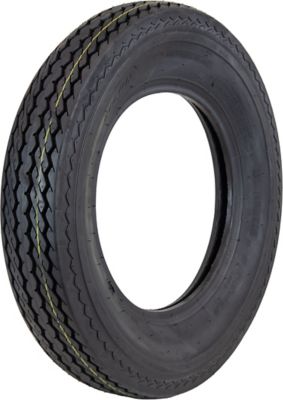
Trailer tires carry the load behind the truck, whether that means a mower headed to a pasture, a boat bound for the landing, or a livestock trailer rolling toward the fairgrounds. Their job is different from that of the tires on the tow vehicle: they support the trailer’s weight and help it follow steadily through turns, over uneven pavement, and along gravel lanes. Special Trailer tires, identified by an ST marking on the sidewall, are designed for trailer service rather than steering or driving a passenger vehicle. Their construction helps manage the loads and sideways forces that towing places on a tire, especially when tandem axles scrub through a tight turn. The right fit depends on the trailer manufacturer’s specifications, including tire size, load capacity, inflation requirements, and wheel compatibility. Small utility trailers, boat trailers, enclosed cargo trailers, campers, and equipment haulers can have very different requirements, even when their wheels look similar at a glance. Tire size includes more than wheel diameter; overall height and width also affect fender clearance and the room between tires on a tandem-axle setup. A larger tire is not automatically a better match, and a higher load rating does not increase the trailer’s rated carrying capacity. Tire load range describes a tire’s load-carrying capability at specified inflation pressures, not simply how many physical layers are inside it. For a trailer carrying fence posts, feed, or a compact tractor, the weight of the empty trailer belongs in the calculation along with everything loaded aboard. Tire capacity must suit the weight carried at each wheel position, with the trailer staying within its axle and gross vehicle weight ratings. An uneven load can overburden one tire even when the total seems reasonable. These details matter just as much for a weekend trip across the county as they do for a work trailer that heads down the road every morning.
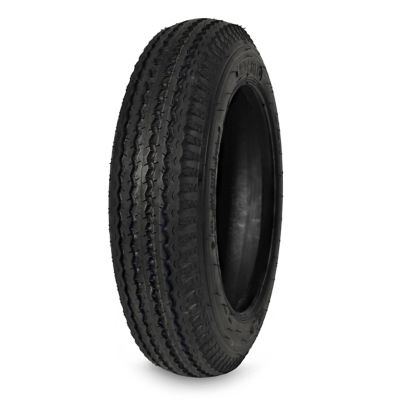
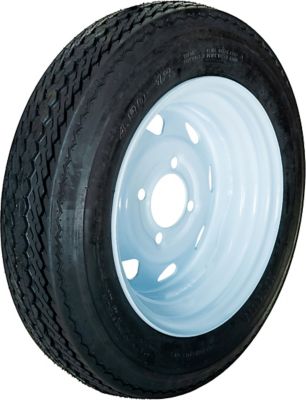
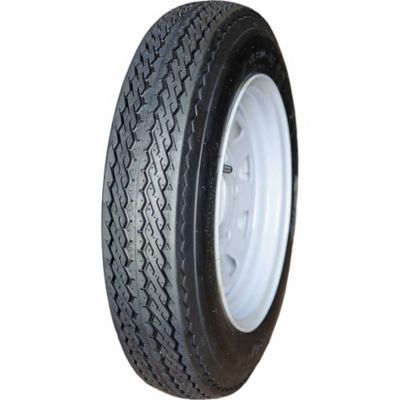
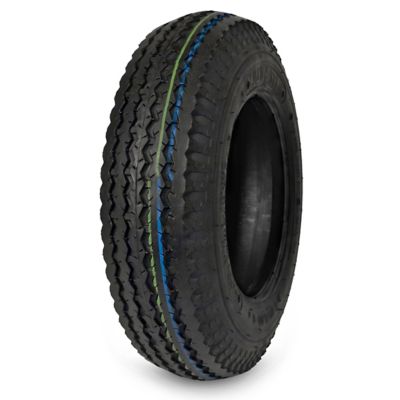
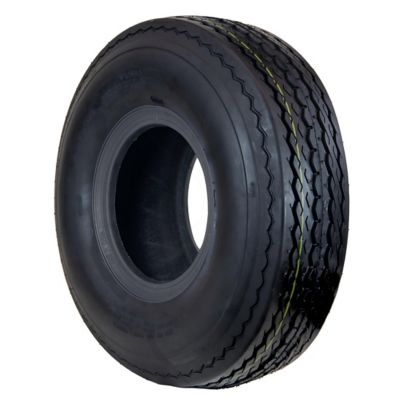
Radial trailer tires and bias-ply trailer tires differ in how their internal cord layers are arranged, and that construction affects how they handle the road. Radial tires have cords running across the tire beneath stabilizing belts, allowing the tread and sidewalls to flex more independently. They generally manage heat well during sustained highway travel and offer smooth tracking, making them a common fit for longer towing trips when they meet the trailer’s specifications. Bias-ply tires have overlapping cord layers set at diagonal angles, creating a more interconnected tread-and-sidewall structure. They can suit certain utility, agricultural, and other trailer applications, though rough ground alone does not make them the right choice. Load, travel speed, mileage, and manufacturer requirements all play a part. Neither construction makes a tire immune to punctures, overloading, or damage from potholes. Rubber compounds, reinforcing cords, and, in many radial designs, steel belts work together to support the load and handle repeated flexing. Tread patterns also vary, with grooves that help move water out of the contact area on wet pavement. Deeper or more aggressive tread does not replace the need for the correct trailer-service rating. For a broader look at tread patterns across tire applications,
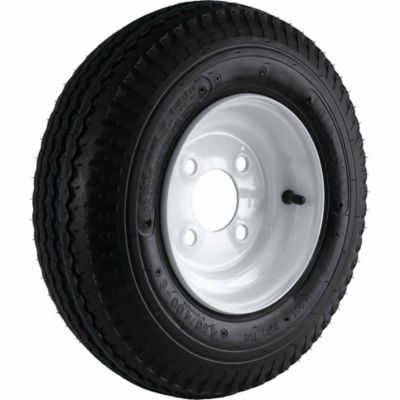
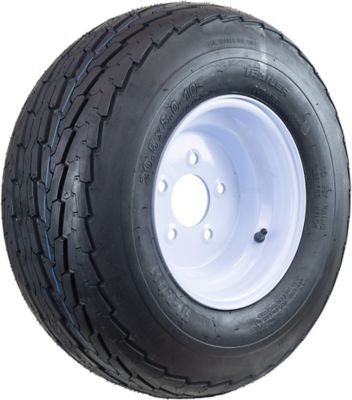
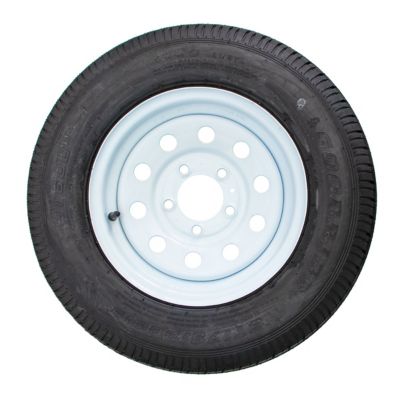
Treaded Tires provides another category to explore, while trailer fit still comes down to the required size, construction, and ratings. Consistent tire specifications across the trailer help support predictable handling; mixing radial and bias-ply construction can change how the tires respond under load. A tire alone may suit a sound wheel that already fits the trailer, while a tire-and-wheel assembly brings wheel specifications into the decision as well. Bolt pattern, wheel width, center bore, offset, and wheel load and pressure ratings all need to match the application. Even two assemblies with the same number of lug holes may have different bolt-circle measurements. A spare needs that same attention to fit, so a roadside change does not reveal a mismatch miles from the barn.
Trailer tire life depends on more than the miles showing on a trip log. A landscape trailer may roll almost daily, while a camper or boat trailer might sit for long stretches between outings; both face wear from sunlight, temperature changes, moisture, and time. Rubber can develop cracks or other signs of aging before the tread looks worn out, so tread depth alone does not tell the whole story. The manufacturing date molded into the sidewall helps establish a tire’s age, and replacement timing should follow tire and trailer manufacturer recommendations along with its condition. Before a loaded trip, a cold-pressure check gives a useful picture of inflation before driving warms the tires. The proper setting should follow the trailer manufacturer’s requirements and the tire’s load-and-inflation specifications, without exceeding the limits of the tire, wheel, or valve. Letting air out of a hot tire to reach a cold-pressure target can leave it underinflated once it cools. Low inflation increases flexing and heat buildup, particularly with a full load on a long stretch of highway. Cooler weather can lower pressure, too, making checks worthwhile even when the trailer has not moved since its last outing. Cuts, bulges, exposed cords, embedded objects, and unusual wear deserve attention before towing. Wear along one edge or a repeating scalloped pattern may point to an alignment, suspension, bearing, or balance issue rather than a tire problem alone. Speed ratings matter alongside load ratings: a tire’s marked speed capability is a limit, not a target for a loaded trailer or a slick road. For trailers parked between jobs, a firm, well-drained surface and protection from prolonged sun exposure help limit environmental wear. Boat trailer wheels and valve hardware also benefit from attention after exposure to salt water. Keeping the spare inflated, the valve caps in place, and the load balanced makes the whole setup better prepared for the next haul. From a short run with brush and branches to a longer pull with camping gear, properly matched trailer tires support the work without asking the trailer to carry more than it was built to handle.