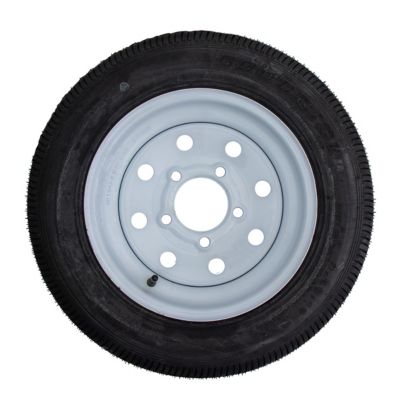
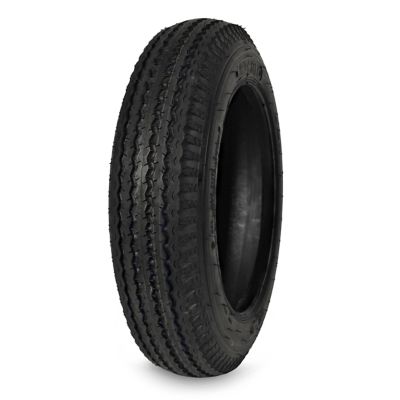
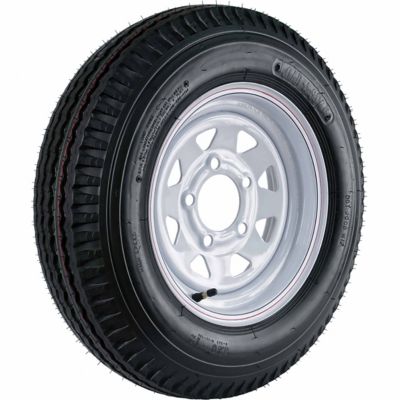
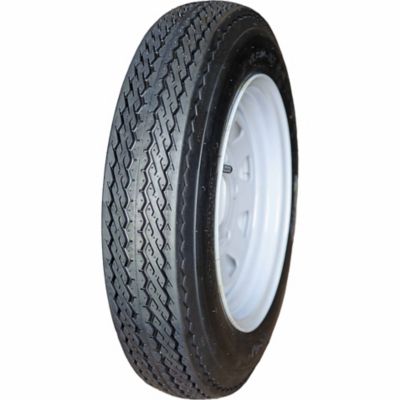
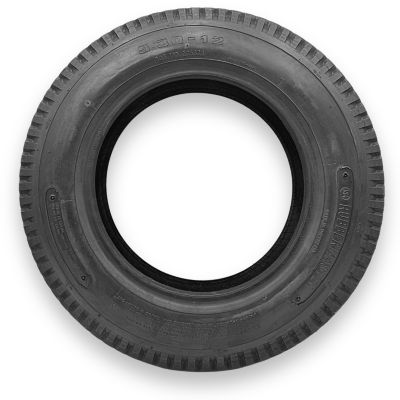
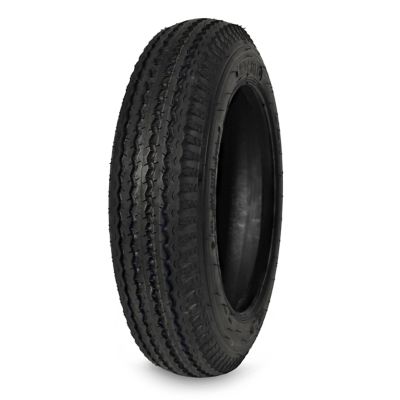
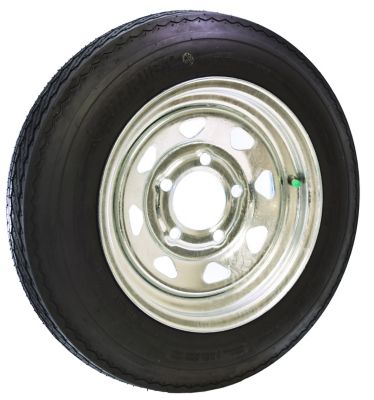
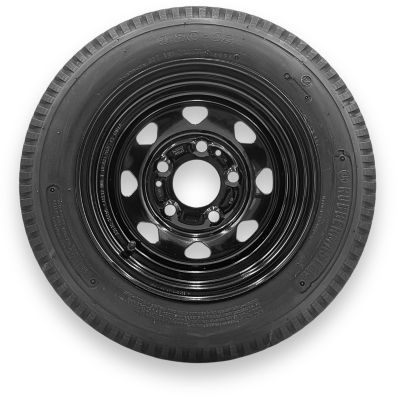
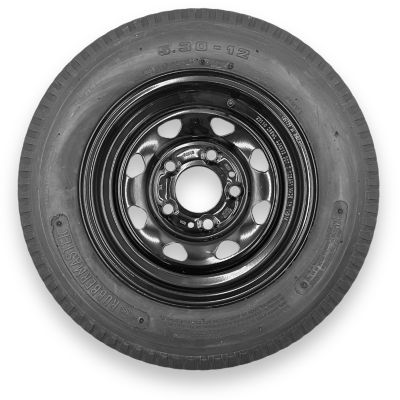
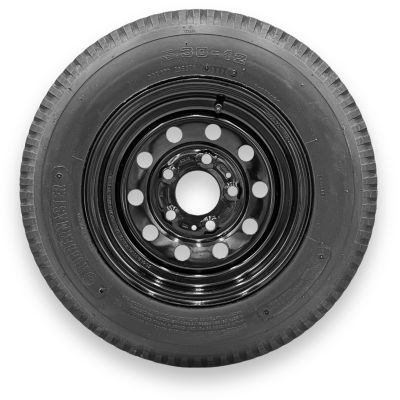
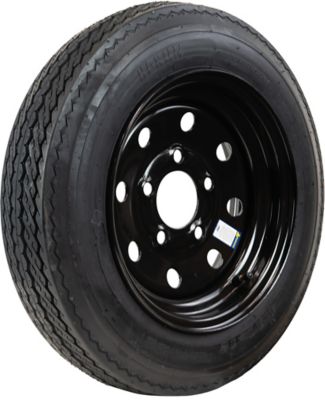
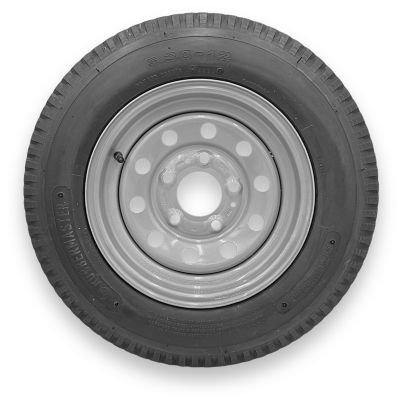
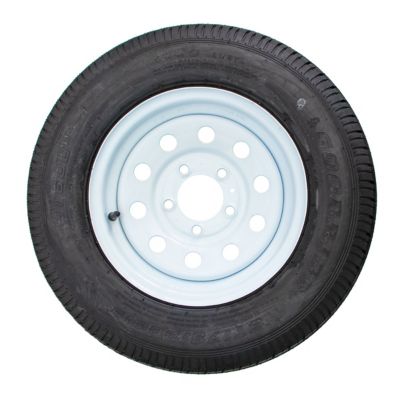
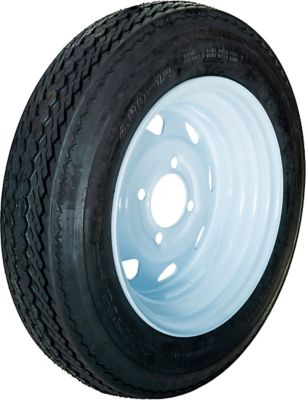
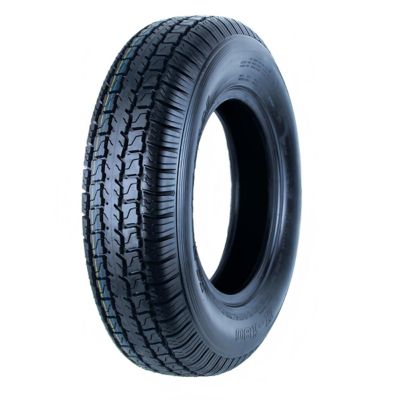
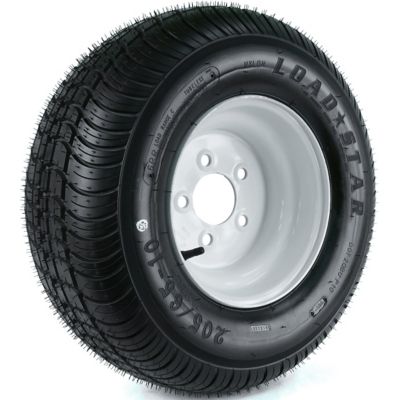
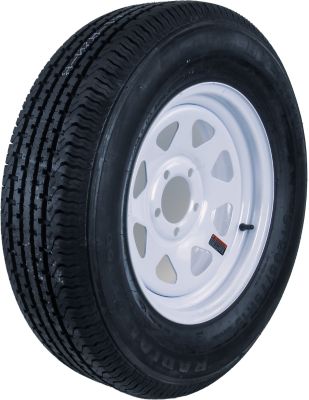
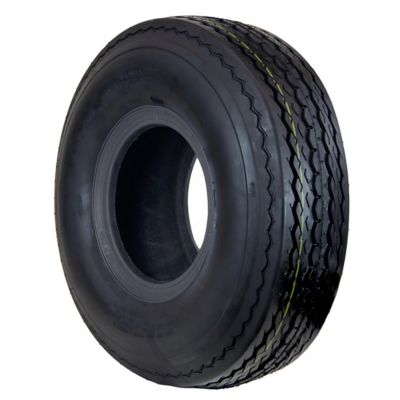
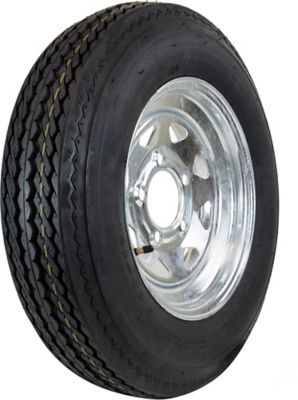
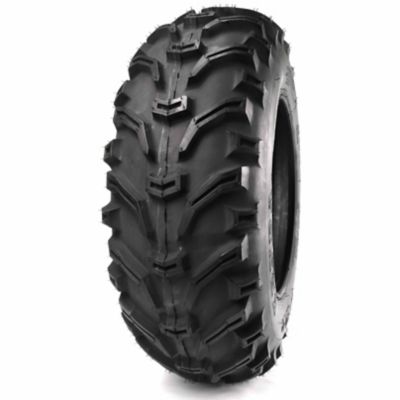
Twelve-inch trailer tires fit wheels with a 12-inch rim diameter and commonly serve small utility trailers, boat trailers, personal watercraft trailers, and lightweight cargo haulers. That measurement describes the wheel opening, not the tire’s overall height, so two tires that fit a 12-inch wheel can still differ in width, outside diameter, and carrying capacity. For hauling feed to a nearby property, pulling a fishing boat to the ramp, or taking a compact cargo trailer down the highway, the full tire size matters more than rim diameter alone. The size listed on the trailer’s tire placard or in its owner’s manual is the starting point, along with the wheel specifications and clearance around the fender, frame, and suspension. A larger-looking tire is not automatically a suitable replacement, especially when a loaded trailer settles closer to its fenders. Trailer tires have a particular job: supporting the trailer and its cargo while following the tow vehicle. Their rubber tread, internal cords, beads, and sidewalls work together to carry the rated load and handle the forces of towing. Construction varies, with bias-ply and radial designs differing in the arrangement of their internal cords. The appropriate construction depends on the trailer maker’s recommendations and the tire’s specifications, not simply its appearance. Tires designated for trailer service should not be treated as interchangeable with passenger-car tires just because the wheel diameter matches. Tread patterns vary as well, but tread depth tells only part of the story. Sidewall condition, load capacity, speed rating, and the correct size all help determine whether a tire belongs on a particular trailer. A property owner making short hauling trips and an angler covering longer distances may need different specifications, even when both trailers ride on 12-inch wheels.
Small wheels still carry real loads, and the weight on a trailer includes more than whatever gets loaded before leaving the driveway. The trailer itself, mounted equipment, tools, fuel containers, and cargo all contribute to the total. Each tire needs sufficient capacity for the load it actually carries, with the axle, wheels, and other components staying within their own ratings. Dividing the total weight evenly between the tires can overlook an uneven load, such as a mower parked off-center or equipment concentrated along one side. Load range relates to a tire’s load-carrying capability and inflation requirements, while its stated load capacity gives the weight limit under specified conditions. A higher load range does not increase the trailer’s gross vehicle weight rating or strengthen its axle, frame, or coupler. Inflation pressure is part of that capacity calculation, too; a tire cannot be assumed to carry its full rated load at any pressure. The trailer and tire manufacturers’ inflation instructions govern the proper setting. Fit also extends beyond the rubber. A tire-only replacement requires a compatible wheel in sound condition, with the right diameter, width, load rating, and pressure rating. A tire-and-wheel assembly brings both components together, but the wheel still has to match the trailer hub. Bolt count, bolt-circle diameter, center opening, offset, and the required lug hardware all matter. Matching the number of lug holes alone is not enough. Fender and suspension clearance also need to account for the tire’s overall dimensions and the trailer’s movement under load. For a small boat trailer, wheel corrosion and bead-seat condition deserve attention alongside tire wear. For a utility trailer carrying tools or fencing supplies, the same fit checks help keep a replacement from rubbing or interfering with nearby parts. Correct mounting, wheel attachment, and manufacturer-specified lug torque complete the fit rather than serving as optional finishing touches.
Regular attention helps 12-inch trailer tires stay ready for the next hauling job, even when the trailer spends plenty of time parked between trips. Pressure checks before towing, after the tires have been sitting and before travel has warmed them, give a better basis for adjustment than a reading taken immediately after a drive. The pressure molded on a sidewall needs to be read in context with the trailer’s specified requirements, not treated as a universal setting for every application. Valve stems, valve caps, and wheel condition matter because pressure loss does not always come from a puncture in the tread. Cracks, bulges, exposed cords, embedded objects, and cuts call for attention, while uneven wear may point to inflation, alignment, bearing, suspension, or loading concerns. Plenty of tread does not cancel out sidewall damage or age-related deterioration. The tire’s date code helps establish its age, and replacement timing should follow the manufacturer’s guidance along with its condition and service history. A trailer that only makes occasional runs to the feed store still needs these checks; low mileage does not keep rubber from aging. Boat trailers add another consideration because repeated launching can expose wheels, valves, and related hardware to water and, at some ramps, salt. Appropriate rinsing and inspection help spot corrosion before it becomes a mounting or air-retention problem. A spare also needs the same attention as the tires on the axle, including pressure, condition, load capacity, and hub compatibility if it is mounted on a wheel. A spare that fits its carrier but not the hub will not help much beside the road. When comparing
Trailer Tires, the best-fitting 12-inch option is one that matches the trailer’s specifications, supports its intended load, and suits its towing service. Keeping those details together makes the choice about the whole hauling setup, from the wheels at the ground to the cargo strapped down above them.