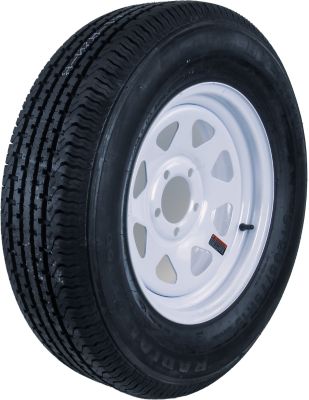
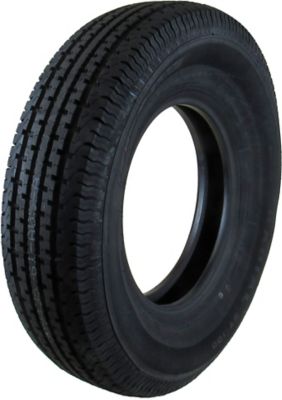
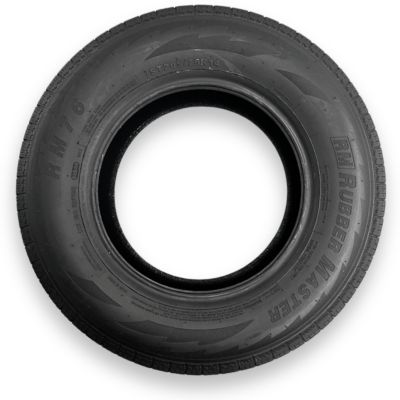
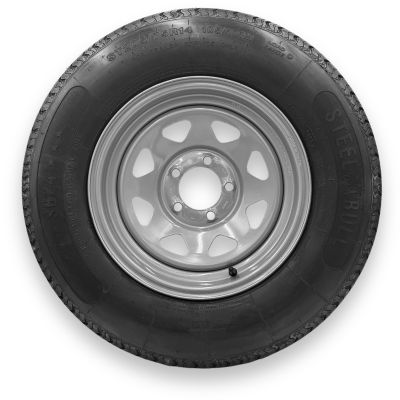
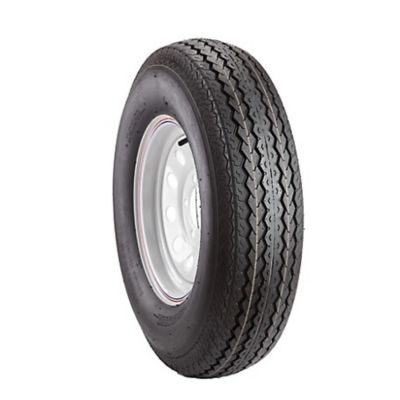
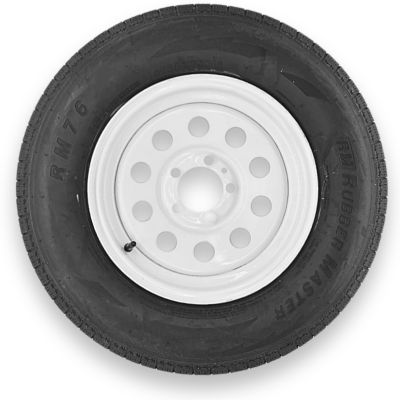
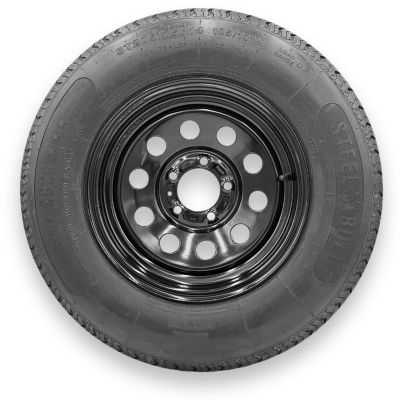
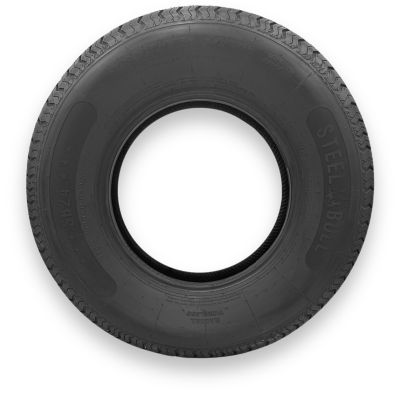
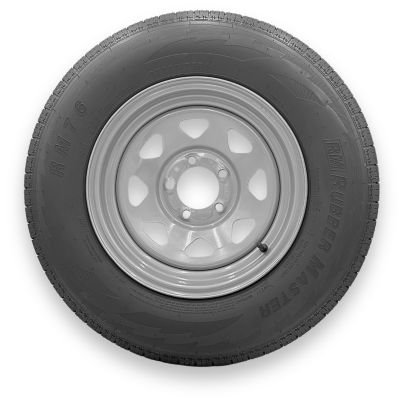
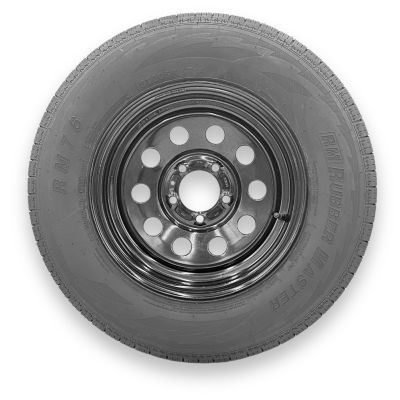
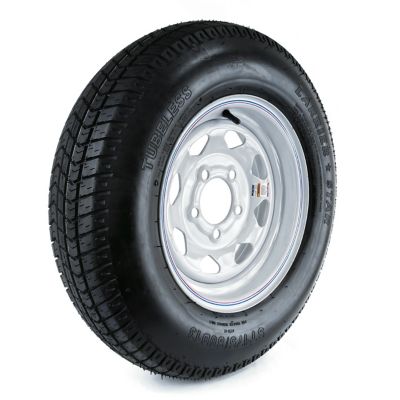
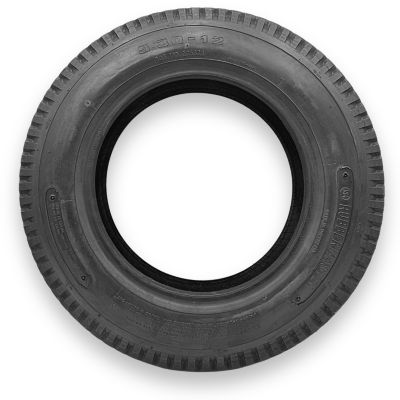
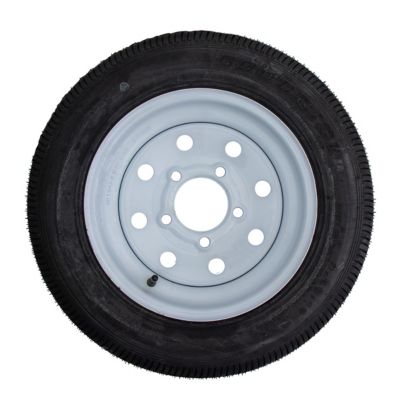
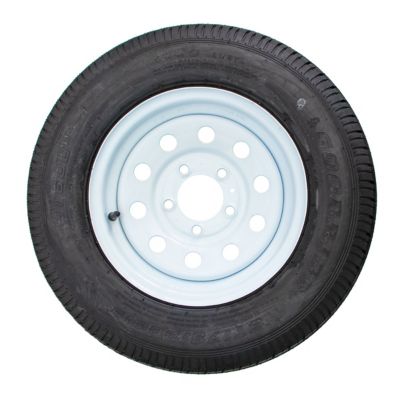
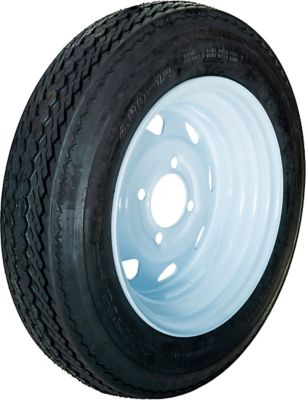
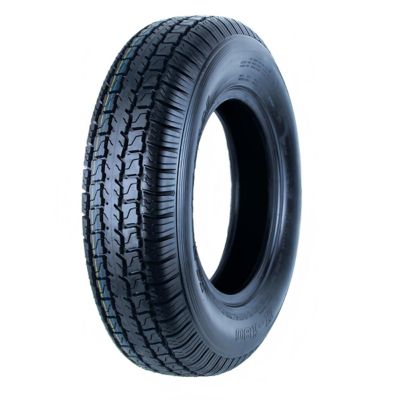
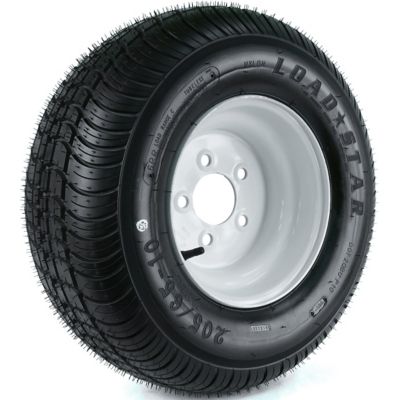
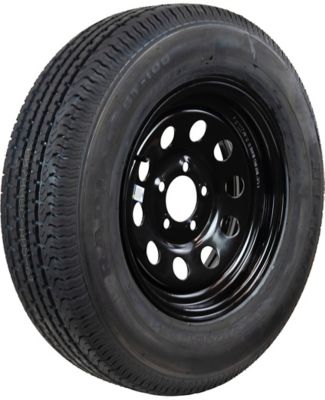
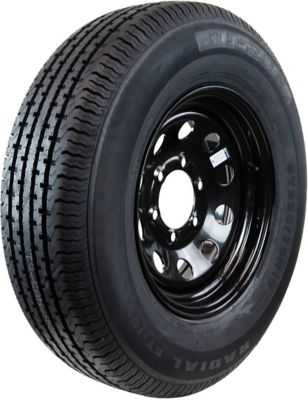
A 205/75R14 trailer tire is a radial tire sized for a 14-inch wheel, with a nominal section width of 205 millimeters and a sidewall height equal to 75% of that width. When the size begins with ST, it identifies a special trailer tire intended for trailer service, not installation on a car or truck. This size appears on some utility trailers, boat trailers, enclosed cargo trailers, and smaller campers, but the trailer’s tire placard and manufacturer specifications determine the right fit. For a mower headed across town, fencing supplies headed back to the farm, or a boat headed to the ramp, the tire needs to match both the trailer and the load it carries. The R in the size designation means radial construction, with body cords running across the tire from bead to bead. A reinforced tread area and flexible sidewalls let different parts of the tire respond to the road, while trailer-specific construction supports the demands of carrying a load behind a tow vehicle. Depending on the design, materials may include rubber compounds, polyester body cords, and steel belts beneath the tread. Those details matter alongside tread pattern, load rating, and speed rating; size alone does not tell the whole story. The nominal overall diameter is about 26 inches, though actual measurements vary by tire design and mounting conditions. Wheel width also matters, since a tire must sit on a rim within its approved width range. Clearance around fenders, suspension parts, and the trailer frame needs to remain sufficient with the trailer loaded. A tire that shares the same wheel diameter with another tire is not necessarily interchangeable. Matching the full size designation helps keep ride height, clearance, and axle setup consistent. For trailers that spend time on both paved roads and gravel lanes, the right fit starts with the manufacturer’s requirements rather than appearance or an assumption that a wider tire will carry more.
Load capacity is one of the biggest differences among 205/75R14 trailer tires. Common ST205/75R14 ratings include Load Range C at 1,760 pounds per tire with 50 psi inflation and Load Range D at 2,040 pounds per tire with 65 psi inflation. These are common maximum-load specifications, not a substitute for the individual tire’s sidewall markings and published load-and-inflation information. Load Range C is often associated with a 6-ply rating, while Load Range D is often associated with an 8-ply rating; those ratings describe a strength classification rather than a literal count of the tire’s physical layers. A higher load range does not increase the trailer’s gross vehicle weight rating, axle rating, or wheel rating. The lowest applicable limit still governs the setup. Two tires rated at 1,760 pounds each have a combined tire capacity of 3,520 pounds, but that figure alone does not establish how much cargo a trailer can haul. The trailer’s own weight, axle limits, hitch limits, and tongue weight all enter the picture. A load of bagged feed, lumber, or equipment can add up faster than it looks, especially when tools and supplies stay tucked inside an enclosed trailer between trips. Even weight distribution matters, too, because one heavily loaded side can place extra strain on a tire even when the overall trailer weight appears acceptable. A loaded-trailer weighing can help establish actual axle loads instead of leaving them to guesswork. Tire pressure should follow the trailer and tire manufacturers’ recommendations for the load without exceeding the wheel’s limits. Pressure checks belong before towing, when the tires have not been driven, since the specified inflation values refer to that condition. Speed ratings deserve the same attention as load ratings, particularly on longer highway hauls. Matching size, construction, and appropriate load capacity across an axle helps maintain a consistent setup, while proper cargo placement and manufacturer-specified tongue weight support steadier towing.
The choice between a tire alone and a tire-and-wheel assembly depends on the condition and specifications of the existing wheel. A sound wheel with the correct dimensions may be suitable for a replacement tire, while an assembly brings the tire and wheel together in one package. Either way, a 14-inch diameter is only part of the fit. Bolt pattern, center bore, offset, lug-seat style, wheel load capacity, and pressure rating must work with the trailer’s hub and mounting hardware. Clearance around brakes and other components matters as well. Proper mounting and service help protect the bead and establish a secure seal, making professional tire service a sensible part of a replacement. A spare needs the same attention to fit and capacity as the tires on the ground; a wheel that will not mount to the hub offers little help alongside the road. For trailers that call for a different size, the
ST225 75R15 Trailer Tire category covers tires sized for 15-inch wheels, not a direct replacement for a 205/75R14 setup. Changing sizes requires confirmation of wheel compatibility, load requirements, and clearance rather than simply moving to a larger tire. Routine care also plays a part in service life. Before a trip, visible cracks, cuts, bulges, embedded objects, and uneven tread wear deserve attention, along with valve stems and missing valve caps. Uneven wear can point to inflation trouble, alignment concerns, or suspension issues that a new tire alone will not solve. Trailer tires can age even when mileage stays low, so tread depth is only one part of judging their condition. The last four digits of the DOT date code show the week and year of manufacture, and the tire manufacturer’s inspection and replacement recommendations apply to the spare as well. Keeping tires clean, protecting them from prolonged sunlight during storage, and avoiding contact with oils or solvents help preserve their condition. For everyday hauling or occasional trips, correct fit, sufficient capacity, and regular checks help keep the trailer ready for the job.