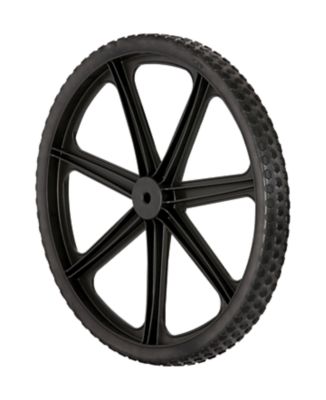
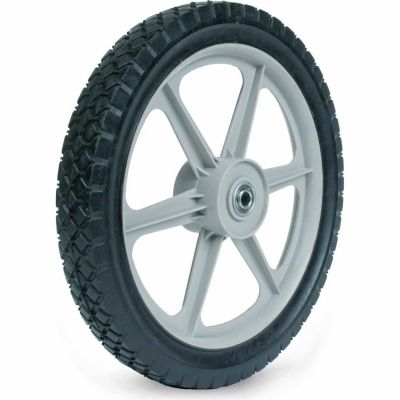
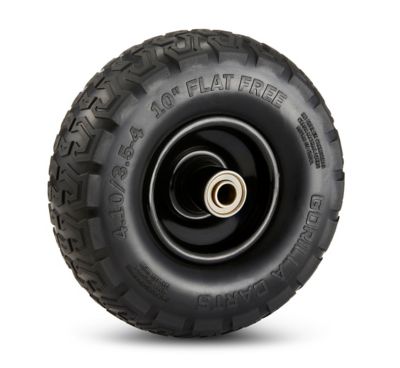
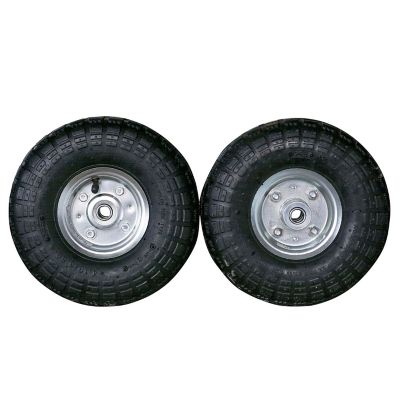
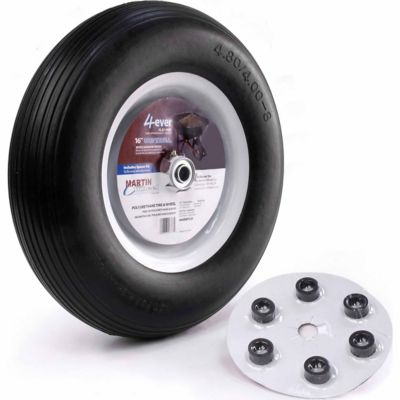
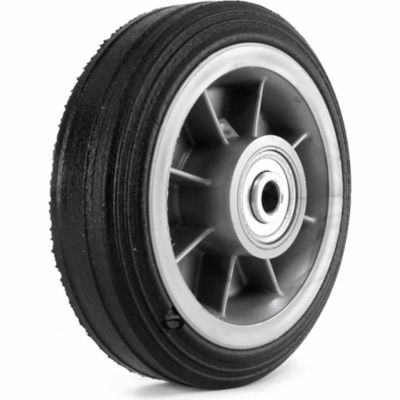
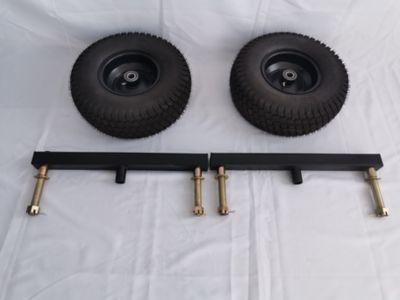
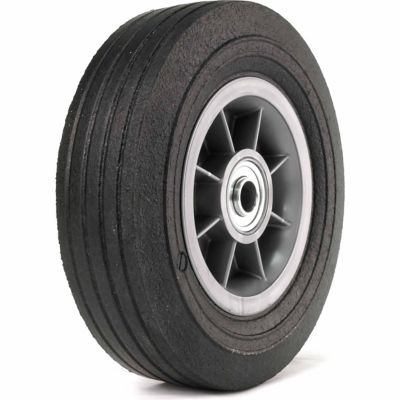
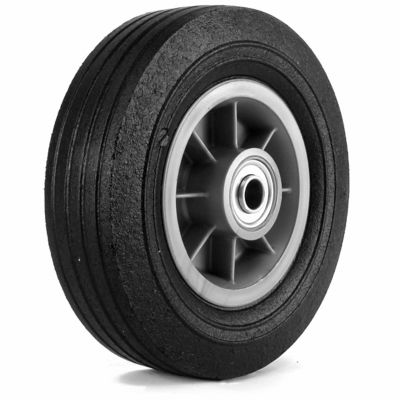
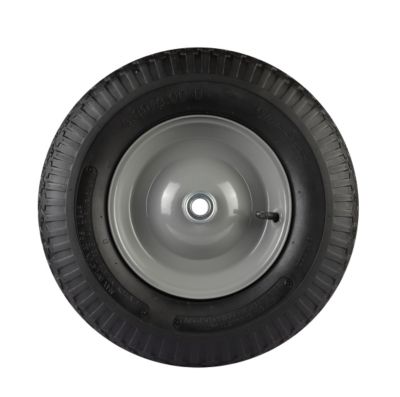
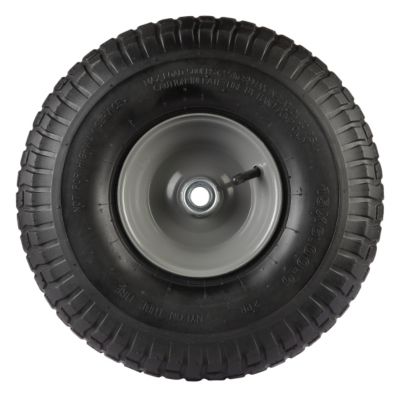
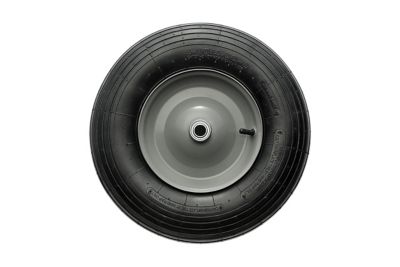
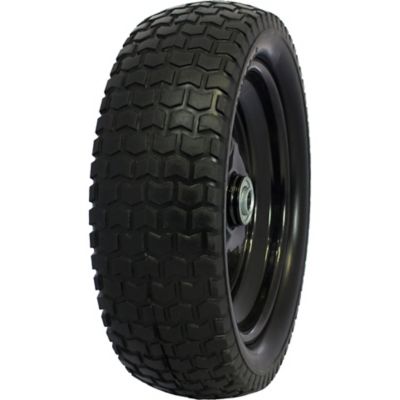
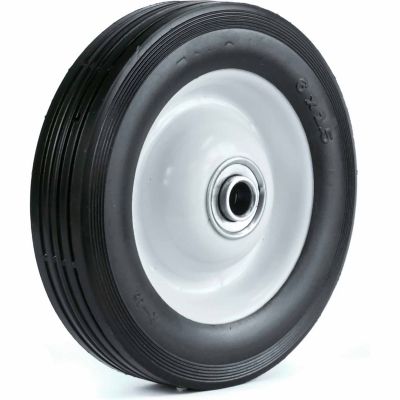
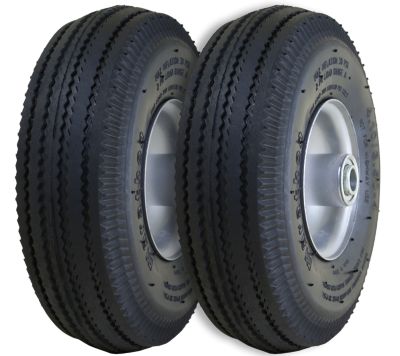
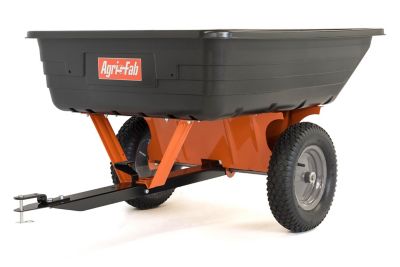
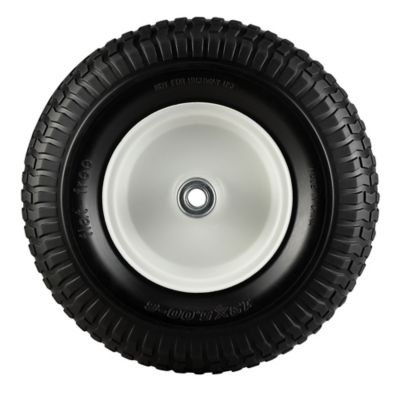
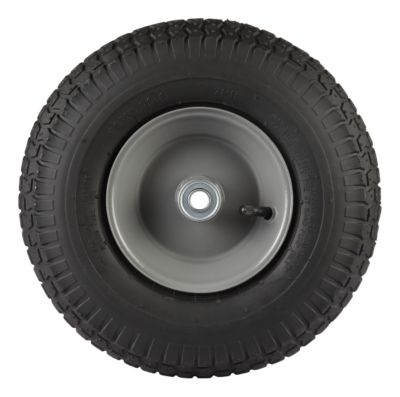
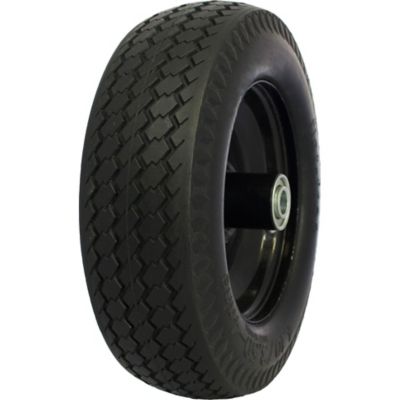
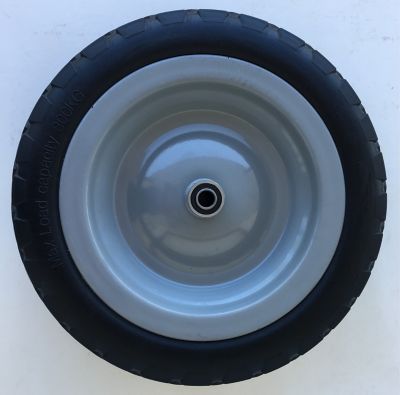
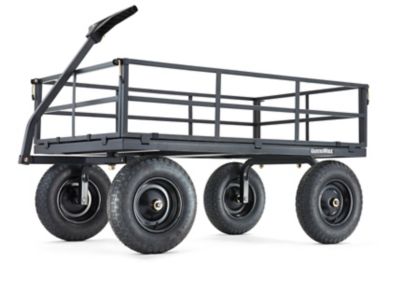
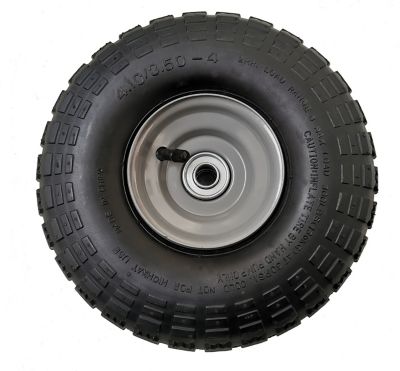
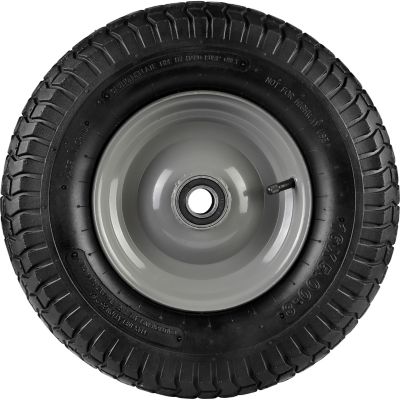
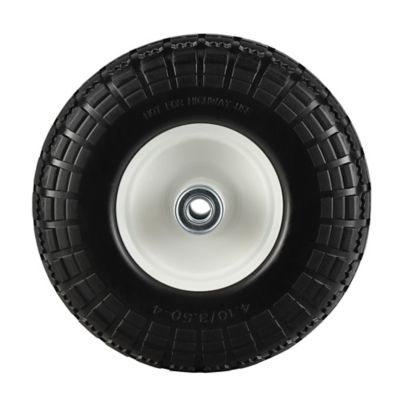
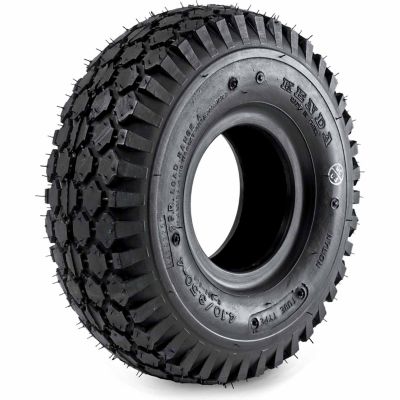
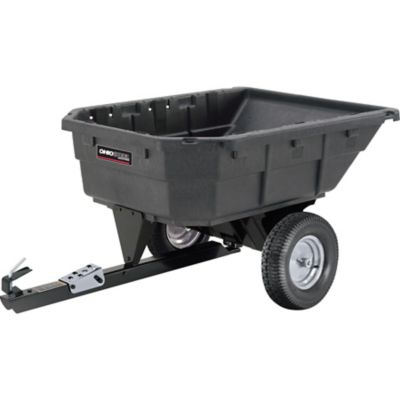
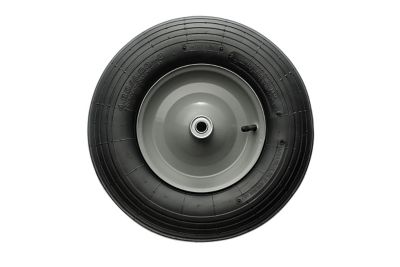
Utility cart wheels, often called casters, help turn a plain cart into a practical hauler for chores around the farm, shop, garage, barn, warehouse, or home. The right set can make it easier to move feed bags, hand tools, fencing supplies, firewood, garden materials, cleaning supplies, or loaded totes from one spot to another. When shopping for replacement wheels, start by thinking about where the cart will travel and how much weight it will carry. A cart that rolls across a smooth concrete floor has different needs from one that crosses gravel, packed soil, rough pavement, or a threshold between buildings. Wheel size matters, too. Smaller wheels can roll smoothly on flat indoor floors, while larger wheels provide more clearance over cords, cracks, small stones, and bits of debris. Wheels around 5 inches are a common all-purpose choice for many service and utility carts, offering a useful balance of clearance, turning ease, and overall height. If the cart will travel over uneven ground, larger air-filled wheels can soften the ride and help absorb bumps. They’re a handy pick for a lane, shed approach, or gravel drive where a hard wheel may catch and send a loaded cart jolting sideways. For indoor floors, non-marking rubber or thermal rubber wheels can help reduce streaks and scuffs on tile, sealed concrete, wood, and other finished surfaces. Tread shape also plays a part: a smooth or crown-style tread can shed small debris and roll with less resistance, while a knobby tread can provide added grip when the ground is loose or irregular.
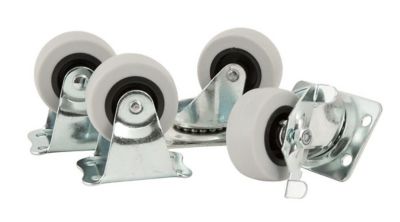
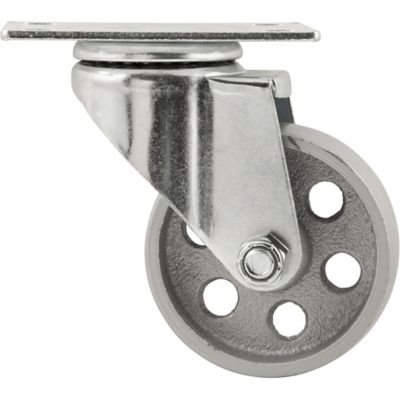
Caster arrangement affects how a cart handles once it is loaded. Swivel casters turn in any direction, making it easier to steer around workbenches, stalls, shelving, gates, and tight corners. Fixed casters track in a straight line and add a steady feel, especially when paired with swivel casters at the opposite end. Many carts work best with a combination of both, giving the person pushing the cart a mix of control and maneuverability. Locking casters are worth considering when a cart needs to stay put while you load it, unload it, or work from the cart’s surface. A brake may lock the wheel, the swivel action, or both, so check the caster design and match it to the way the cart will sit when parked. The wheel material and bearing style matter as well. Rubber wheels can offer a quieter ride and a little give over small bumps, while solid rubber wheels provide a firm, steady feel for heavier shop and service tasks. Air-filled wheels cushion rough travel but may need occasional air checks. Bearings affect how freely the wheel turns and how much effort it takes to get a loaded cart moving; a suitable bearing can make a noticeable difference during repeated trips across a work area. Before ordering, check the wheel diameter, tread width, mounting plate or stem style, bolt spacing, overall height, and load rating. Matching those measurements to the cart frame helps prevent wobbles, rubbing, uneven wear, and clearance problems. If one wheel has worn down or the cart pulls to one side, inspect the full set rather than focusing only on the most obvious problem. Dirt, bent hardware, loose fasteners, and worn bearings can all affect how the cart rolls.
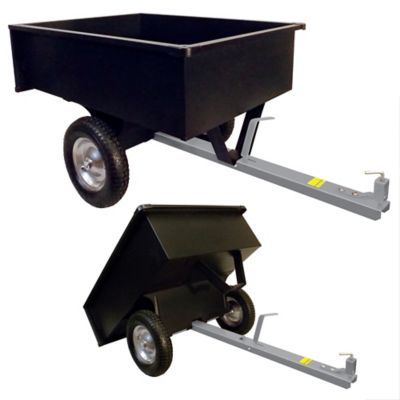
Utility cart wheels can be helpful for many kinds of work, from a small shop where tools move between benches to a farmstead where supplies travel from the barn to the truck. They’re also handy in maintenance areas, classrooms, offices, greenhouses, feed rooms, and event spaces where a cart needs to move quietly and hold its line. During the cooler months, a cart with the right wheels can carry split wood, salt, shovels, or repair supplies across a garage floor and over the sill at the door. When the weather turns wet, choosing tread with good traction can make trips across a damp concrete pad or muddy walkway feel more controlled. For a cart that stays indoors, a non-marking option may help keep floors looking neat, while a cart that travels outside may benefit from extra clearance and a tread built to handle grit. Pairing a well-matched wheel set with one of our
Steel Utility Carts can create a sturdy setup for hauling supplies through a shop, barn, or work area. Keep the load centered over the cart, avoid exceeding the caster rating, and clear away twine, hay, gravel, and other debris that can wrap around an axle. A quick check of wheel condition and fasteners before a long trip can help keep the cart tracking smoothly. Whether you’re outfitting a new cart or replacing worn casters on one that has earned its place in the shed, selecting the right diameter, tread, material, caster style, and brake setup makes everyday hauling easier and more comfortable.