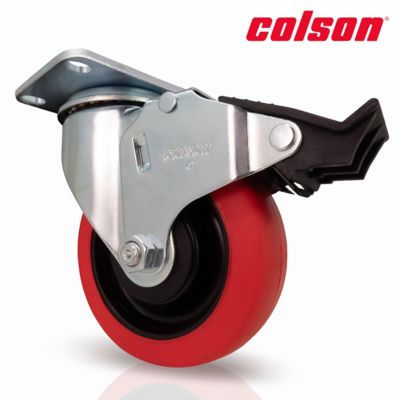
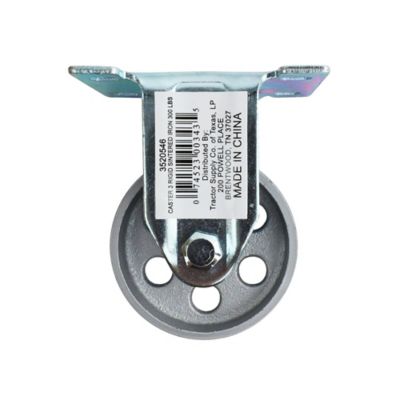
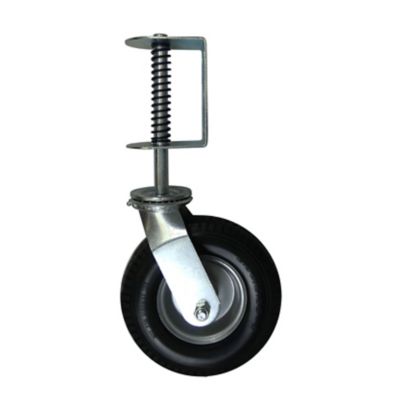
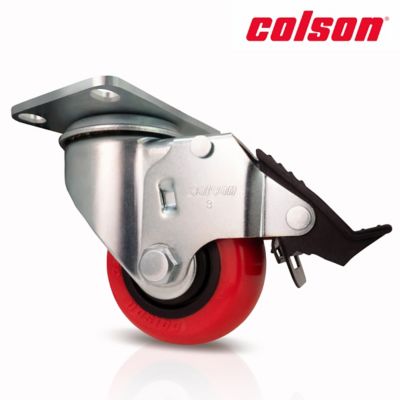
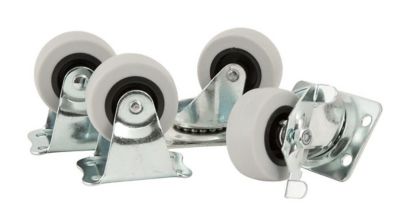
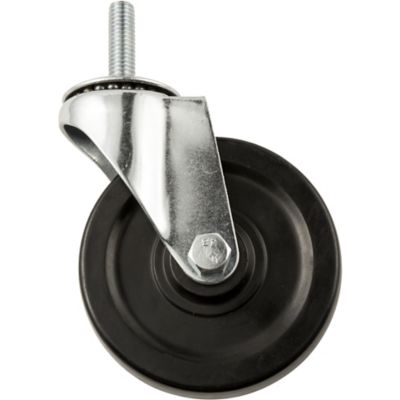
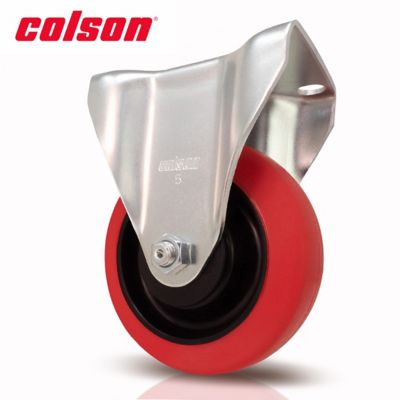
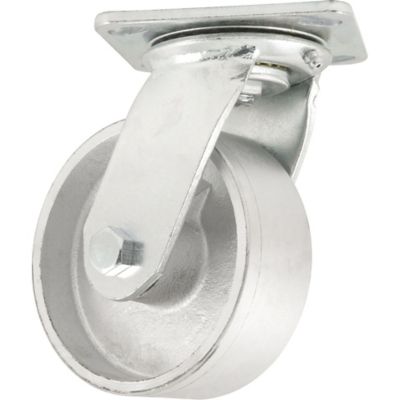
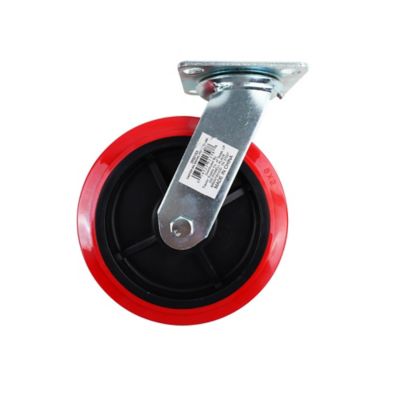
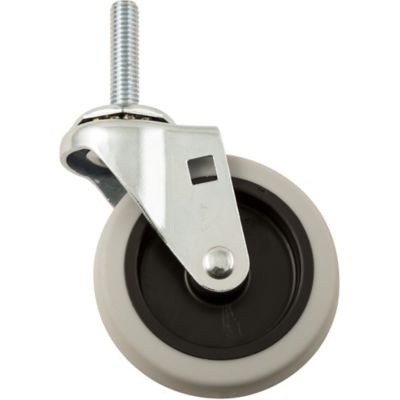
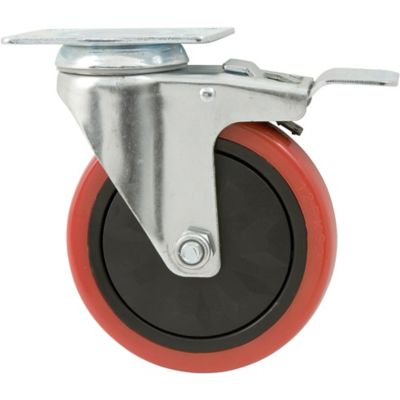
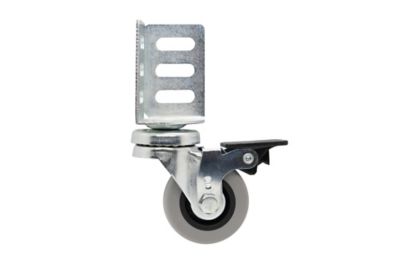
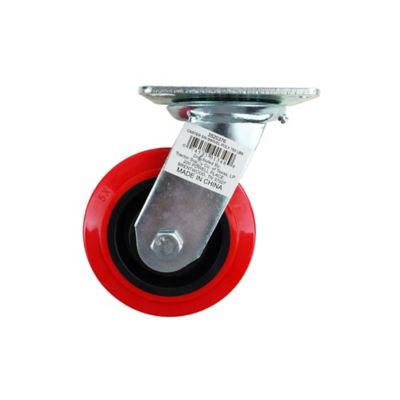
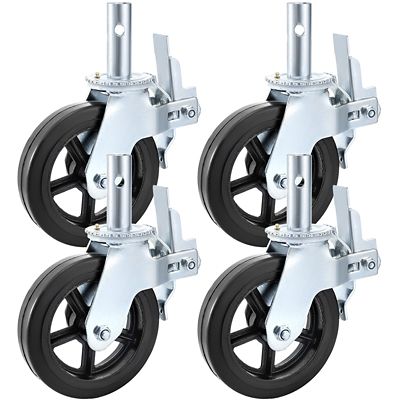
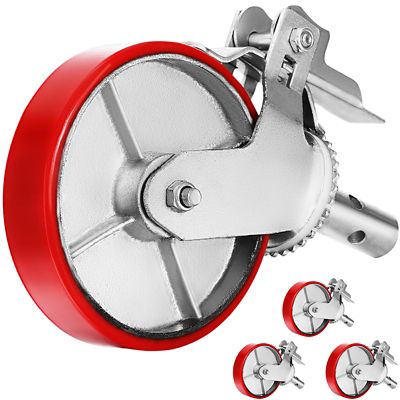
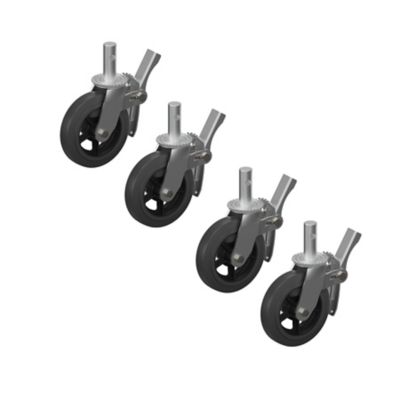
Caster wheels are wheel-and-mount assemblies that attach beneath furniture, carts, equipment and other loads so they can roll instead of being carried. The wheel turns on an axle, while the mounting hardware connects the assembly to the object above it. Around a farm shop, garage or workspace, that simple setup can make a loaded tool cabinet easier to reposition, let a rolling bench pull up beside a project or help a supply cart travel between storage shelves and a work area. The main types are swivel casters, rigid casters and locking casters, with each serving a different purpose. Swivel casters rotate 360 degrees at the mounting point, allowing a cart to change direction and maneuver around corners. Rigid casters, also called fixed casters, keep their wheels pointed in one direction, helping a load track straight along a shop aisle. A combination of two rigid and two swivel casters often gives a cart a practical balance of straight-line control and steering. Four swivel casters can make sideways positioning easier in a tight space, though keeping a heavy cart traveling straight may take more attention. Locking casters add a brake, but brake designs differ. A wheel brake stops the wheel from rolling, while a total-lock mechanism stops both wheel rotation and the swivel action. That distinction matters when a bench needs to stay put while tools or parts rest on top. Locks help control movement, but they do not replace proper supports for equipment that requires a fixed working position. Mechanics, woodworkers, maintenance crews and folks organizing a busy outbuilding all have different reasons to choose caster wheels. A small furniture caster has a different job from a caster beneath a loaded steel cart. The best match starts with the load, the route it travels and how it needs to behave once it reaches its spot.
Wheel material makes a noticeable difference in how a caster rolls, sounds and treats the floor beneath it. For carts traveling across finished floors,
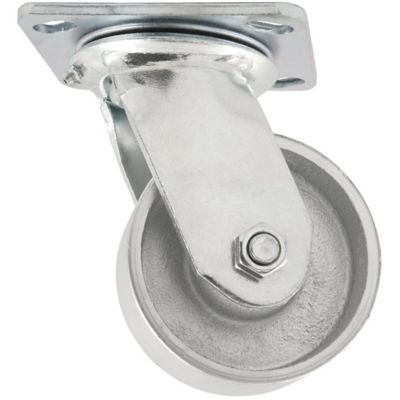
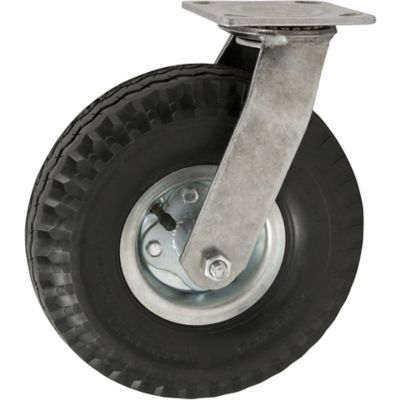
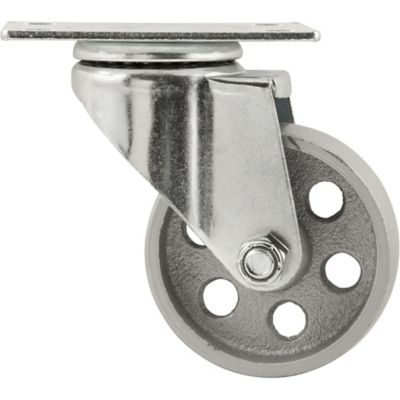
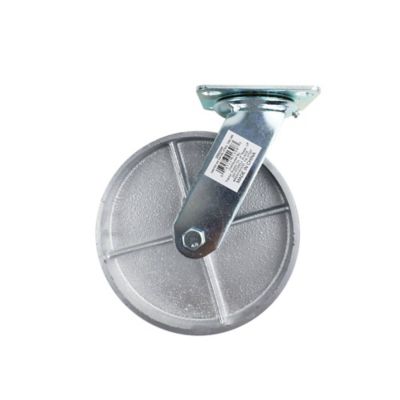
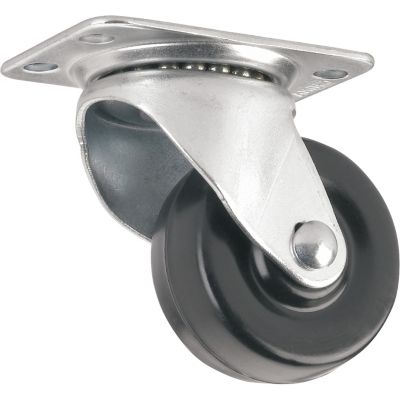
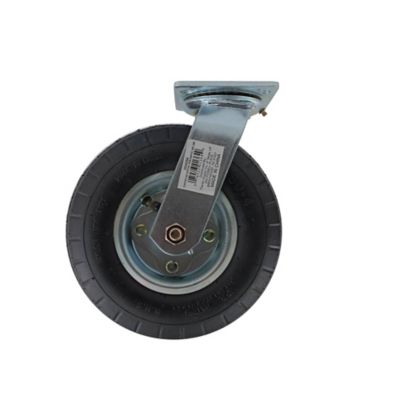
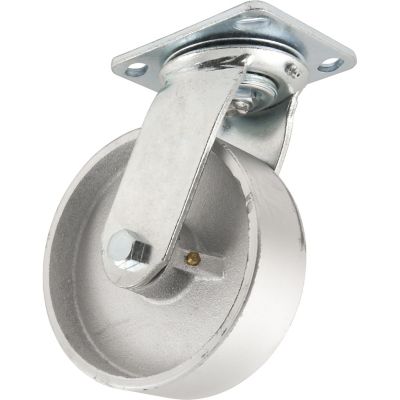
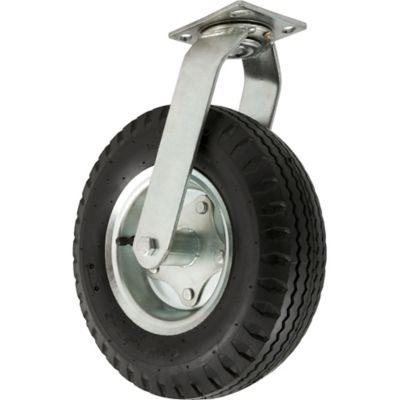
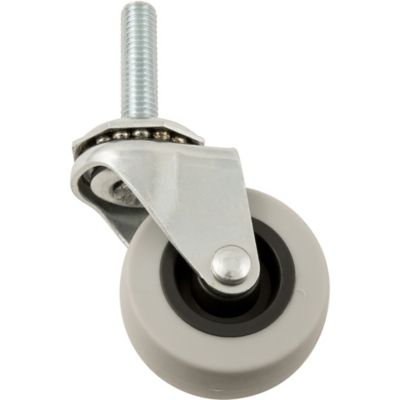
Rubber Casters can provide a cushioned ride and help reduce rolling noise. Rubber and thermoplastic rubber treads generally soften contact with hard surfaces, although marking resistance and load capacity depend on the particular tread compound and construction. Polyurethane wheels often combine a resilient tread with greater load support than similarly sized soft rubber wheels, making them worth considering for tool storage and shop carts. Nylon and other hard plastic wheels tend to roll readily on smooth, firm surfaces, but their harder contact can transmit more vibration across joints and rough patches. Steel and cast iron wheels serve demanding industrial applications where load support matters more than quiet movement or protection for finished flooring. Those metal wheels can damage sensitive surfaces, so the floor deserves as much attention as the cart. Wheel diameter matters, too. Small casters, sometimes around 2 inches in diameter, keep furniture and light equipment closer to the floor. Larger wheels, including sizes of 8 inches or more on heavier equipment, generally cross cracks, joints and small obstacles with less effort than smaller wheels of similar construction. A wider tread can spread contact across more surface area, but it also affects clearance and steering effort. Consider the actual route: a smooth concrete shop floor presents a different task from a doorway threshold, a rough barn aisle or a path with loose debris. Most ordinary casters work best on firm surfaces; soft ground calls for equipment designed for that terrain. Fit includes more than wheel diameter. Check overall caster height, wheel width, swivel clearance and the space needed to reach a brake pedal. On plate-mounted casters, compare the plate dimensions and bolt-hole spacing. For stem-mounted versions, match the stem diameter, length and attachment style, including thread size or socket requirements.
Load capacity should account for the full weight of the object plus everything it carries, not just the empty cabinet or cart. A workbench that rolls easily with a few hand tools may behave very differently after a vise, parts bins and power tools are added. Caster ratings are commonly stated per assembly, and the supporting frame, mounting hardware and attachment points must also handle the load. Simply multiplying one caster’s rating by four can overlook uneven weight distribution. For a four-caster cart that may cross uneven flooring, dividing the total loaded weight by three rather than four is a common starting point because all four wheels may not carry equal weight. Follow the manufacturer’s load guidance and allow for bumps, shifting contents and the way the equipment operates. Keep heavy contents low and centered whenever the cart’s design allows; a tall, top-heavy load can tip even when the wheels meet the weight requirement. Mounting deserves the same attention. A caster attached to thin wood or an unsupported corner cannot make the structure stronger by itself. Appropriate fasteners, sound mounting surfaces and any specified reinforcement help the assembly stay secure. Matching replacement caster heights also helps keep equipment level and prevents one corner from carrying more than its share. Once installed, regular checks go a long way toward keeping movement smooth. Sweep the travel path, remove string or other wrapped debris from axles and look for loose fasteners, damaged treads or wobbling wheels. Inspect swivel bearings and brake operation, and lubricate only where the manufacturer recommends; sealed assemblies may not need added lubricant. Clean tread surfaces with a method suited to the wheel material, especially after contact with oils or shop chemicals. A caster that starts dragging, rattling or leaving marks deserves attention before the next heavy load. Push carts with control, keep feet clear of the wheels and avoid forcing an unsuitable caster over a large obstacle. With the right material, mounting style and load rating, caster wheels can make everyday jobs easier without giving up the control a busy workspace needs.