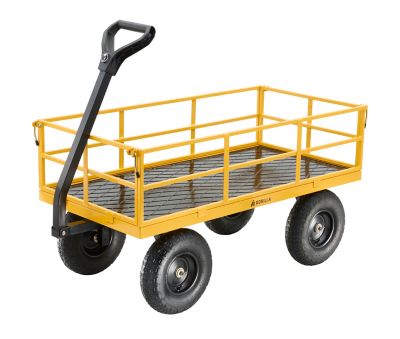
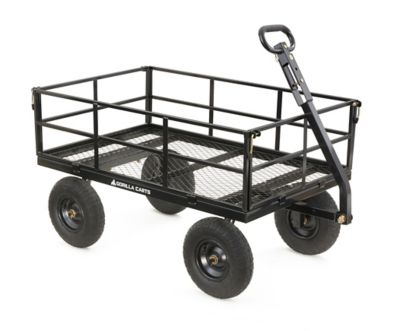
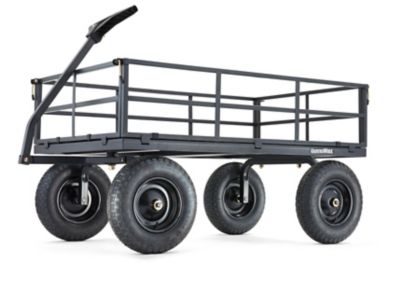
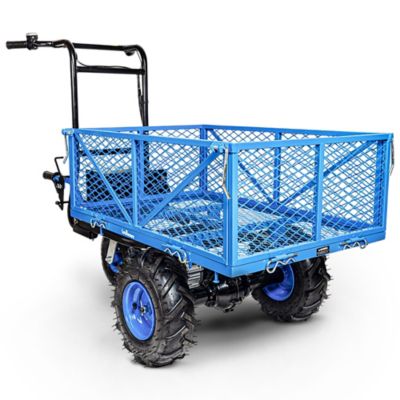
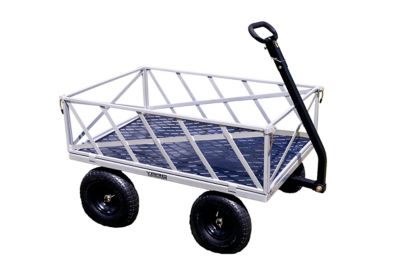
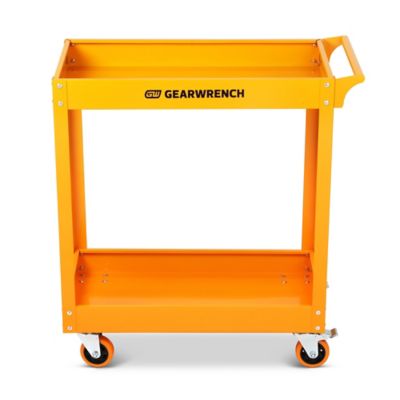
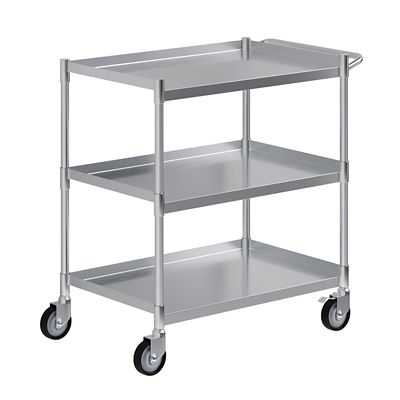
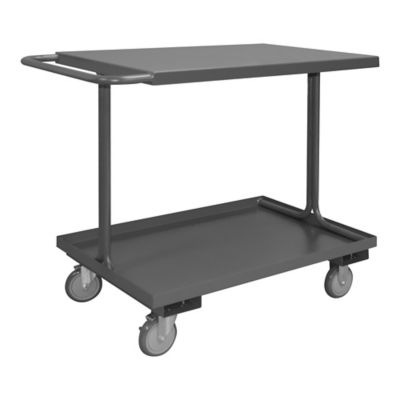
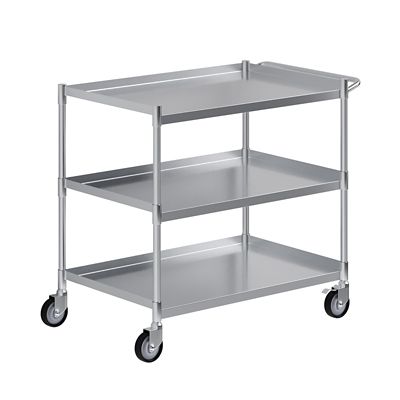
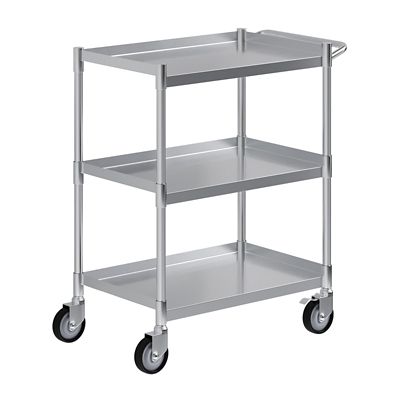
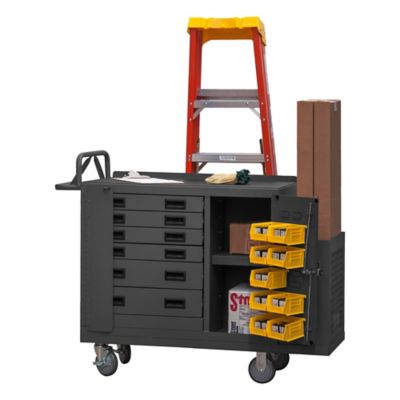
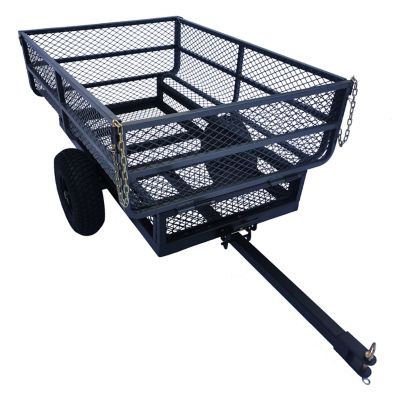
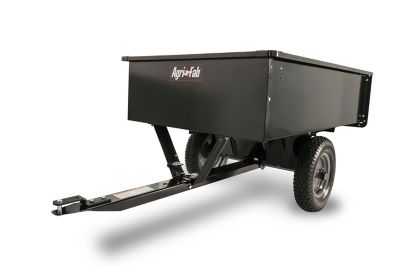
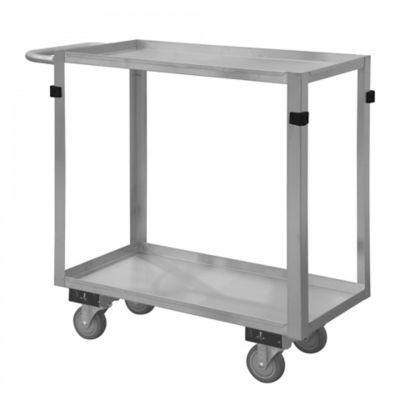
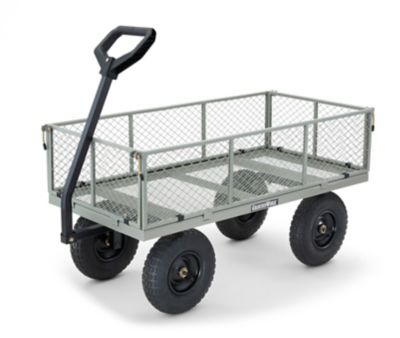
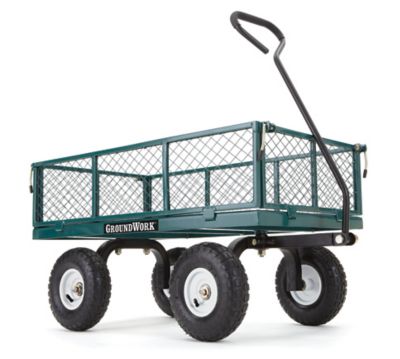
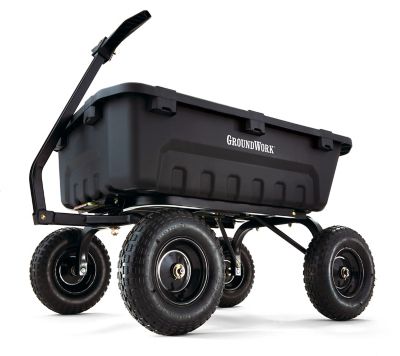
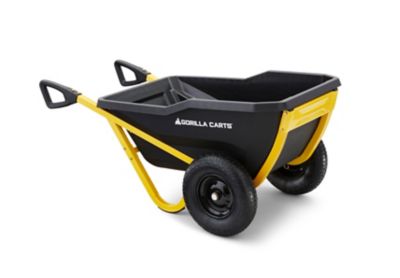
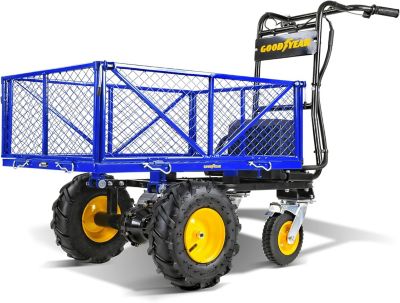
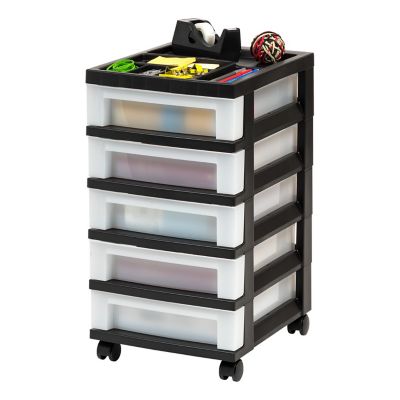
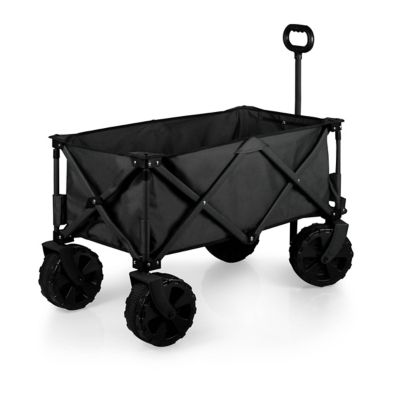
Steel utility carts are wheeled carriers with steel frames, beds or shelves that help move tools, supplies and materials around a shop, barn, garage or worksite. They take some of the back-and-forth out of everyday chores, whether that means bringing repair tools to a piece of equipment or moving bagged supplies from a storage area to the feed room. Steel construction provides a firm platform for demanding work, while the cart’s layout determines how well it fits the job. A wagon-style cart with raised sides helps contain loose materials and smaller supplies. A shelf cart keeps tools, parts and containers separated, with more than one level of storage within reach. An open platform leaves room for larger loads without side panels getting in the way. For wider materials or loads that need an unobstructed platform,
Flatbed Utility Carts offer another layout worth considering. Solid steel beds support small objects without gaps underneath them, while mesh beds allow loose dirt and debris to fall through. Mesh openings also matter when carrying narrow tools or hardware that could slip between the wires. Removable or folding side panels, where included, can make loading less awkward, especially when setting down something that would be difficult to lift over a tall rail. Bed height makes a difference, too: a low platform keeps the load closer to the ground, while a taller shelf can put frequently reached-for supplies nearer working height. Farmers, property owners, mechanics and maintenance crews may all reach for a steel utility cart, but their needs can look quite different. Moving feed bags down a barn aisle calls for a different setup than keeping sockets and fasteners beside a workbench. The most practical match starts with the materials being moved, the space they occupy and the path between where they sit and where the work gets done.
How a steel utility cart rolls is just as important as what it carries. Pneumatic tires can cushion a load over gravel and uneven ground, though their air pressure needs attention. Solid tires eliminate air-pressure checks, but their ride and handling depend on the tire material, wheel size and surface underneath. Larger wheels generally roll over small obstacles more easily than smaller ones, while compact casters can suit smooth floors and tight shop layouts. Swivel casters help a cart turn around benches and equipment; fixed wheels support straight tracking. Some configurations combine both, and steering-handle designs turn differently from push carts. A wheel brake can help keep a cart parked during loading or work, but it does not make an inclined surface a suitable parking spot. Cart dimensions deserve a close look beyond the bed alone. Overall width affects clearance through gates and doorways, handle length changes the turning space, and shelf spacing determines whether taller containers can stand upright. A cart that fits neatly beside a bench still needs enough room to swing around the bench’s corner. Weight capacity is another key consideration, and the stated rating applies under the manufacturer’s specified conditions. A large bed is not permission to pile on more weight than the cart can carry. Concentrated weight, an uneven load and rough travel can put different demands on the frame, bed and wheels. Heavy supplies belong low and spread across the supporting surface, with lighter materials above when the cart’s design allows it. Keeping the load below a clear line of sight helps with steering and spotting obstacles. Raised sides help contain a load, but they do not replace proper restraint when materials could shift or fall. For longer routes across a property, the handle grip, pulling position and effort needed to start and stop the loaded cart all become part of the fit. Towing should be limited to carts specifically designed for it, with the stated towing limits followed.
Steel utility carts also benefit from construction details that stand up to repeated loading, unloading and rolling. Welded joints, bolted connections, bed supports and the way the wheels attach all contribute to how the cart handles its work. A thicker-looking frame alone does not tell the whole story; the complete design and rated capacity are more useful than appearance. Powder-coated or painted steel helps protect covered surfaces, but scraped corners, chipped edges and worn contact points can leave metal exposed to corrosion. Soil, spilled feed and residue are worth clearing away before they build up around seams, fasteners or moving parts. After cleaning, letting the cart dry before storage helps limit trapped moisture. Any coating touch-up, lubrication or replacement work should follow the manufacturer’s directions, especially around bearings and wheel assemblies. Routine attention can stay simple: checking for loose hardware, damaged wheels, bent panels and a handle that no longer moves freely can catch trouble before the next loaded trip. On mesh carts, lodged debris can interfere with cleaning; on solid beds, corners and seams deserve a closer look. Carts that carry bagged supplies benefit from smooth contact surfaces without sharp edges that could snag packaging. Shelf carts need enough clearance for hands to lift containers without scraping knuckles against the shelf above. Storage matters as much as working space, particularly in a garage shared with equipment or a barn aisle that needs to stay clear. Folding handles or removable panels can change the storage footprint when those features are part of the design. A cart can also make a practical gift for someone setting up a workshop or tending a property, provided its size and handling suit that person’s chores. The right steel utility cart earns its place through ordinary tasks: keeping repair supplies together, carrying a manageable load and returning to its parking spot without becoming another obstacle. A sensible balance of bed style, wheel setup, capacity and upkeep makes those everyday trips easier to manage.