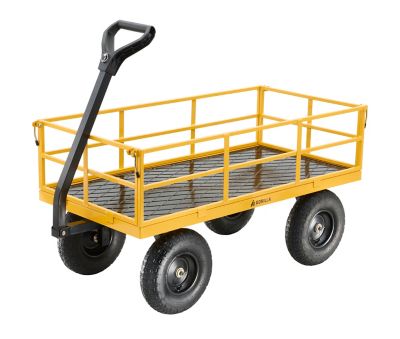
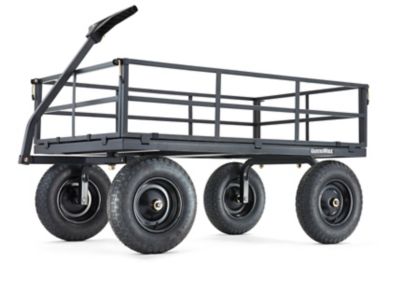
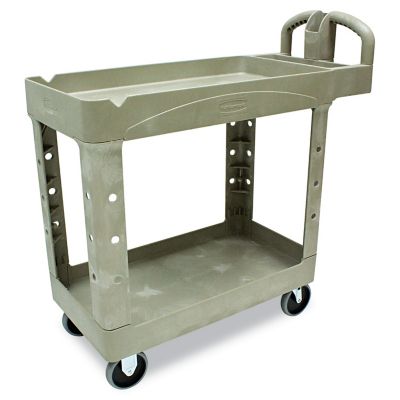
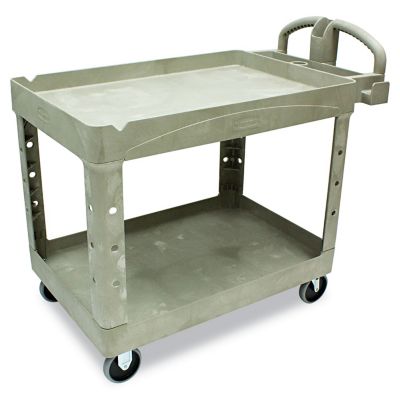
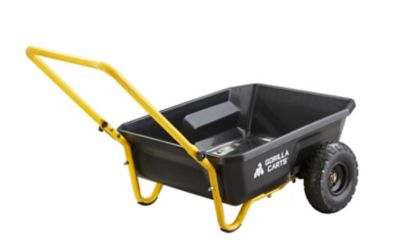
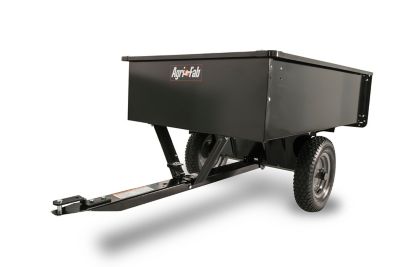
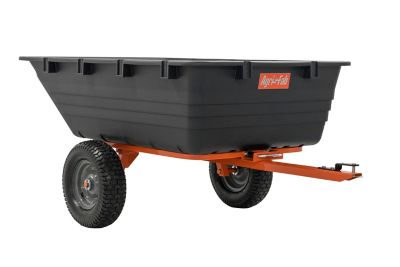
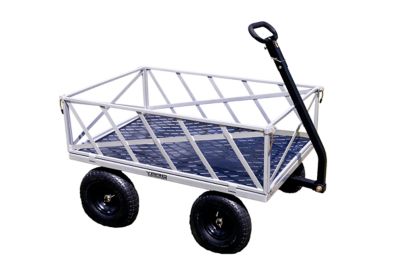
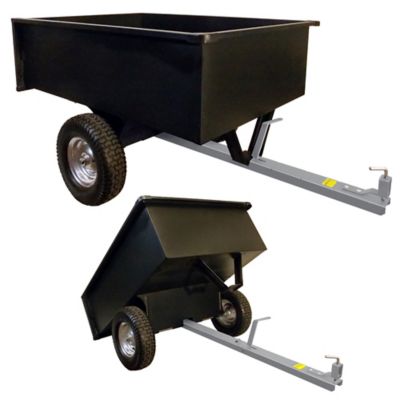
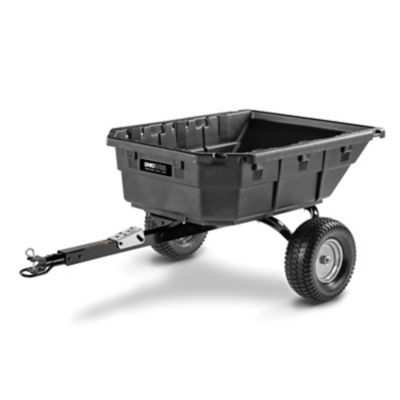
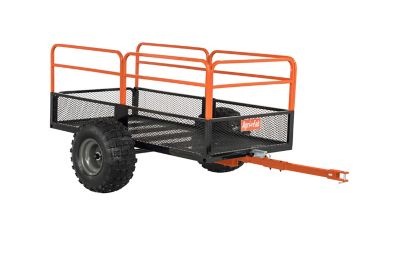
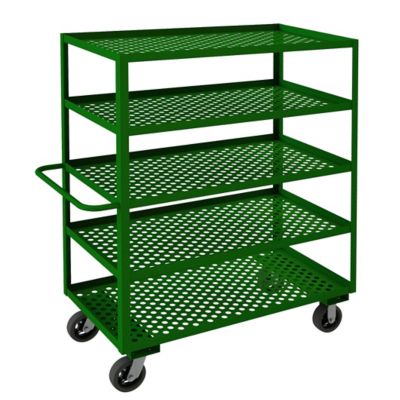
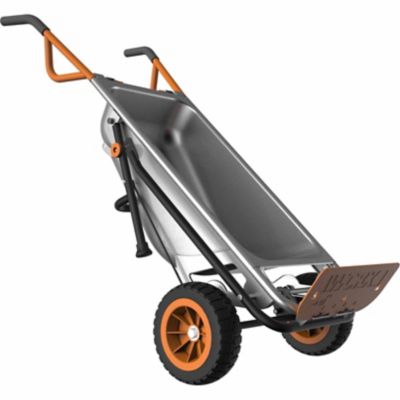
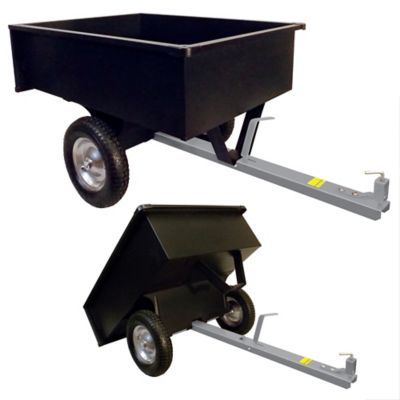
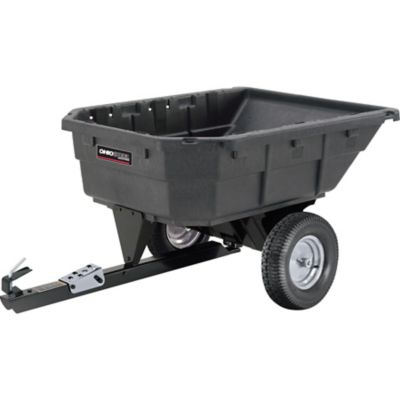
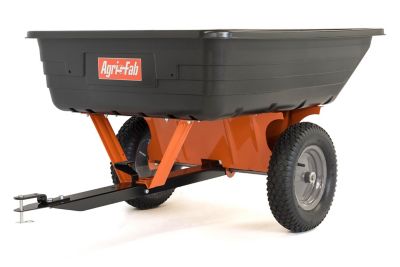
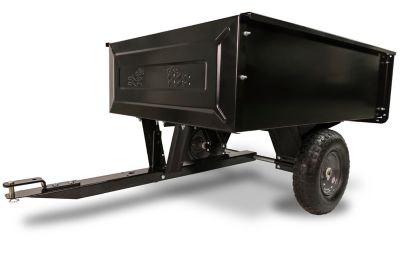
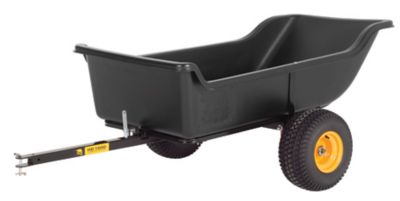
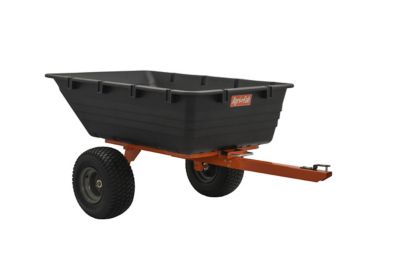
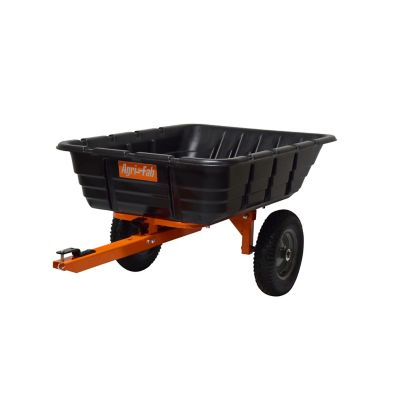
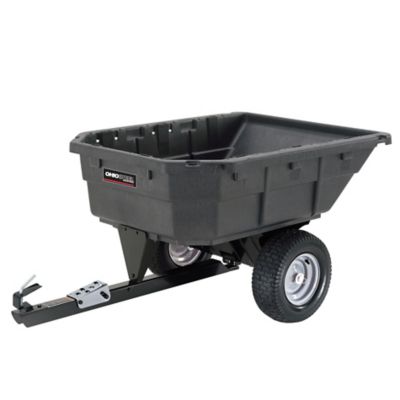
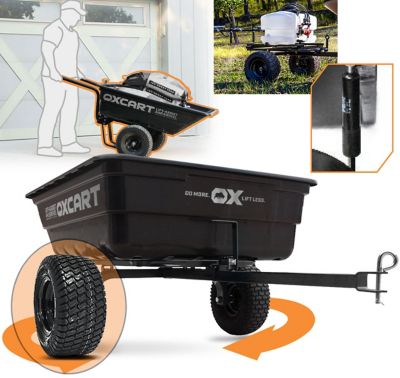
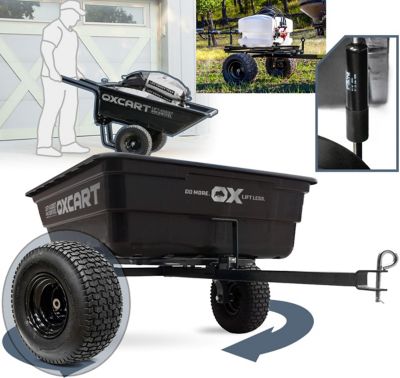
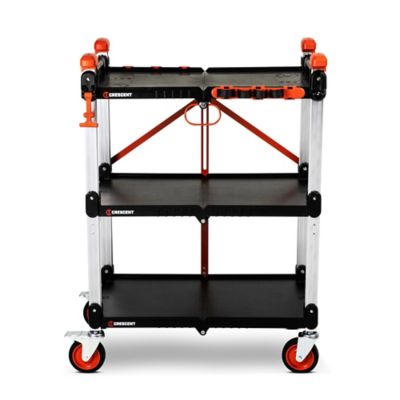
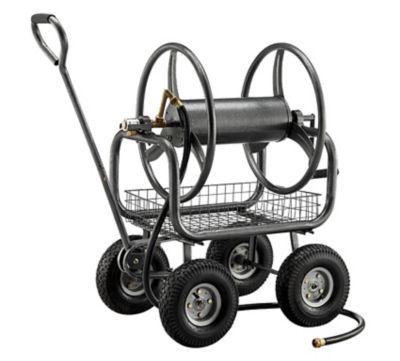
Heavy duty utility carts make it easier to move the kind of bulky, awkward, and heavy loads that are part of everyday work around a farm, ranch, shop, warehouse, garage, garden, or large property. Instead of making several trips with an armful of tools or trying to balance supplies in a wheelbarrow, a sturdy utility cart gives you a stable platform for hauling materials from one spot to another. Use one to carry feed bags, buckets, fencing supplies, hand tools, boxes, parts, soil, firewood, or equipment through a barn, shed, workshop, or storage area. In a garage, it can serve as a rolling workstation for repairs, keeping tools and fasteners close at hand while you work on a mower, trailer, tractor, or home project. Utility carts are also useful in warehouses, maintenance areas, manufacturing spaces, kitchens, and service settings where parts, ingredients, cleaning supplies, or finished goods need to be moved safely and efficiently. Some jobs call for a cart with broad, flat shelves, while others are better suited to deep shelves that help keep loose items from sliding off as you roll over thresholds, gravel, or uneven flooring. For especially heavy loads, compare the cart’s rated weight capacity with the total weight you plan to carry, including the container or equipment on top. A cart rated for several hundred pounds may be a good fit for general shop work, while demanding hauling jobs may call for a model capable of supporting 500 pounds or more. Always spread the load across the shelves, keep heavier items low, and follow the manufacturer’s capacity guidance rather than relying on how sturdy the cart feels by hand.
The cart’s construction and wheel setup have a big effect on how it handles day after day. Metal utility carts are often chosen for demanding work and heavy loads, especially when a rigid frame and durable, coated surfaces are important. High-density polyethylene and other tough plastic construction can offer a strong, practical option that is easy to clean and well suited to farms, garages, nurseries, service areas, and spaces where dirt or moisture are part of the job. Flat shelves work well for boxes, bins, buckets, and equipment with a wide footprint, while lipped shelves help contain smaller parts and supplies. Adjustable shelves can be handy when you need room for a tall jug, a tool case, or a stack of materials on one level and smaller items on another. Pay close attention to the wheels, since even a well-built cart will be frustrating if it does not roll smoothly over the surfaces where you plan to use it. Larger wheels generally travel more easily across thresholds, rough concrete, packed dirt, and other uneven ground. Swivel casters help with tight turns in a crowded shop or narrow aisle, and locking casters can hold the cart in place when you are loading it or using it as a mobile work surface. Flat-free tires are useful around barns, yards, and work areas where nails, thorns, and sharp debris can turn an ordinary tire into a delay. A comfortable handle can make a noticeable difference during long trips, especially when the cart is loaded. Look for a handle position that lets you push with a natural posture, and consider whether built-in hooks, baskets, trays, or tool storage will help keep frequently used items from getting buried under larger supplies.
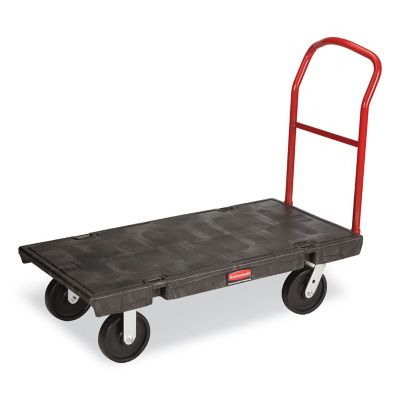
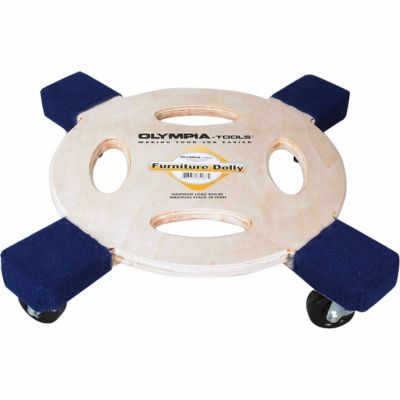
Think about the route, the load, and the person using the cart before choosing a heavy duty utility cart. A compact cart may be easier to guide through a crowded garage, tack room, or stockroom, while a wider platform may be more useful for lumber, large containers, feed, or landscaping materials. Measure doorways, aisles, gates, and storage spaces, and leave enough room to turn without scraping walls or equipment. If the cart will be used outdoors, consider how its materials and hardware will stand up to damp ground, changing temperatures, mud, dust, and regular washing. During the cooler months, a utility cart can help move firewood, salt, tools, animal bedding, and winter supplies without putting as much strain on your back and shoulders. When the weather warms, the same cart can haul garden amendments, plants, fencing materials, buckets, and cleanup debris. It can be a thoughtful practical gift for a farmer, mechanic, gardener, property owner, contractor, or do-it-yourselfer who spends time carrying supplies by hand. For very low, bulky loads or equipment that needs to be rolled rather than shelved, you may also want to compare
Heavy Duty Dollies as another way to move heavy items. Whichever style fits your work, inspect the frame, shelves, fasteners, casters, and brakes from time to time, and avoid exceeding the rated capacity. A properly matched cart keeps common chores more organized, reduces unnecessary lifting, and puts the tools and materials you need within easy reach as you move through the workday.