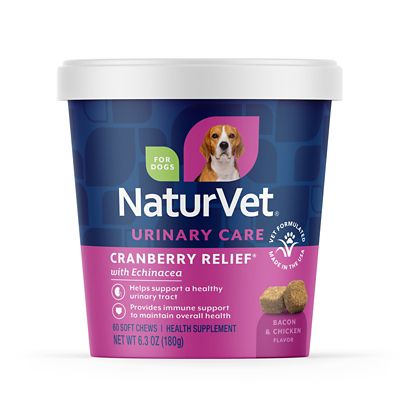
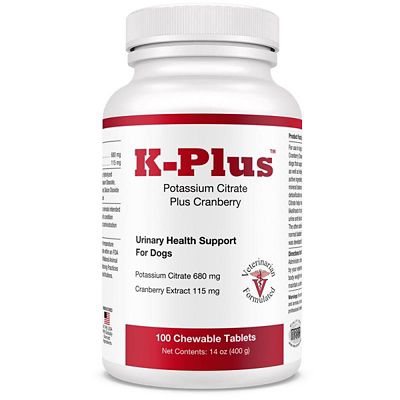
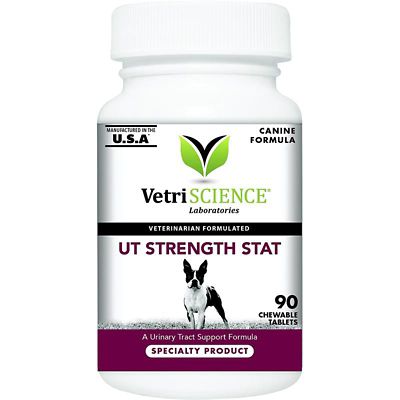
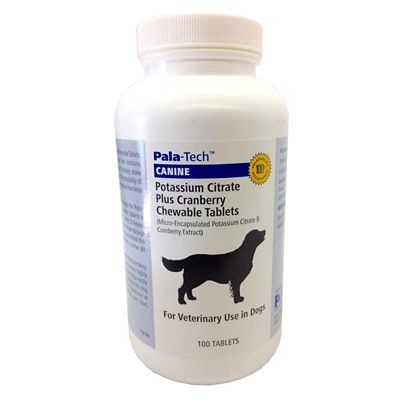
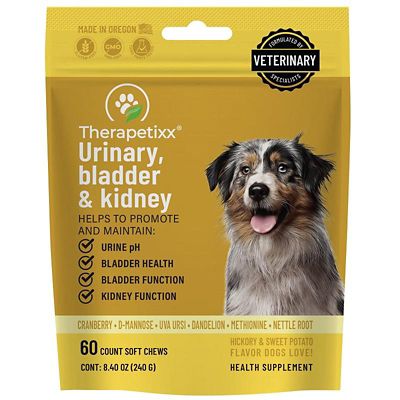
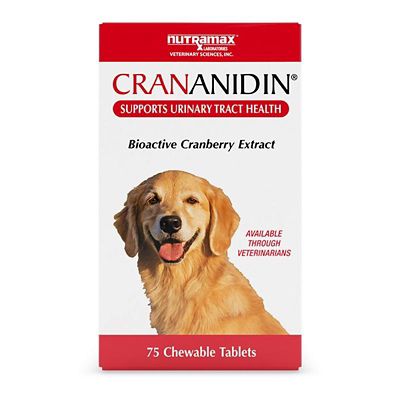
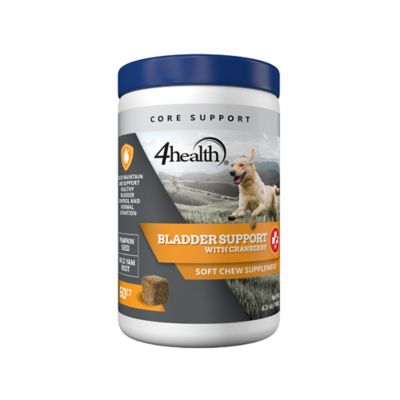
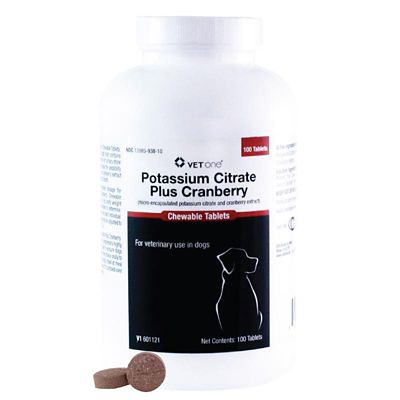
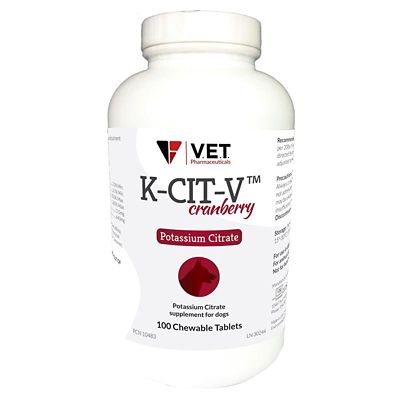
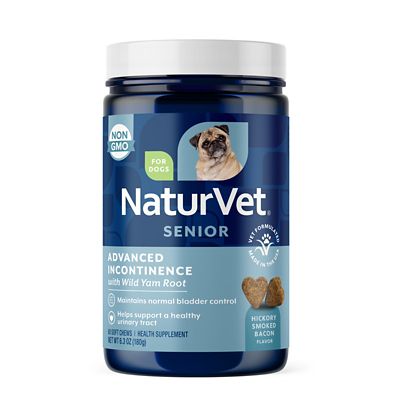
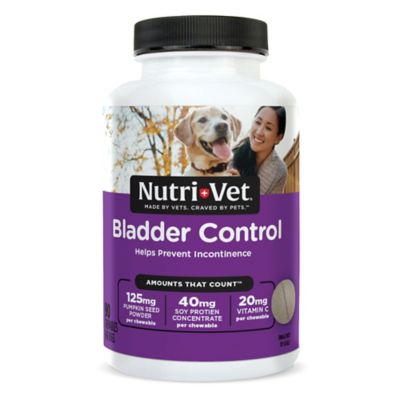
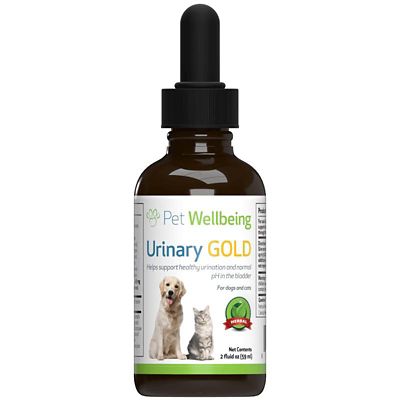
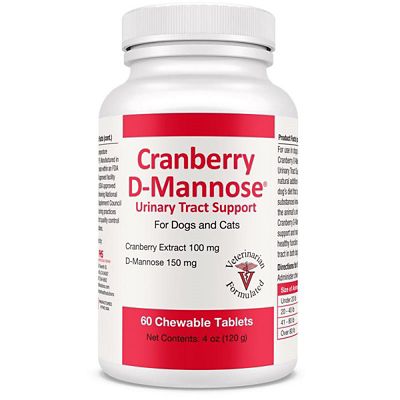
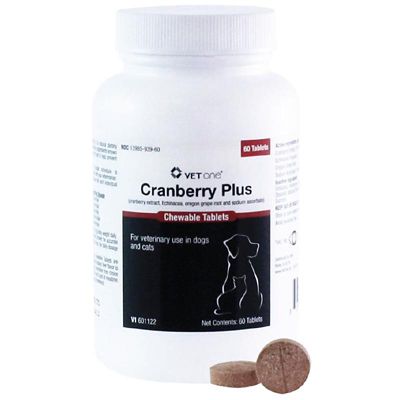
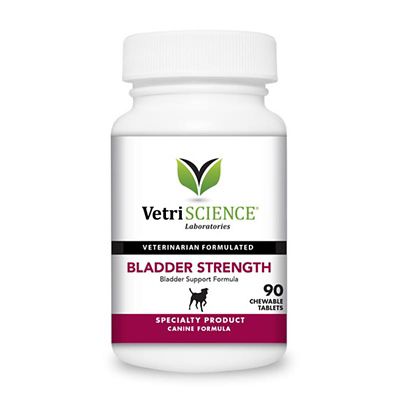
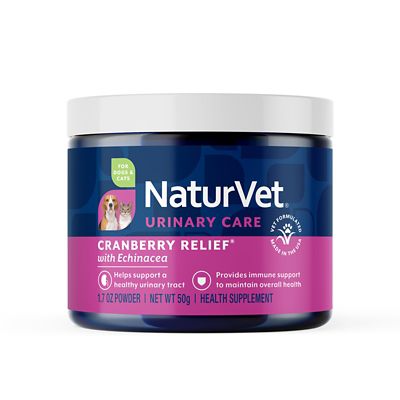
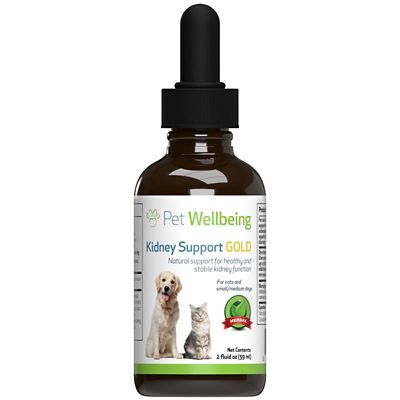
Urinary tract health supplements for dogs are supplemental products intended to support normal urinary function alongside a balanced diet, fresh water, and regular veterinary care. These formulas may focus on bladder health or other aspects of urinary wellness, but they are not medicines for treating a urinary tract infection. For a dog that trots along the fence line, keeps company during chores, or spends most of the day stretched out beside the kitchen table, the right fit starts with that dog’s health history rather than a broad claim on a package. A veterinarian can help determine whether a supplement makes sense, especially for dogs with recurring urinary trouble, bladder stones, kidney disease, or an existing prescription diet. Cranberry extracts, D-mannose, probiotics, and various botanical ingredients appear in this category, sometimes alone and sometimes in combination. Cranberry and D-mannose have drawn interest because of research into bacterial attachment within the urinary tract, but evidence for their benefits in dogs remains limited. Their presence on a label does not establish that a formula prevents or clears an infection. Probiotic effects also depend on the particular organisms and formulation, rather than the word “probiotic” alone. Ingredient amounts, serving directions, and the purpose stated on the label offer more useful comparisons than a long ingredient list by itself. Products aimed at urinary wellness also differ from supplements marketed for bladder control, and neither category should be expected to solve unexplained leaking. A damp sleeping spot, frequent requests to go outside, or a change in bathroom habits can have several causes. That distinction matters when comparing formulas for an older companion or a dog with a history of urinary concerns. The goal is a supplement that fits an established care plan, not one that masks a change that needs attention. Products intended to influence urine acidity deserve particular care, since different types of urinary stones call for different approaches, and shifting urine pH without veterinary guidance can work against a dog’s needs.
Form matters when a supplement becomes part of the daily feeding routine. Soft chews offer a treat-like texture that some dogs readily accept, while tablets, capsules, powders, and liquids provide other ways to give a measured serving. A dog that noses through every mouthful may leave powder behind in the bowl, while another may happily take a chew with breakfast. For a small dog, the size of a tablet or chew can make a real difference; for a larger dog, the number required for each serving may matter more. Weight-based directions, age restrictions, and any introductory serving period should be clear on the label. The number of chews in a container is not necessarily the number of daily servings, so comparing the recommended amount for the dog’s weight gives a better picture of how a formula fits the routine. Flavorings and inactive ingredients deserve a look, too, particularly for dogs with food sensitivities or restricted diets. A chicken-flavored chew, for example, may not fit a feeding plan that excludes poultry ingredients. Chews can also contribute calories, which count toward the daily total even when the product serves a purpose beyond rewarding good behavior. For dogs eating a prescription urinary diet, added supplements and flavored treats should be cleared with the veterinarian so they do not interfere with the diet’s intended mineral balance or effect on urine chemistry. The same applies when a dog takes medication or another supplement with overlapping ingredients. More is not necessarily better, and combining several urinary formulas can make it harder to track what the dog receives. Clear ingredient amounts, readable directions, and straightforward storage information make everyday handling easier. Containers that close securely help keep powders dry and chews in the condition described on the label. Storage requirements vary by formula, so a shelf near the feed bin is only suitable if it meets the package directions and stays out of reach of curious noses.
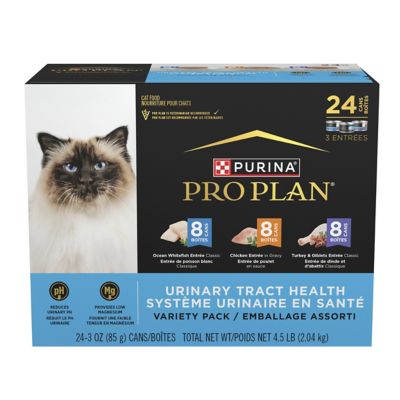
Daily care provides the foundation that urinary support products cannot replace. Fresh drinking water, clean bowls, and regular opportunities to relieve themselves help dogs maintain normal bathroom routines, whether they spend the day near the barn or beside a desk. Supplements should not take the place of those basics, veterinary testing, or prescribed treatment. A veterinarian may recommend a urine test, a urine culture, or other evaluation before deciding whether nutritional support belongs in the plan. That is especially important when signs return after earlier treatment, because repeated urinary trouble does not always have the same cause. Straining, blood in the urine, discomfort, repeated attempts to pass small amounts, or new accidents call for prompt veterinary attention. A dog that cannot pass urine needs emergency veterinary care rather than a trial of a supplement. Once a care plan is in place, a consistent feeding routine and a simple record of appetite, bathroom habits, and any changes can help the veterinarian assess how the dog is doing. In a home with several pets, separate feeding spots make it easier to give each animal the intended serving and keep an eager companion from finishing somebody else’s bowl. Dog and cat urinary needs are not interchangeable, either. Households caring for both can browse
Urinary Tract Cat Food for feline feeding options, while keeping each pet’s diet and veterinary recommendations separate. For dogs, a sensible comparison comes back to the formula’s intended purpose, the amounts provided per serving, the dog’s willingness to take it, and its fit with existing food and medication. A clearly labeled supplement that suits those needs is easier to work into the day than a complicated routine built around several overlapping formulas. Steady care, sensible product selection, and attention to changes in bathroom habits keep the focus where it belongs: the dog’s comfort and ongoing health.