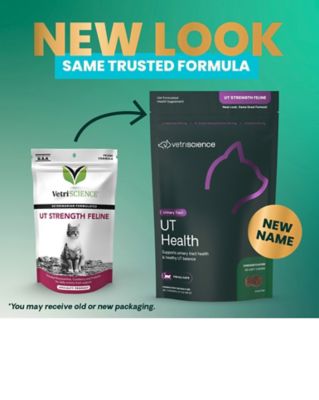
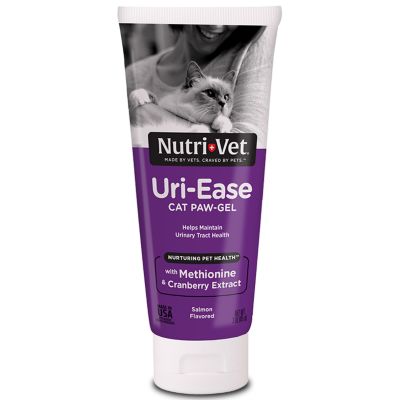
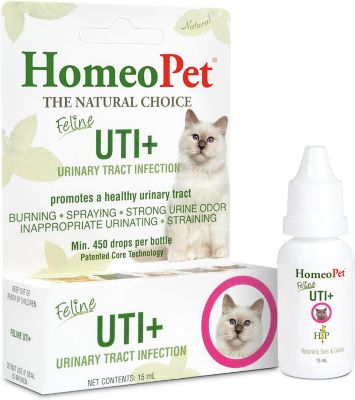
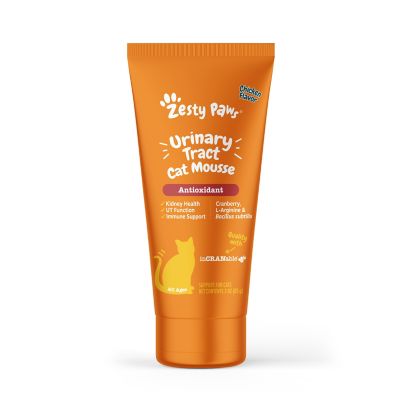
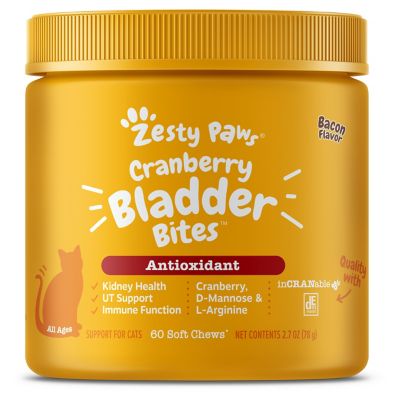
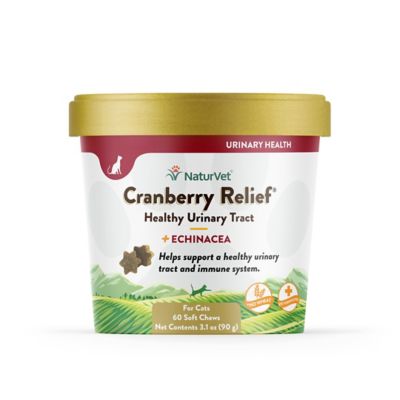
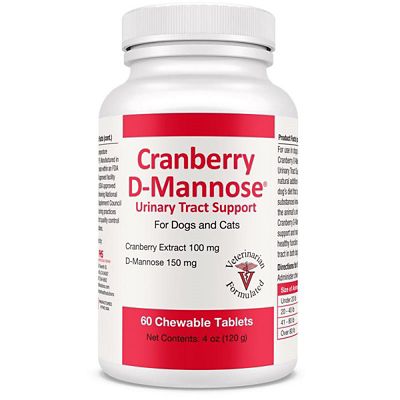
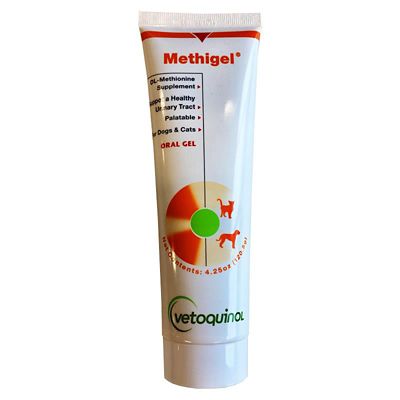
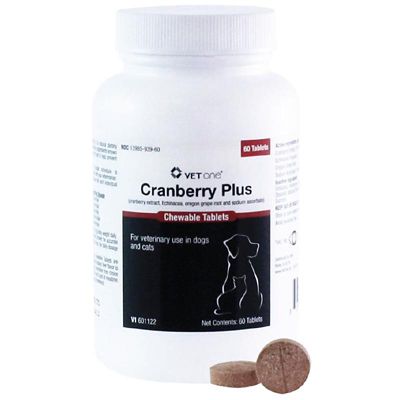
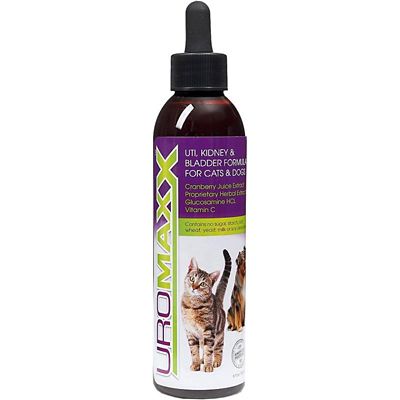
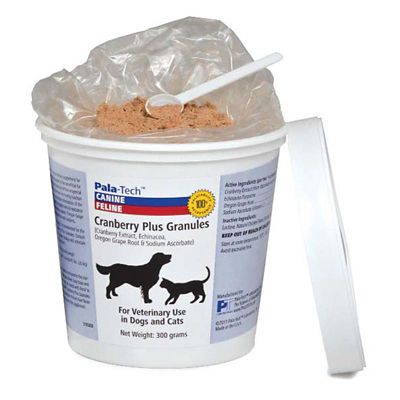
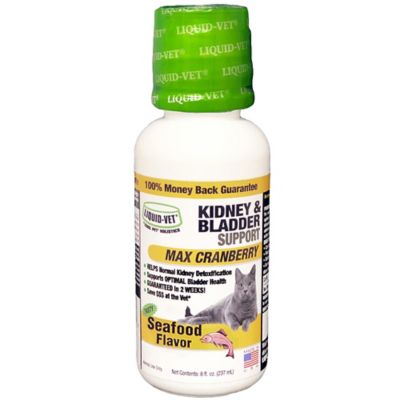
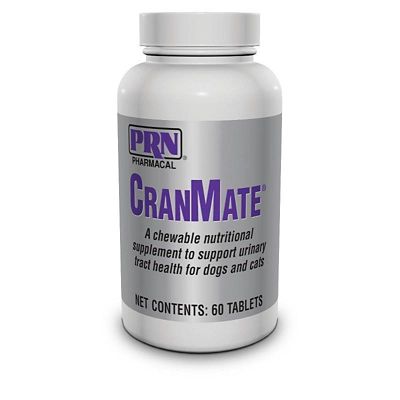
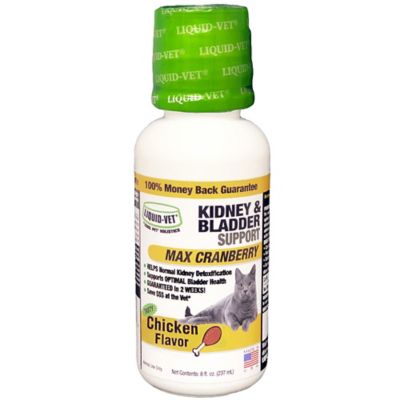
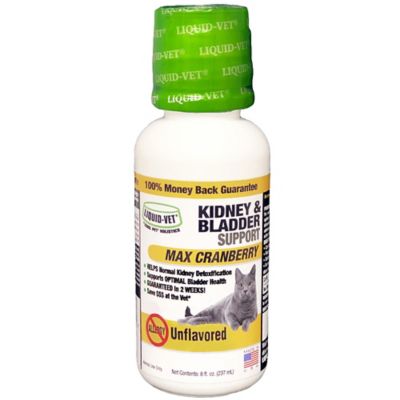
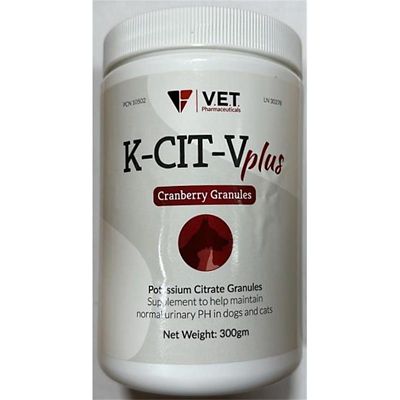
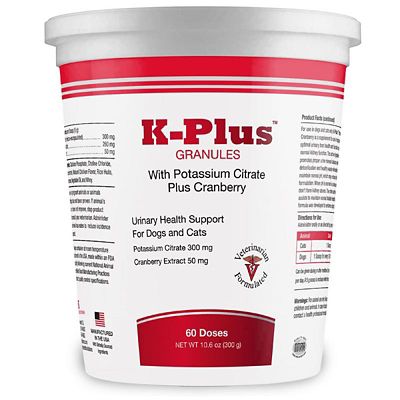
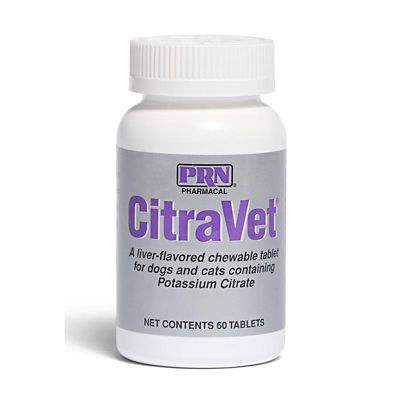
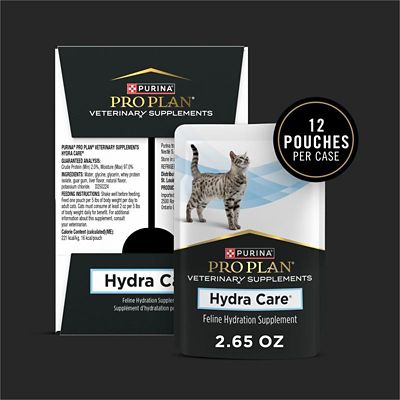
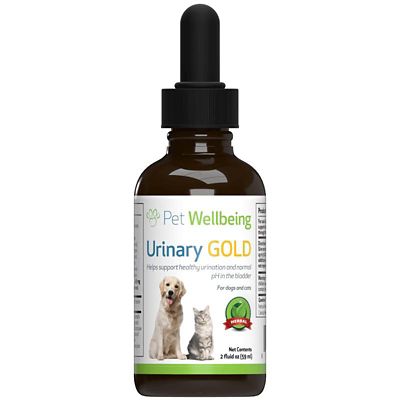
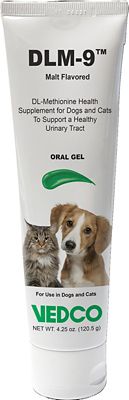
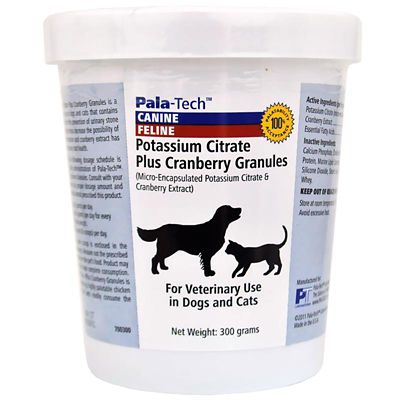
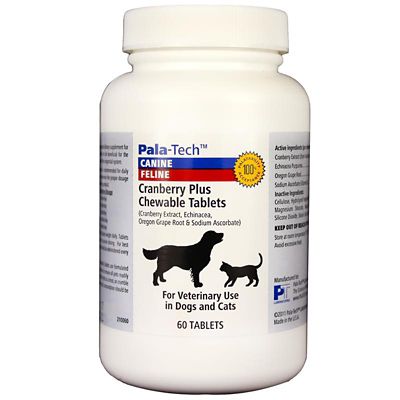
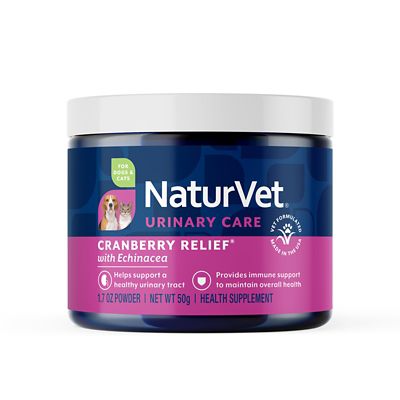
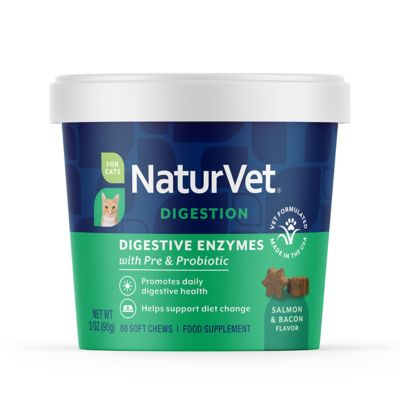
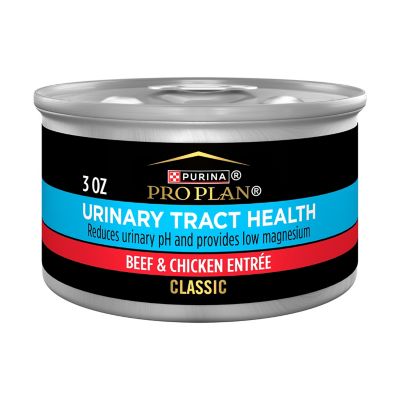
Urinary health supplements for cats are formulated to support normal bladder and urinary tract function alongside a complete diet, steady water intake, and veterinary care. Depending on the formula, they may contain ingredients intended to support the bladder’s protective lining, influence urine pH, or support other aspects of urinary tract health. These supplements are not interchangeable, and none should be treated as a cure for a urinary tract infection, bladder stones, or a blockage. The right fit depends on a cat’s age, health history, daily food, medications, and any findings from a veterinary exam or urine test. Glucosamine and chondroitin appear in some formulas because they are building blocks associated with glycosaminoglycans, substances that help form the bladder’s natural protective layer. Their presence on a label does not guarantee relief from urinary signs, and evidence for supplement benefits in cats varies. Cranberry extract and D-mannose are other common ingredients, included for their potential to interfere with certain bacteria attaching to urinary tract surfaces. Research in cats is limited, so those ingredients should not be mistaken for proven infection prevention or a replacement for prescribed treatment. Some formulas also contain methionine, an amino acid that can lower urine pH. Lower pH is not always the goal: different kinds of crystals and stones require different approaches, making veterinary input especially important with urine-acidifying supplements. For a house cat stretched across the couch or a farm cat that comes inside for supper, the starting point is the same: a cat-specific formula with clear serving directions and a purpose that matches the veterinarian’s recommendations. Labels should identify the intended species and any life-stage restrictions. A formula meant for an adult cat may not suit a kitten, a pregnant or nursing cat, or a cat with kidney disease or another ongoing condition.
Chews, powders, liquids, and gels give cat owners several ways to work a urinary supplement into an everyday feeding routine. Texture and taste matter as much as convenience when a finicky eater is involved. A cat that happily takes a soft chew may leave a powder-coated meal untouched, while another may accept a small amount of liquid mixed into familiar wet food. For a cat that licks up gravy but leaves solid pieces behind, the serving method deserves a closer look before choosing a format. Mixing a supplement into a small portion of food can make it easier to see whether the full serving was eaten, provided the label allows mixing and the cat readily accepts it. In a home with several cats, separate feeding spots help keep one cat from getting another’s portion. Serving amounts may vary by body weight, formula concentration, and intended schedule, so the number of chews or milliliters matters more than package size alone. A marked dropper or the supplied measuring scoop makes portioning easier than guessing with a kitchen spoon. Ingredient lists also deserve attention when a cat has a food sensitivity, needs calorie control, or follows a restricted diet. Flavorings, animal proteins, and other added ingredients can matter even when they are not the main reason for choosing the supplement. Clear labels that state ingredient amounts and daily servings make discussions with the veterinary team more useful. Care after opening matters, too. Storage directions may call for refrigeration, protection from moisture, or a tightly closed lid. Keeping supplements in their original containers preserves the serving directions, expiration date, and lot information. Powders belong away from damp feed-room corners, and chews should stay sealed rather than sitting loose beside the food bowl. Any change in smell, texture, or appearance is a reason to check with the manufacturer before offering another serving. A format that fits the cat’s eating habits and the household’s feeding routine makes consistent administration more practical without turning every meal into a standoff.
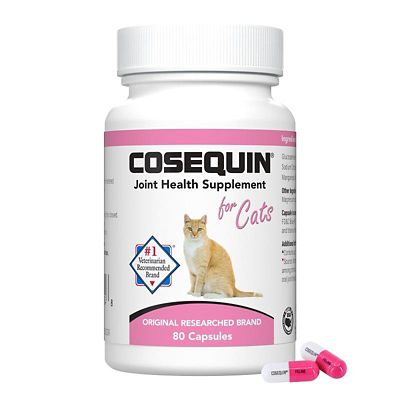
Urinary support also needs to fit the rest of a cat’s care rather than compete with it. A veterinarian-prescribed urinary diet may already be designed to influence mineral intake, urine concentration, or urine pH; adding an acidifier or another supplement without approval can work against that plan. More ingredients or a larger serving does not necessarily mean more benefit, and combining several formulas can double up on the same compounds. That matters for older cats receiving support for more than one concern. When comparing urinary formulas with
Cat Joint Health Supplements, look for overlapping ingredients such as glucosamine and chondroitin, and have the veterinary team review the combined daily amounts. Those shared ingredients do not make the two categories substitutes for each other. Water access remains another important part of the picture. Several clean bowls in quiet spots, a fountain that a cat accepts, or veterinarian-recommended wet food can help encourage fluid intake; a small serving of a liquid supplement does not replace drinking water. Bowls placed away from a busy doorway or a pushy household pet may be more inviting to a cat that prefers a quiet drink. Changes in litter-box habits still need attention, even when a supplement is already part of the routine. Frequent trips, blood in the urine, crying during urination, or urinating outside the box warrant prompt veterinary advice rather than simply switching formulas. Repeated straining with little or no urine is a medical emergency, especially in male cats, and calls for immediate veterinary attention. A supplement cannot clear a urinary blockage. Because bladder irritation, stones, infection, and other conditions can produce similar signs, symptoms alone do not establish the cause. For ongoing support after veterinary evaluation, a clearly labeled formula, a manageable serving method, and a routine the cat accepts offer practical comparison points. Keeping the supplement name, daily amount, and start date with the cat’s health records also gives the veterinary team a clearer picture at follow-up visits, especially if appetite, litter-box habits, or prescribed care changes.