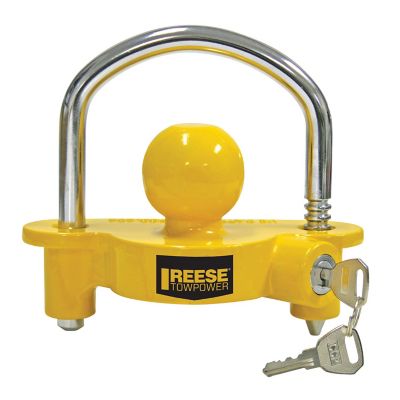
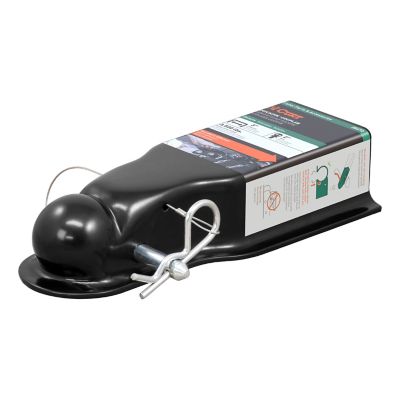
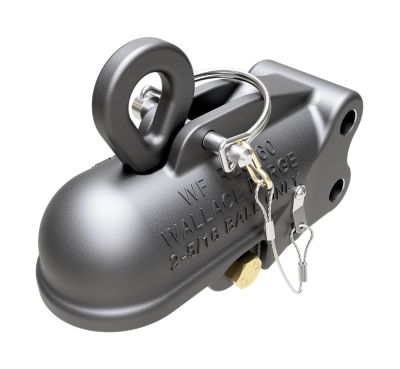
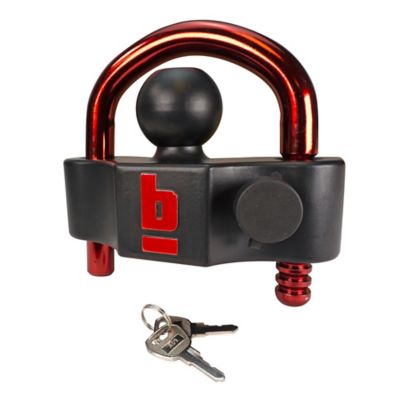
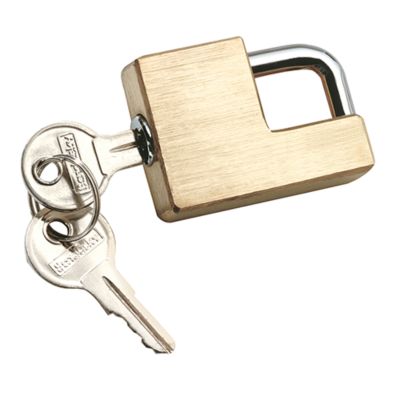
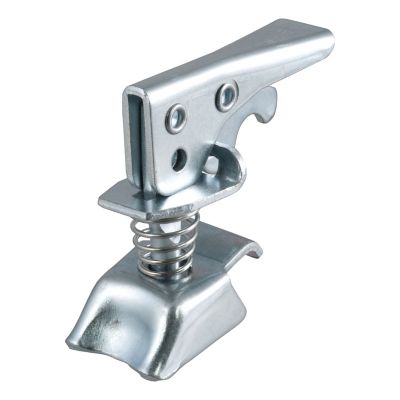
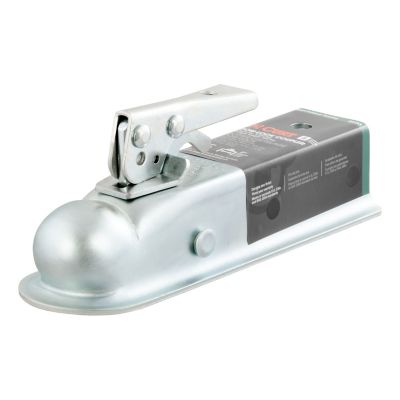
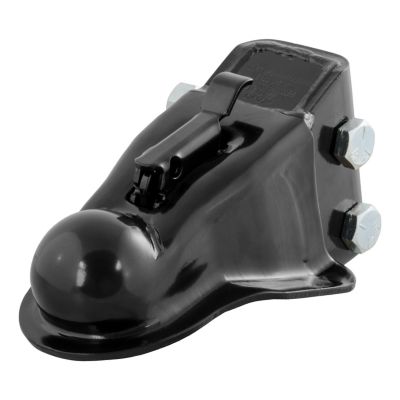
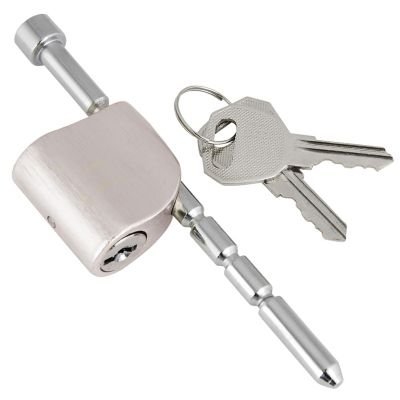
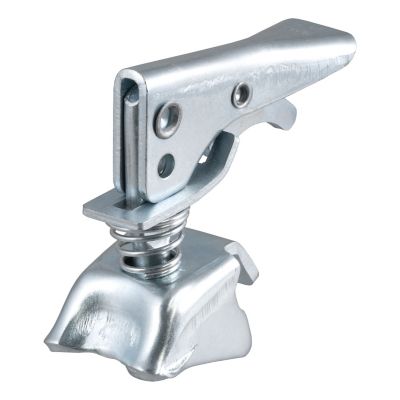
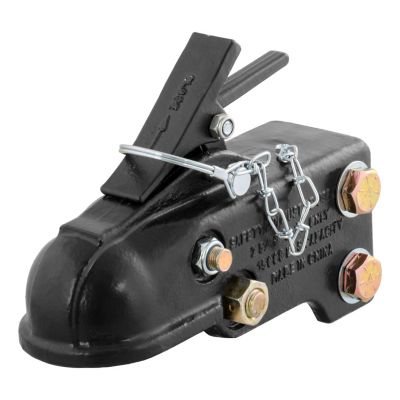
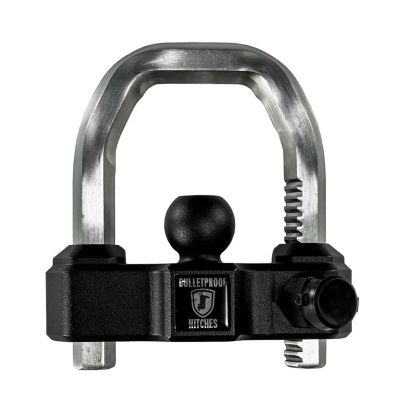
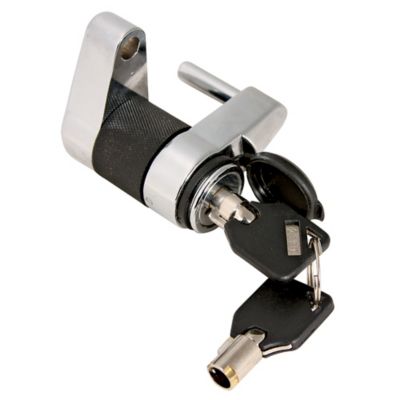
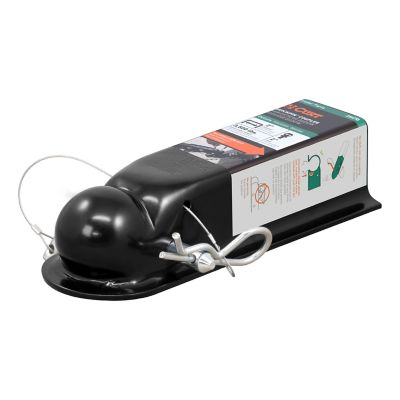
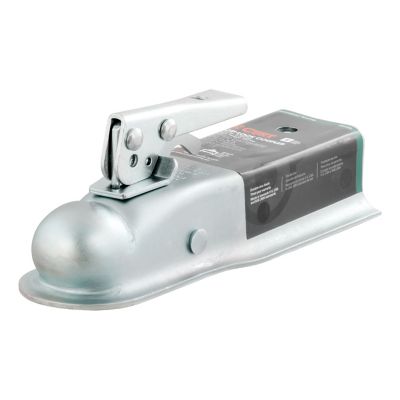
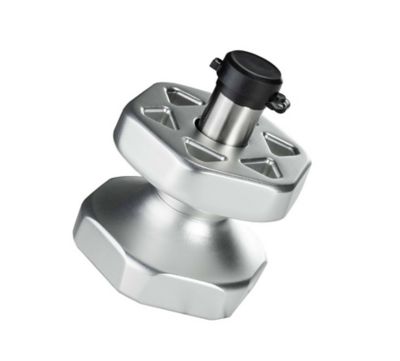
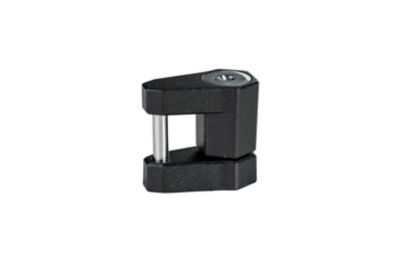
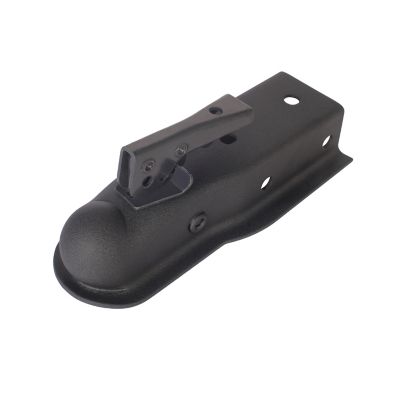
Universal trailer coupler locks help deter tow-away theft by blocking an unattended trailer’s coupler so it cannot connect normally to a hitch ball. Many universal designs accommodate common 1-7/8-inch, 2-inch, and 2-5/16-inch coupler sizes, making them a practical choice for owners with more than one trailer. The word “universal” describes a range of fit, though, not a promise that every coupler will accept the same lock. The shape of the coupler body, the width of its lower lip, and the space around its latch all matter alongside the marked ball size. These locks generally belong on disconnected, parked trailers rather than on a trailer during towing. A utility trailer sitting beside the barn, a boat trailer at a storage lot, or an enclosed cargo trailer parked after a job can all benefit from an added barrier at the tongue. Depending on the design, a lock may place an insert inside the ball socket and secure it with an adjustable shackle, or surround part of the coupler with a locking housing. Either approach helps obstruct a normal hookup and makes unauthorized removal more involved than simply backing a truck into position. That matters whether the trailer carries fencing tools between pastures or waits empty until the next feed run. The trailer itself represents equipment worth protecting, even with nothing on its deck. Farmers, contractors, landscapers, boat owners, and folks hauling supplies for their acreage may all have reason to secure a trailer between trips. A visible coupler lock adds a straightforward security measure without requiring a permanent change to the trailer when the design fits as intended. It is one part of a sensible parking setup, not a guarantee against theft or a substitute for choosing a secure place to leave equipment.
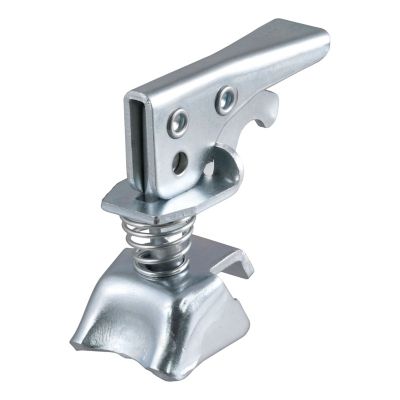
Fit and construction are closely connected with universal trailer coupler locks because a strong lock still needs to sit properly on the coupler it protects. Ball size is the starting point, but the full profile deserves attention: a rolled edge, a wide flange, a cast body, or an unusual latch arrangement can interfere with an otherwise suitable design. A lock intended for standard ball couplers should not be assumed to fit a lunette ring or a specialized coupling system. Adjustable locking positions can help take up space around different coupler shapes, while a closely fitted housing can limit access to the areas it covers. The goal is a secure seat with the locking components fully engaged, rather than a loose attachment that only looks locked. Steel bodies and hardened steel shackles are common construction choices, although materials vary by design. Body thickness, shackle exposure, and the protection around the cylinder all influence how a lock stands up to attempts at cutting, prying, or striking. A substantial housing may shield more of the mechanism, but size and weight alone do not establish resistance to attack. Protective coatings can help resist corrosion and keep metal surfaces in better shape over time. Covers around the keyway may also help keep grit out of the cylinder, a useful detail around gravel drives, farm lanes, and busy equipment yards. For a trailer that moves several times a day, easy access to the keyway and straightforward engagement can make locking up less of a chore. For a trailer that stays parked between occasional hauling jobs, a design that covers more of the coupler may be a better match, provided it seats correctly. Clear fit specifications are especially helpful when comparing locks for several trailers. Matching the stated coupler sizes is important, but confirming clearance around the actual tongue hardware helps avoid a mismatch that measurements of the ball socket alone would miss.
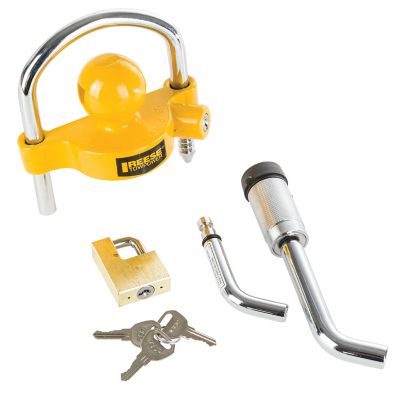
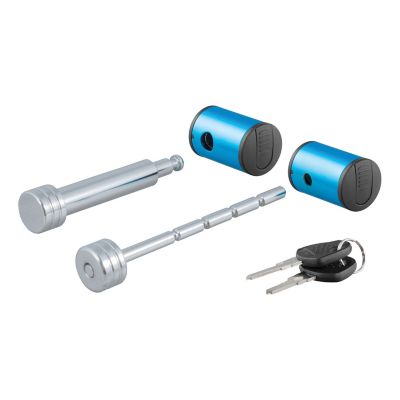
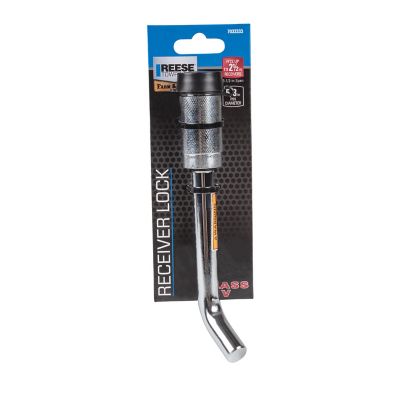
Everyday ownership also comes down to key management, basic care, and understanding which connection each lock protects. A coupler lock secures the trailer’s coupling area while it is parked and disconnected. A receiver hitch lock serves a different purpose by helping secure the removable ball mount or another compatible accessory in the tow vehicle’s receiver. For that separate connection,
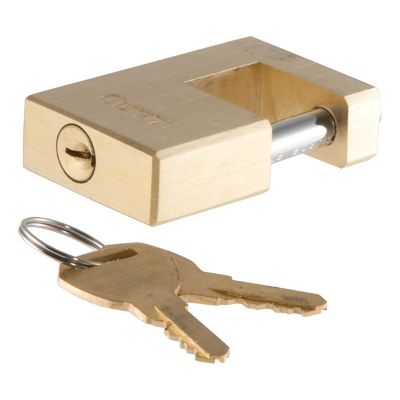
Locking Pins For Trailer Hitches address a different part of the towing setup rather than replacing a parked-trailer coupler lock. Some coupler latch locks can secure the latch while towing, but that use depends on the lock and coupler specifications; a socket-blocking storage lock must come off before hitching. Keeping those roles straight is useful on a property where several trucks and trailers share hauling duties. Keyed-alike arrangements, where offered, can simplify access across compatible locks, while separately keyed locks can help keep access to different trailers apart. Either way, a spare key stored somewhere other than the trailer or its attached gear can save a long interruption when there is work waiting. A dedicated storage spot for the removed lock also keeps it from bouncing around among chains, straps, and hand tools on the drive. Routine care is modest but worthwhile: dirt around the locking parts can interfere with engagement, and a cylinder benefits from the cleaning and lubricant specified by its manufacturer. Occasional checks for cracks, bent components, damaged coatings, or a sticking mechanism help catch trouble before the next trip. Parking location and other security measures still matter, since a coupler lock does not prevent access to cargo, wheel removal, or every possible way of moving a trailer. Paired with suitable wheel security, controlled access, and sensible equipment storage, a properly fitted universal trailer coupler lock adds a practical obstacle at one of the trailer’s most important connection points.