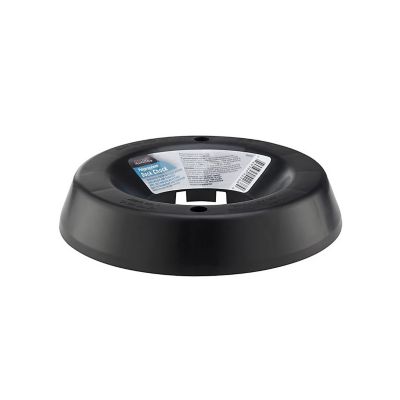
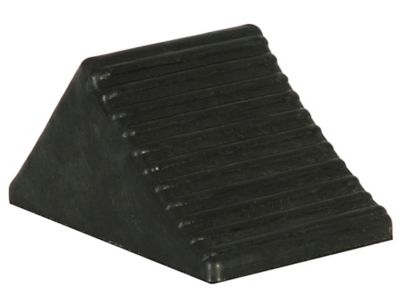
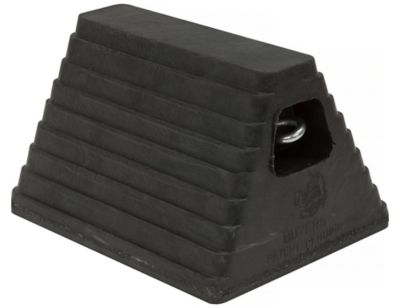
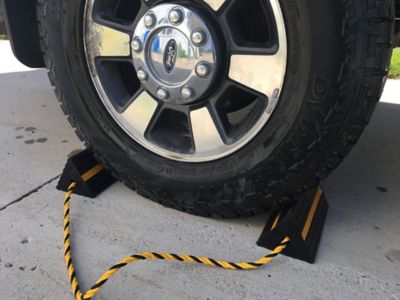
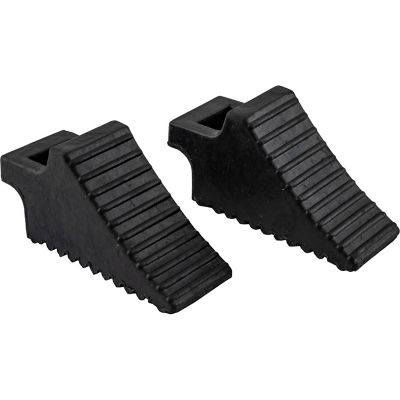
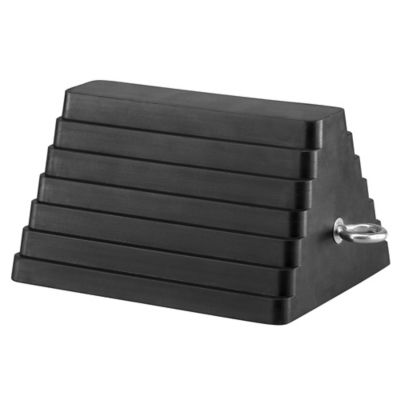
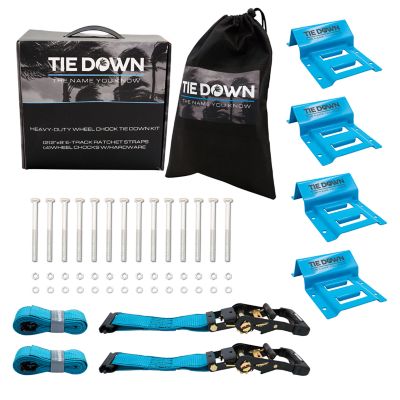
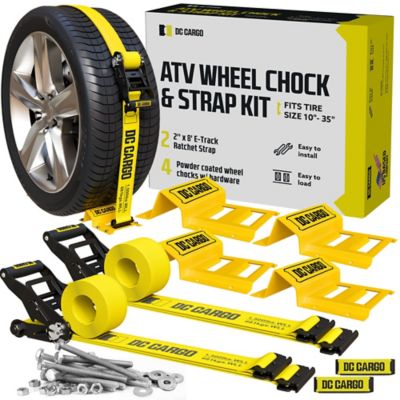
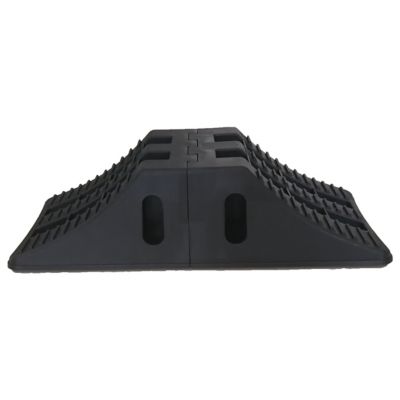
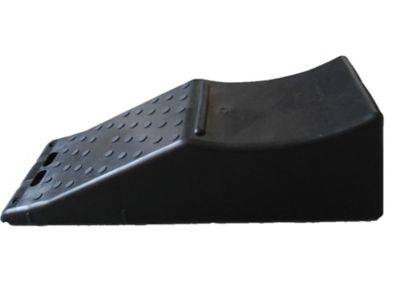
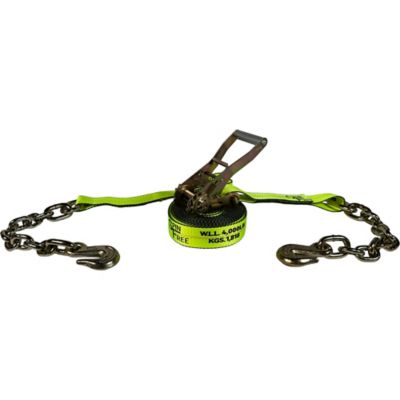
Trailer chocks help keep a parked trailer from rolling by placing a solid barrier against its tires. Most trailer wheel chocks are wedge-shaped blocks with a sloped face that rests against the tire tread and a broad base that sits on the ground. They belong in the parking setup for everything from a utility trailer carrying fence posts to a boat trailer beside the shed or a travel trailer at a campsite. Around a farm, where a trailer might move between the equipment barn, a gravel drive, and a loading area, the right chock depends on more than the size of the load. Tire diameter, loaded trailer weight, ground conditions, and the manufacturer’s stated application all matter. A small wedge that fits neatly in a toolbox may not provide the dimensions or capacity a larger trailer requires. Likewise, a heavy block is not automatically the right match if its profile does not fit the tire or its base cannot sit firmly on the parking surface. Chocks help resist rolling; they do not lift a trailer, level it, or take the place of a jack stand, parking brake, or other required support. That distinction matters when a trailer is unhitched for storage or parked while equipment is loaded. A tongue jack supports the front of the trailer, but it does not keep the wheels from turning. Chocks should be positioned according to the trailer and chock manufacturers’ directions before disconnecting the tow vehicle, with the trailer on firm, level ground whenever possible. The required number and placement depend on the setup and the directions in which movement must be prevented. Snug contact with the tread is important, rather than leaving a gap for the tire to roll into. For livestock owners, landscapers, boaters, and folks hauling tools between properties, properly matched trailer tire chocks are a practical part of keeping a parked rig where it belongs.
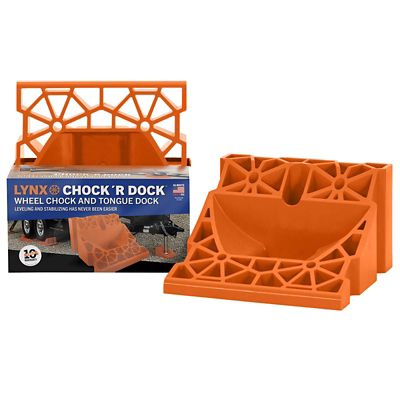
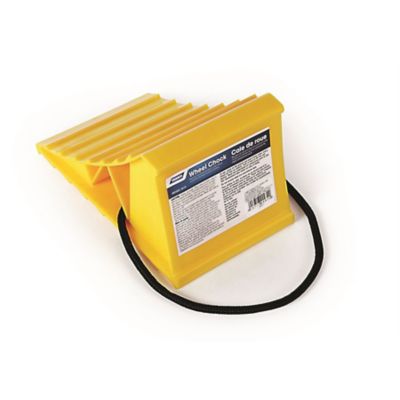
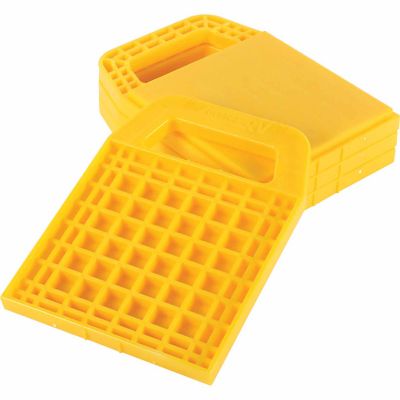
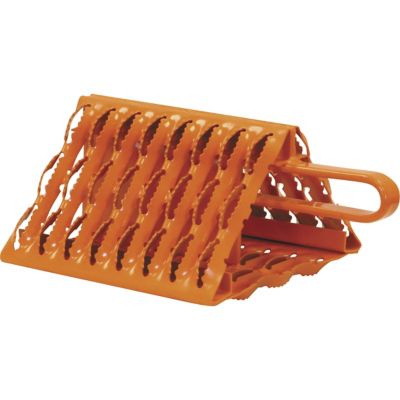
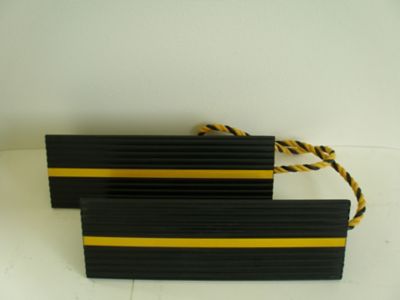
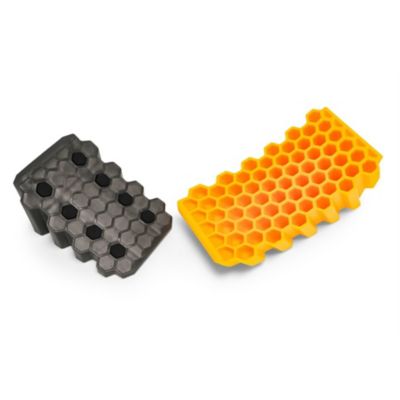
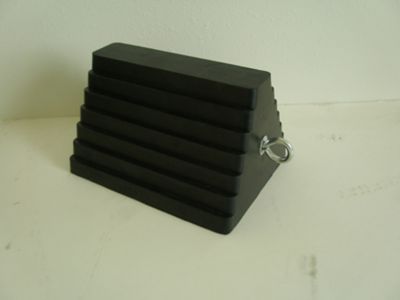
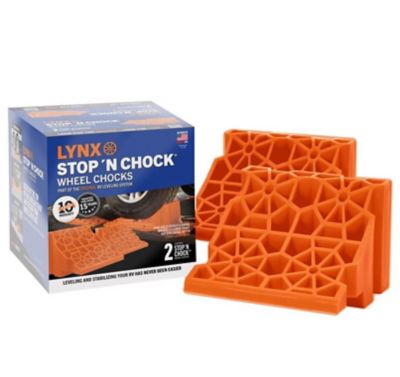
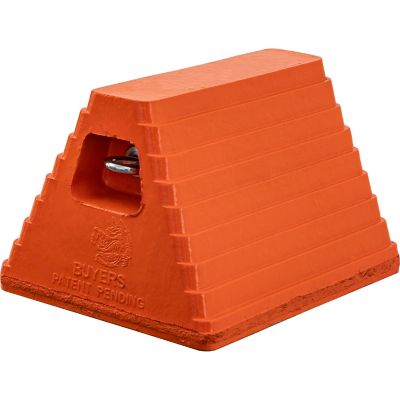
Material and construction affect how trailer chocks handle everyday work, transport, and exposure to the weather. Rubber wheel chocks generally have substantial weight and a surface that can provide traction on suitable ground, making them worth considering for frequent parking on concrete or asphalt. Rubber compounds differ, though, and grip still depends on the condition of both the chock and the surface beneath it. Mud, oil, loose stone, or ice can interfere with contact even when a block feels hefty in the hand. Molded plastic chocks are often lighter to carry and easier to tuck into a trailer compartment, an advantage for someone who moves parking equipment several times a day. Their load limits, resistance to sunlight, and operating temperature range deserve attention, especially when they will spend cooler nights outside or ride in an open truck bed. Steel and aluminum wheel chocks serve a range of applications, including some heavier commercial setups, but the metal alone does not establish suitability. Dimensions, reinforcement, base design, and the manufacturer’s specifications are what determine the intended job. Across materials, tread-facing ribs, textured bases, and the angle of the wedge influence how the chock meets the tire and ground. Handles or attached retrieval ropes can make carrying and removal more convenient once the trailer is secured for departure, while bright colors can make a block easier to spot beside a muddy tire. Overall height and width should suit the tire rather than simply fit the storage space. Ground clearance around fenders and other trailer components also matters when reaching in to position a block. On dirt or gravel, a chock needs firm support instead of resting on loose material that can shift beneath it. No base pattern makes every surface suitable, and a steep or slippery parking spot calls for a safer location rather than an assumption that a larger wedge will solve the problem. Matching construction to the actual parking routine helps narrow the choice without relying on appearance alone.
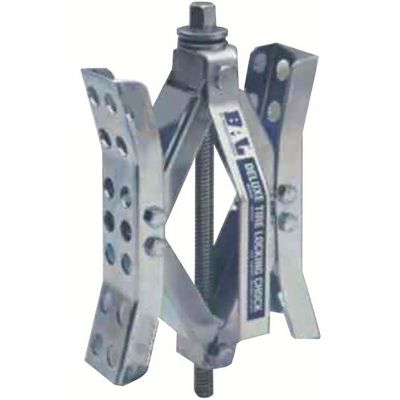
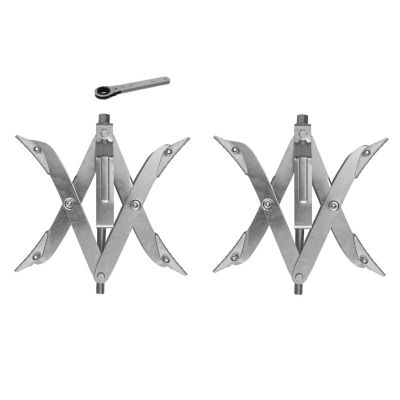
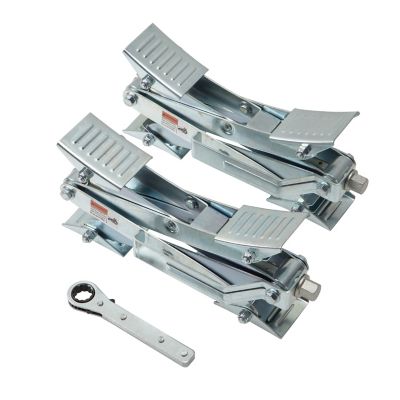
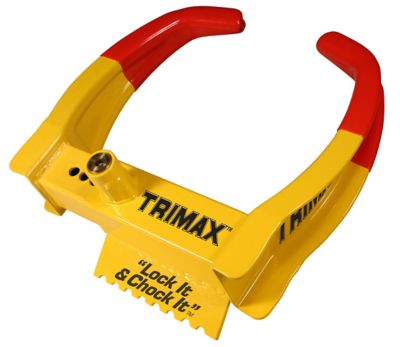
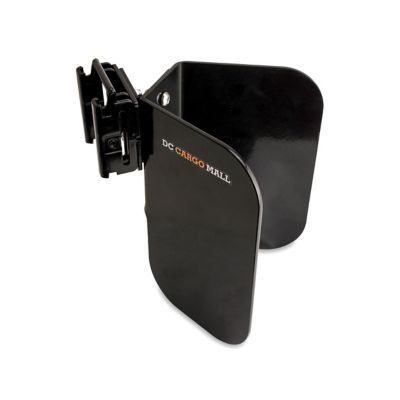
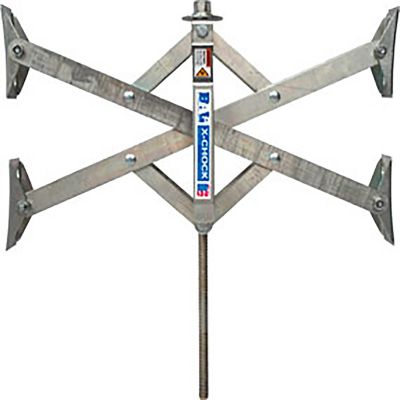
Trailer layout also shapes the kind of wheel restraint that makes sense. Conventional wedge chocks work against individual tires and can suit single-axle or tandem-axle trailers when sized and positioned as directed. Expanding between-tire stabilizers fit into the space between adjacent tires on certain tandem-axle trailers, where they help limit wheel movement and reduce some of the fore-and-aft rocking felt inside a parked camper. Their minimum and maximum opening must match the tire spacing, and that spacing should be checked with the trailer parked in its normal setup. Not every between-tire device is rated to prevent a trailer from rolling, so stabilizers should not replace ground-contact wheel chocks unless the manufacturer expressly approves that role. For a travel trailer where people step inside, move gear, and settle in for the evening, wheel restraint and stabilization serve related but different purposes. For a utility trailer that spends its days hauling mowers or feed, straightforward handling and a clearly marked capacity may carry more weight than added adjustment features. Routine care helps either setup stay ready for the next stop. Dirt and gravel should be cleared from contact surfaces so the chock can sit flat, and rubber or plastic bodies deserve a look for cracks, splits, warping, or crushed sections. Metal versions need checks for bent edges, damaged welds, and corrosion, while adjustable mechanisms need the care specified by their manufacturer. A chock with structural damage belongs out of service, even if it still looks close to its original shape. Dry storage away from unnecessary sun exposure, chemicals, and standing water can help limit deterioration between trips. Keeping a matched set together in an easy-to-reach compartment also makes the parking routine less of a scramble when daylight is fading at the barn. For the separate job of checking towing connections,
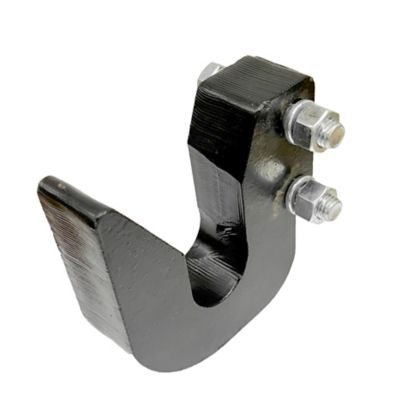
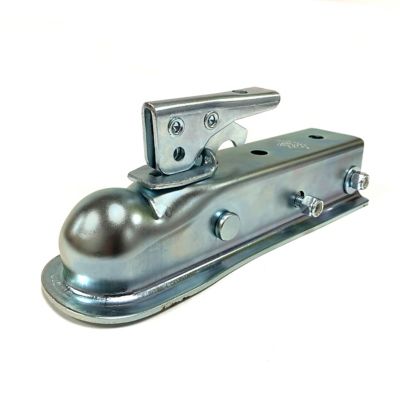
trailer hitch hooks are another part of the trailer equipment picture; wheel chocks remain parking equipment, not a substitute for proper hitching or cargo securement. From unloading tools beside a workshop to putting a camper away during the cooler months, sound fit, firm footing, and regular inspection matter more than choosing a block by size or weight alone.