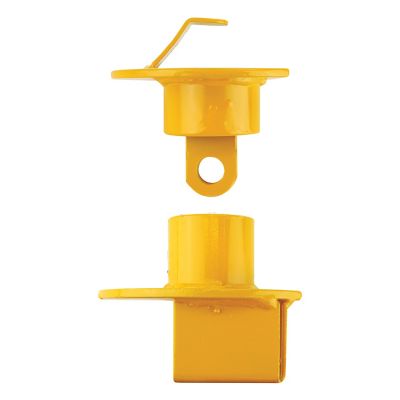
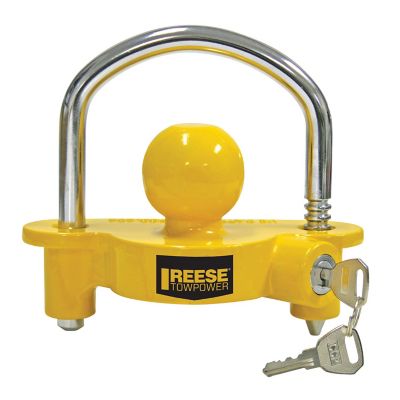
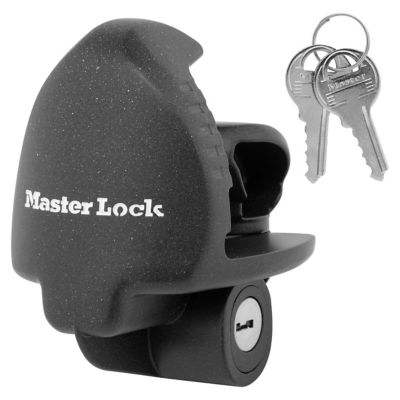
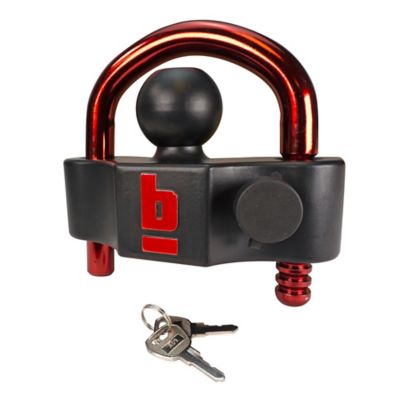
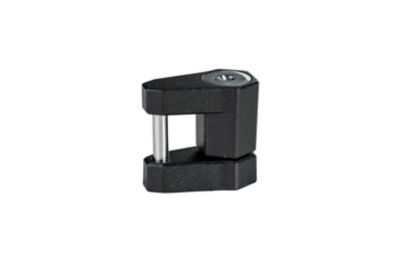
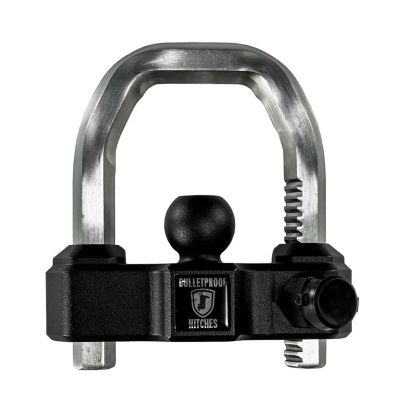
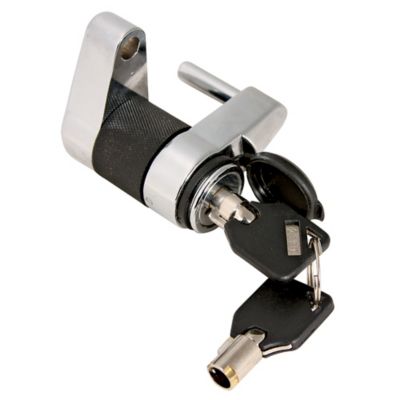
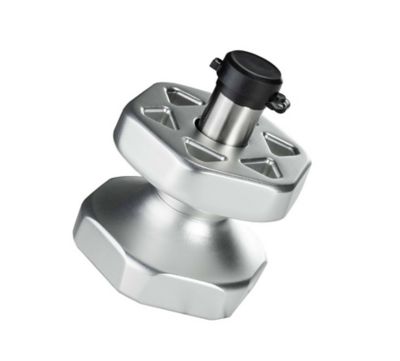
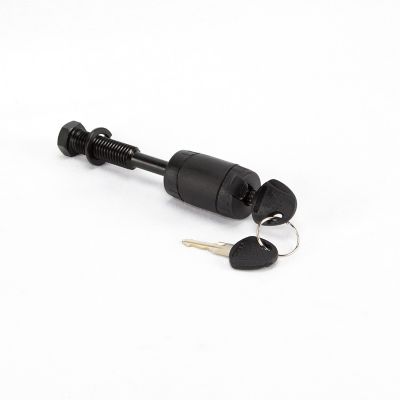
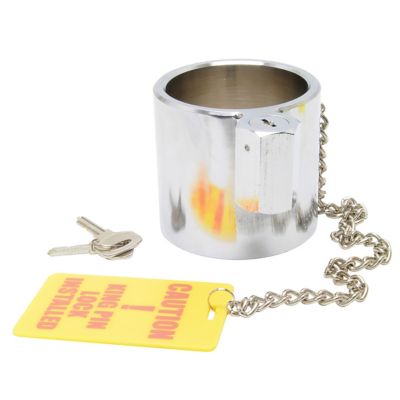
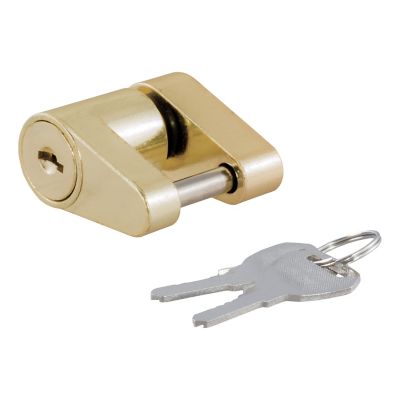
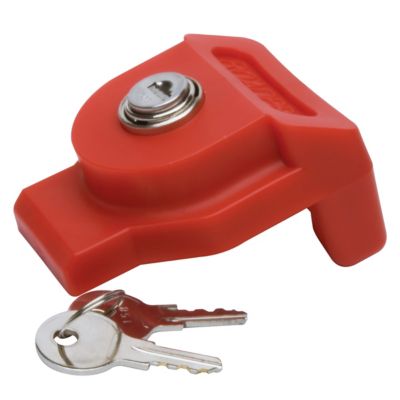
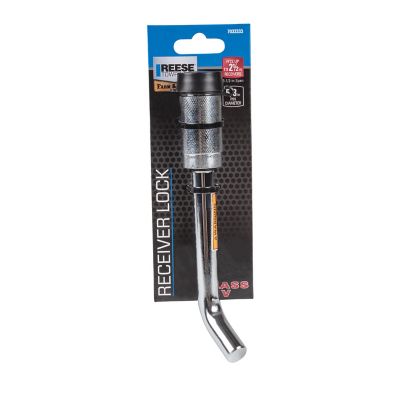
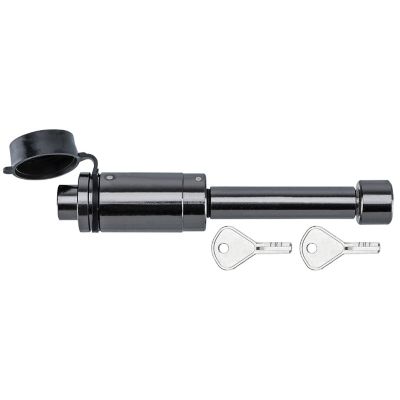
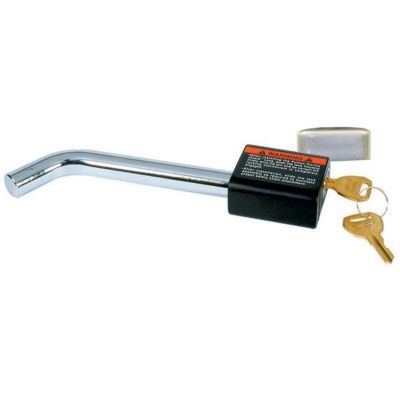
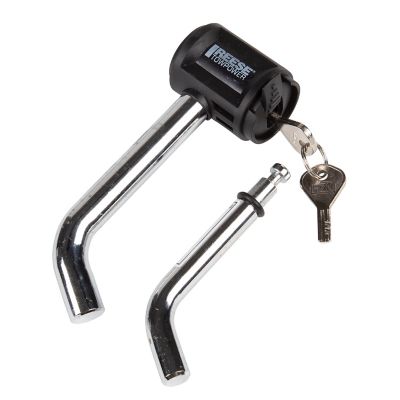
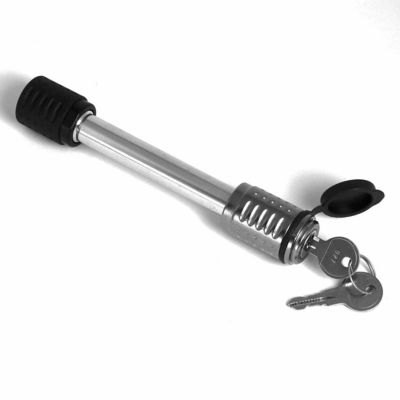
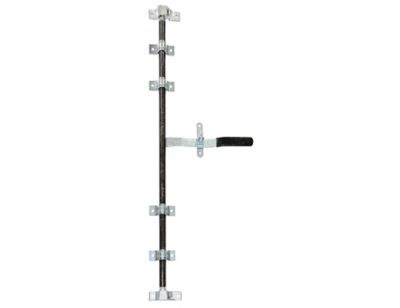
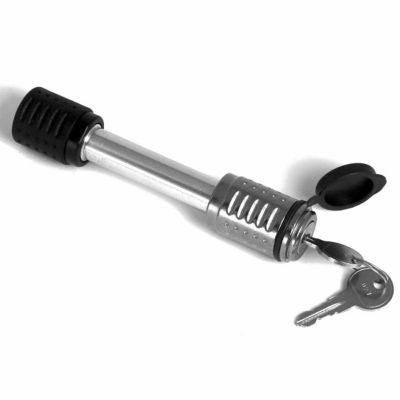
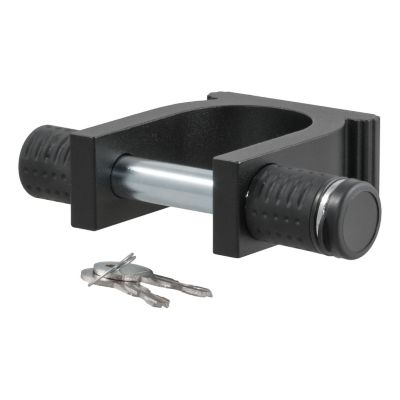
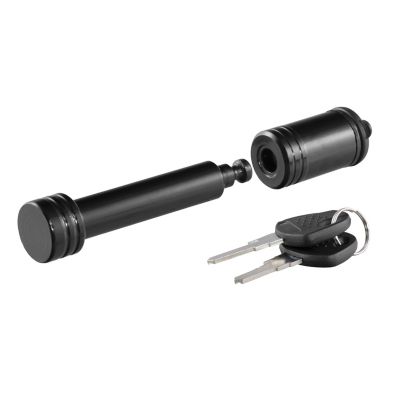
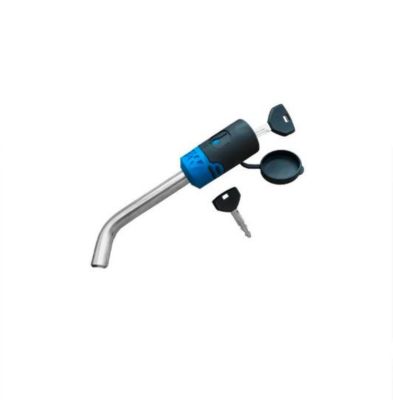
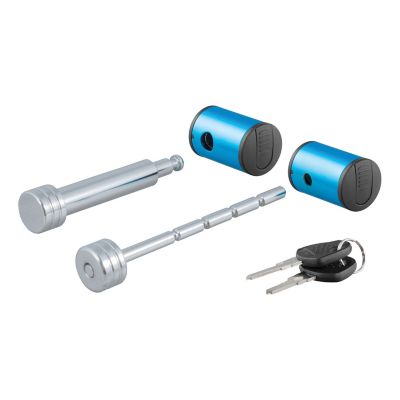
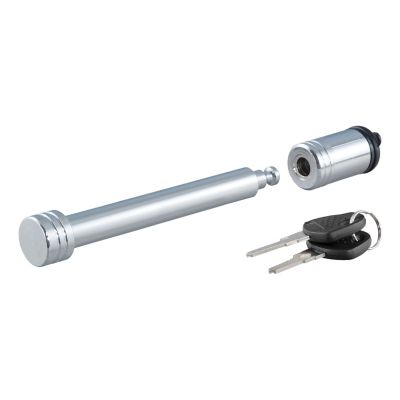
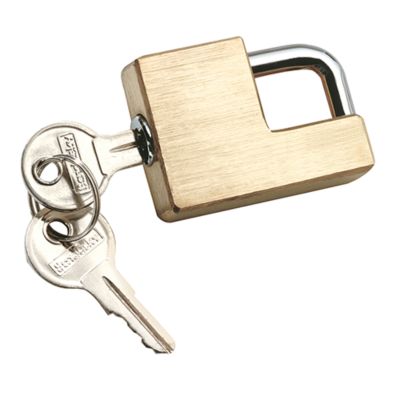
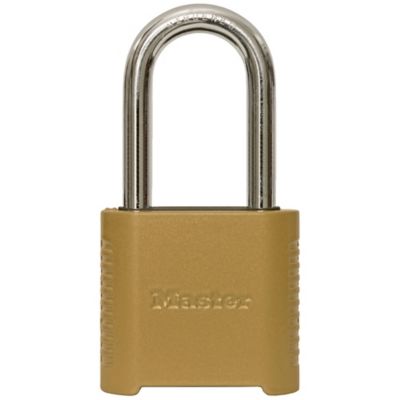
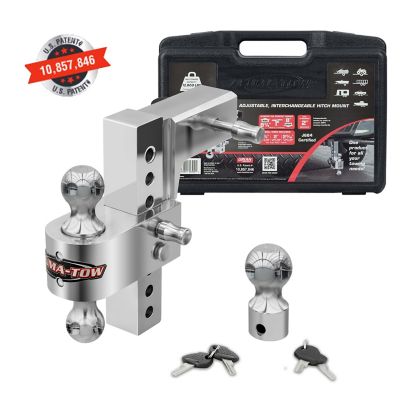
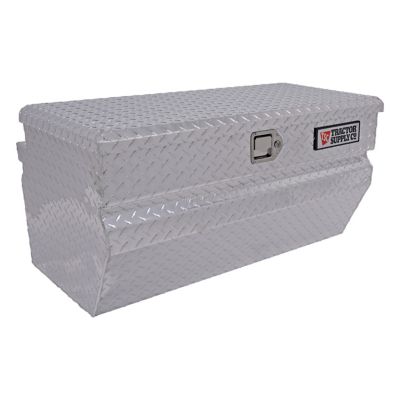
Heavy duty trailer locks help protect the trailers and towable equipment that spend plenty of time sitting unattended, whether they are parked beside a barn, left at a jobsite, or stored in a driveway during the cooler months. A trailer may carry livestock panels, a compact tractor, landscaping gear, firewood, a side-by-side, or tools that are costly and time-consuming to replace. A strong lock adds an important layer of security by blocking access to the coupler, receiver, latch, or other connection points used to move the trailer. These locks are made for owners who need more than a light-duty travel lock, including farmers, ranchers, contractors, landscapers, hunters, utility crews, and families who use enclosed or utility trailers for weekend work. They can also make a thoughtful gift for someone who has recently bought a trailer, started a hauling business, or spends time moving equipment between a home place and a worksite. Like a good gate latch on a pasture fence, the right lock should be straightforward to use, built to handle rough conditions, and dependable when the trailer is parked out of sight. Heavy duty trailer locks are commonly built from hardened steel, solid steel, ductile cast iron, or other tough metal alloys that stand up better to cutting, prying, drilling, and blunt force than thin, lightweight materials. A substantial body and a close-fitting design can leave less room for a pry bar or cutting tool, while a protected keyway helps shield the cylinder from tampering. No lock can promise to stop every determined thief, but a well-made lock can make a trailer harder to take and encourage thieves to move on to an easier target.
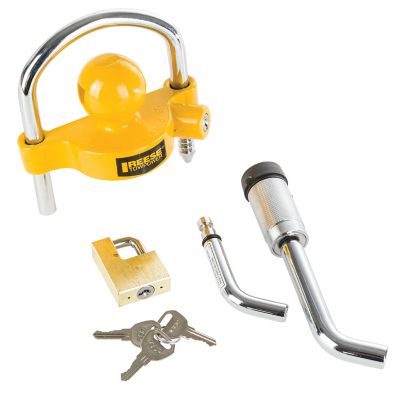
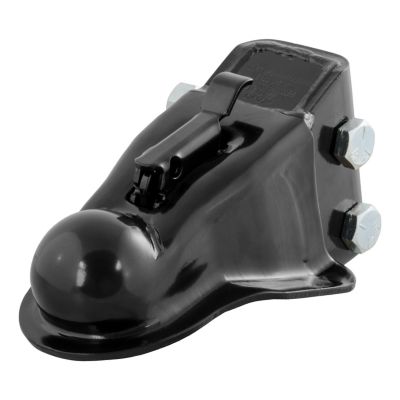
Fitment is one of the most important details to check before choosing a heavy duty trailer lock. Trailer couplers come in several shapes and sizes, and a lock that fits one style may not properly secure another. Look at the coupler profile, latch opening, pin diameter, and available clearance before placing an order. A precision fit should sit snugly against the coupler with minimal gaps, leaving little space for tools to get between the lock and the metal. For trailers with adjustable or interchangeable components, it may make sense to use more than one type of lock: a coupler lock can keep the trailer from being connected to a tow vehicle, while a latch lock can help secure the coupler mechanism itself. A receiver lock can protect the hitch connection when a trailer is attached, and some sets include matching keys so one key can operate several locks. That arrangement is handy when you are standing in the gravel beside a loaded trailer with a handful of gear to secure before dark. Consider whether the trailer will be parked for a few hours, left overnight at a worksite, or stored for long stretches. Short stops may call for a quick-install design, while long-term storage can justify a larger lock with a shielded cylinder and heavier construction. Think about where the lock will live, too. A lock exposed to rain, mud, road spray, dust, and winter moisture should have a corrosion-resistant finish, such as stainless construction, a durable coating, or another finish intended for outdoor use. A lock that is difficult to insert after a wet drive or a freeze can be frustrating, so smooth operation and a covered or protected keyway are useful features in real farm and work conditions.
When comparing heavy duty trailer locks, pay attention to the overall build instead of judging security by size alone. Look for solid metal construction, a sturdy shackle or locking bar, reinforced areas around the cylinder, and a design that does not leave obvious openings for pry tools. Hardened steel and ductile iron can offer strong resistance to common attacks, while a rotating or shielded face may make it harder to grip, drill, or strike the lock. Powder-coated and stainless finishes can help slow rust, but regular care still matters. Brush away packed dirt, rinse off road salt and manure, and use a lock lubricant made for the cylinder when needed; avoid forcing a key through grit or ice. Keep a spare key in a safe place, and make sure the key number or replacement information is recorded somewhere secure. For a trailer that is often connected to a truck, pair a coupler or receiver lock with sensible parking habits: choose a well-lit area when possible, back the trailer into a position that limits access, and remove valuables or portable equipment when the trailer will be unattended. A lock works best as part of a broader setup that may include wheel chocks, a wheel lock, lighting, cameras, or a sturdy chain for equipment. If you are replacing towing equipment or setting up a new hauling rig, browse
Heavy Duty Tow Bars to help round out the connection between your vehicle and trailer. Whether the trailer is hauling feed through a muddy lane, carrying tools to a construction site, or waiting beside the shed until the next job, choosing a lock with the right fit, strong materials, protected hardware, and outdoor-ready construction can provide practical peace of mind every time you walk away.